



Top 20 Most Common Bird in Luzern
Located in central Luzern, the city nestles within a diverse environment, ranging from serene lakes to majestic mountains. The 20 common birds found here have adapted to this ecosystem, displaying unique behaviors and remarkable appearances. Some species exhibit significant traits like migratory habits, vibrant plumage, or distinctive calls, further adding to Luzern's rich biodiversity. Comprehensive information about these avifauna can be cherished from trusted ornithological sources.

Most Common Bird
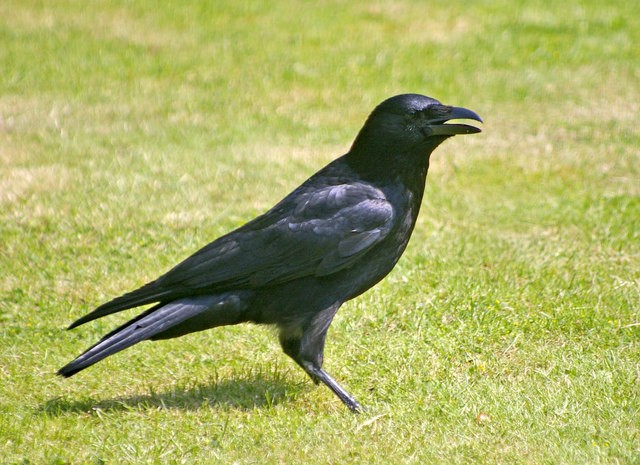
1. Carrion Crow
The loud cry from the carrion Crow lets everyone know the bird is in the area. It is often seen in semi and open habitats that include rural and suburban areas. The black-colored bird only gathers in large flocks when it is time to roost. Otherwise, it flies in pairs or small groups scavenging for insects, seeds, and even small animals.
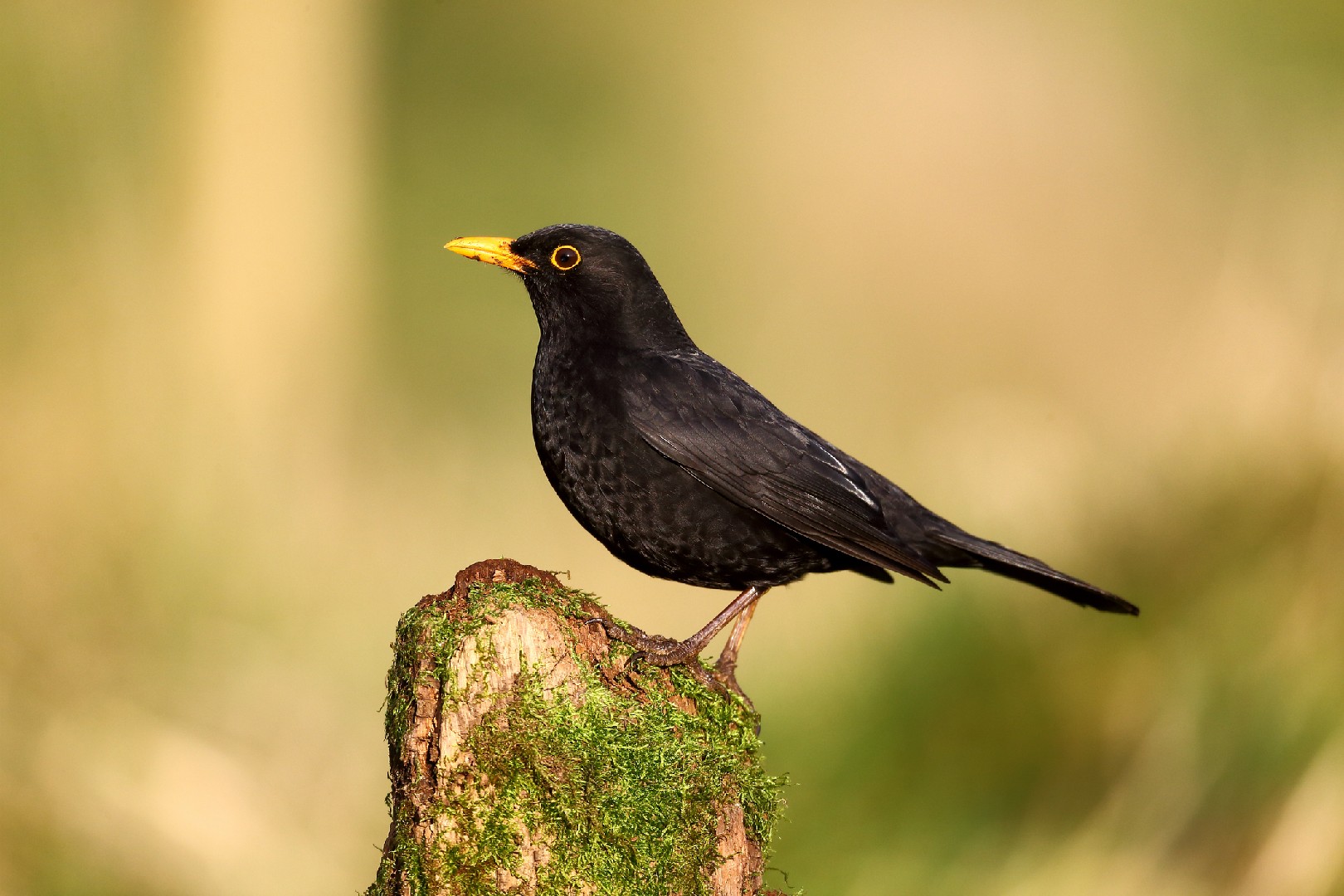
2. Eurasian Blackbird
Unafraid of humans, the dark-winged eurasian Blackbird has gained a great deal of cultural significance, mentioned in popular nursery rhymes and songs across the world. Elegant and with an appealing song, they can be aggressive when they are in their breeding period.
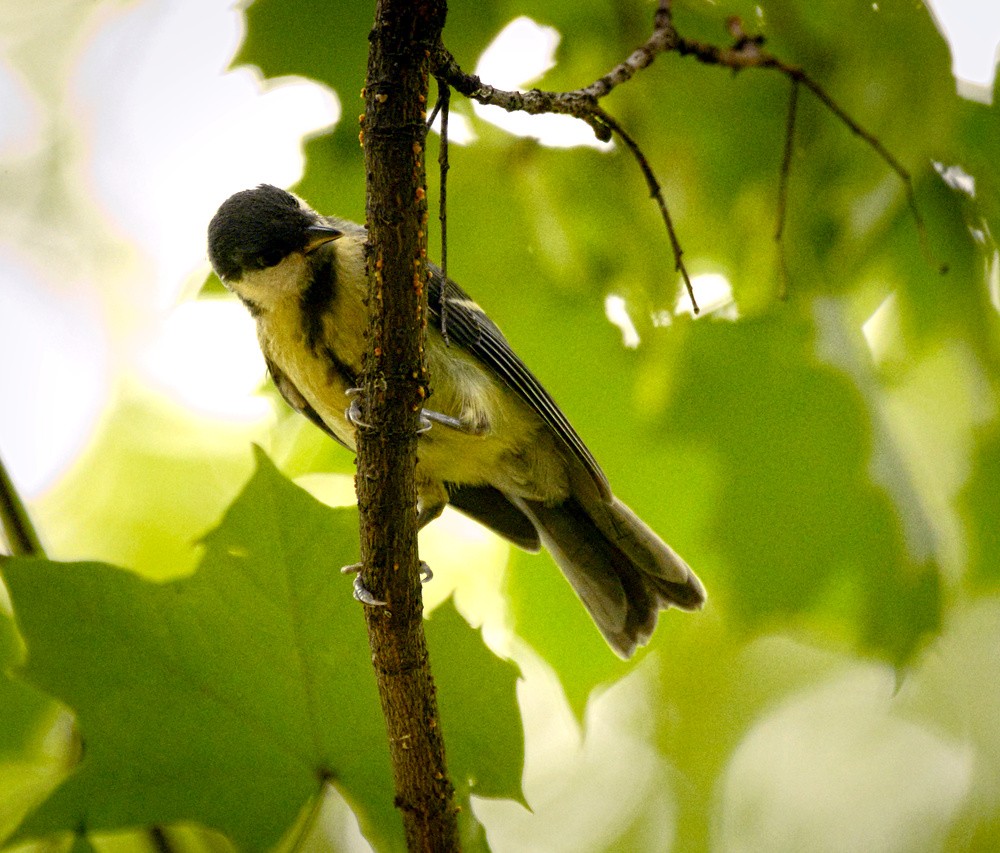
3. Great Tit
Great Tit is a small and plump bird, with a thick black line running through its bright yellow face. It is a common sight in gardens, woodlands, and parks. It is often seen foraging for food in an acrobatic way. Well known for its intelligence, it has been observed using tools, solving problems, and even counting up to five. 

4. Eurasian Coot
The eurasian Coot is a medium-sized, black-plumaged waterbird with a white bill and a distinctive red shield above its bill. It has webbed feet with a white patch on the toes and is often seen in large flocks, diving for food and fiercely defending its territory. Its aggressive nature and distinct features make it a memorable sight for birdwatchers.
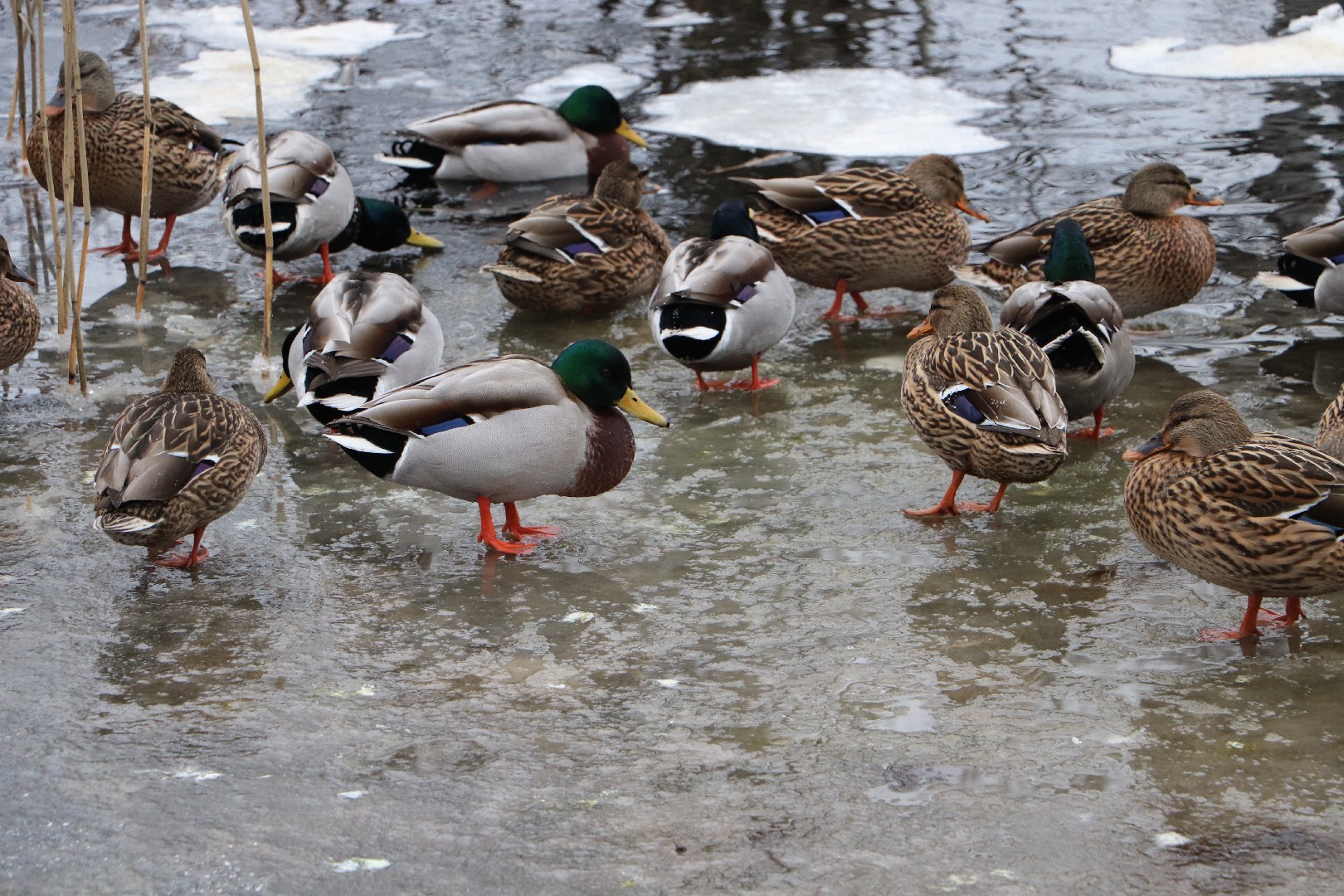
5. Mallard
The mallard is the most abundant duck species in the world, and the ancestor of all domestic ducks. Only the female can produce the distinctive "quack" sound. When the female lays eggs, the male abandons its mate, while the protective mother stays with the ducklings for a long time. This migratory species inhabits shallow waters and it's one of the most popular game birds.

6. Common Chaffinch
The common Chaffinch has a varied diet, mainly feeding on seeds and berries, but also eating insects, allowing it to thrive in different habitats. The Common Chaffinch is also known for its melodic song, with the males being particularly vocal during the breeding season. Their songs can often be heard in the spring and early summer.
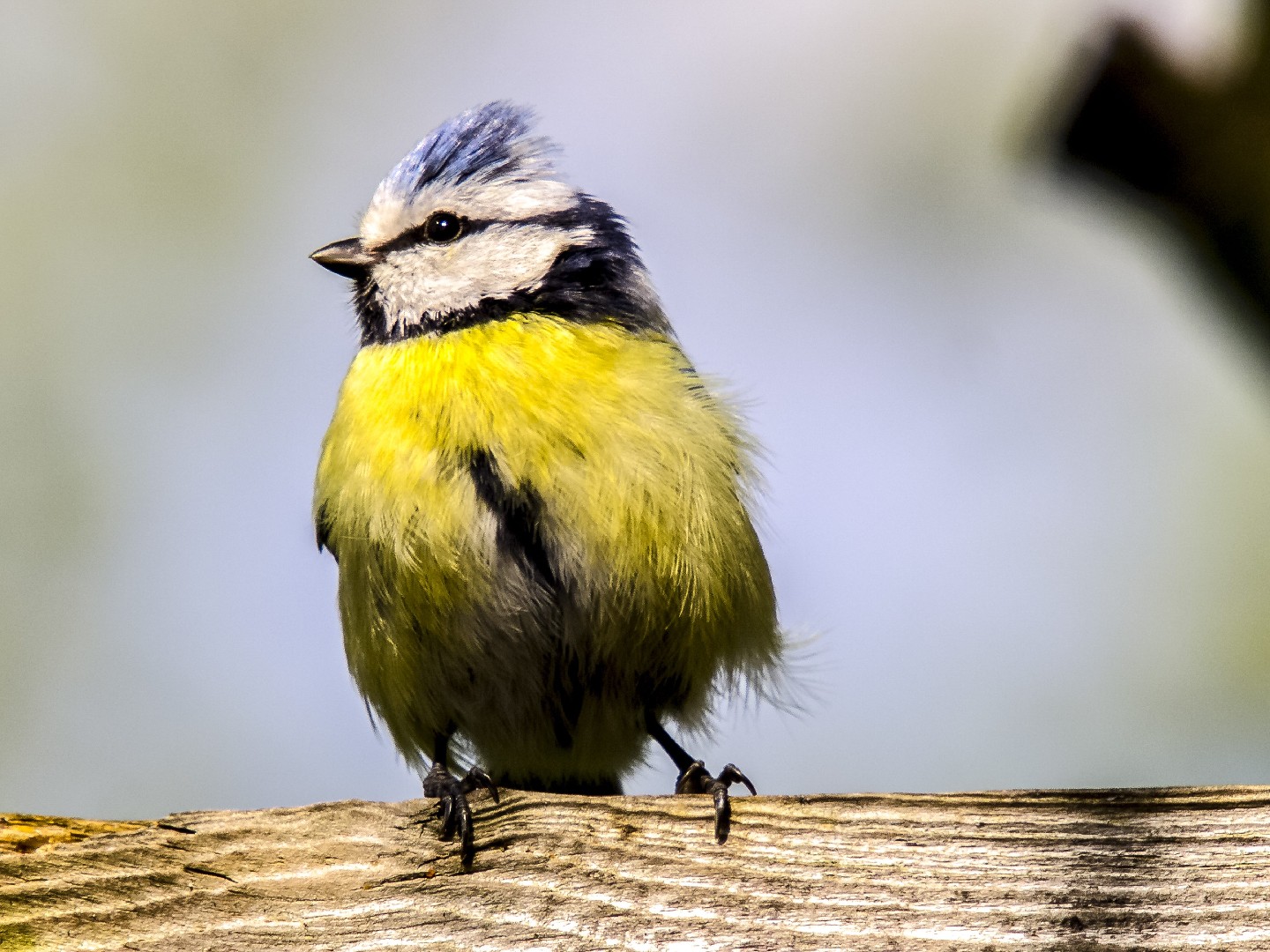
7. Eurasian Blue Tit
The eurasian Blue Tit is a small songbird, very common in urban areas such as parks. This songbird has a wide range of calls and songs, but it's also known for its agility and acrobatic skills - it can hang upside down, reaching food that's not accessible to less-skilled birds. When the bird has young, it spends around 17 hours per day in the search of food for the offspring. It's a frequent visitor of bird feeders.
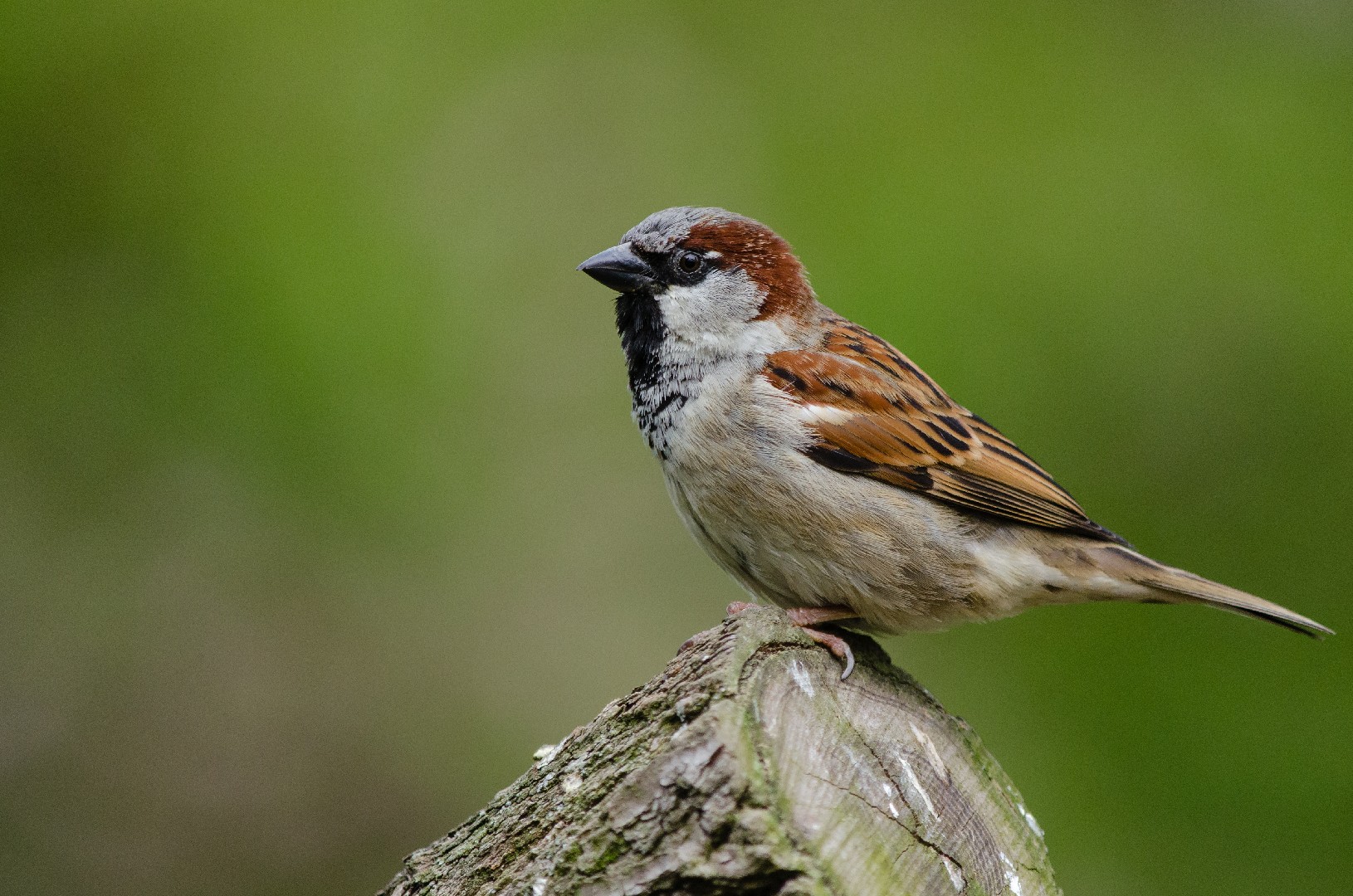
8. House Sparrow
Just as its name implies, the little house Sparrow socializes with humans more than any other bird species. Able to adapt and thrive in almost any habitat, excluding the extremes such as deserts and mountain peaks, this species was once restricted only to North Africa and Eurasia but now is found across the globe. Unfortunately, this opportunistic eater is not completely harmless—it can cause considerable damage to crops.
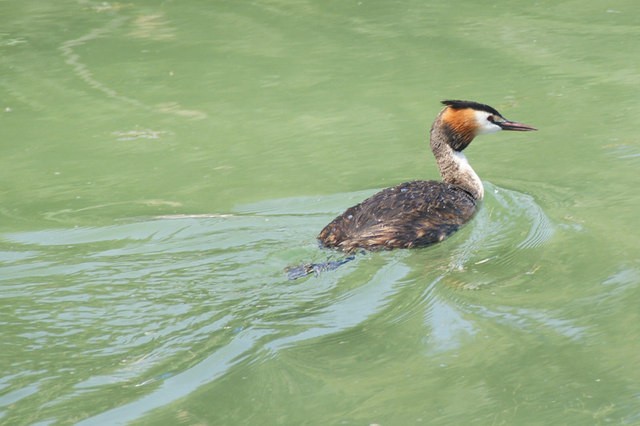
9. Great Crested Grebe
Look for great Crested Grebe in areas with plenty of reeds. This water bird uses the reeds to build floating nests on rivers, lakes, and reservoirs. While the bird joins flocks in the winter, it is territorial. Breeding pairs will defend the area around their nest. The bird forages for insects, small fish, and other aquatic life along the shore.

10. White Wagtail
The white Wagtail is the national bird of Latvia and is featured in traditional folk songs and placed on some postage stamps. These birds can be found in most habitat types besides deserts. As their name suggests, they exhibit a characteristic tail-wagging behavior as they search along the ground and nearby waterways for insects to eat.
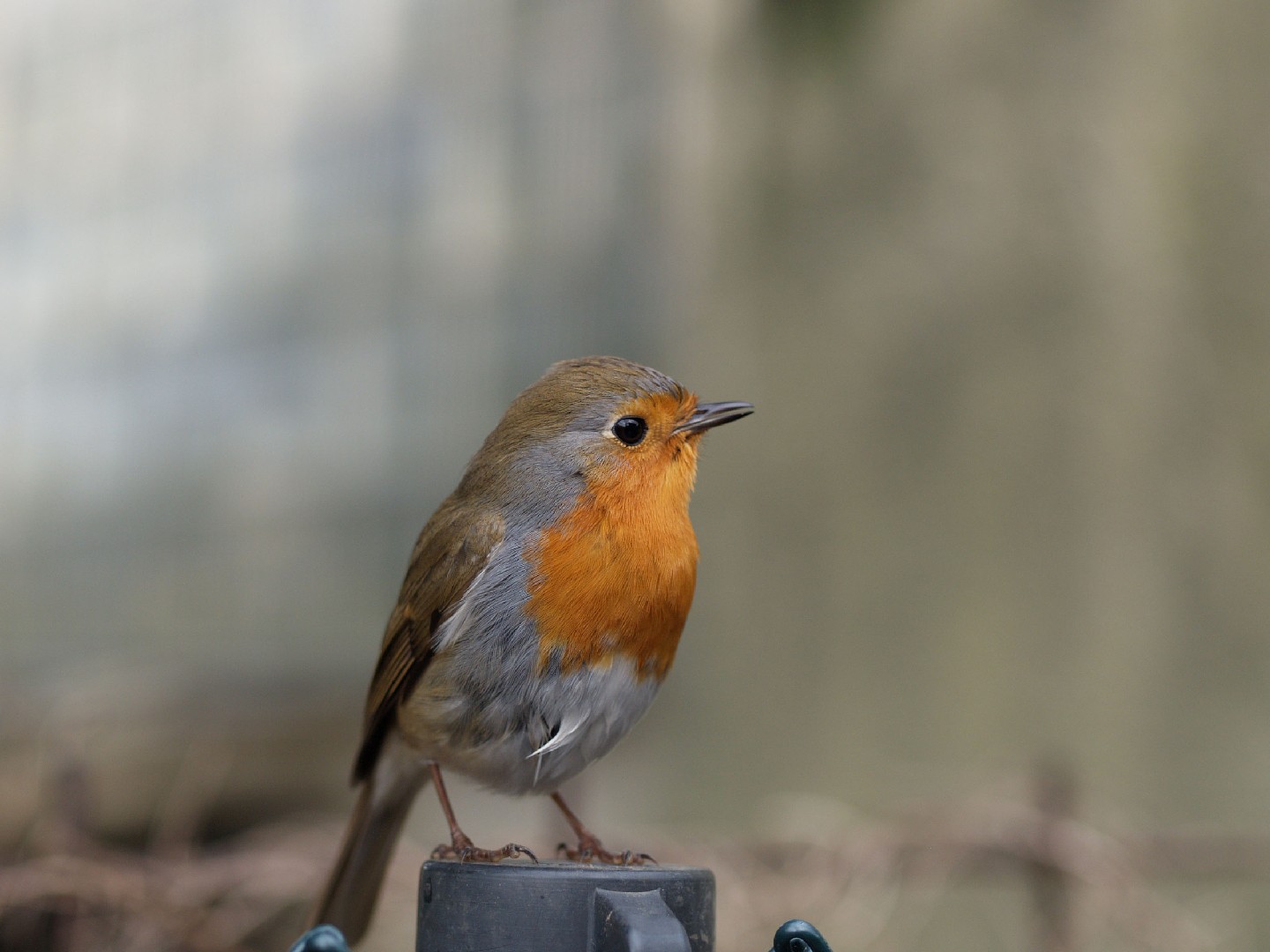
11. European Robin
The european Robin is an aggressive bird that is commonly found throughout farmlands, woodlands, and suburban communities. These birds are mainly helpful insectivores for gardeners, but will also eat various seeds and fruits. The european Robin is used on British Christmas cards to represent postmen from the Victorian era who used to wear red waistcoats while delivering holiday cards.
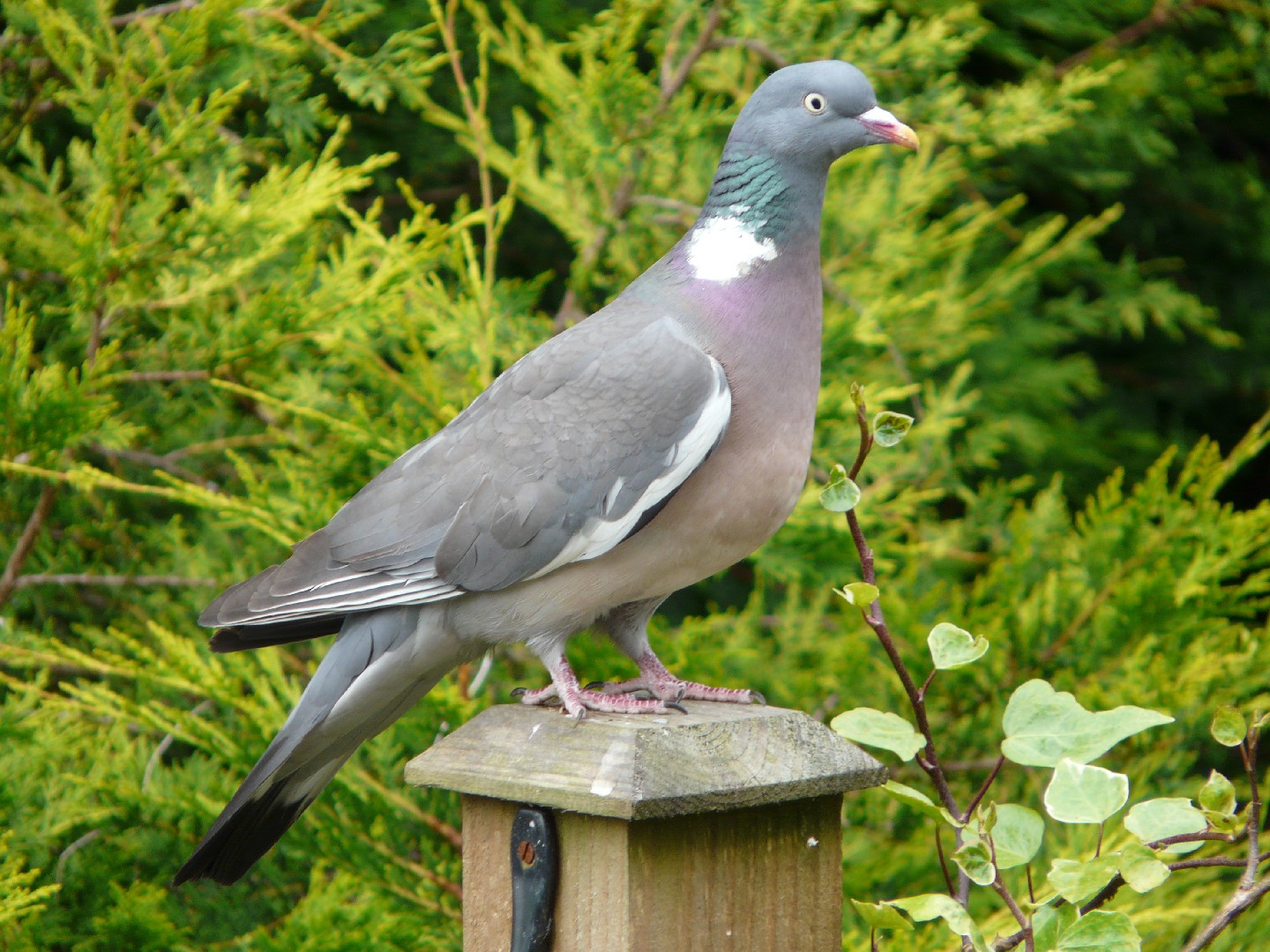
12. Common Wood Pigeon
Although primarily found in woods, the common Wood Pigeon is a large and bulky pigeon that is often seen in towns and cities. Those who inhabit urban areas are quite tame, approachable, and comfortable around humans. This pigeon is a popular game bird, particularly during its migration journeys. Its distinctive call can be heard year-round, particularly at dawn. This ground-dwelling bird gathers in large flocks that feed together.
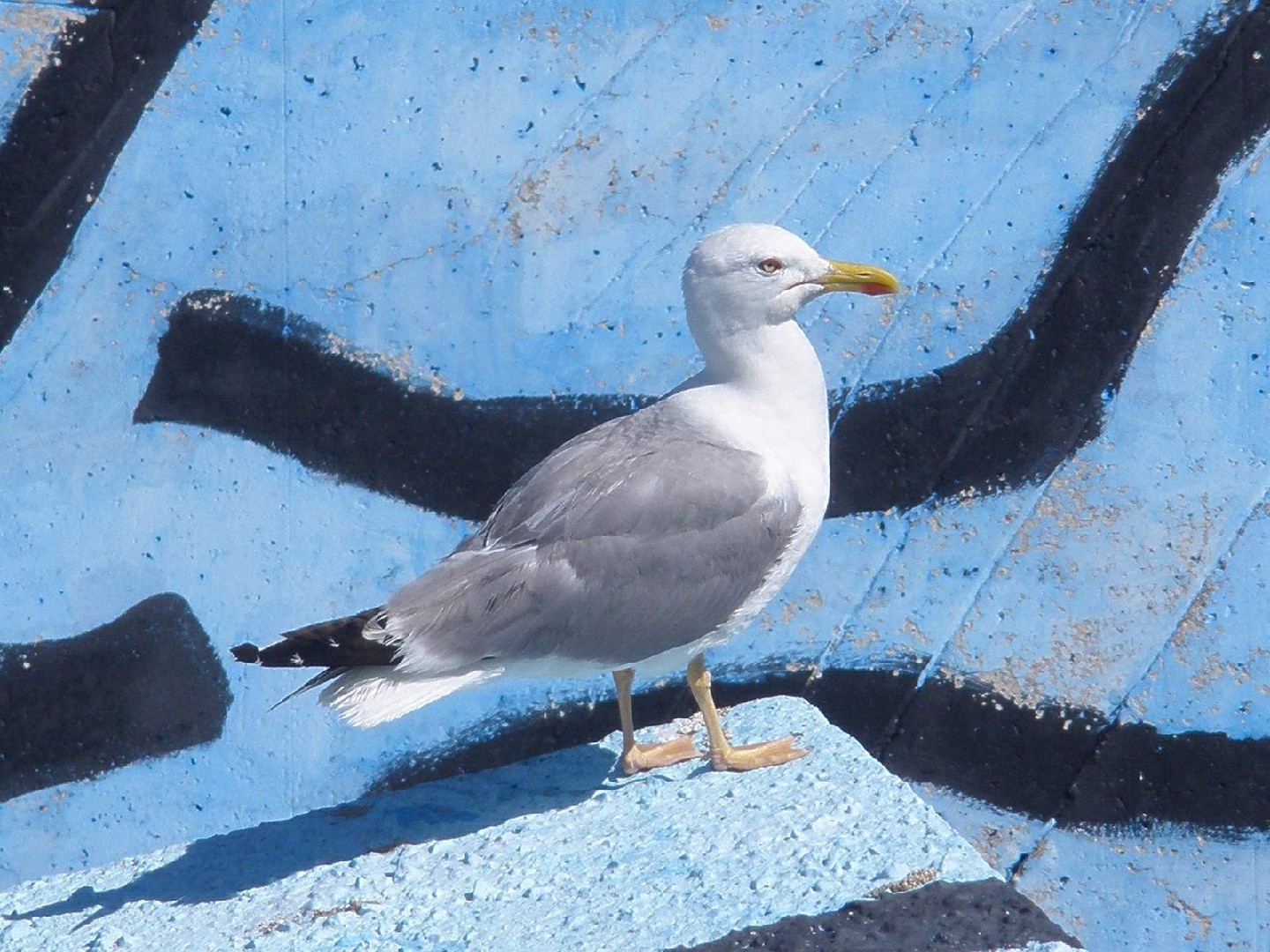
13. Yellow-legged Gull
Yellow-legged Gull is a large seagull that can be found along coastal regions of the Mediterranean Sea and the Atlantic Ocean. It has a distinctive yellow coloration on its legs and beak, giving it its name. It is an opportunistic feeder, and known to be very territorial. Some populations of Yellow-legged Gulls are migratory, traveling long distances to breed during the summer months.
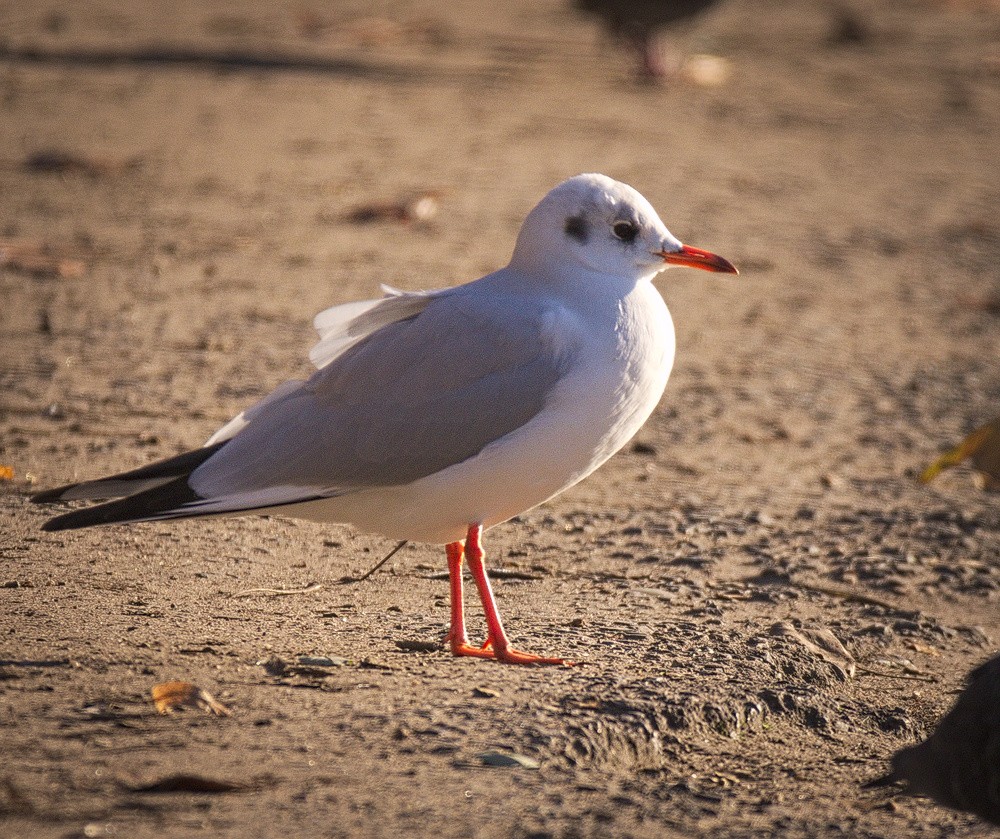
14. Black-headed Gull
Black-headed Gull is a medium-sized gull found in Europe and Asia. It has a white body and grey wings, and a black head that turns chocolate brown in the summer. It is found in a variety of habitats, including coastal areas, lakes, and wetlands. It is migratory, wintering in southern Europe and parts of Africa.
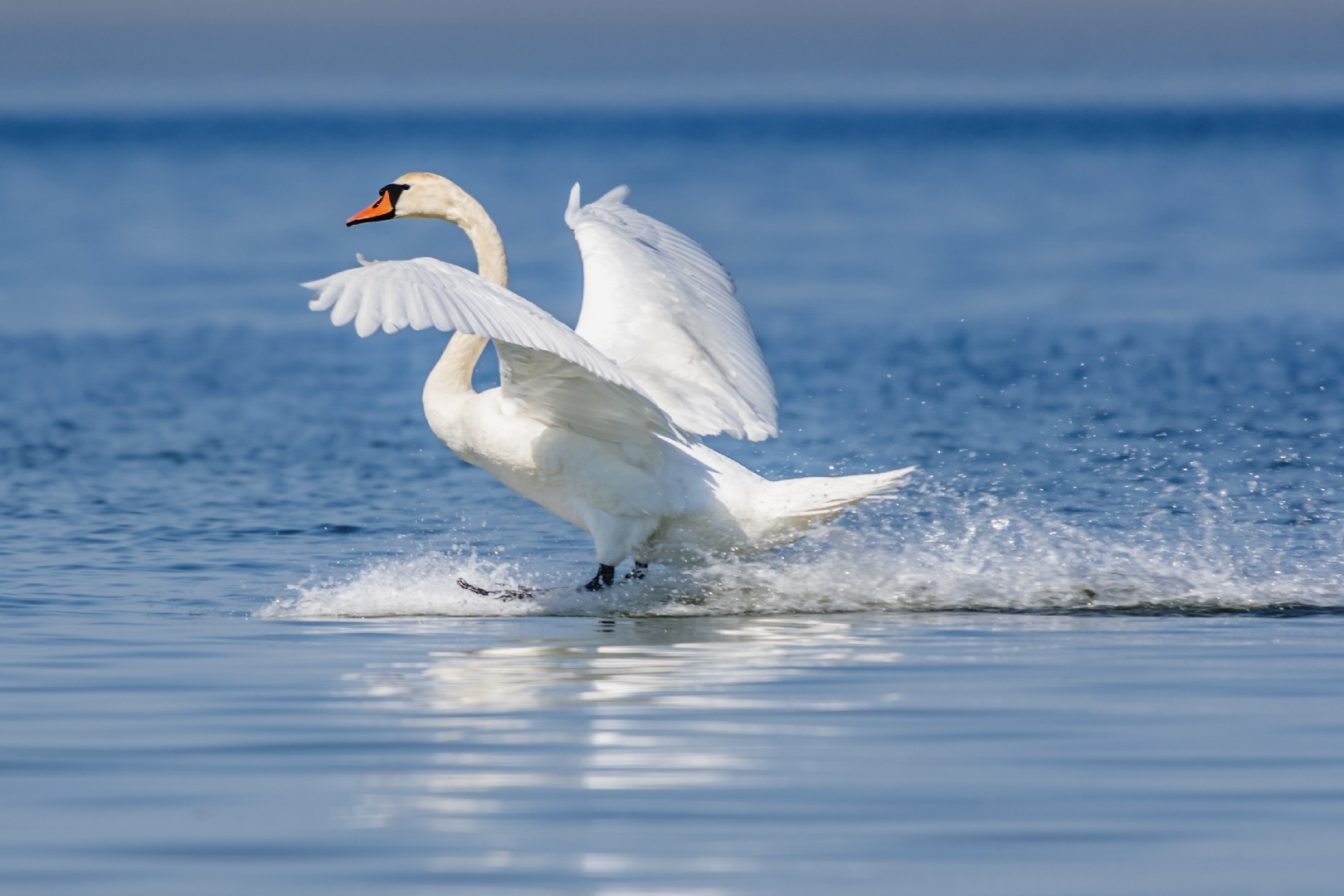
15. Mute Swan
The most common inhabitant of urban lakes and one of the heaviest of all flying birds, the mute Swan got its name by being less noisy than other swan species. Although stunningly beautiful and graceful, it is also quite aggressive and territorial. The national bird of Denmark, the mute Swan is famously portrayed in Hans Christian Andersen's fairytale "Ugly Duckling" and Tchaikovsky's ballet "Swan Lake".
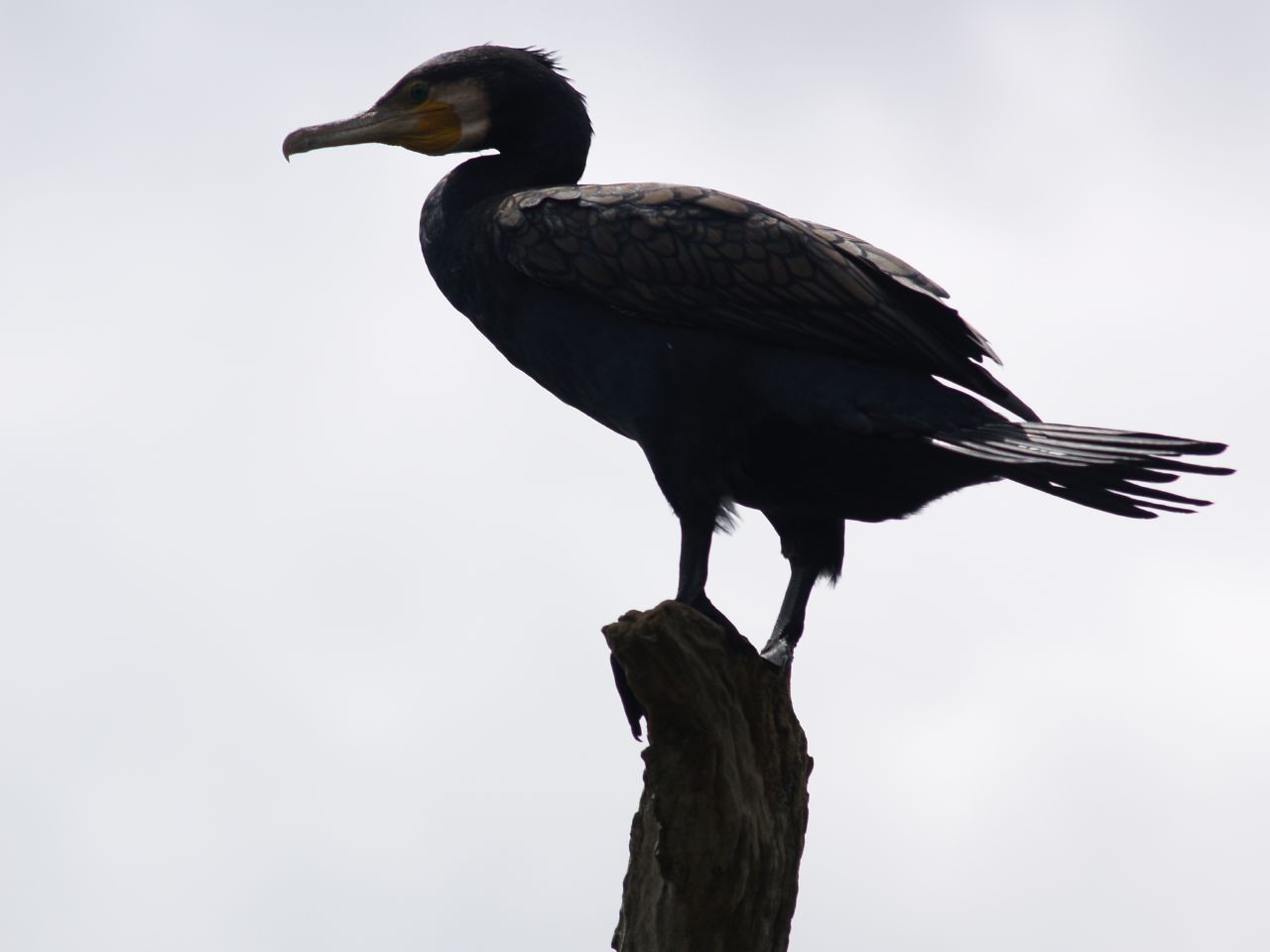
16. Great Cormorant
The great Cormorant is a charismatic bird known for its diving abilities and fishing prowess. It has a glossy black plumage, a long neck, and a hooked beak. It is strong swimmers and divers, capable of reaching depths up to 30 feet to catch fish. It has a unique habit of spreading their wings in the sun to dry them after fishing, helping to maintain their waterproof feathers.
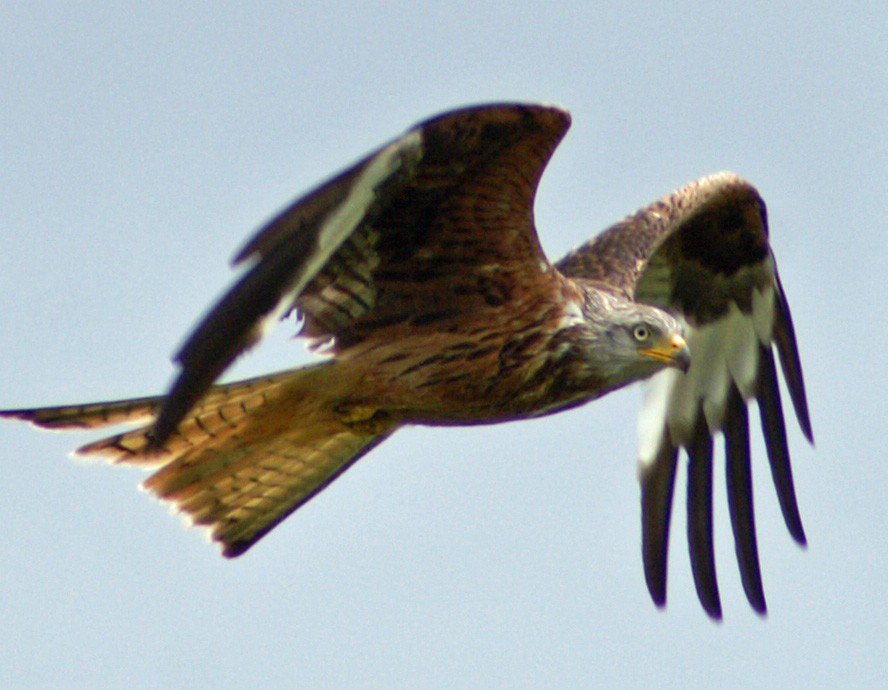
17. Red Kite
Red Kite is a large, graceful bird of prey with reddish-brown plumage, white breast and belly, and a forked tail. It's known for its acrobatic flying displays and can be found in open woodlands, grasslands, and farmland in Europe and Asia. It is a protected species and its population is recovering from past declines.

18. Common Buzzard
The common Buzzard is a medium-sized bird of prey found in many parts of the world. It inhabits a variety of habitats such as forests, grasslands, and mountains. It is an opportunistic hunter, preying on mammals, birds, reptiles, and insects. They also scavenge on carrion. They are often seen soaring on thermal currents, perching on high vantage points, and performing acrobatic maneuvers during courtship.
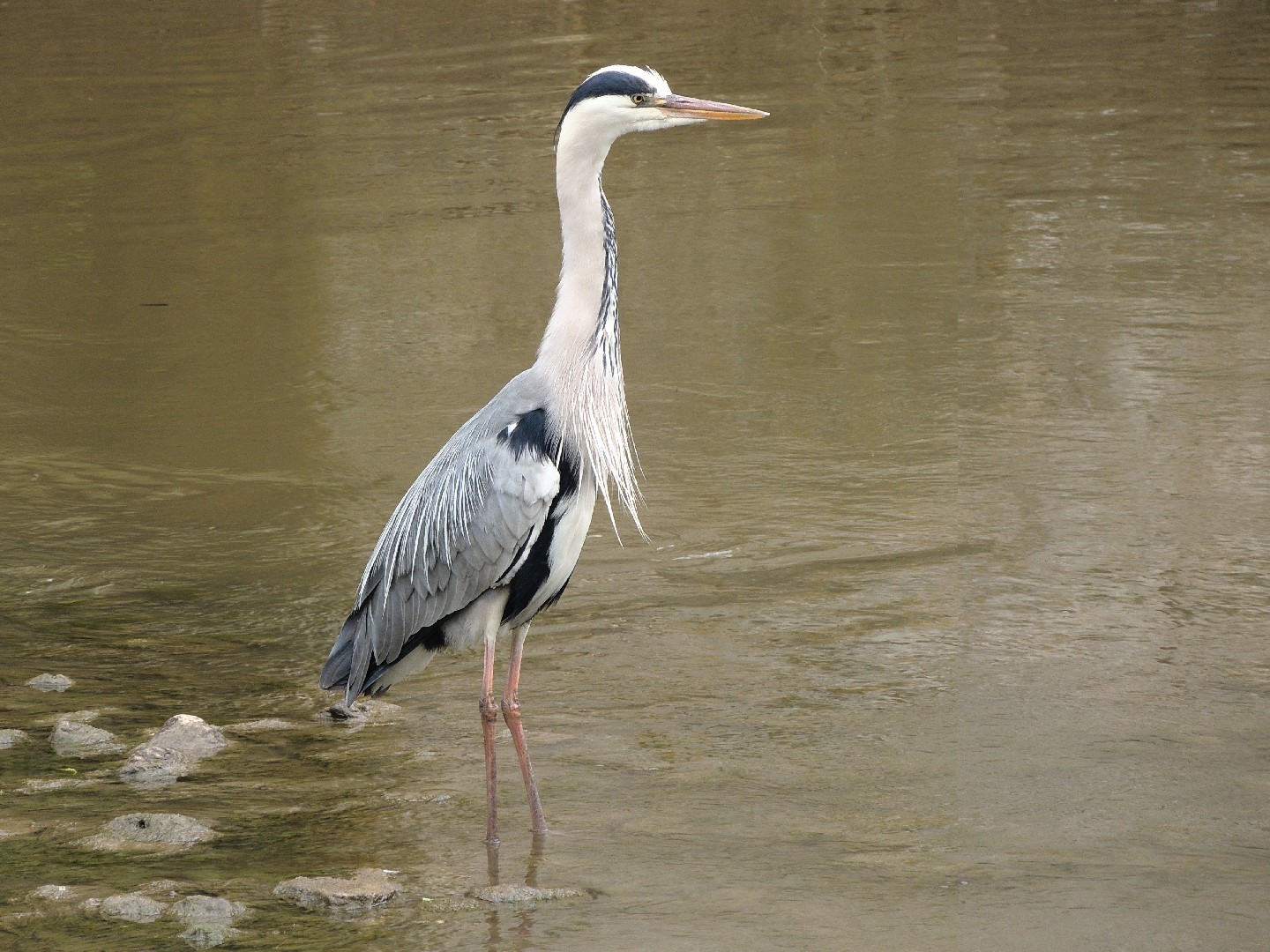
19. Grey Heron
The grey Heron is a very common species to come across in marine, brackish, and freshwater ecosystems; these habitats must have at least four months of warm weather or else these birds will migrate for new breeding grounds. The grey Heron hunts by wading through shallow waters looking for fish and various invertebrates; their natural diet helps control some aquatic species populations.
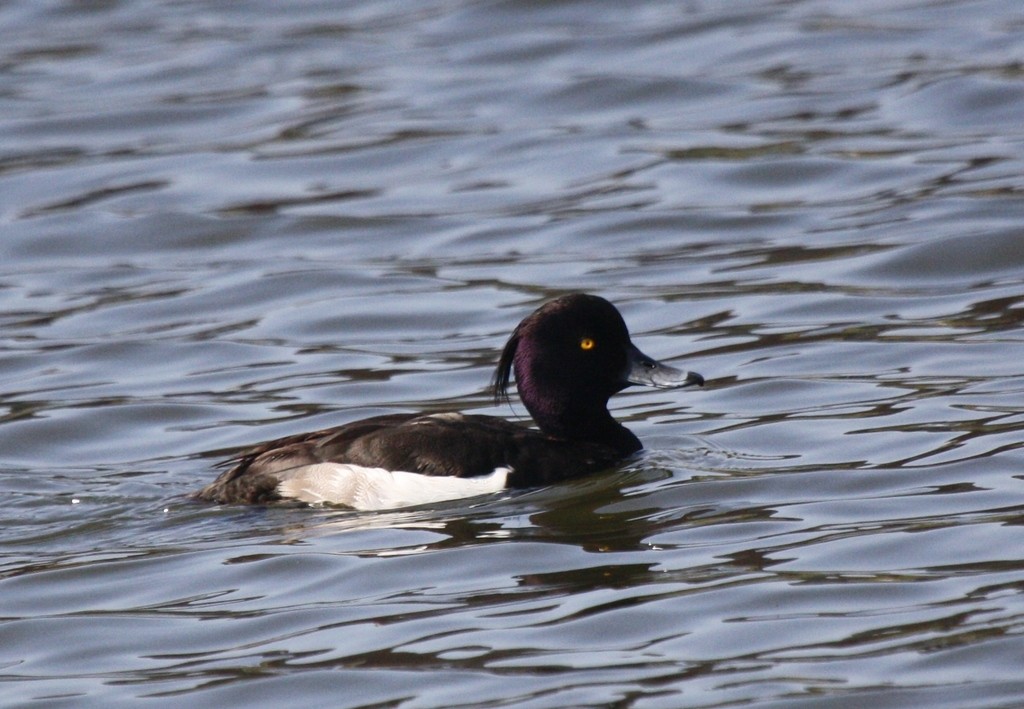
20. Tufted Duck
The tufted Duck’s distinctive plumage sets it apart from other species. During the warmer months, the duck is commonly found on lakes and marshes but moves to the sea in the winter. It typically forms flocks in the winter where it spends the day sleeping. The duck often dives into the water in search of aquatic plants and insects.