




Top 20 Most Common Bird in Syria
Nestled in the diverse ecosystems of Syria, 20 prevalent bird species contribute to its vibrant avifauna. The rich range of habitats, from deserts to Mediterranean forests, nurtures unique species with distinct behavioral patterns and appearances. Characterized by features like extraordinary migration routes and adaptability, these feathered residents offer a captivating glimpse into the region's natural heritage.

Most Common Bird
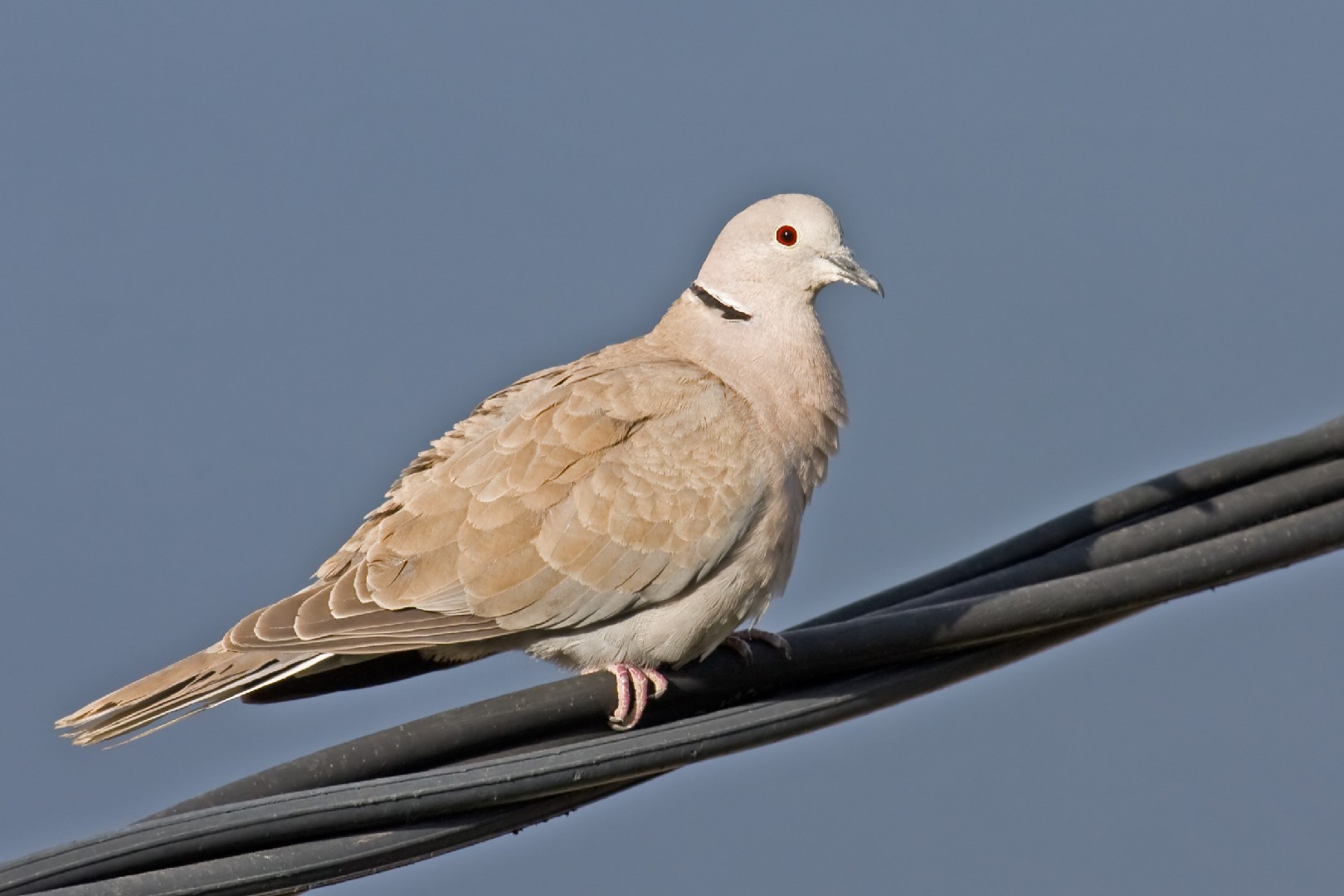
1. Eurasian Collared-dove
This plump, pretty dove with a square-tipped tail is known for bobbing its head and flicking its tail while walking. Though nice to look at, many people are not pleased at the sight of a eurasian Collared-dove walking along. In North America they are considered an invasive species, and one that carries a disease-creating parasite that can spread to native dove populations through birdbaths, feeders, or even through hawks preying on them.
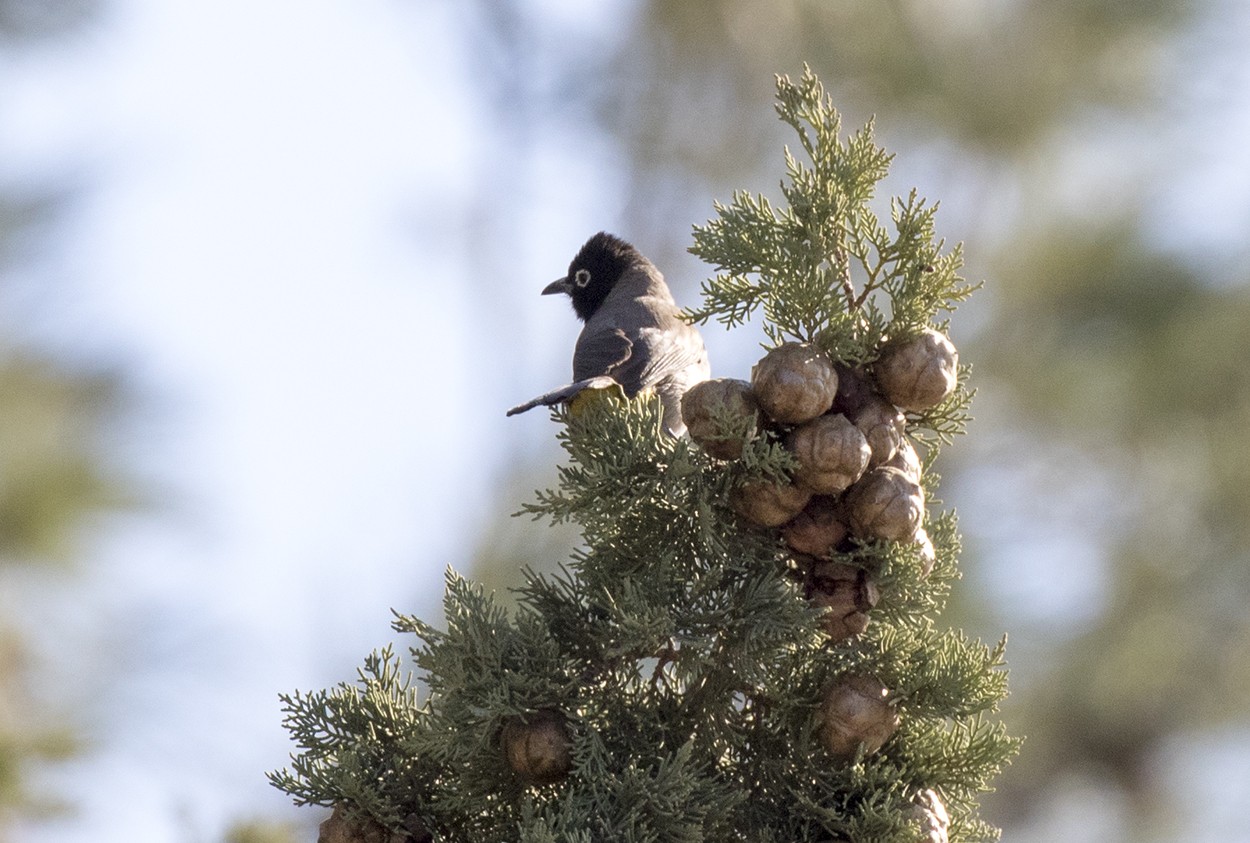
2. White-spectacled Bulbul
The white-spectacled bulbul (Pycnonotus xanthopygos) is a member of the bulbul family. It is 20–25 cm (7.9–9.8 in) in length with a wingspan of 20–25 cm (7.9–9.8 in). These birds live in fruit plantations, gardens, and cities. It is the most common member of the bulbul family in Israel and Lebanon. In Turkey, it is mainly found in the coastal Mediterranean region, but its range extends from Patara/Gelemiş near Kaş in the west to Türkoğlu in the east. Breeding populations are found from Central and Southern Turkey to Western Syria, Lebanon, Western Jordan, Israel, Sinai and western, central and southern Arabia. Both sexes are similar; juveniles have a browner hood and less obvious eye-rings than the adults. The nest – a small cup of thin twigs, grass stems, leaves and moss – is generally located in bushes and lined with hair, shredded bark and small roots. 
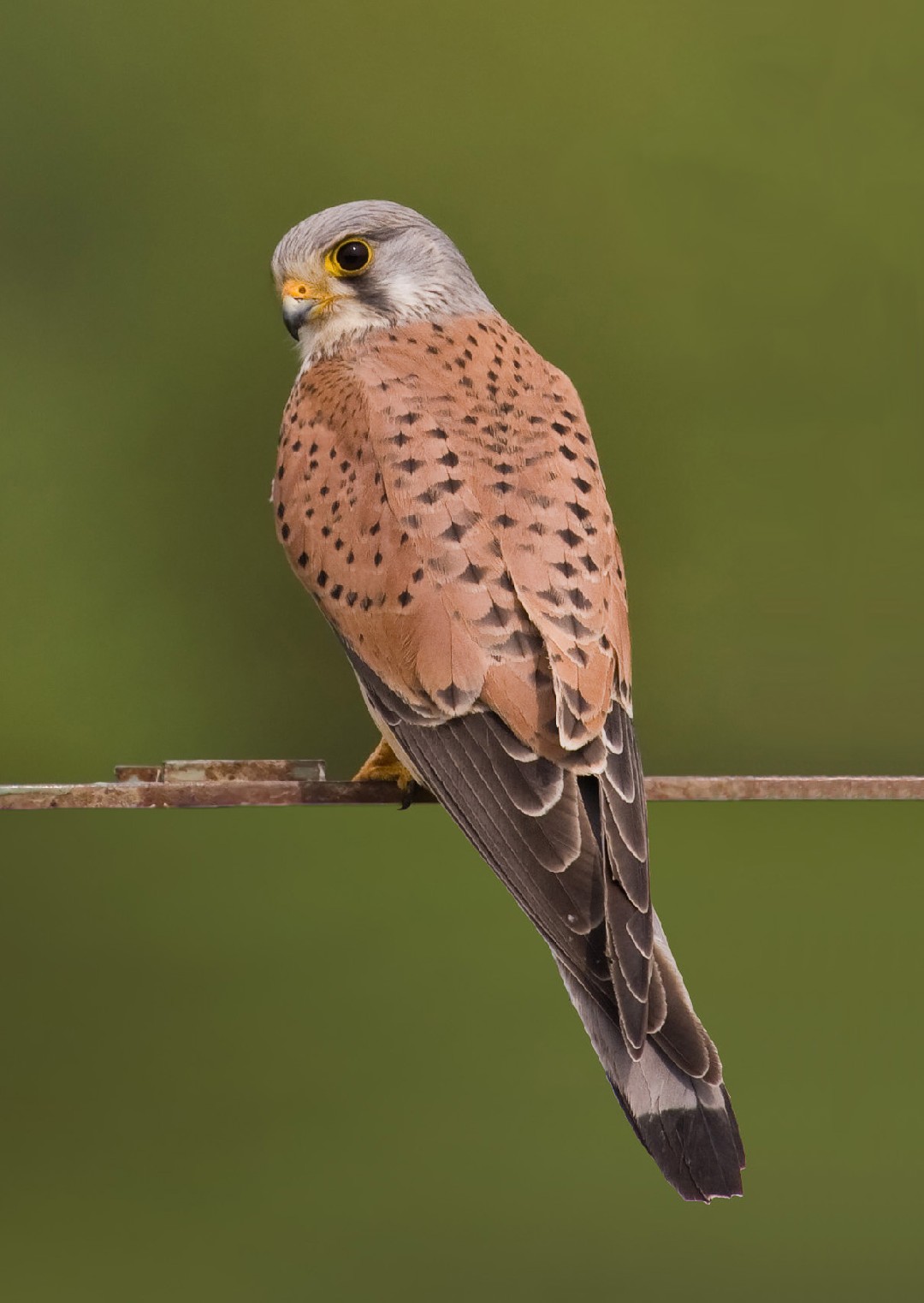
3. Common Kestrel
The common Kestrel is a small falcon found throughout much of Europe, Asia, and Africa. It feeds on small mammals, birds, and insects and is known for its ability to hover in the air to spot prey. It can be found in a variety of habitats. Some populations have declined due to habitat loss.
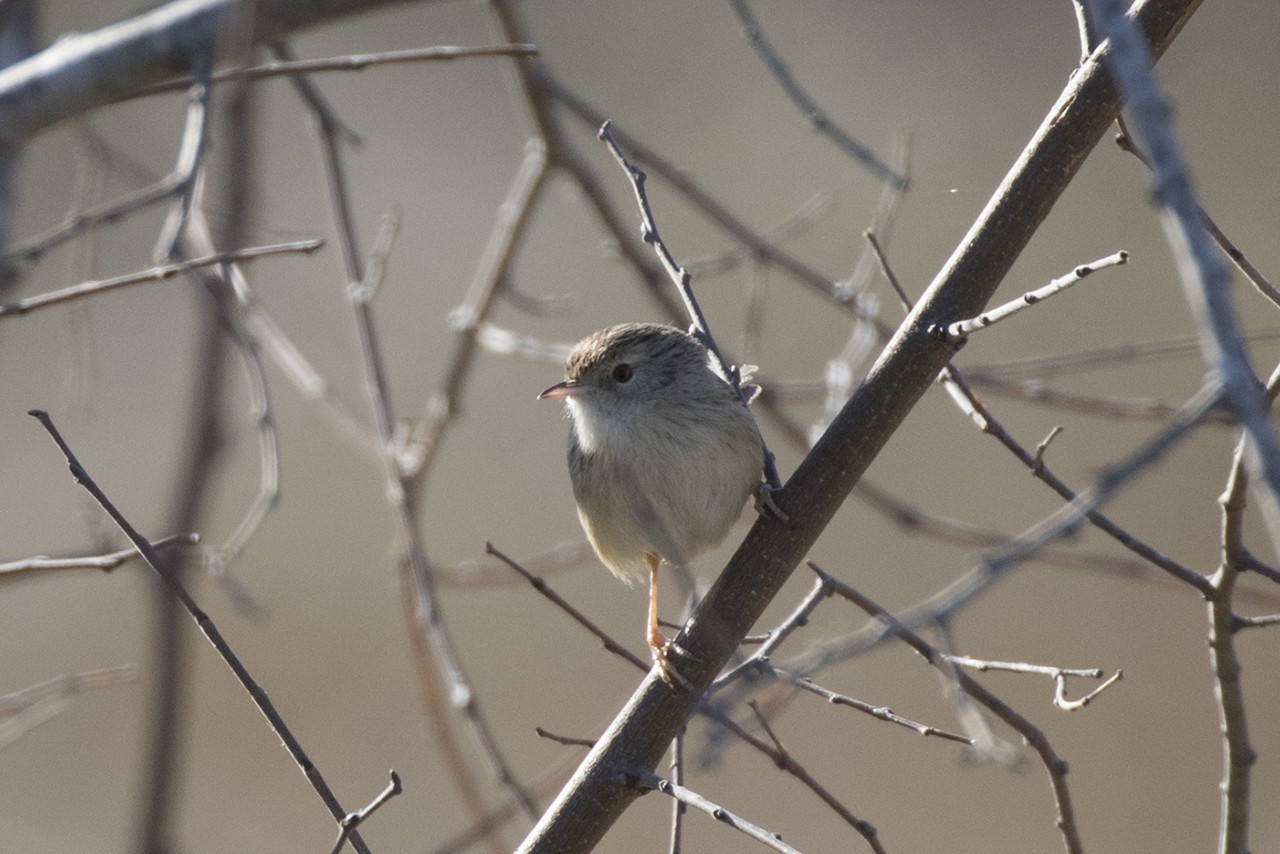
4. Graceful Prinia
The graceful prinia (Prinia gracilis) is a small warbler (in some older works it is referred to as graceful warbler). This prinia is a resident breeder in Northeast Africa (the Nile valley in particular) and southern Asia, from Egypt and Somalia east to Pakistan and North India, where it is sometimes called streaked wren-warbler. This active passerine bird is typically found in shrub or tall grass in a variety of habitats with thick undergrowth, tamarisks or similar cover. Graceful prinia builds its nest in a bush or grass and lays 3-5 eggs. These 10–11 cm long warblers have short rounded wings, and a long tapering tail with each feather tipped with black and white. In breeding plumage, adults are grey-brown above, with dark streaking. The underparts are whitish with buff flanks, and the bill is short and black. The sexes are similar. In winter, adults are brighter sandy brown above with weaker streaking, there is more buff on the sides, and the bill is paler. There are 12 subspecies, of which P. g. akyildizi, of southern Turkey is the darkest, brownest, and most heavily streaked above, and has the brightest buff flanks. The long tail is often cocked, and the flight of this species is weak. Like most warblers, graceful prinia is insectivorous. The call is a rolling trilled breep, and the song is a hard rolling repletion of zerlip.
5. Hooded Crow
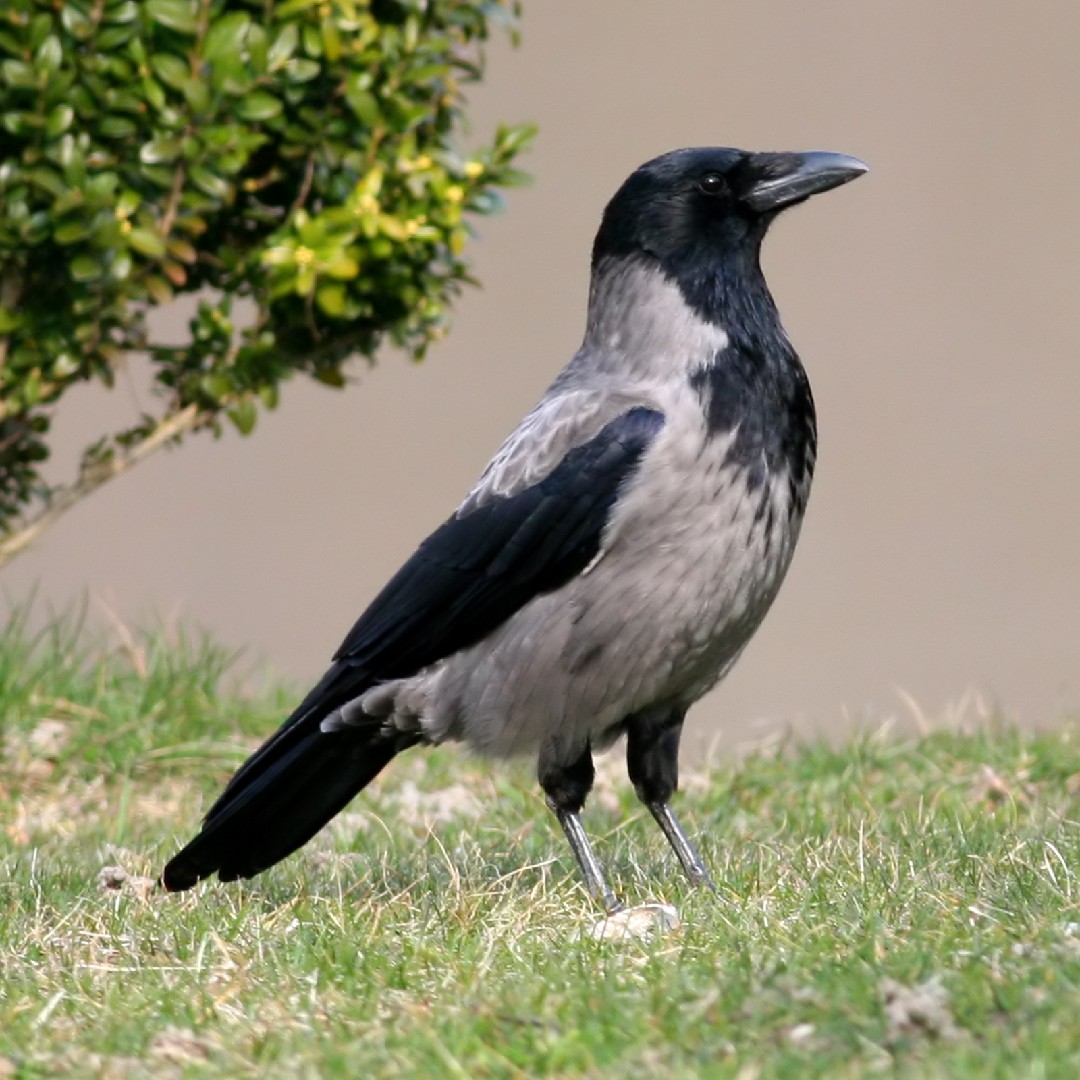
The hooded Crow is often mistaken for the carrion crow (Corvus corone) and has even been regarded as the same species; indeed, these two species may breed to create a hybrid. The hooded Crow is commonly found in woodlands, farmlands, and suburban areas. They can usually be seen in pairs or small groups, looking to find decaying meat, grain, and other protein.
6. White-throated Kingfisher
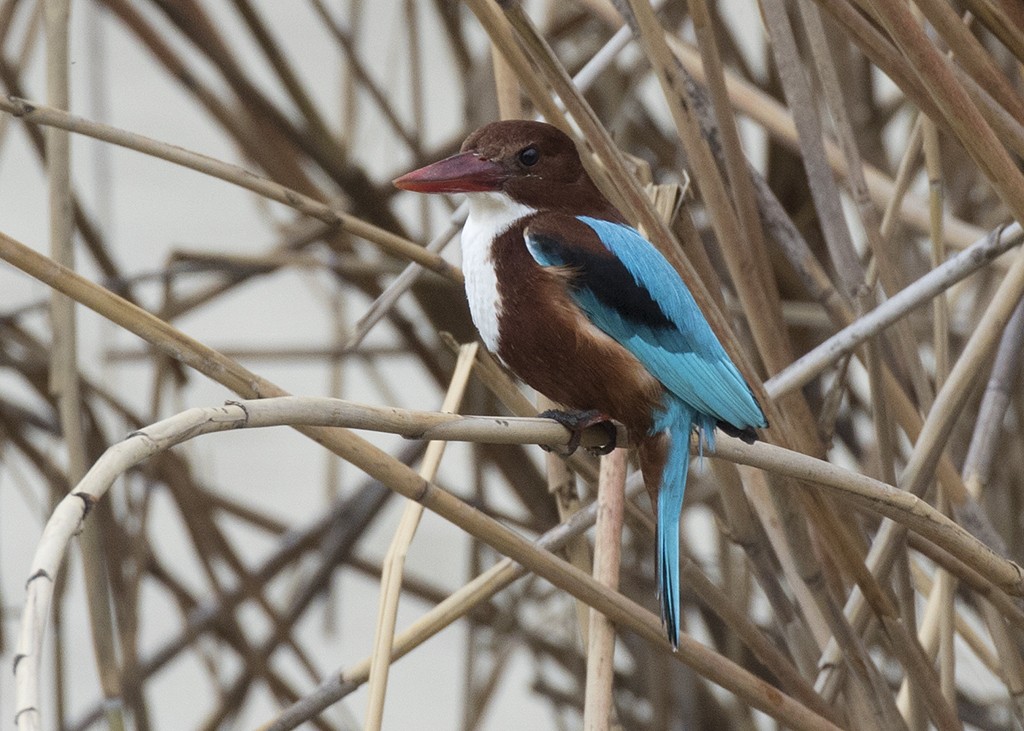
The white-throated Kingfisher is a brightly colored bird with a distinctive white throat and blue wings. It inhabits rivers, lakes, and coastal areas, and feeds on a variety of prey such as fish, frogs, and insects. The kingfisher is known for its bold, dive-bombing hunting style, diving from a perch to catch prey in the water. During the breeding season, the White-throated Kingfisher is known for its loud, cackling call. This species is widely distributed across Asia.
7. Spur-winged Lapwing
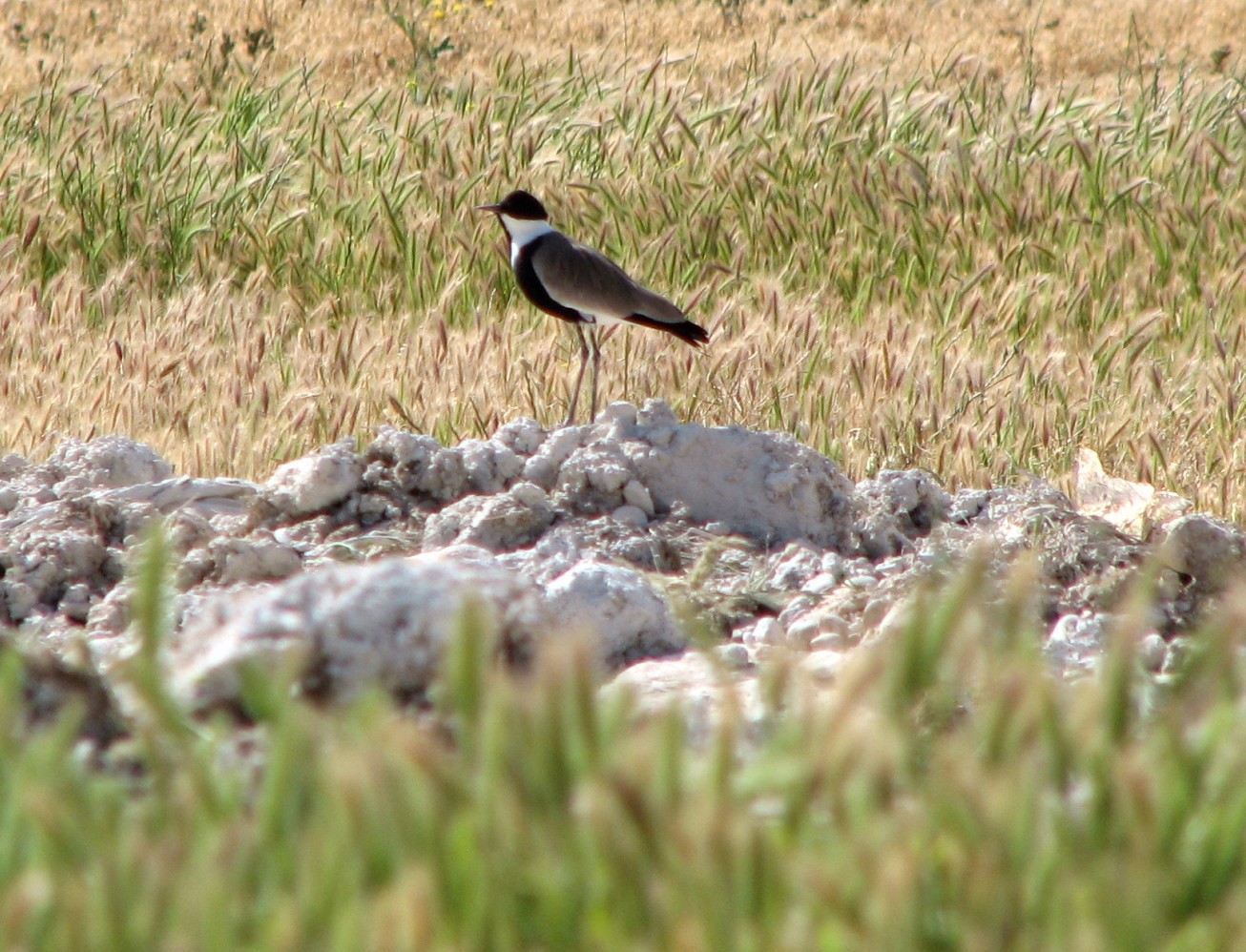
These are conspicuous and unmistakable birds. They are medium-large waders with black crown, chest, foreneck stripe and tail. The face, the rest of the neck and belly are white and the wings and back are light brown. The bill and legs are black. Its striking appearance is supplemented by its noisy nature, with a loud did-he-do-it call. The bird's common name refers to a small claw or spur hidden in each of its wings.
8. Mallard
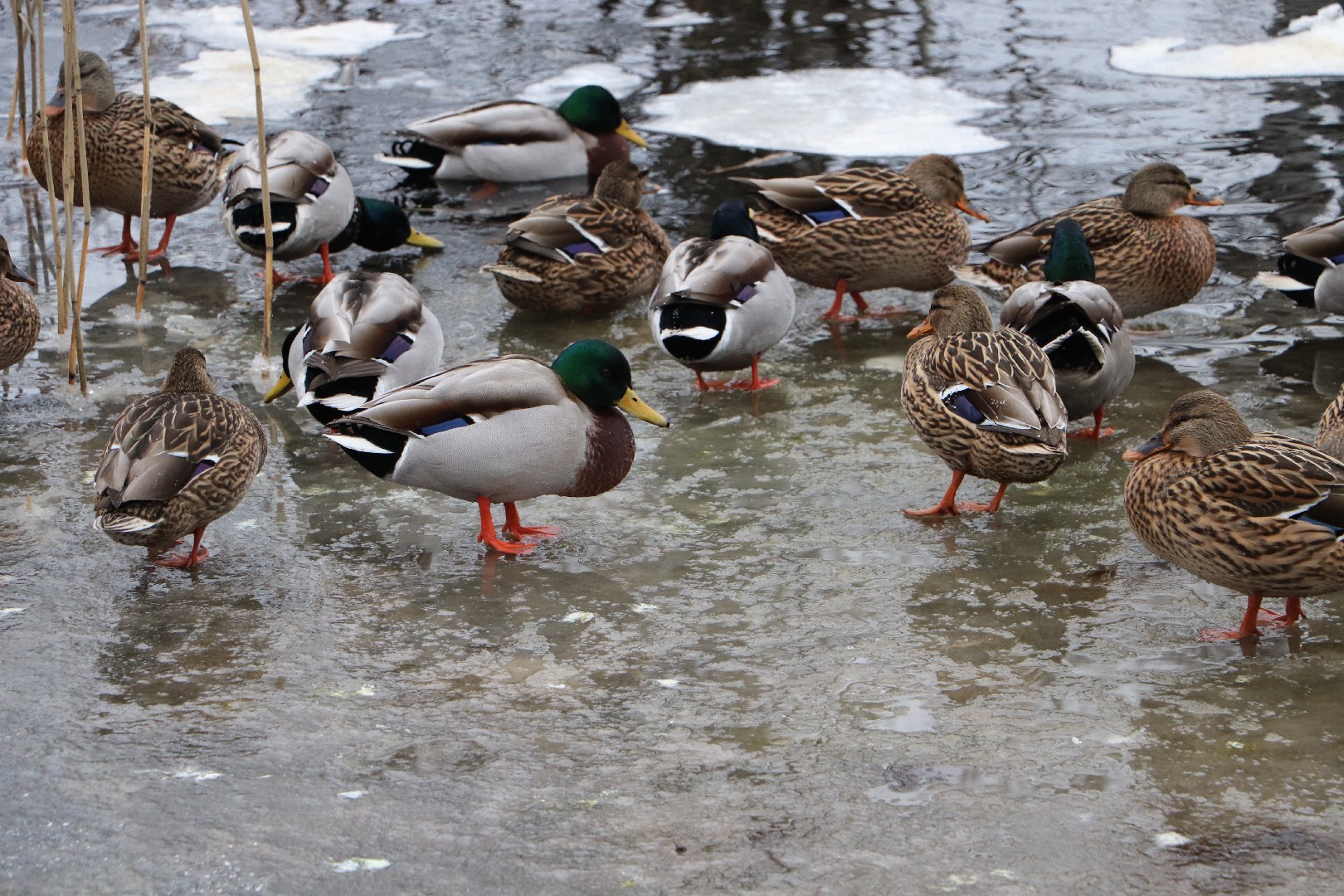
The mallard is the most abundant duck species in the world, and the ancestor of all domestic ducks. Only the female can produce the distinctive "quack" sound. When the female lays eggs, the male abandons its mate, while the protective mother stays with the ducklings for a long time. This migratory species inhabits shallow waters and it's one of the most popular game birds.
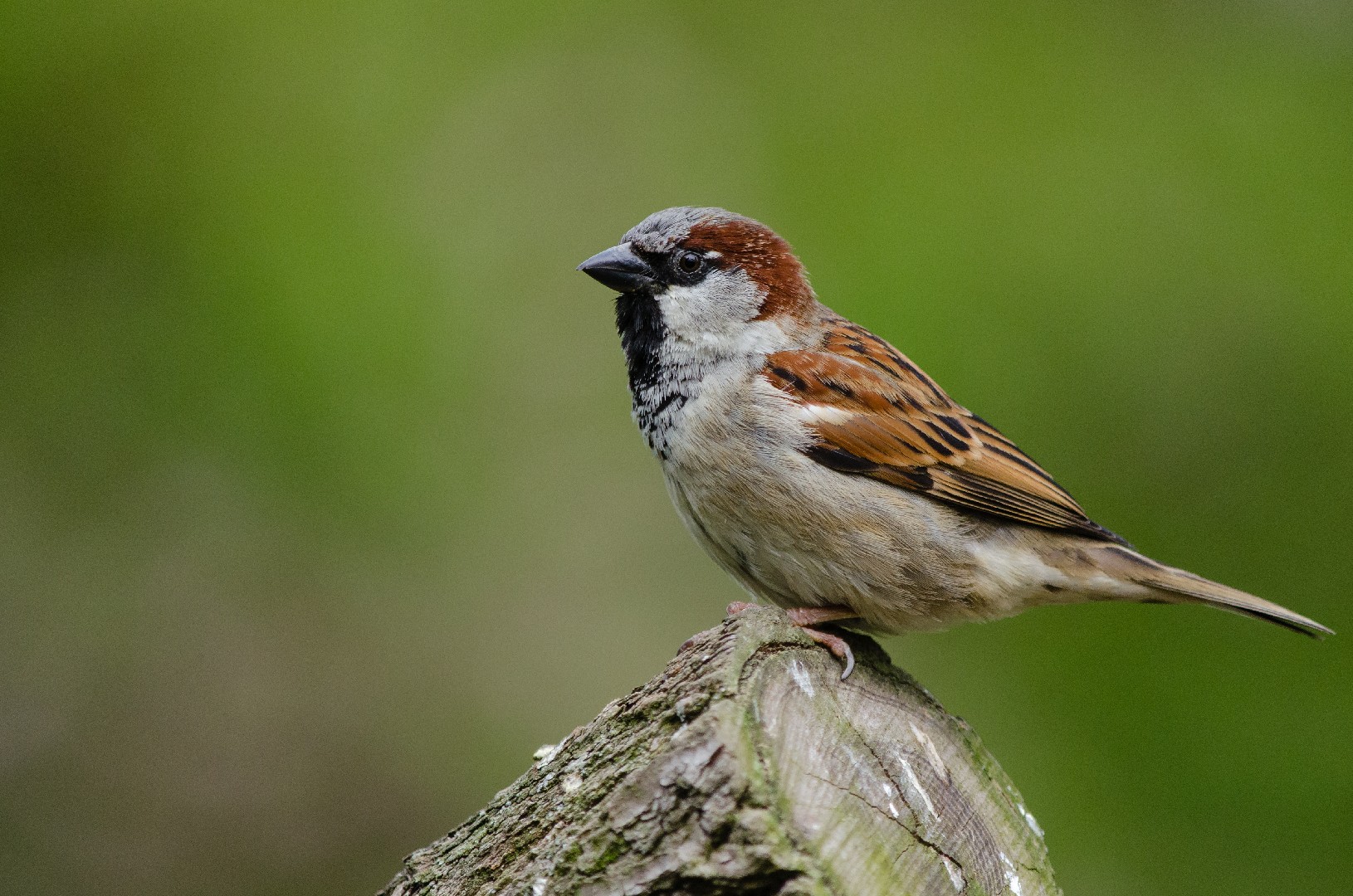
9. House Sparrow
Just as its name implies, the little house Sparrow socializes with humans more than any other bird species. Able to adapt and thrive in almost any habitat, excluding the extremes such as deserts and mountain peaks, this species was once restricted only to North Africa and Eurasia but now is found across the globe. Unfortunately, this opportunistic eater is not completely harmless—it can cause considerable damage to crops.
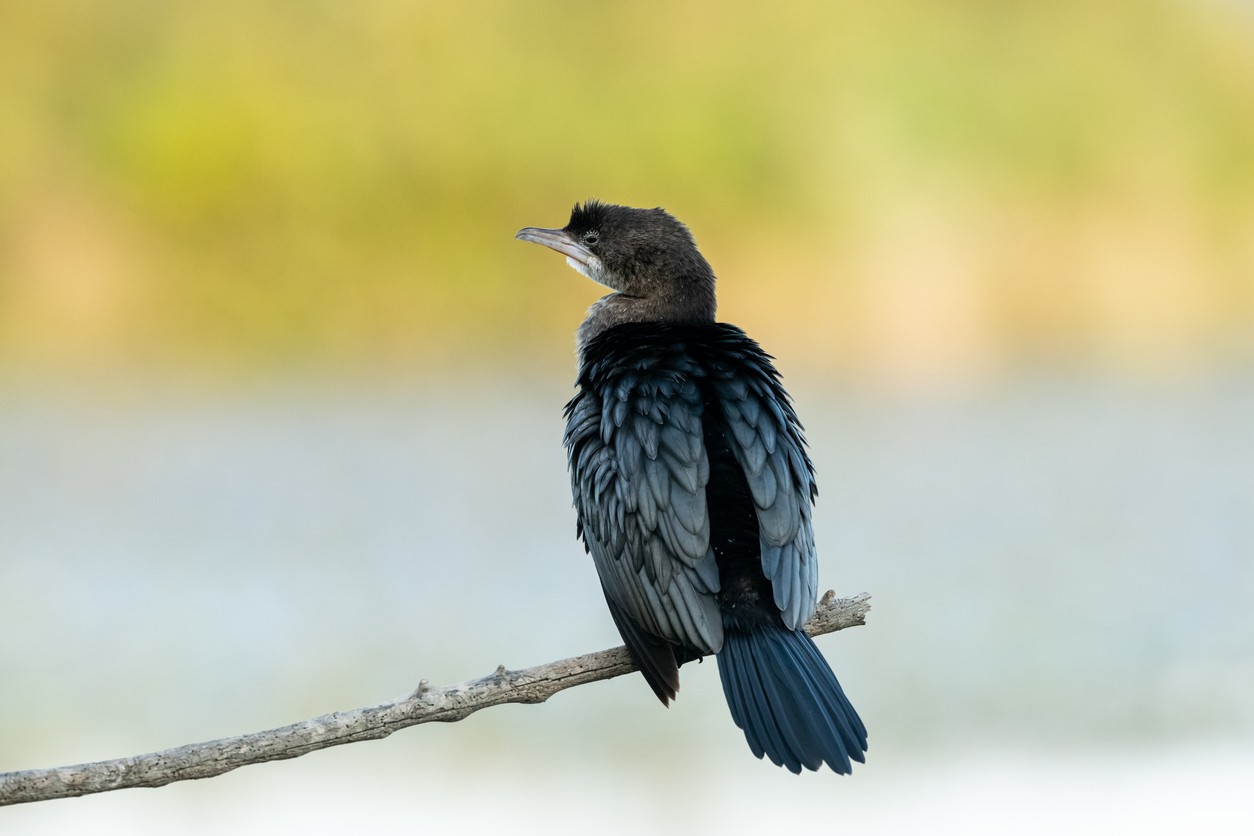
10. Pygmy Cormorant
The pygmy cormorant (Microcarbo pygmaeus) is a member of the Phalacrocoracidae (cormorant) family of seabirds. It breeds in south-eastern Europe and south-western Asia. It is partially migratory, with northern populations wintering further south, mostly within its breeding range. It is a rare migrant to western Europe.
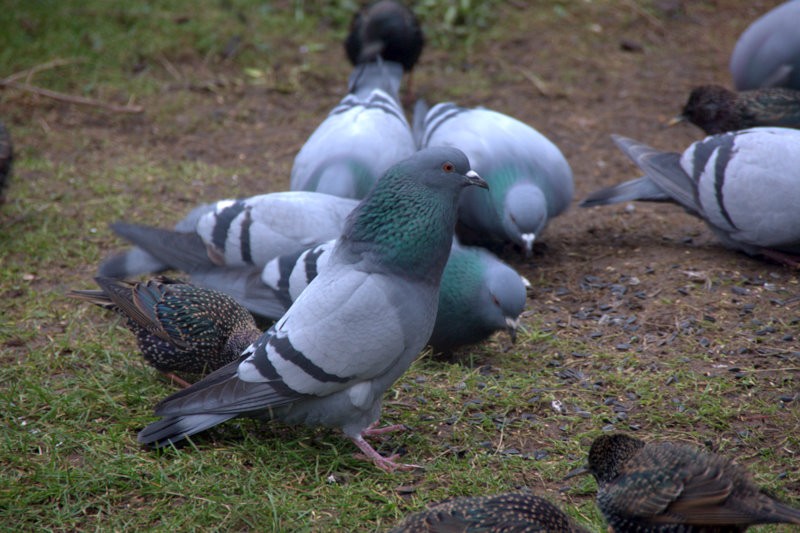
11. Rock Pigeon
The rock Pigeon is a wild ancestor of all domestic and feral pigeons, inhabiting coasts, cliffs, and caves. Pairs nest in rock crevices, often mating for life. They are known for their ability to fly very long distances to return to their homes, navigating using the sun's position and the earth's magnetic fields. Thanks to this ability, pigeons were used as messengers, particularly during World Wars I and II.
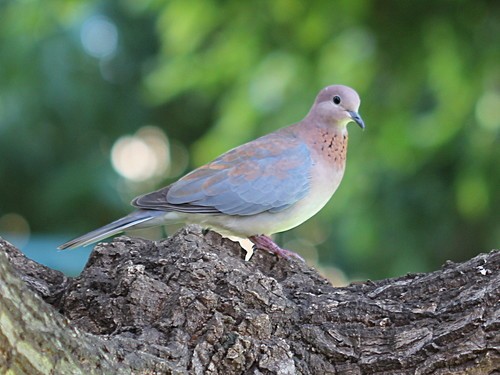
12. Laughing Dove
The laughing Dove is a small dove named after its distinctive laugh-like vocalization. This ground-feeding, non-migratory bird is a regular inhabitant of man-altered environments such as villages, gardens, and orchards. In cities, these doves tend to become quite confident. They pair for life and live in very small communities.

13. Barn Swallow
A familiar sight in rural and semi-open areas, the small barn Swallow can often be spotted by its distinctly graceful flight as it travels low over fields. Seemingly unbothered by having human neighbors, they nest unafraid in barns, garages, beneath bridges or wharves. Interestingly enough, they have come to prefer these locations so much that you are unlikely to spot a nest in a place that is not a human-made structure.
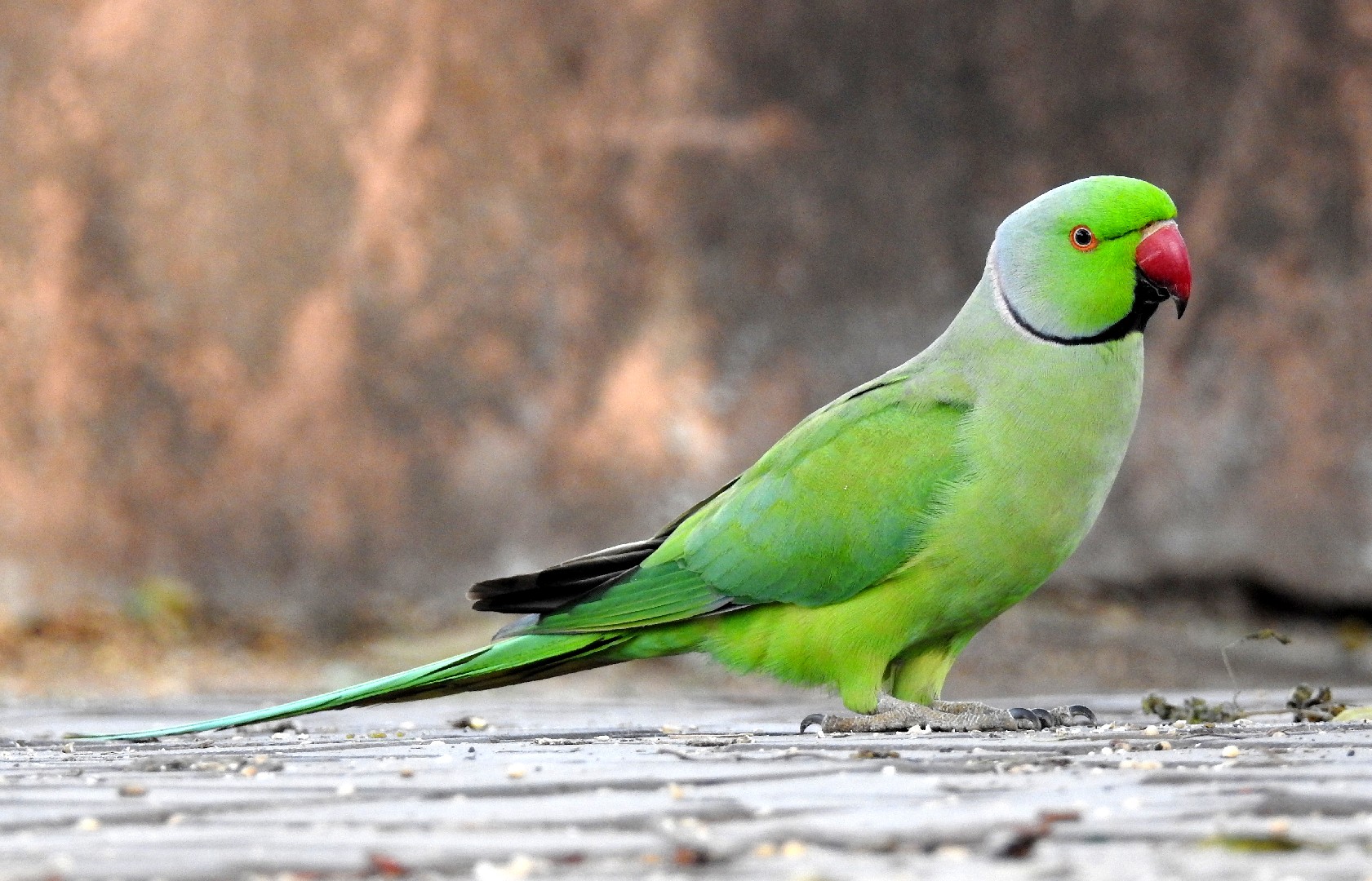
14. Rose-ringed Parakeet
The rose-ringed Parakeet is a very common sight in tropical climates and a variety of environments throughout the world. These colorful birds are popular as pets but can become a threatening invasive species to non-native ecosystems. They eat fruits, nuts, seeds, and grains, and can become serious pests to farmers. These birds are very vocal and very loud and come in several subspecies.
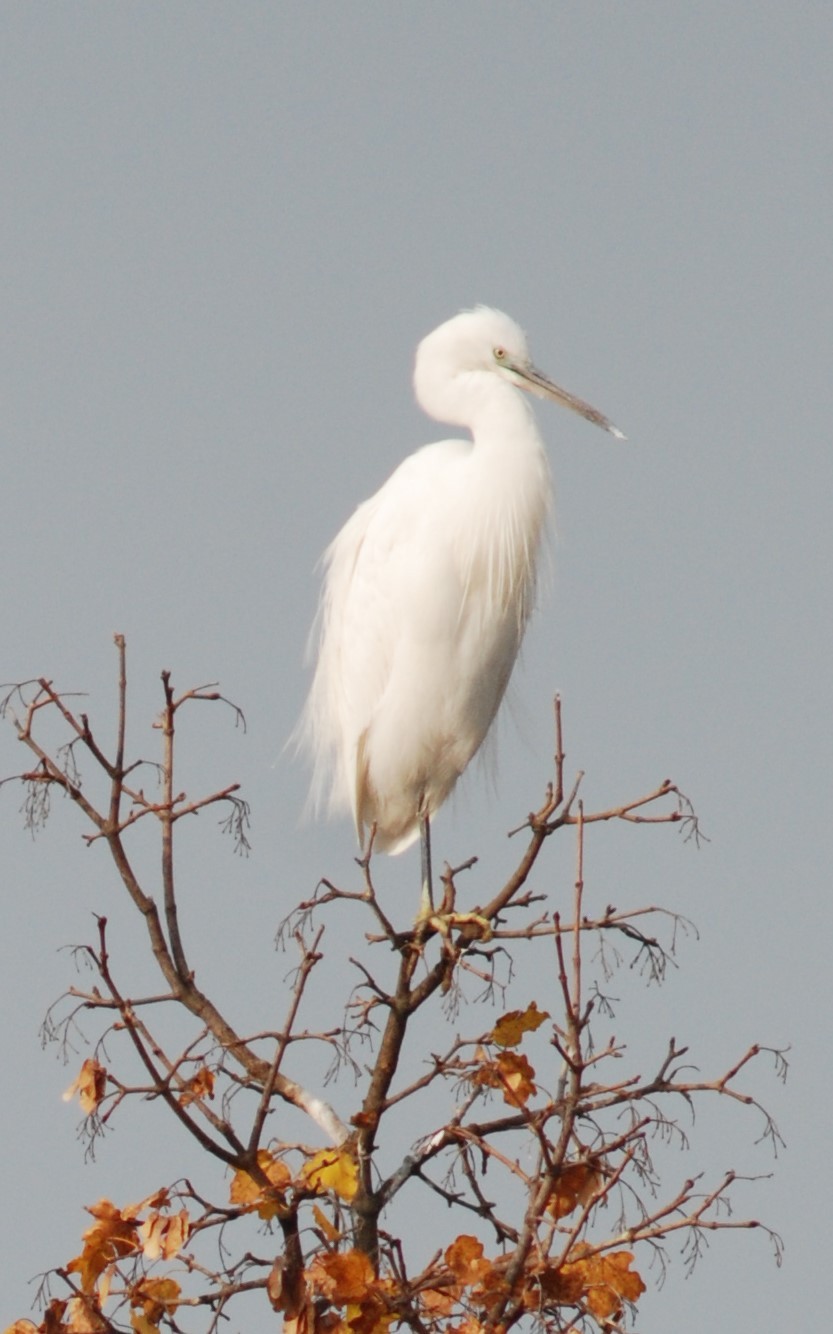
15. Little Egret
The small size of the little Egret makes the bird easily recognizable among larger species that share the same range. The egret is seen almost anywhere there are small fish including marshes, estuaries, and rivers. The bird often searches for food by itself but prefers to build nests in communities, occasionally with other bird species.

16. Black-winged Kite
This long-winged raptor is predominantly grey or white with black shoulder patches, wing tips and eye stripe. The long falcon-like wings extend beyond the tail when the bird is perched. In flight, the short and square tail is visible and it is not forked as in the typical kites of the genus Milvus. When perched, often on roadside wires, it often adjusts its wings and jerks its tail up and down as if to balance itself. The sexes are alike in plumage. Their large forward-facing eyes placed under a bony shelf that shades them is distinctive; their velvety plumage and zygodactyl feet are characters shared with owls and the genus has been considered as a basal group within the Accipitridae. They are thought to have been adapted for living in savanna habitats where seasonal rodent population peaks occur. Such food resources are also favoured by the owls. The inner vanes of the feathers have velvety barbules. They have a diploid chromosome number of 68 (some older studies claimed 64 for E.c.caeruleus and 66 for E.c.vociferus) with a distinct karyotype with resemblances to the kites and honey buzzards and suggesting a basal position within the diurnal birds of prey.
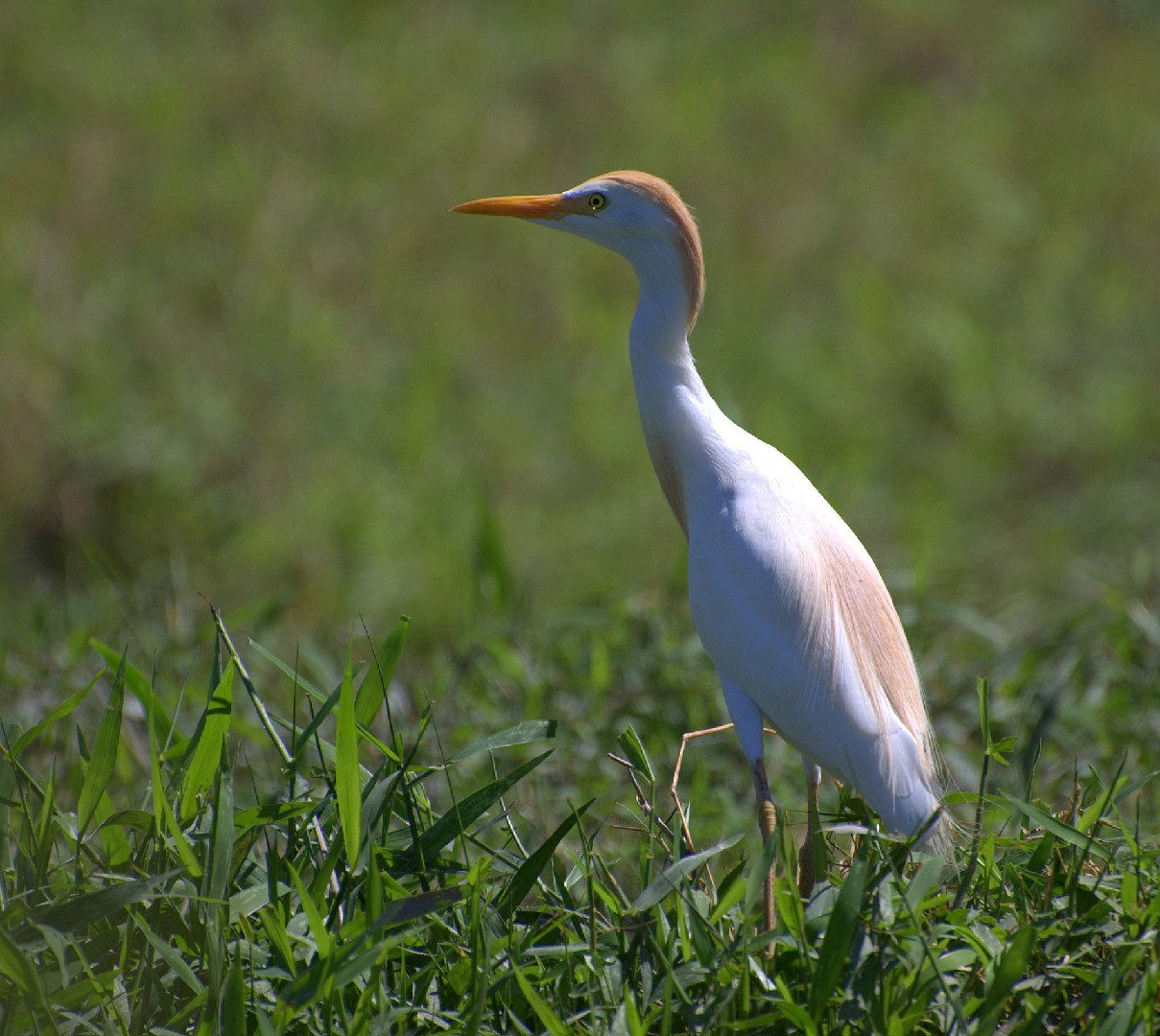
17. Cattle Egret
Cattle Egrets are short, thick-necked egrets. Their name refers to their preference to follow along with livestock as they forage in fields. Cattle Egrets were native only to Africa until the late 1800s when they somehow made their way throughout the Americas. They can often be found along airport runways waiting for planes to take off and blow insects out of the grass and weeds. They also follow behind farm equipment and do the same thing.
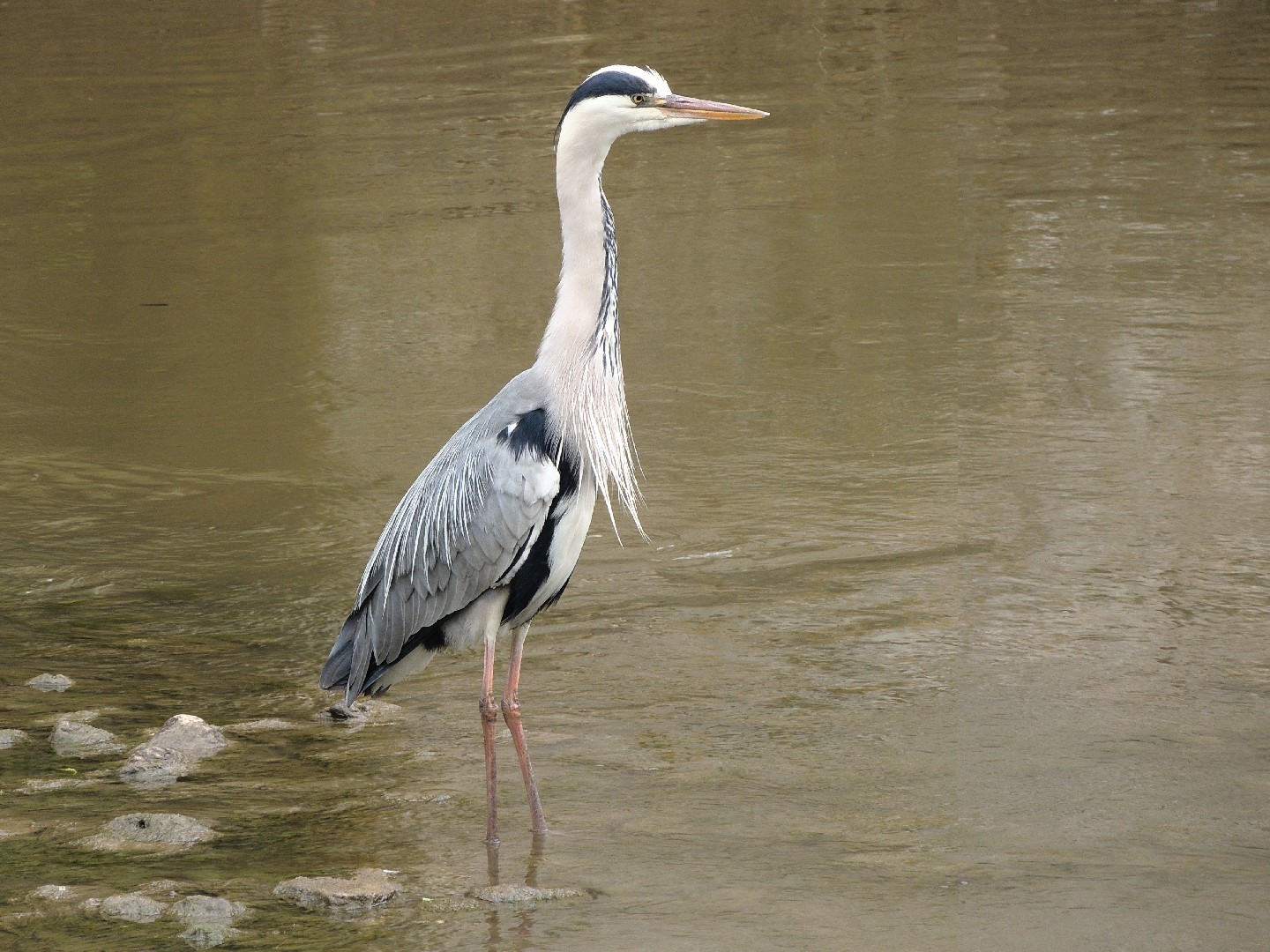
18. Grey Heron
The grey Heron is a very common species to come across in marine, brackish, and freshwater ecosystems; these habitats must have at least four months of warm weather or else these birds will migrate for new breeding grounds. The grey Heron hunts by wading through shallow waters looking for fish and various invertebrates; their natural diet helps control some aquatic species populations.
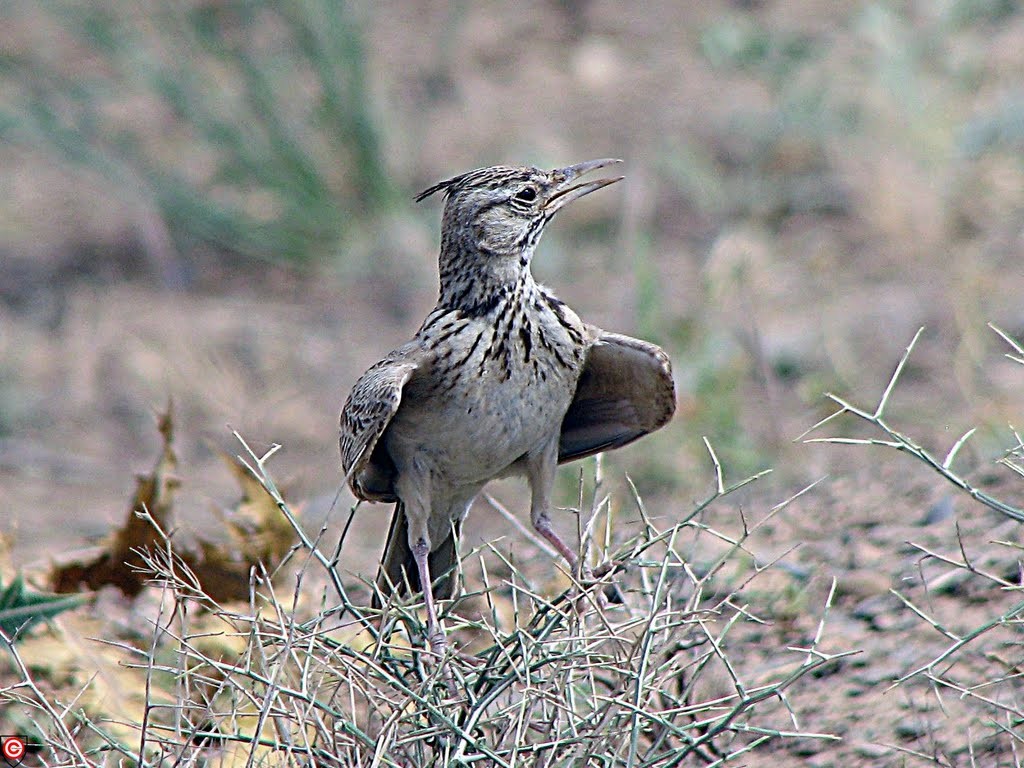
19. Crested Lark
A fairly small lark, the crested lark is roughly the same size as a Eurasian skylark, but shorter overall and bulkier around the head and body, and very similar in appearance, with a height of 17 cm (6.7 in) and a wingspan of 29 to 38 cm (11 to 15 in), weighing between 37 and 55 g (1.3 and 1.9 oz). It is a small, brown bird which has a short tail with light brown outer feathers. Male and females have no real differences, but young crested larks have more spots on their back than their older counterparts. Its plumage is downy but sparse and appears whitish. The distinct crest from which the crested lark gets its name is conspicuous at all times but is more pronounced during territorial or courtship displays and when singing. In flight it shows reddish underwings. It shares many characteristics with the Thekla lark, with the main distinctions between the two being the beak, the Thekla's heavier black-brown streaks and its grey underwing, present in European specimens.
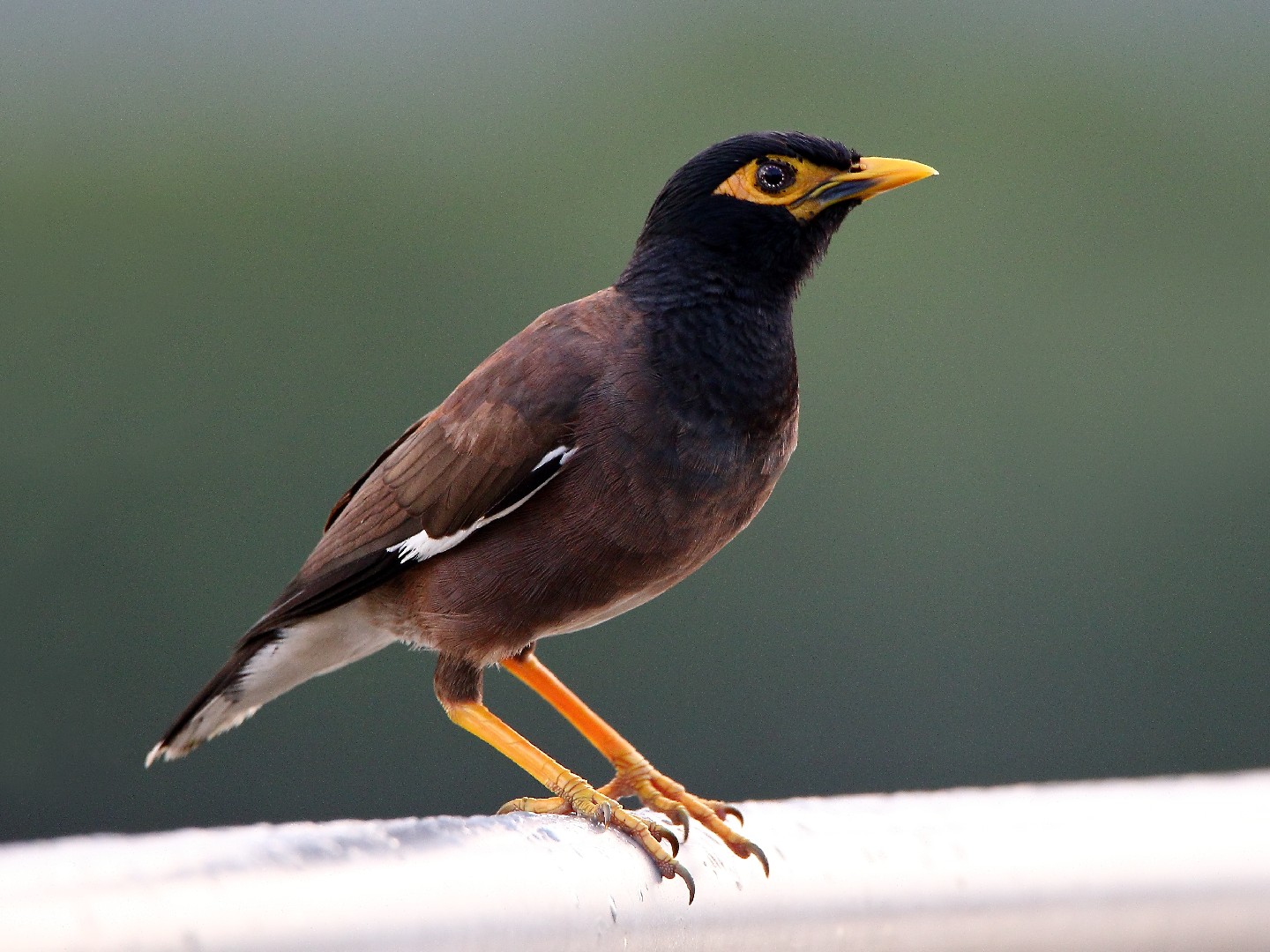
20. Common Myna
The common Myna is a large, stocky starling that prefers to live near humans in towns and suburban areas. It forages among tall grasses for grasshoppers; in fact, its scientific name, Acridotheres tristis, means "grasshopper hunter." The common Myna likes to maintain two roosts at the same time - both a temporary summer roost near the breeding site as well as a year-round roost where the female can sit and brood.