




Top 20 Most Common Bird in Dushanbe
Nestled amidst glacial lakes and breathtaking mountains, Dushanbe provides a unique habitat welcoming diverse avian life. Inhabitants range from 'The Regal Cinereous Vulture', an imposing scavenger, to the vibrant 'Common Kingfisher', skilled in plunging dives for fish. These 20 common birds, each with individual behaviors and adaptations, bring a charming variety to Dushanbe's ecosystem.

Most Common Bird
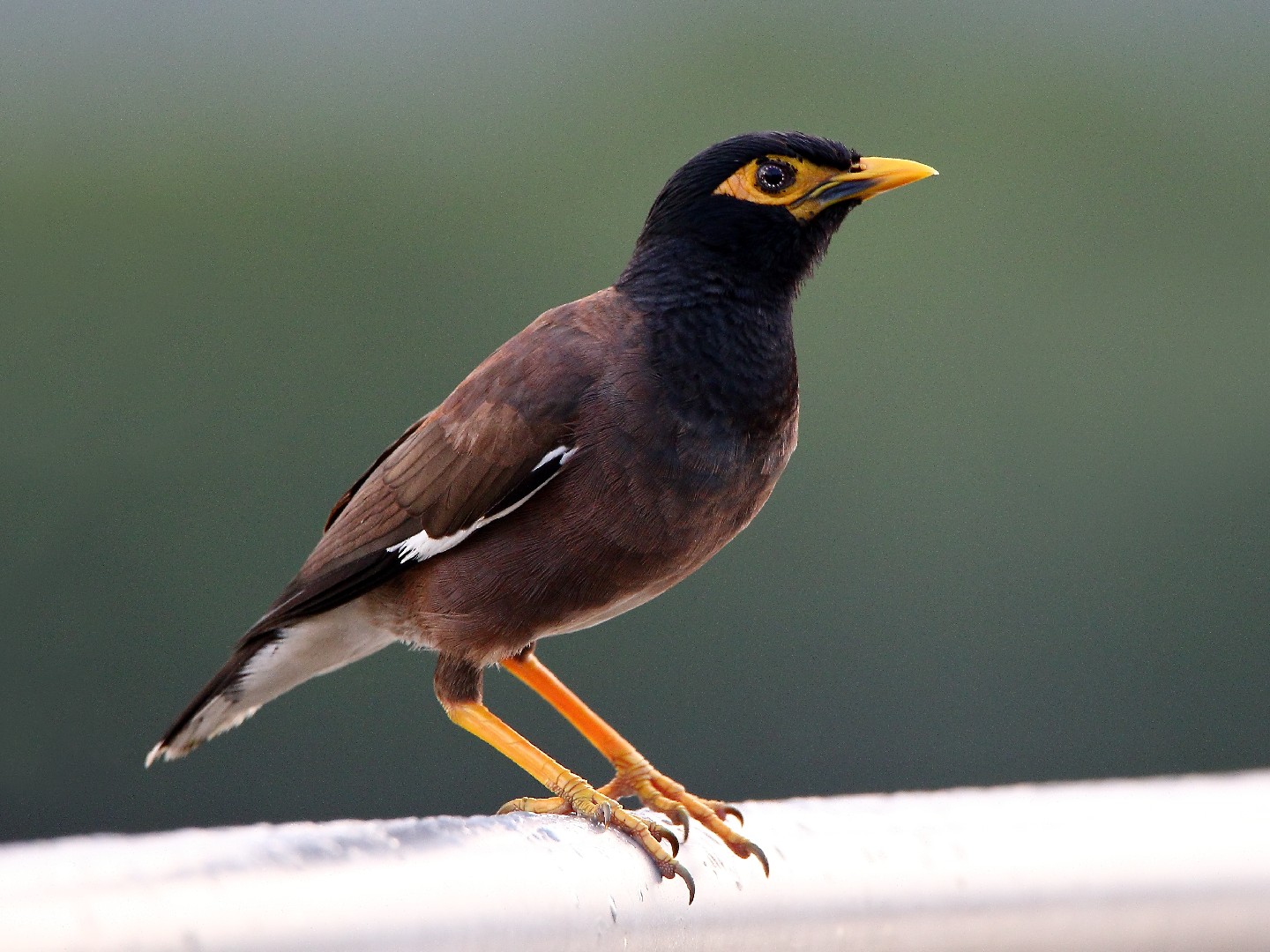
1. Common Myna
The common Myna is a large, stocky starling that prefers to live near humans in towns and suburban areas. It forages among tall grasses for grasshoppers; in fact, its scientific name, Acridotheres tristis, means "grasshopper hunter." The common Myna likes to maintain two roosts at the same time - both a temporary summer roost near the breeding site as well as a year-round roost where the female can sit and brood.
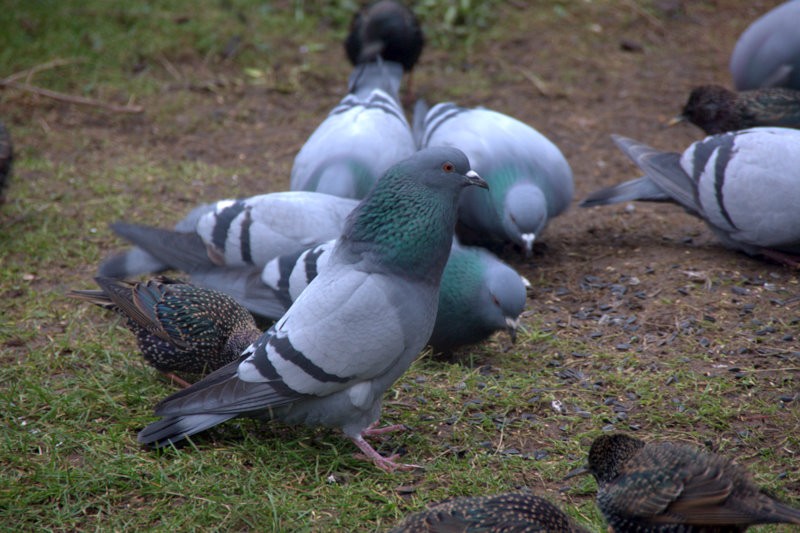
2. Rock Pigeon
The rock Pigeon is a wild ancestor of all domestic and feral pigeons, inhabiting coasts, cliffs, and caves. Pairs nest in rock crevices, often mating for life. They are known for their ability to fly very long distances to return to their homes, navigating using the sun's position and the earth's magnetic fields. Thanks to this ability, pigeons were used as messengers, particularly during World Wars I and II.
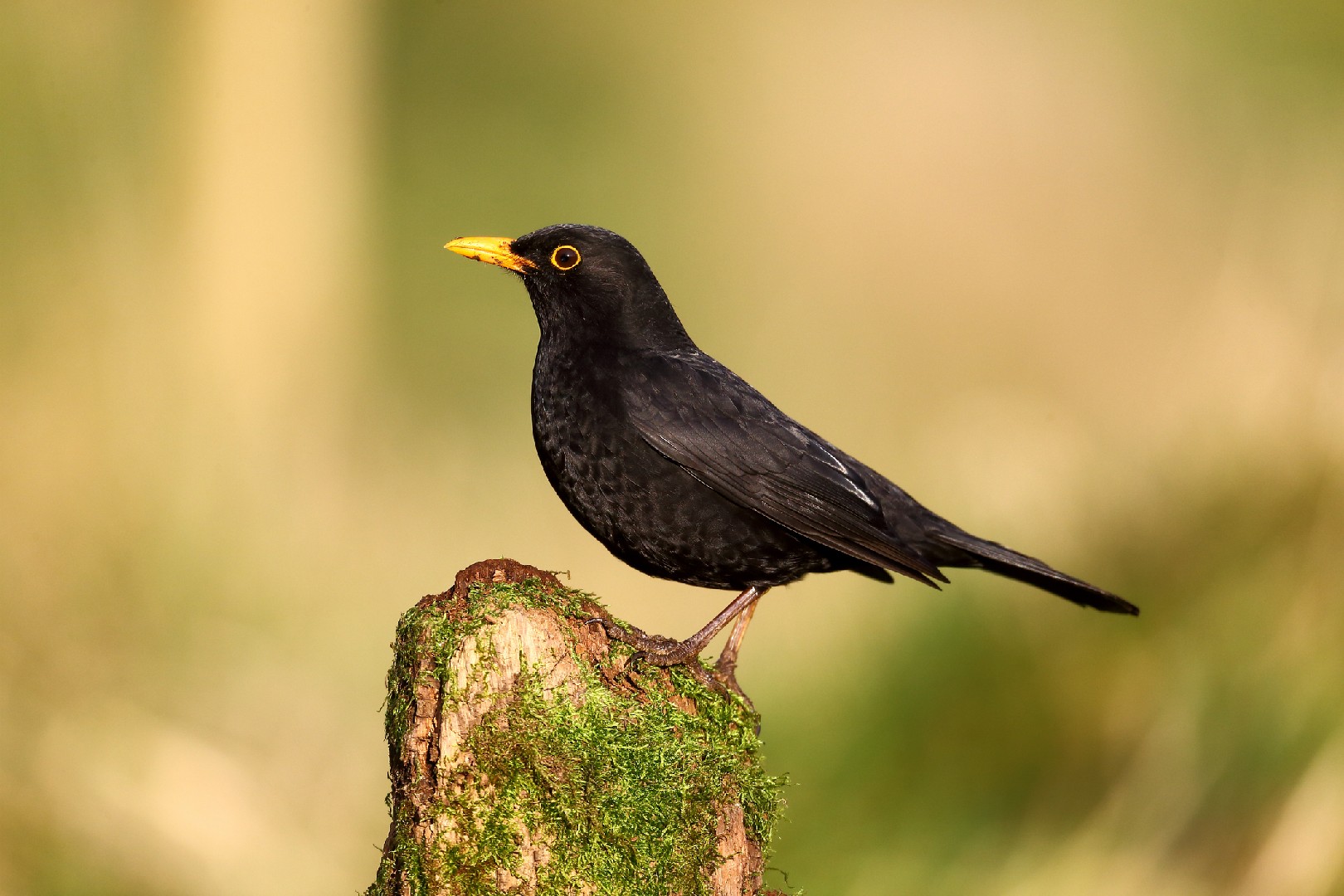
3. Eurasian Blackbird
Unafraid of humans, the dark-winged eurasian Blackbird has gained a great deal of cultural significance, mentioned in popular nursery rhymes and songs across the world. Elegant and with an appealing song, they can be aggressive when they are in their breeding period.
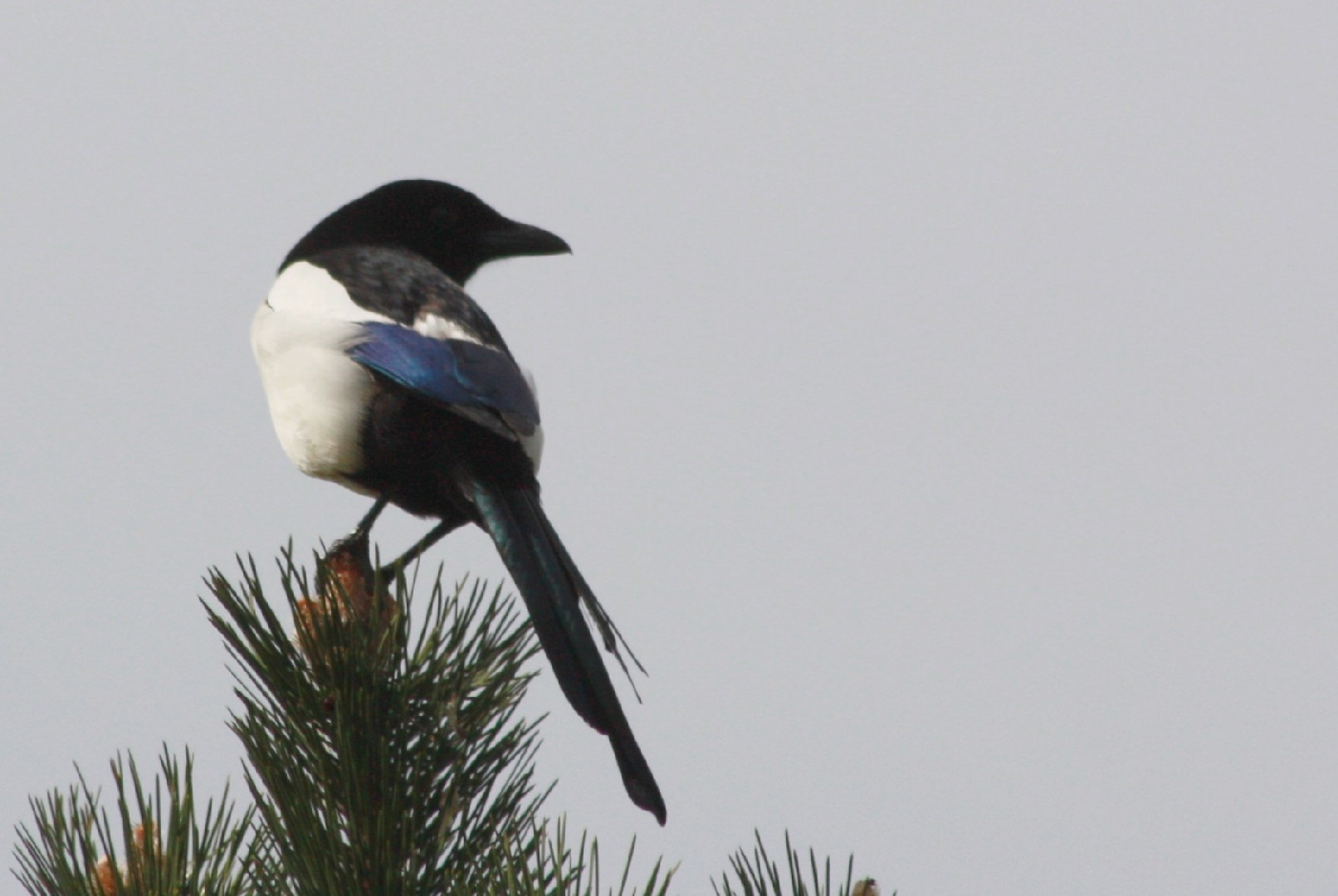
4. Eurasian Magpie
The eurasian Magpie is a striking and intelligent bird known for its black and white plumage and long tail. It is highly adaptable, found in a variety of habitats, and known for its intelligence, similar to that of great apes. It is omnivorous, eating both insects and fruits, and it has a reputation for being mischievous and thieving. 
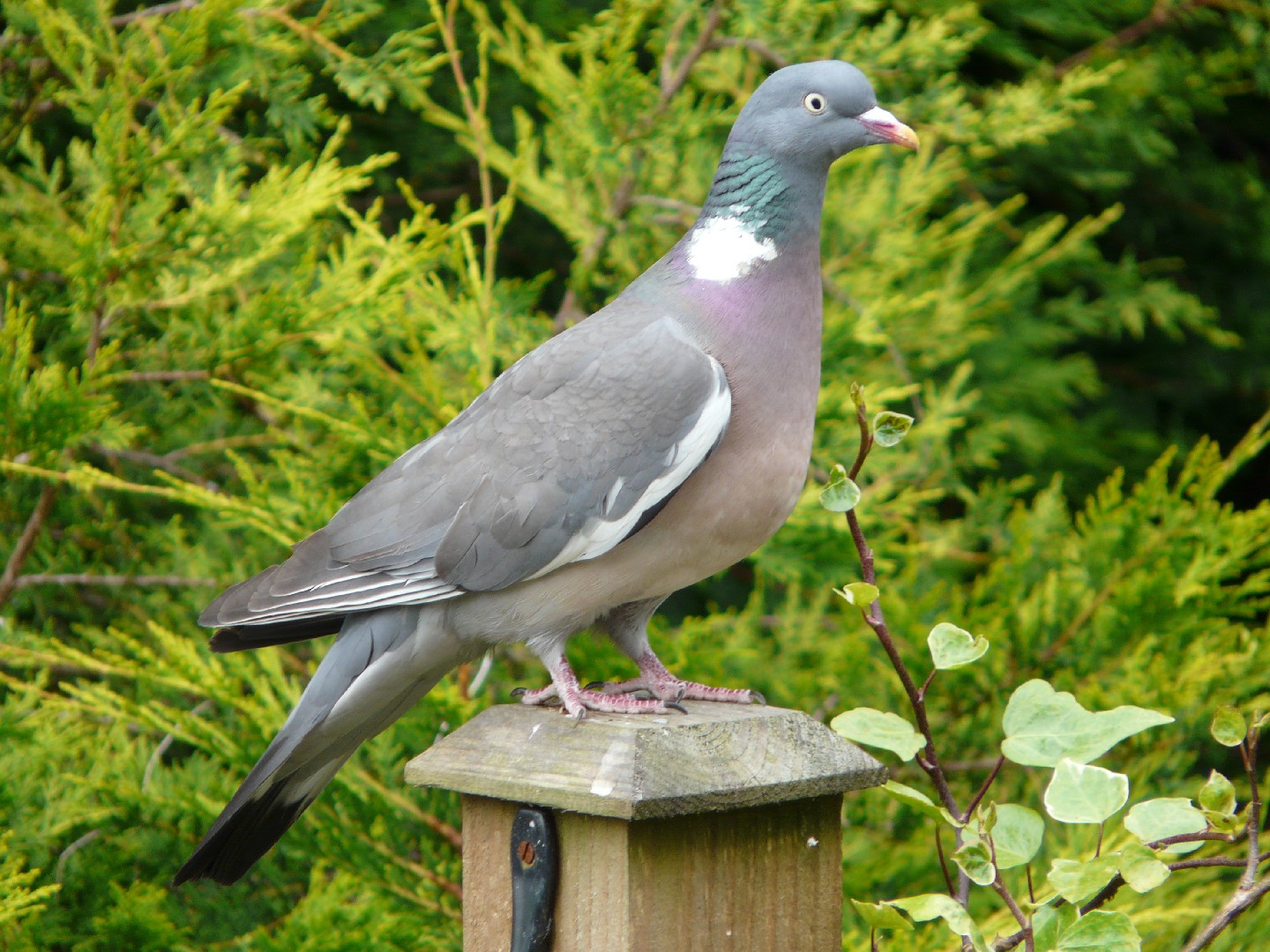
5. Common Wood Pigeon
Although primarily found in woods, the common Wood Pigeon is a large and bulky pigeon that is often seen in towns and cities. Those who inhabit urban areas are quite tame, approachable, and comfortable around humans. This pigeon is a popular game bird, particularly during its migration journeys. Its distinctive call can be heard year-round, particularly at dawn. This ground-dwelling bird gathers in large flocks that feed together.
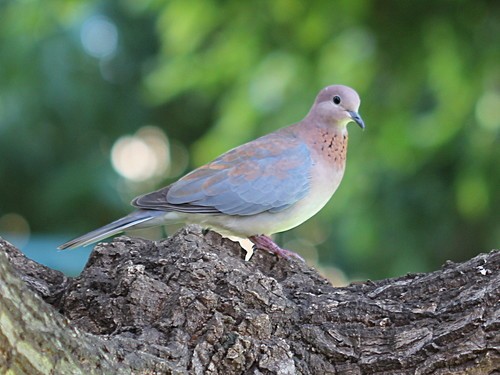
6. Laughing Dove
The laughing Dove is a small dove named after its distinctive laugh-like vocalization. This ground-feeding, non-migratory bird is a regular inhabitant of man-altered environments such as villages, gardens, and orchards. In cities, these doves tend to become quite confident. They pair for life and live in very small communities.
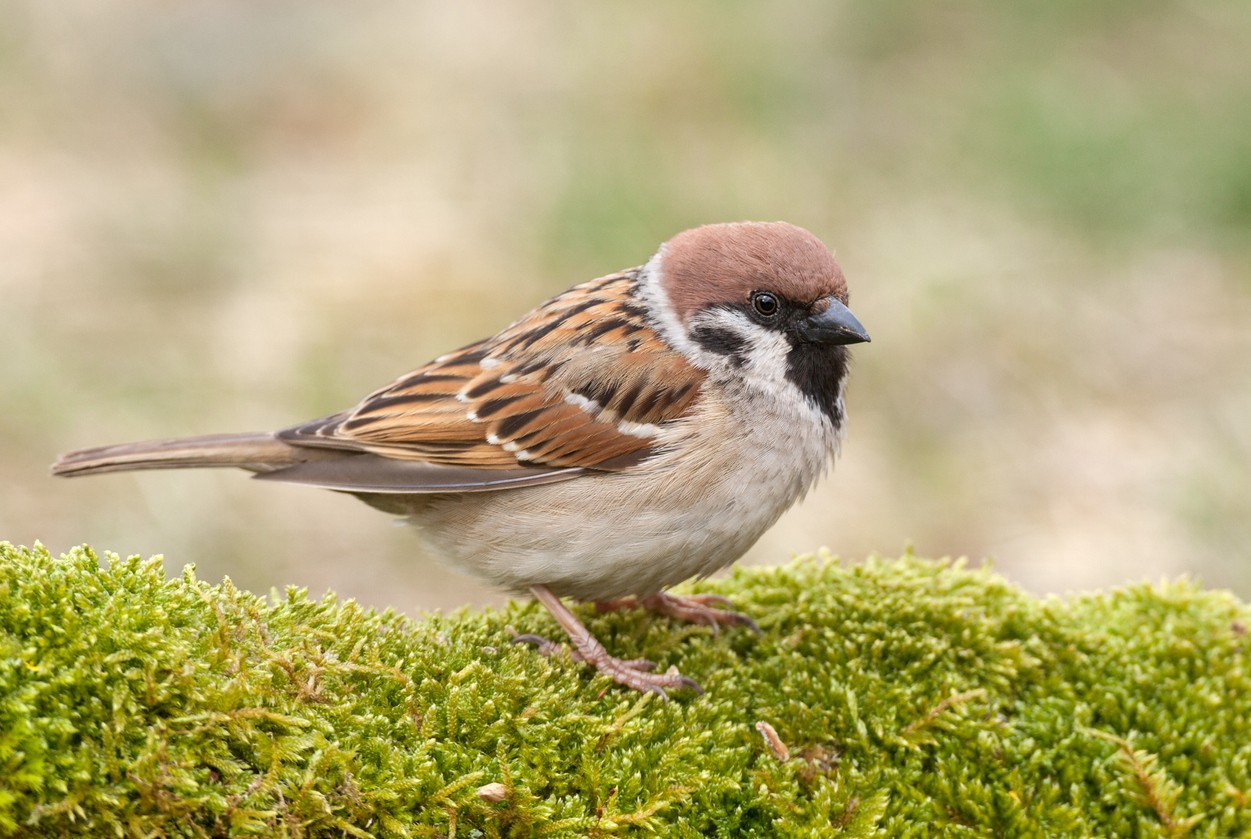
7. Eurasian Tree Sparrow
The eurasian Tree Sparrow (Passer montanus) is a widespread sparrow of the European mainland that has been introduced to some parts of North America. Eurasian Tree Sparrow is very similar to the House sparrow (Passer domesticus) but it's smaller and neater. It prefers more natural habitats, at the edges of human activity, and inhabits farmlands, parklands, and open woods.
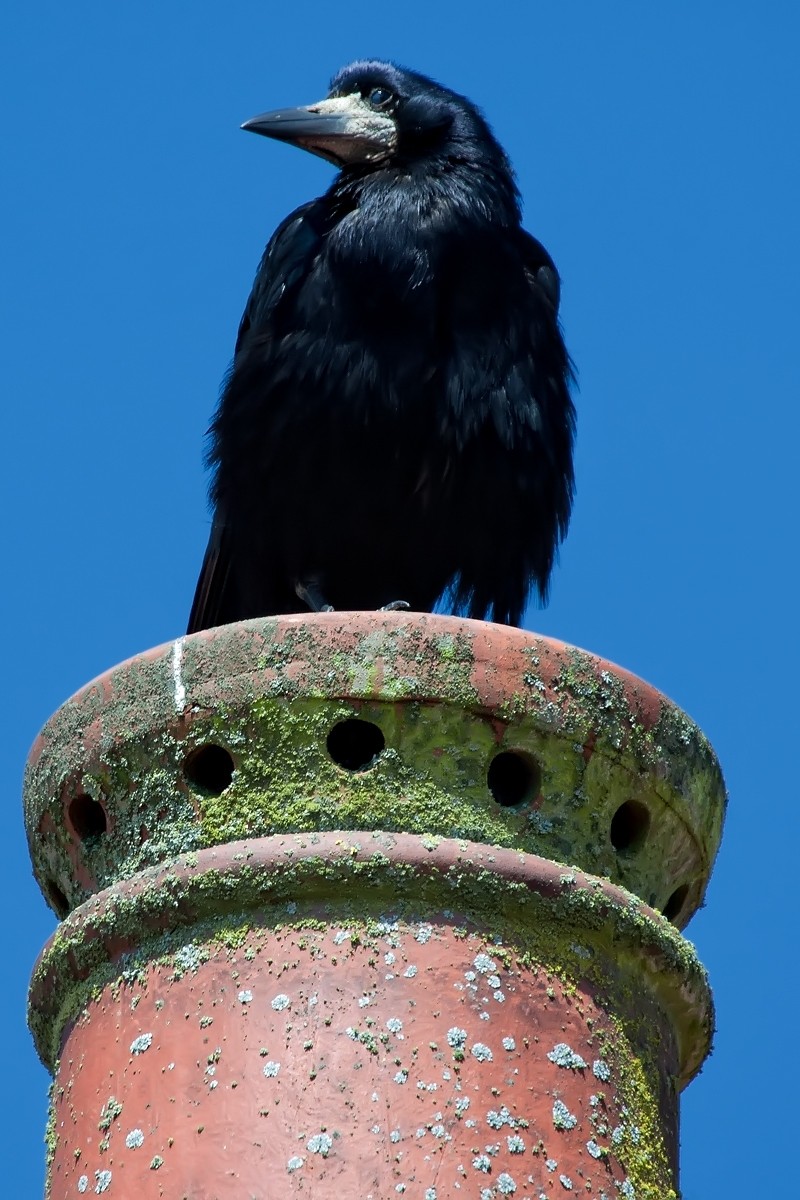
8. Rook
The rook is a species of large black crow with glossy feathers. While it resembles a crow, its high-pitch call sets it apart. The best place to see the bird is in semi-open areas with plenty of trees or hedges. It is where the bird prefers to build its nest.
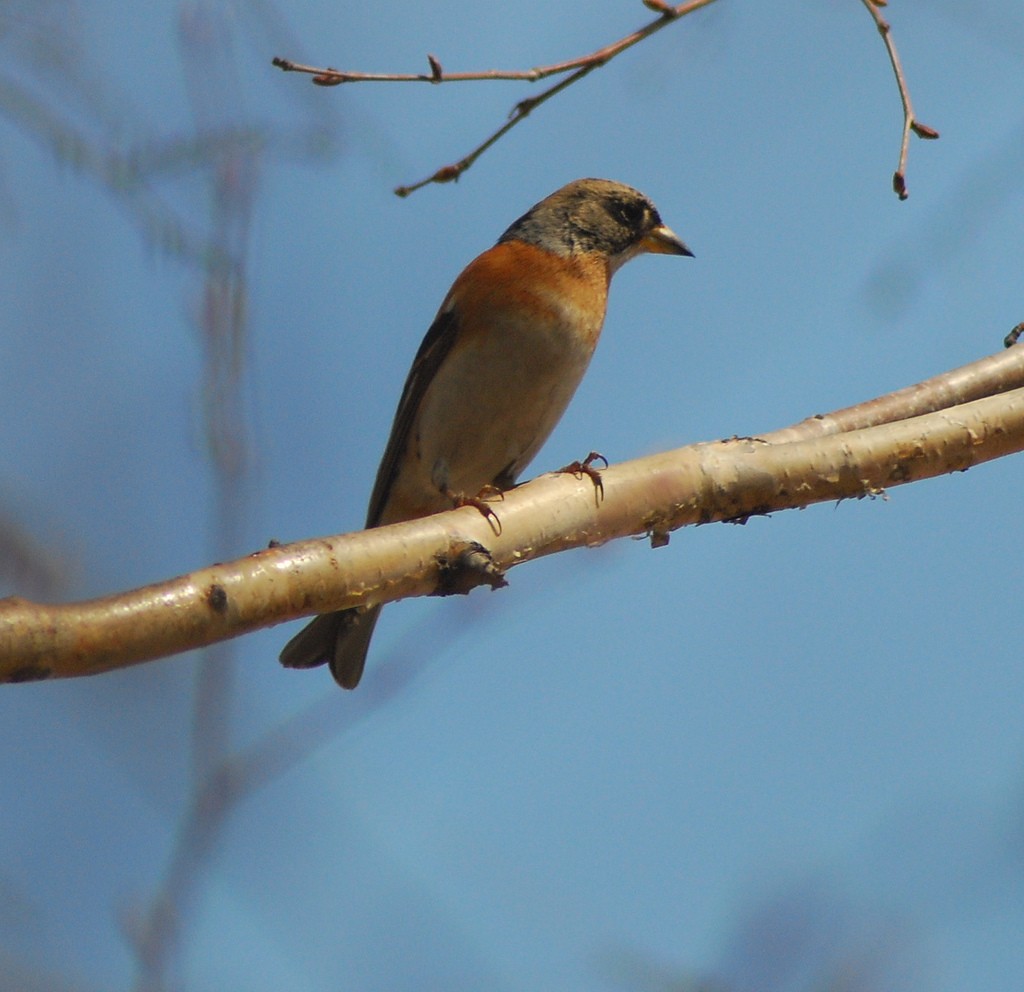
9. Brambling
A distinctive finch with a colorful breast, the brambling is often seen in woodlands. However, the bird will occasionally visit gardens with fruiting trees or bird feeders. While it has an attractive appearance, it’s different for its call. The small bird emits a high-pitched and nasal call, often with a slightly nasal buzz.

10. Common Chaffinch
The common Chaffinch has a varied diet, mainly feeding on seeds and berries, but also eating insects, allowing it to thrive in different habitats. The Common Chaffinch is also known for its melodic song, with the males being particularly vocal during the breeding season. Their songs can often be heard in the spring and early summer.
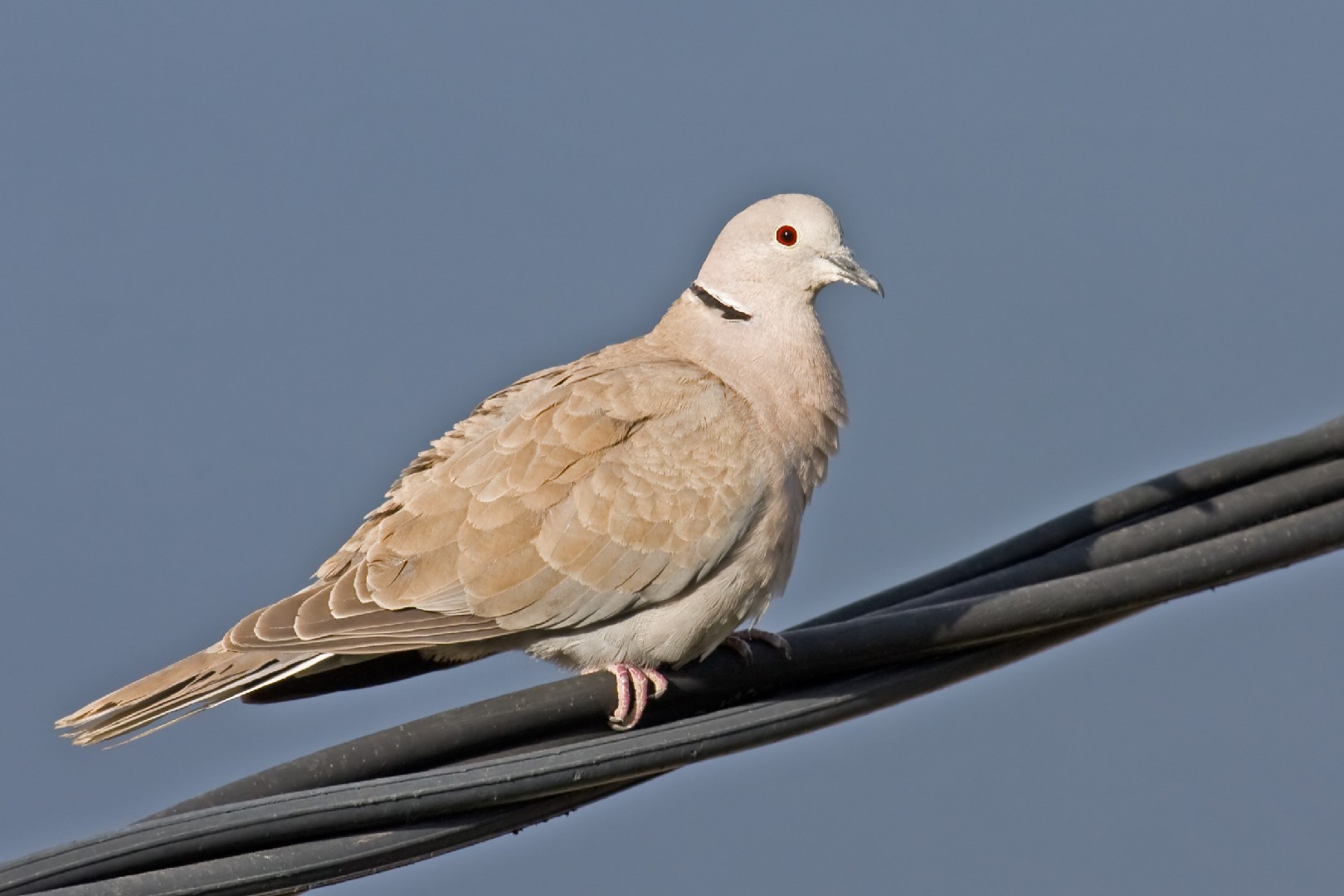
11. Eurasian Collared-dove
This plump, pretty dove with a square-tipped tail is known for bobbing its head and flicking its tail while walking. Though nice to look at, many people are not pleased at the sight of a eurasian Collared-dove walking along. In North America they are considered an invasive species, and one that carries a disease-creating parasite that can spread to native dove populations through birdbaths, feeders, or even through hawks preying on them.

12. White Wagtail
The white Wagtail is the national bird of Latvia and is featured in traditional folk songs and placed on some postage stamps. These birds can be found in most habitat types besides deserts. As their name suggests, they exhibit a characteristic tail-wagging behavior as they search along the ground and nearby waterways for insects to eat.
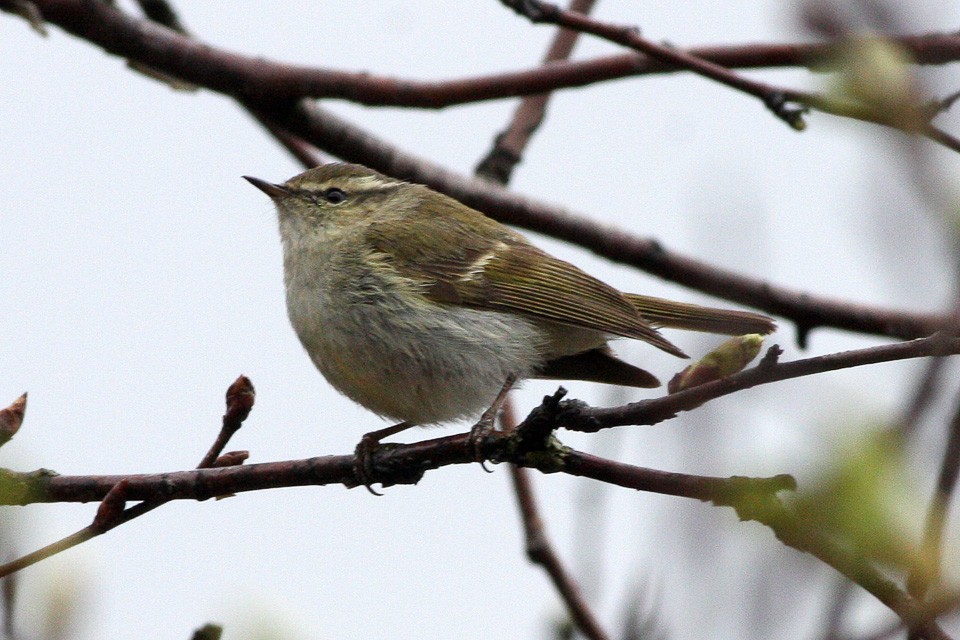
13. Hume's Leaf Warbler
Hume's leaf warbler is one of the smallest "Old World warblers". Like most other leaf warblers, it has greenish upperparts and off-white underparts. With its long supercilium, crown stripe and yellow-margined tertial remiges, it is very similar to the yellow-browed warbler (P. inornatus). However, it has only one prominent light wing bar, just a faint vestige of the second shorter wing bar, and overall duller colours. It also has a dark lower mandible and legs. Its song is buzzing and high pitched. The best distinction from the yellow-browed warbler is the more disyllabic call. While the eastern and western Hume's leaf warblers already show noticeable differences in mtDNA sequence and calls, their songs do not differ; they are reproductively isolated only by allopatry and not usually considered separate species.
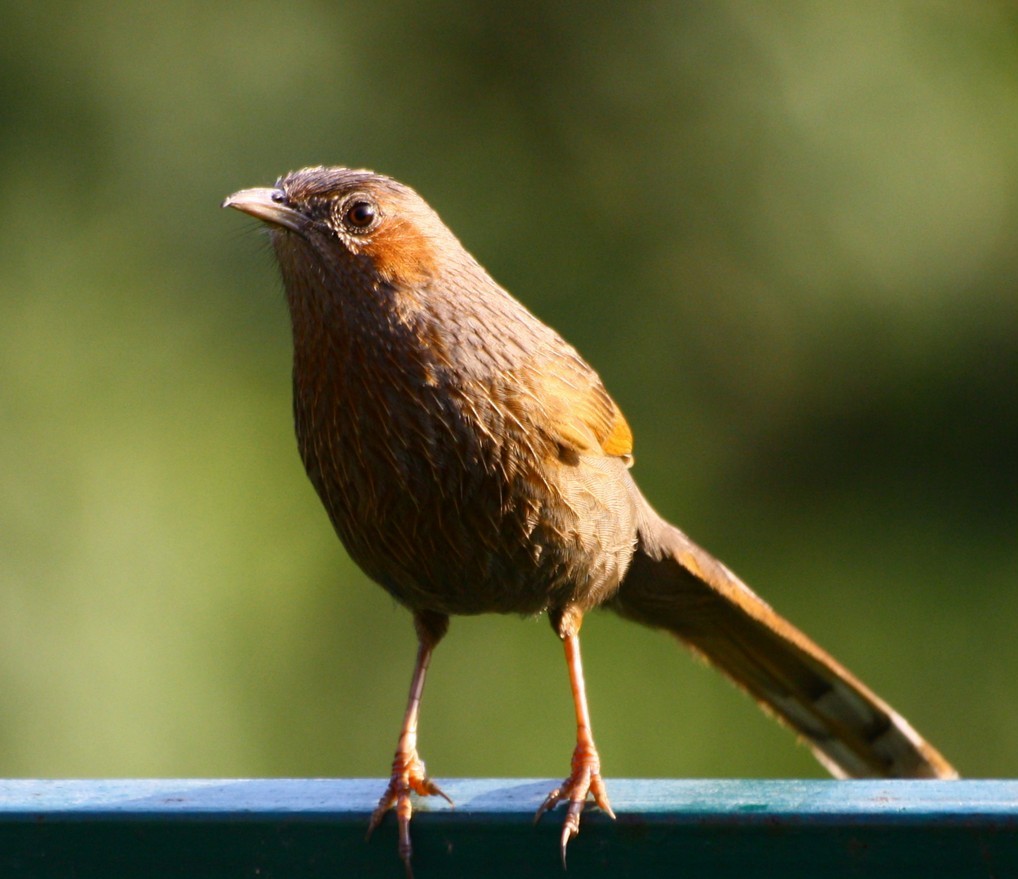
14. Streaked Laughingthrush
The streaked laughingthrush (Trochalopteron lineatum) is a species of bird in the family Leiothrichidae. It is commonly found in the northern regions of the Indian subcontinent and some adjoining areas, ranging across Afghanistan, Bhutan, India, Nepal, Pakistan, Russia, and Tajikistan. The subspecies imbricatum is usually considered a separates species, Bhutan laughingthrush.
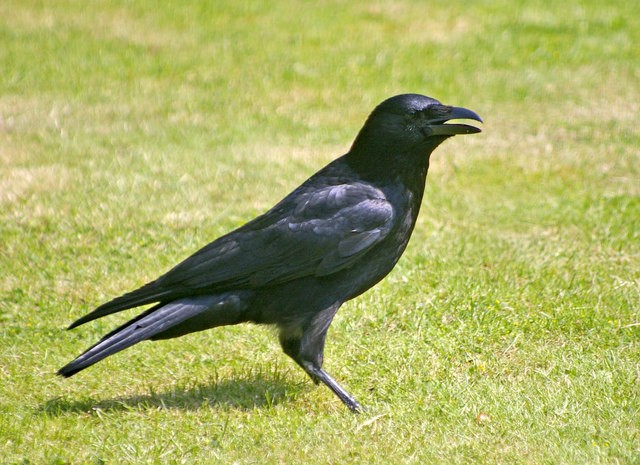
15. Carrion Crow
The loud cry from the carrion Crow lets everyone know the bird is in the area. It is often seen in semi and open habitats that include rural and suburban areas. The black-colored bird only gathers in large flocks when it is time to roost. Otherwise, it flies in pairs or small groups scavenging for insects, seeds, and even small animals.
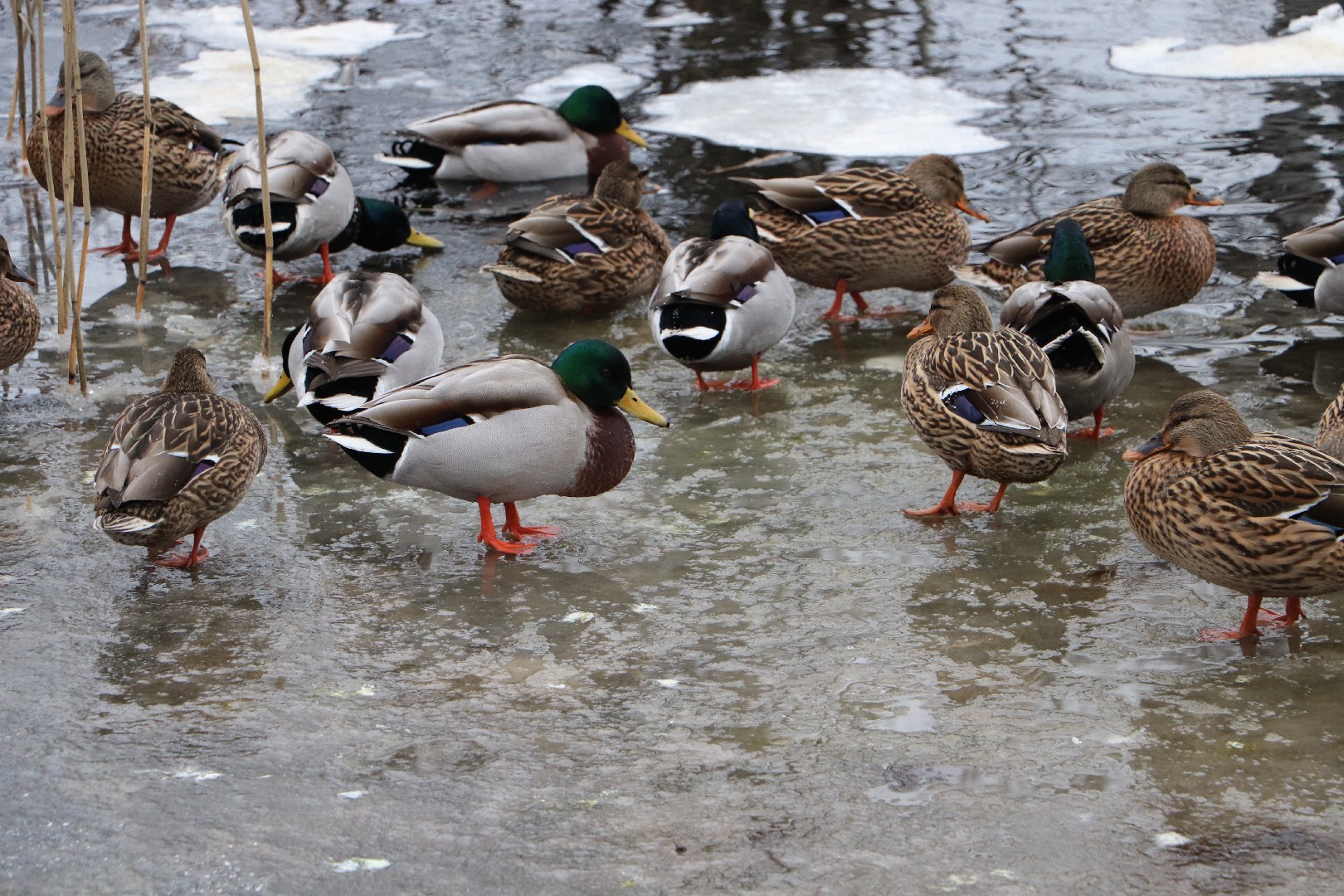
16. Mallard
The mallard is the most abundant duck species in the world, and the ancestor of all domestic ducks. Only the female can produce the distinctive "quack" sound. When the female lays eggs, the male abandons its mate, while the protective mother stays with the ducklings for a long time. This migratory species inhabits shallow waters and it's one of the most popular game birds.
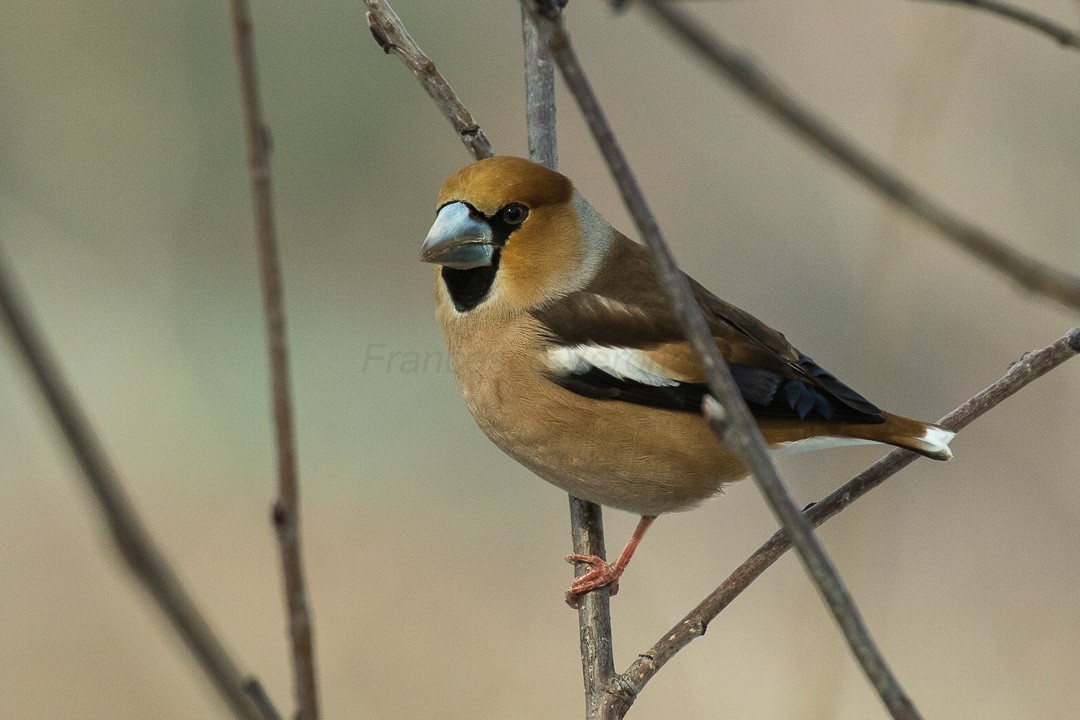
17. Hawfinch
It’s not uncommon for this finch to be described as chunky. The hawfinch resembles a bird that does not go hungry. It is a shy bird, preferring to stay hidden high in tree canopies. However, the finch does come down to the ground in search of seeds and small insects during the fall and winter.
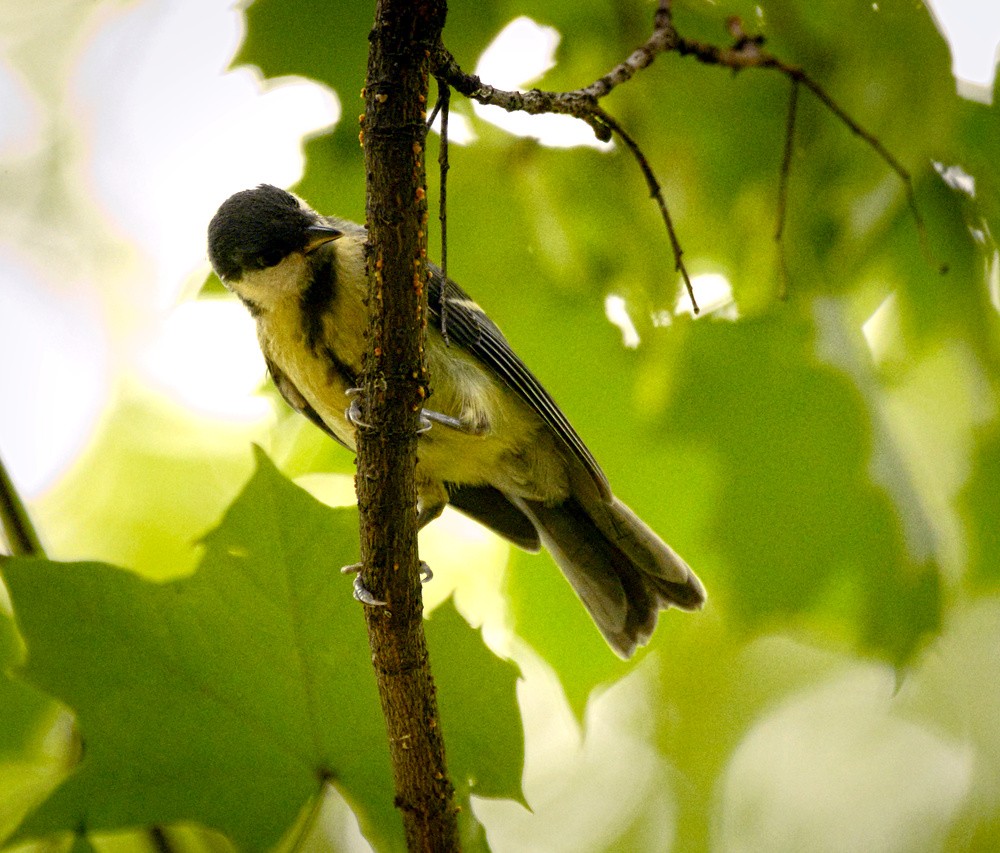
18. Great Tit
Great Tit is a small and plump bird, with a thick black line running through its bright yellow face. It is a common sight in gardens, woodlands, and parks. It is often seen foraging for food in an acrobatic way. Well known for its intelligence, it has been observed using tools, solving problems, and even counting up to five.
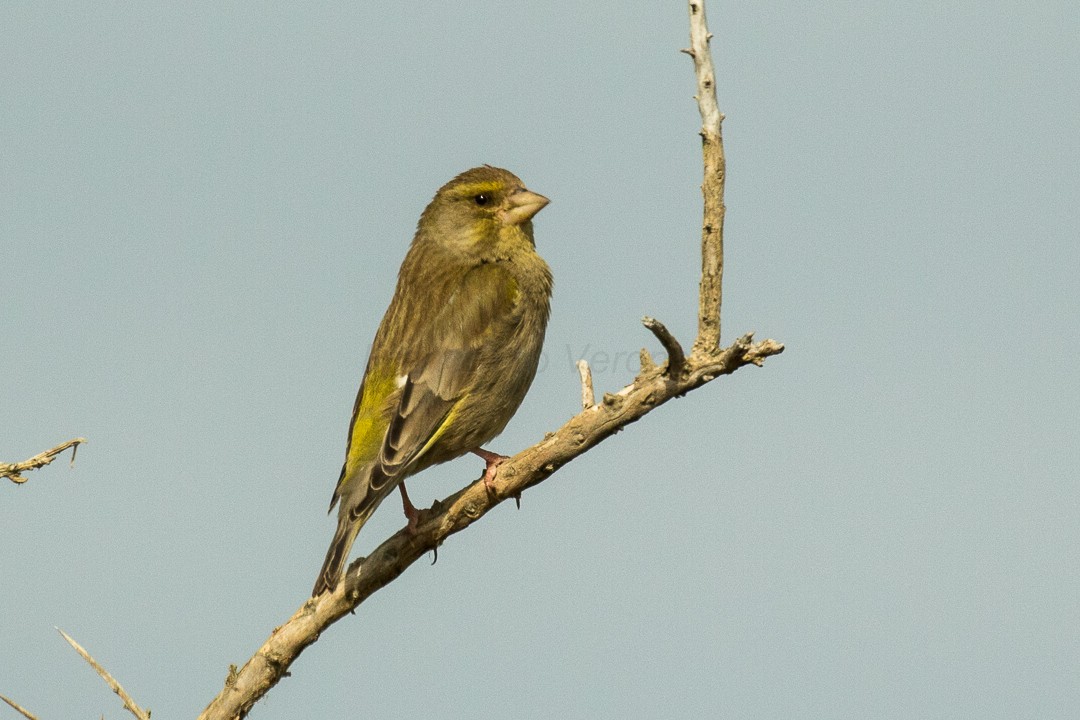
19. European Greenfinch
The european Greenfinch is a sociable bird and often forms flocks, particularly in the winter. The population of this species has been in decline due to loss of habitat and changes in land use. Identify this bird by its bright yellow head and breast on males, and green-brown head on females, and its sociable behavior in open woodlands, gardens, parks, and hedgerows.
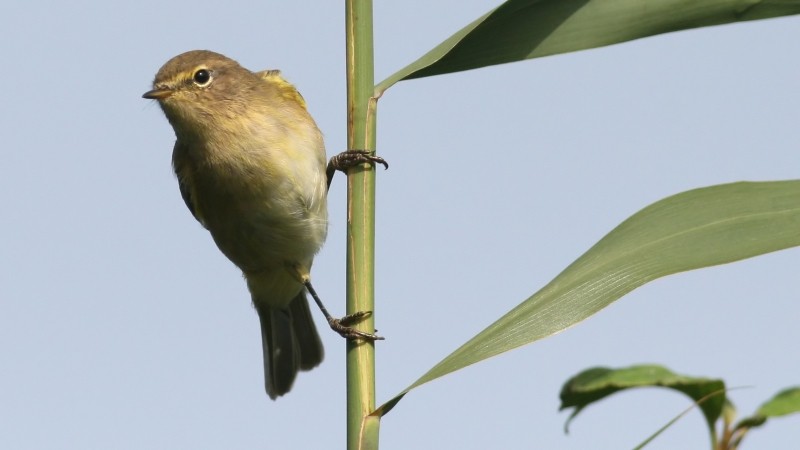
20. Common Chiffchaff
The common Chiffchaff is a small warbler known for its distinctive "chiff-chaff" call. It can be found in woodlands, gardens, and parks throughout Europe and Asia. It feeds on small insects, spiders and other invertebrates, which it catches by gleaning from leaves and branches. In the breeding season, males will sing to attract females and defend their territories.