




Top 20 Most Common Bird in Nonthaburi
Nonthaburi is a naturally rich province nestled on the bank of the Chao Phraya River in Thailand. Noteworthy for its diverse bird life, the 20 most common birds here exhibit intriguing characteristics. From unique feeding habits to distinctive plumages and remarkable adaptability to lush tropical environments, these birds add vibrancy to Nonthaburi's biodiversity.

Most Common Bird
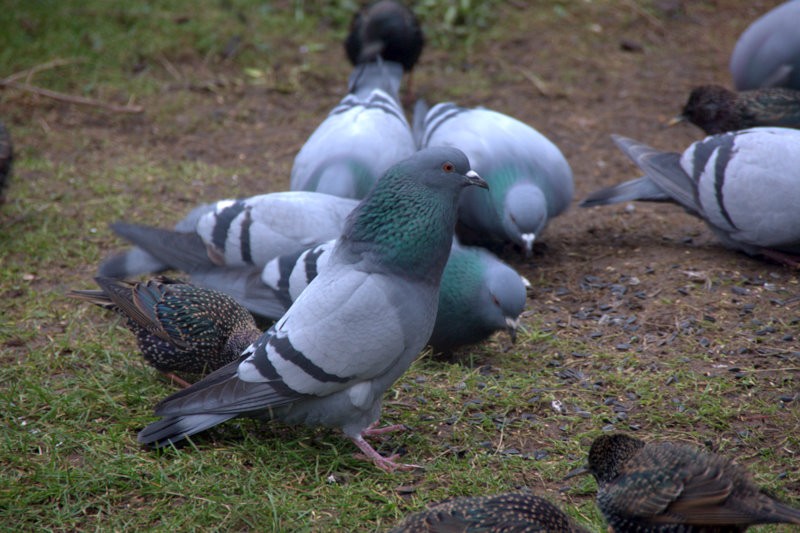
1. Rock Pigeon
The rock Pigeon is a wild ancestor of all domestic and feral pigeons, inhabiting coasts, cliffs, and caves. Pairs nest in rock crevices, often mating for life. They are known for their ability to fly very long distances to return to their homes, navigating using the sun's position and the earth's magnetic fields. Thanks to this ability, pigeons were used as messengers, particularly during World Wars I and II.
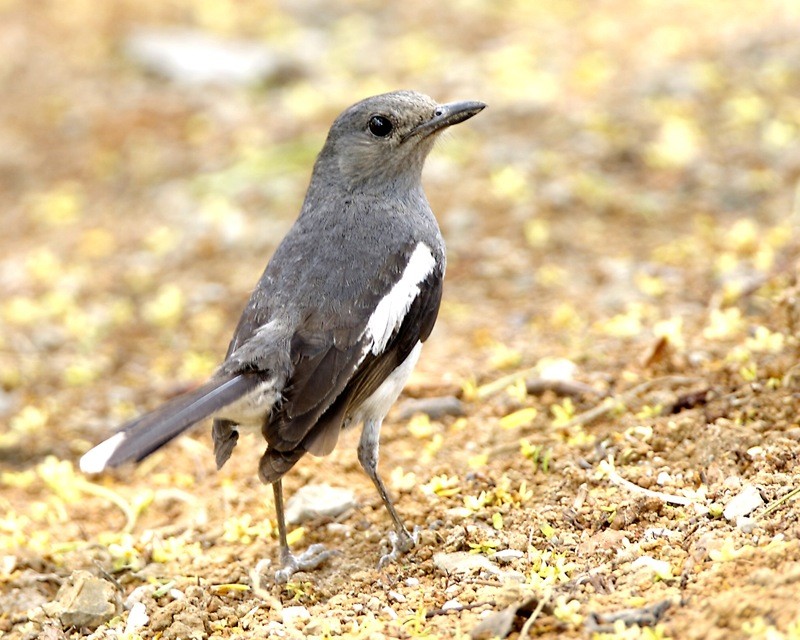
2. Oriental Magpie-robin
This species is 19 centimetres (7.5 in) long, including the long tail, which is usually held cocked upright when hopping on the ground. When they are singing a song the tail is normal like other birds. It is similar in shape to the smaller European robin, but is longer-tailed. The male has black upperparts, head and throat apart from a white shoulder patch. The underparts and the sides of the long tail are white. Females are greyish black above and greyish white. Young birds have scaly brown upperparts and head. It is the national bird of Bangladesh. The nominate race is found on the Indian subcontinent and the females of this race are the palest. The females of the Andaman Islands race andamanensis are darker, heavier-billed and shorter-tailed. The Sri Lankan race ceylonensis (formerly included with the peninsular Indian populations south of the Kaveri River) and southern nominate individuals have the females nearly identical to the males in shade. The eastern populations (Bhutan and Bangladesh) have more black on the tail and were formerly named erimelas. The populations in Burma and further south are named as the race musicus. A number of other races have been named across the range, including prosthopellus (Hong Kong), nesiotes, zacnecus, nesiarchus, masculus, pagiensis, javensis, problematicus, amoenus, adamsi, pluto, deuteronymus and mindanensis. However, many of these are not well-marked and the status of some of them is disputed. Some, like mindanensis, have now been usually recognized as full species (the Philippine magpie-robin). There is more geographic variation in the plumage of females than in that of the males. It is mostly seen close to the ground, hopping along branches or foraging in leaf-litter on the ground with a cocked tail. Males sing loudly from the top of trees or other high perches during the breeding season. 
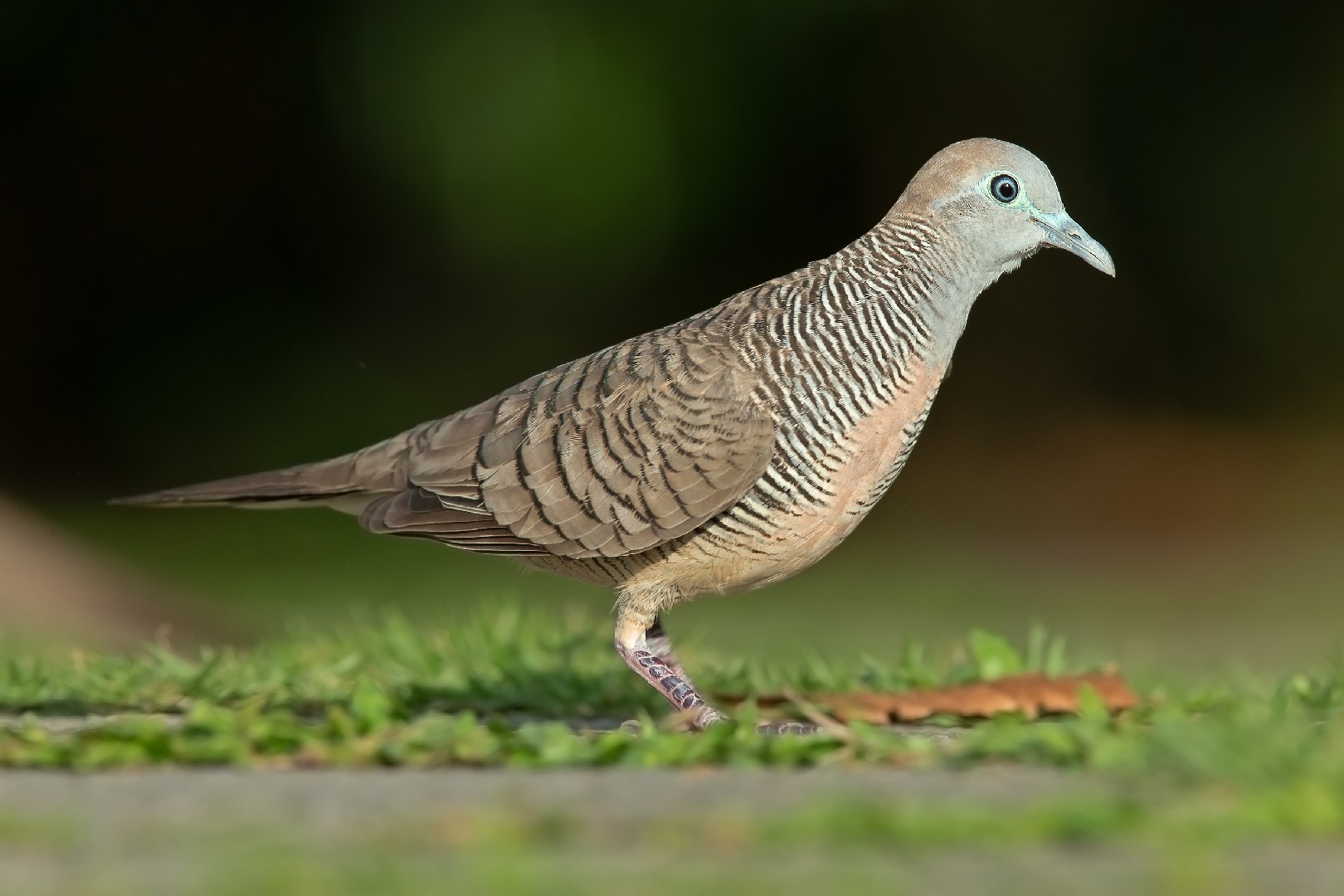
3. Zebra Dove
The zebra Dove is a small dove found in dense forests, open fields, farmlands, and similar suburban areas. Unlike other dove species, this ground-dwelling bird likes to forage alone or in pairs, but not in large groups. The call of this slender dove is often described as very pleasant. Very common in urban areas, they are quite comfortable around humans.
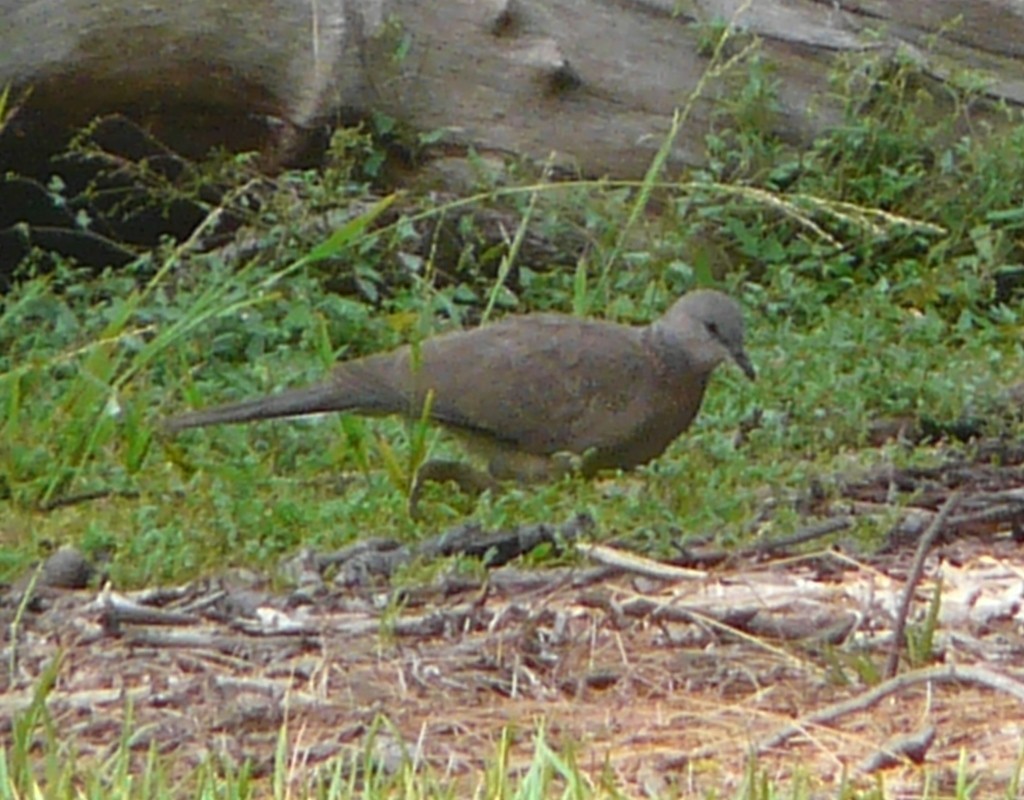
4. Spotted Dove
The spotted Dove is a medium-sized bird that is swift in flight. It prefers to live year-round in warm climates in suburban areas, especially in parks. Their nests are mostly made out of sticks and they like to dine on insects and seeds.

5. Ayeyarwady Bulbul
The Ayeyarwady bulbul (Pycnonotus blanfordi) is a member of the bulbul family of passerine birds. It is endemic to Myanmar. Its natural habitat is subtropical or tropical moist lowland forests. Until 2016, the Ayeyarwady bulbul was considered to be conspecific with the streak-eared bulbul (now Pycnonotus conradi).
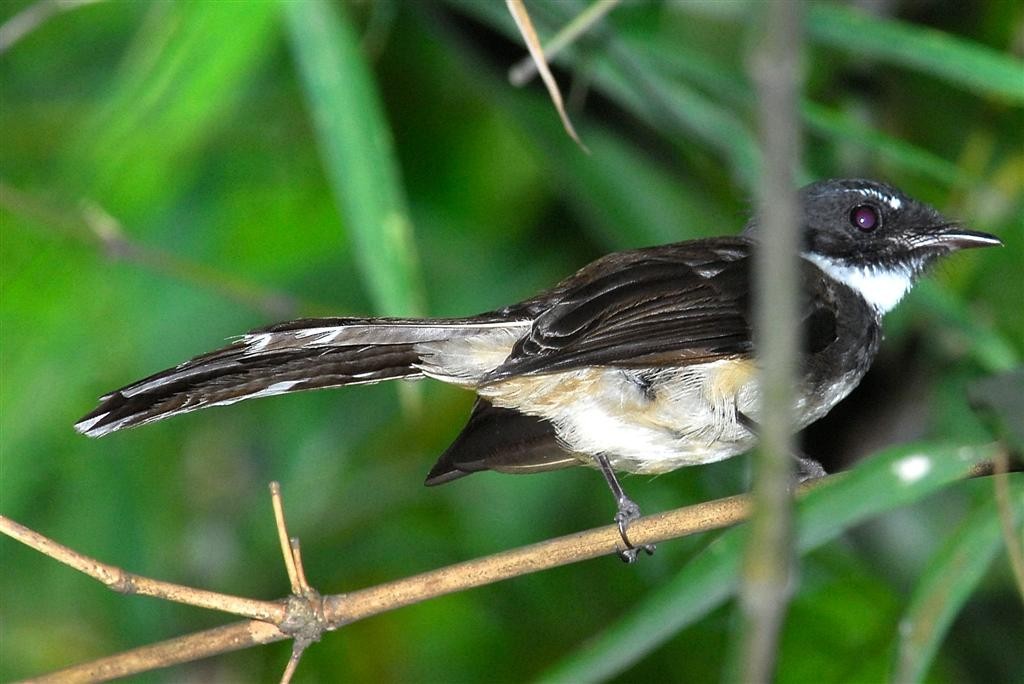
6. Malaysian Pied Fantail
The Malaysian pied fantail (Rhipidura javanica) is a species of bird in the fantail family and one of 47 species in the genus Rhipidura. It is locally referred to as murai gila, literally "crazy thrush" in the Malay language. It is found in Brunei, Cambodia, Indonesia, Laos, Malaysia, Myanmar, Philippines, Singapore, Thailand, and Vietnam. Its natural habitat is subtropical or tropical moist lowland forests. A single sight was recorded from Yala National Park of south Sri Lanka.
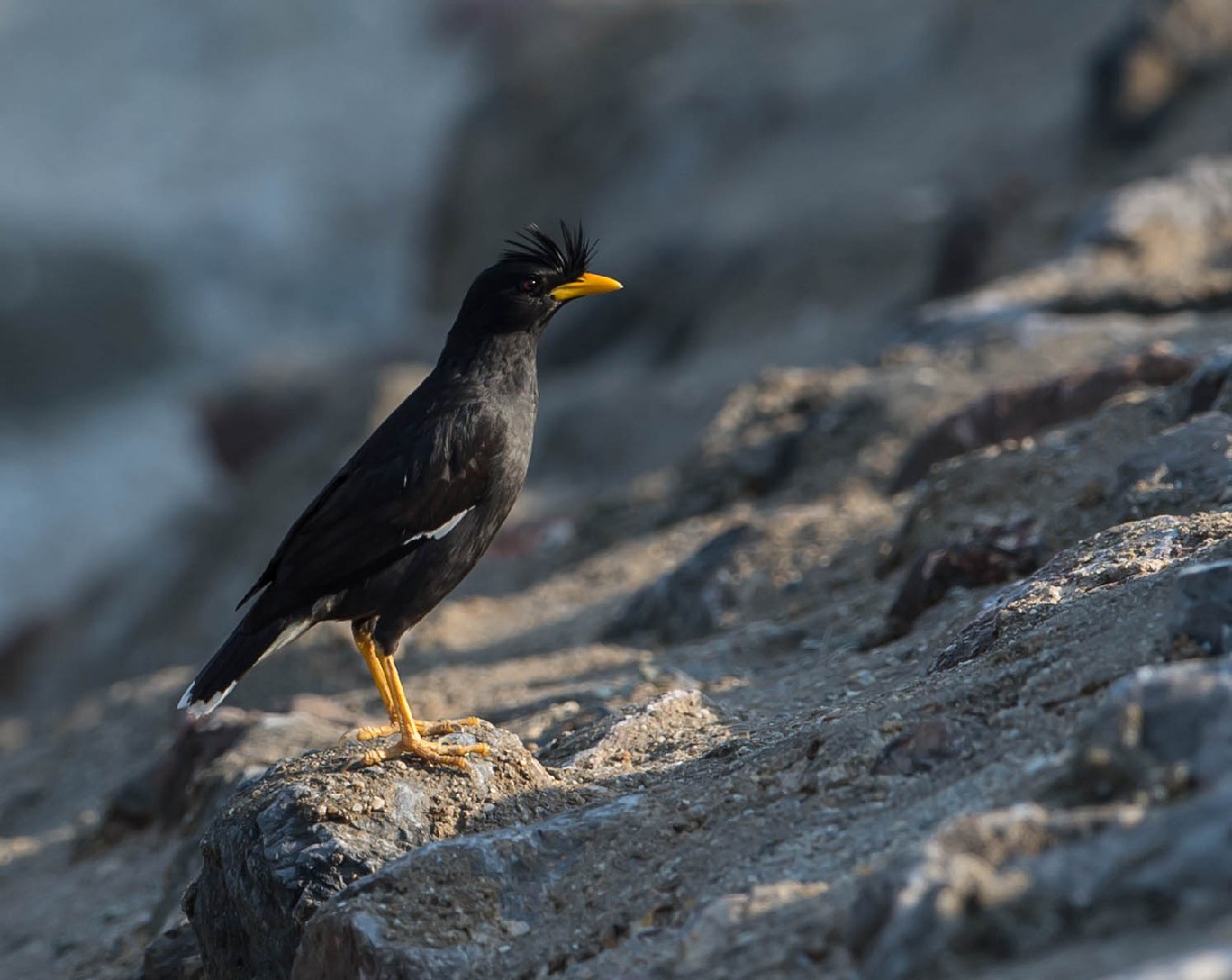
7. Great Myna
It is black with elongated forehead feathers, forming a frontal crest that may curl backwards. Its beak and feet are yellow. It has white from the vent to the tip of the tail and a white wing patch.
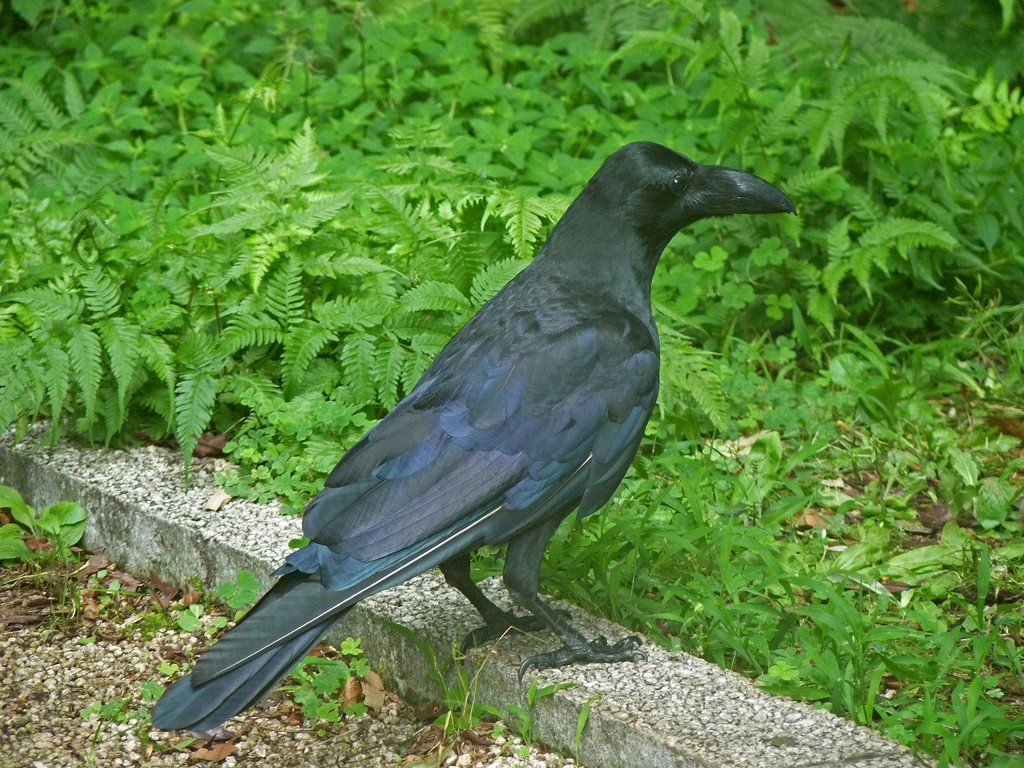
8. Large-billed Crow
The overall size (length: 46–59 cm; 18–23 in.) and body proportions vary regionally. In the far northeast in Japan, the Kuriles and the Sakhalin peninsula, it is somewhat larger than the carrion crow. All taxa have a relatively long bill with the upper one quite thick and arched, making it look heavy and almost raven-like. Generally, all taxa have dark greyish plumage from the back of the head, neck, shoulders and lower body. Their wings, tail, face, and throat are glossy black. The depth of the grey shading varies across its range.
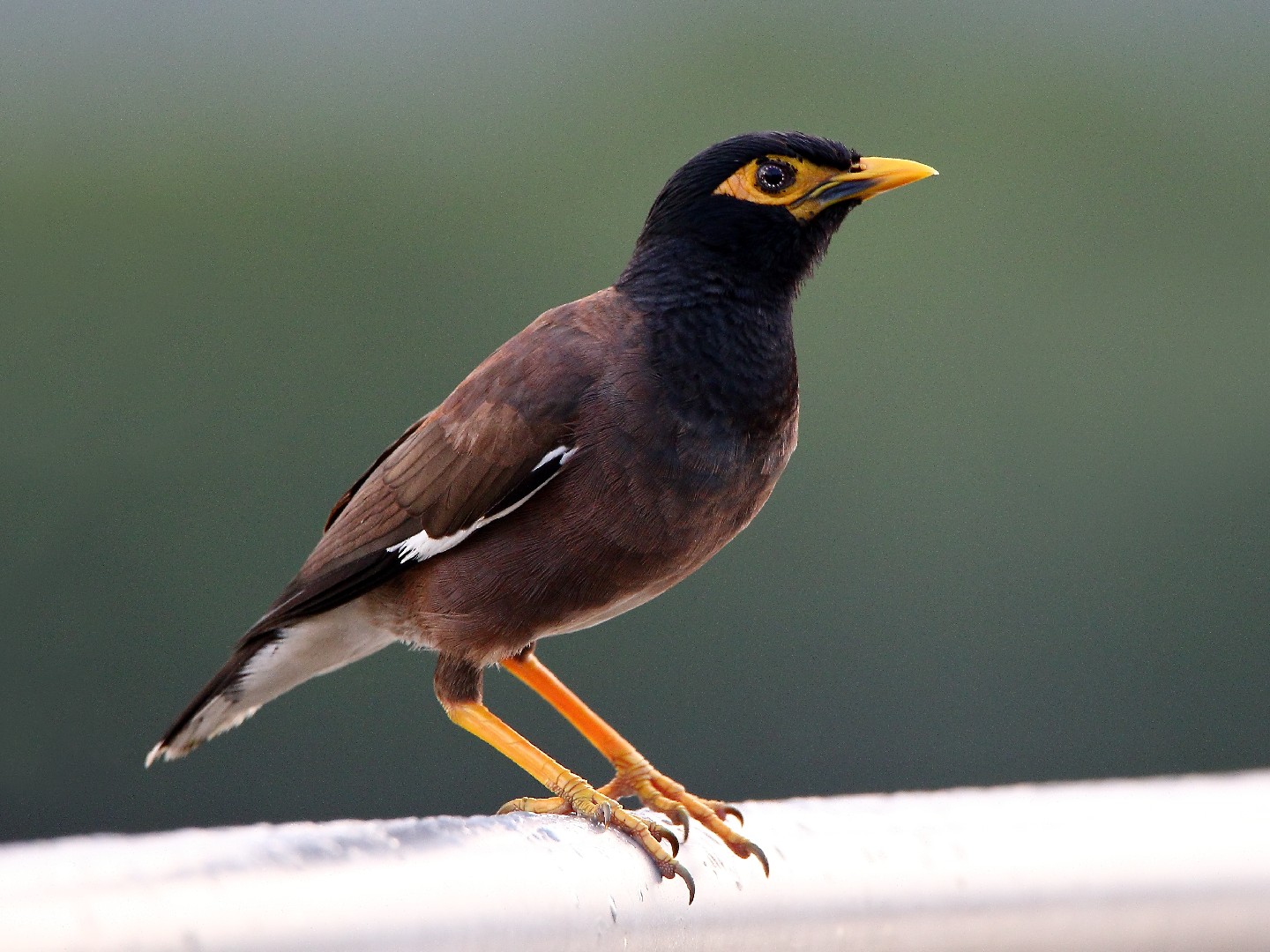
9. Common Myna
The common Myna is a large, stocky starling that prefers to live near humans in towns and suburban areas. It forages among tall grasses for grasshoppers; in fact, its scientific name, Acridotheres tristis, means "grasshopper hunter." The common Myna likes to maintain two roosts at the same time - both a temporary summer roost near the breeding site as well as a year-round roost where the female can sit and brood.
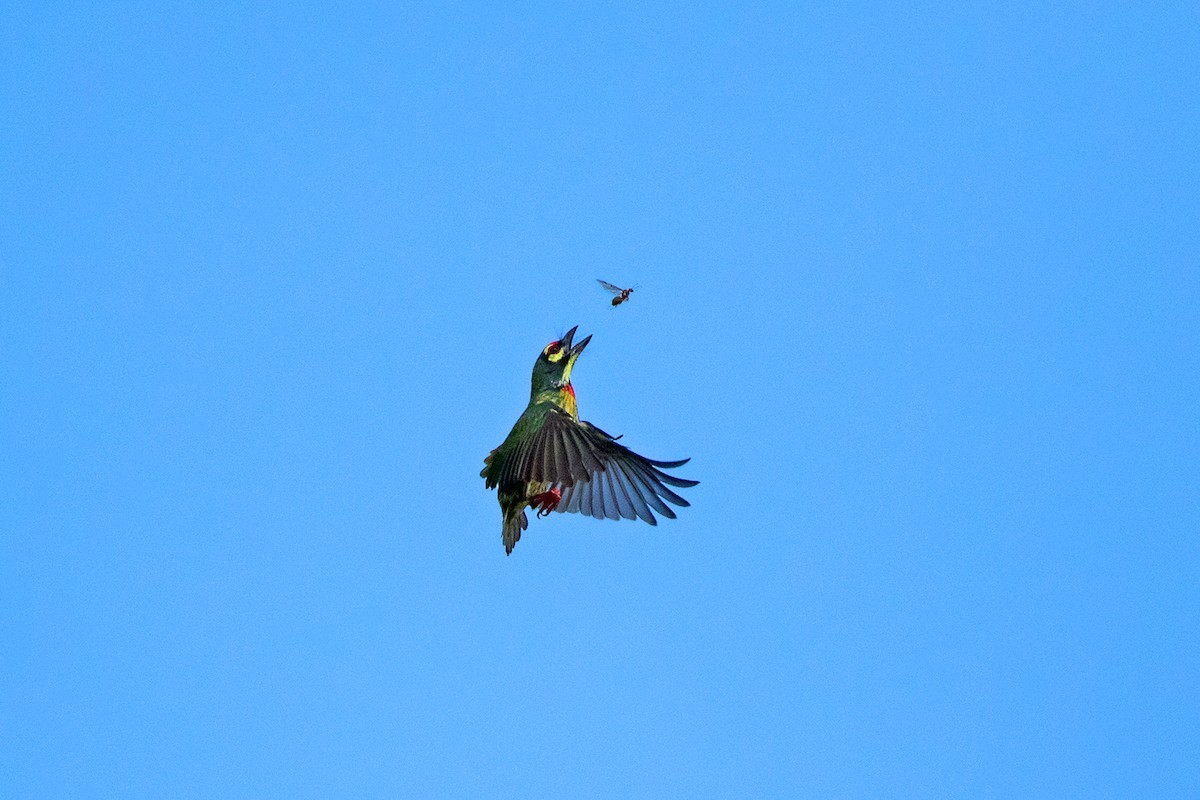
10. Coppersmith Barbet
The coppersmith barbet is green with a red head, yellow cheeks and a yellow throat. Its underparts are streaked in grey and black. During the nesting season, the wear and tear on the feathers can cause the plumage of the upper back to appear bluish. It is 15–17 cm (5.9–6.7 in) long and weighs 30–52.6 g (1.06–1.86 oz).
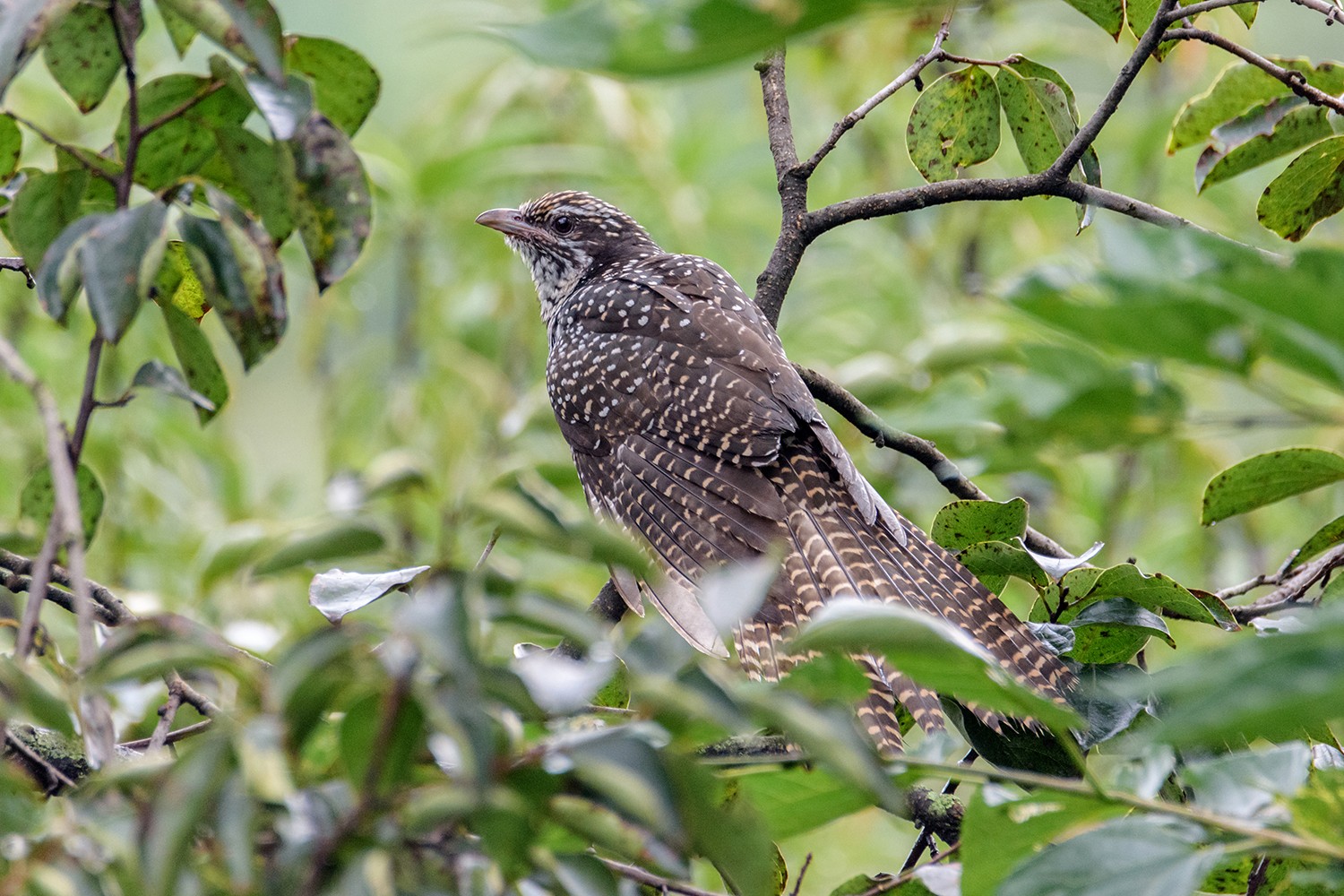
11. Asian Koel
The Eudynamys scolopaceus is commonly called asian Koel, native to China, the Indian Subcontinent and parts of Southeast Asia. This bird is used widely in Indian poetry, and it has a habit of colonizing new areas that it goes to. The bird is also known for stealing nests from other birds and having their chicks raised by the foster parents.
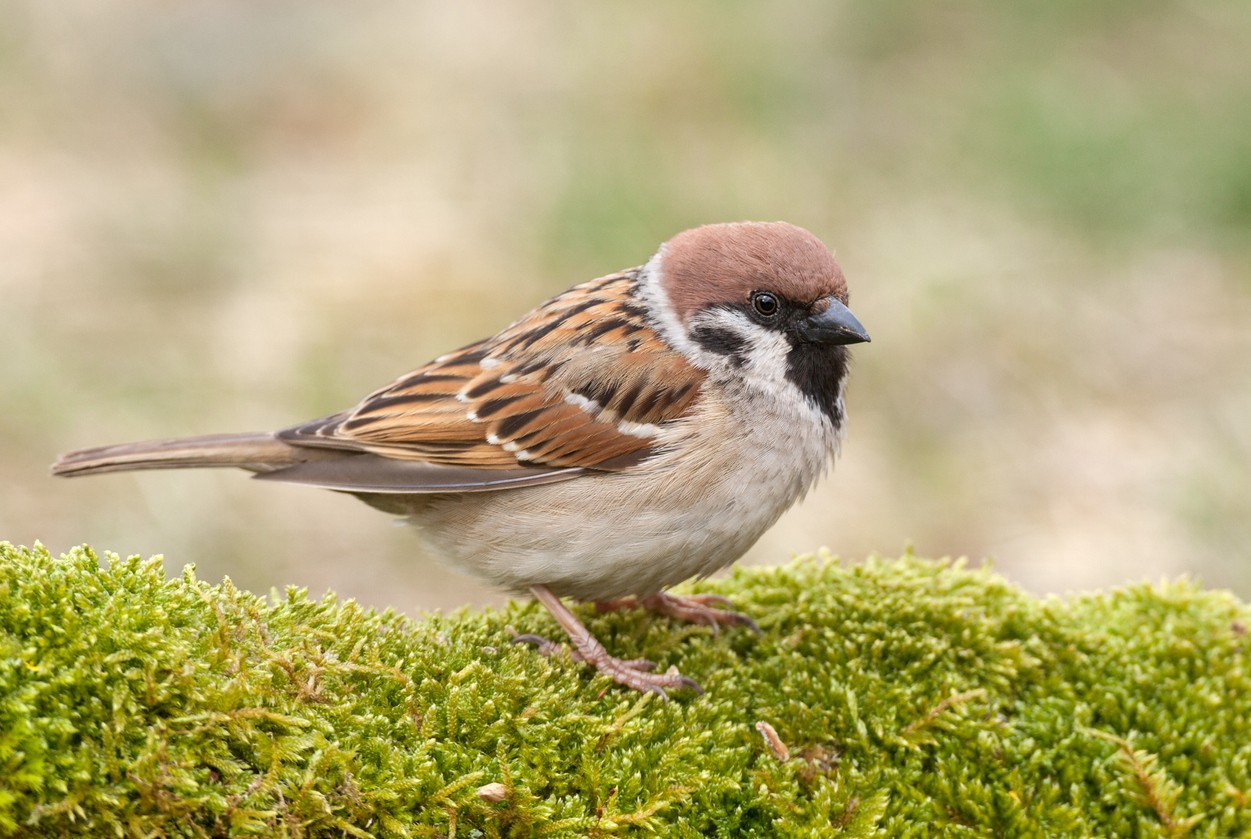
12. Eurasian Tree Sparrow
The eurasian Tree Sparrow (Passer montanus) is a widespread sparrow of the European mainland that has been introduced to some parts of North America. Eurasian Tree Sparrow is very similar to the House sparrow (Passer domesticus) but it's smaller and neater. It prefers more natural habitats, at the edges of human activity, and inhabits farmlands, parklands, and open woods.
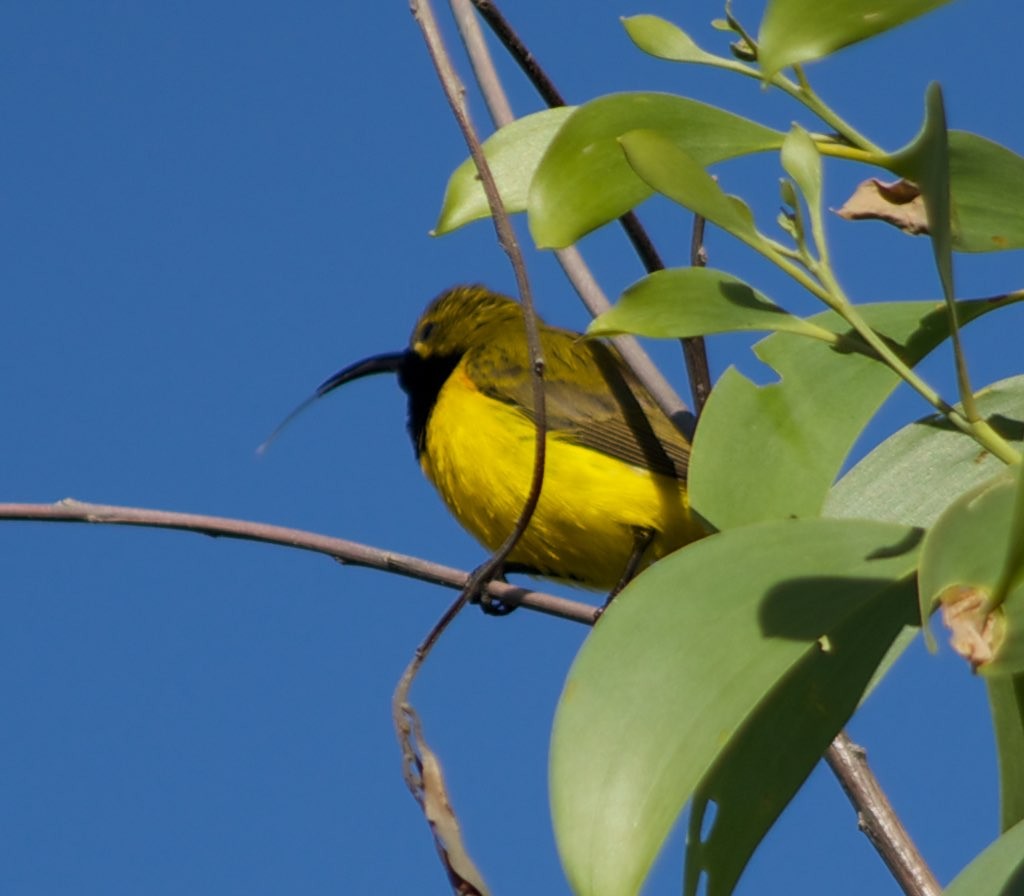
13. Olive-backed Sunbird
In most subspecies, the underparts of both male and female are bright yellow, the backs are a dull brown colour. The forehead, throat and upper breast of the adult male is a dark, metallic blue-black. In the Philippines the males of some subspecies have an orange band on the chest, in Wallacea and northern New Guinea some subspecies have most of the underparts blackish, and in southern China and adjacent parts of Vietnam most of the underparts of the male are greyish-white.
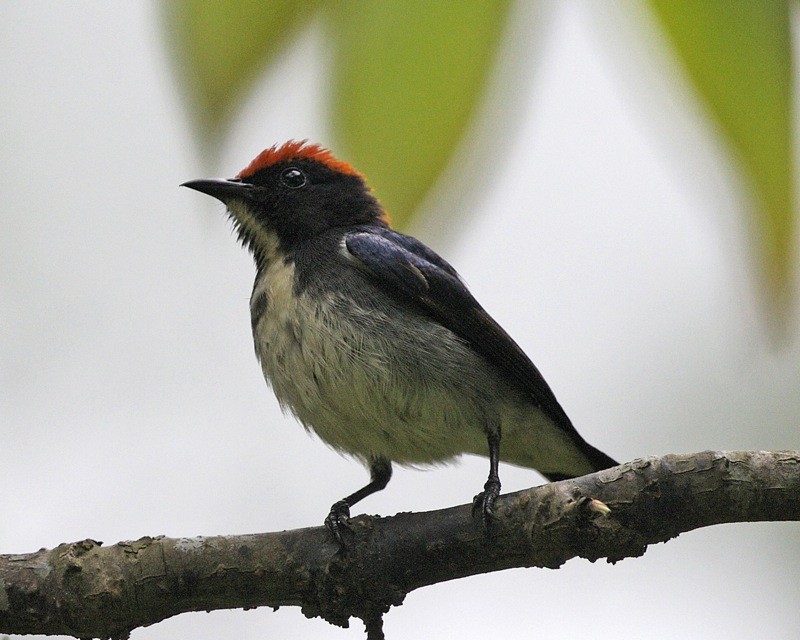
14. Scarlet-backed Flowerpecker
Measuring 9 cm (3.5 in) and weighing 7 to 8 grams (0.25 to 0.28 oz), the scarlet-backed flowerpecker is a small bird with a short tail. It exhibits sexual dimorphism. The male has a navy blue face, wings and tail, with a broad bright red stripe from its crown to its upper tail coverts. The female is predominantly olive green with a black tail and scarlet upper tail coverts and rump. Both sexes have creamy white underparts, black eyes and legs, and a dark grey arched bill. The juvenile has plumage similar to the female but has an orange bill and lacks the bright red rump.
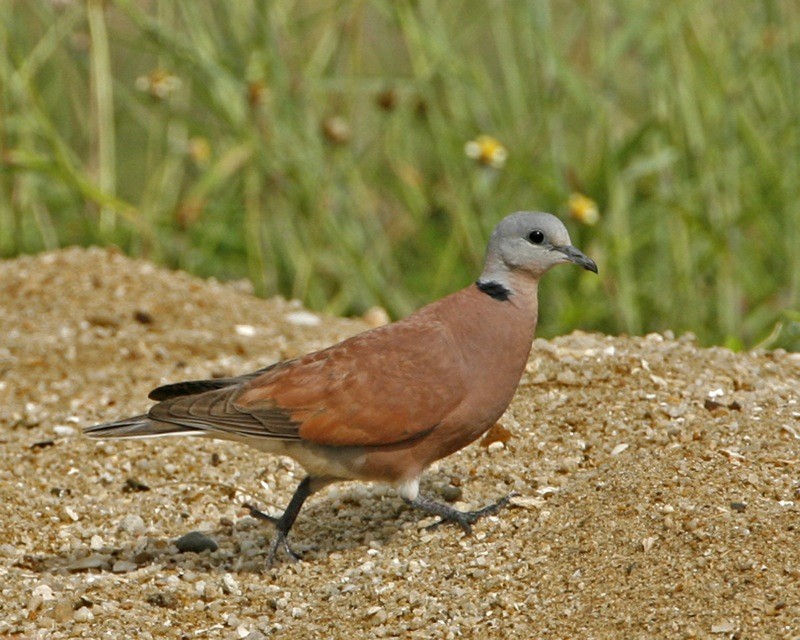
15. Red Collared Dove
The red turtle dove is a relatively small species. The male has a bluish head and light red-brown body with a black ring round its neck, while the female is similar but pinkish all over.
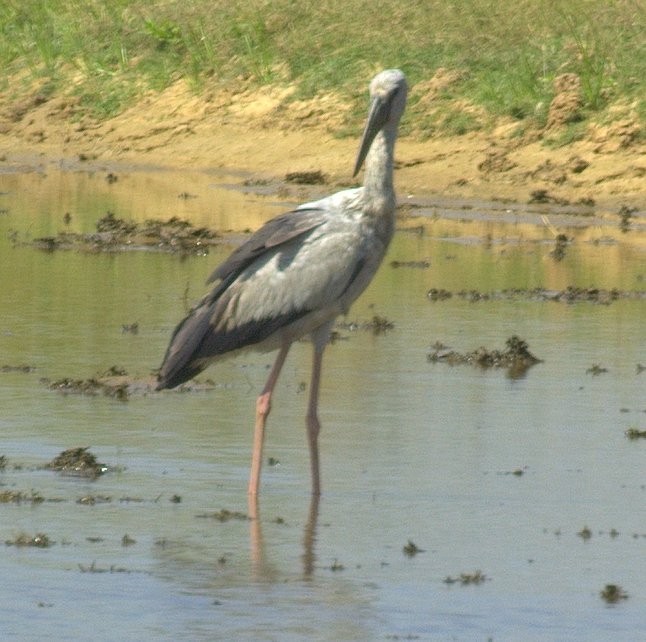
16. Asian Openbill
The Asian openbill stork is predominantly greyish (non-breeding season) or white (breeding season) with glossy black wings and tail that have a green or purple sheen. The name is derived from the distinctive gap formed between the recurved lower and arched upper mandible of the beak in adult birds. Young birds do not have this gap. The cutting edges of the mandible have a fine brush like structure that is thought to give them better grip on the shells of snails. The tail consists of twelve feathers and the preen gland has a tuft. The mantle is black and the bill is horn-grey. At a distance, they can appear somewhat like a white stork or Oriental stork. The short legs are pinkish to grey, reddish prior to breeding. Non-breeding birds have a smoky grey wings and back instead of white. Young birds are brownish-grey and have a brownish mantle. Like other storks, the Asian openbill is a broad-winged soaring bird, which relies on moving between thermals of hot air for sustained flight. They are usually found in flocks but single birds are not uncommon. Like all storks, it flies with its neck outstretched. It is relatively small for a stork and stands at 68 cm height (81 cm long).
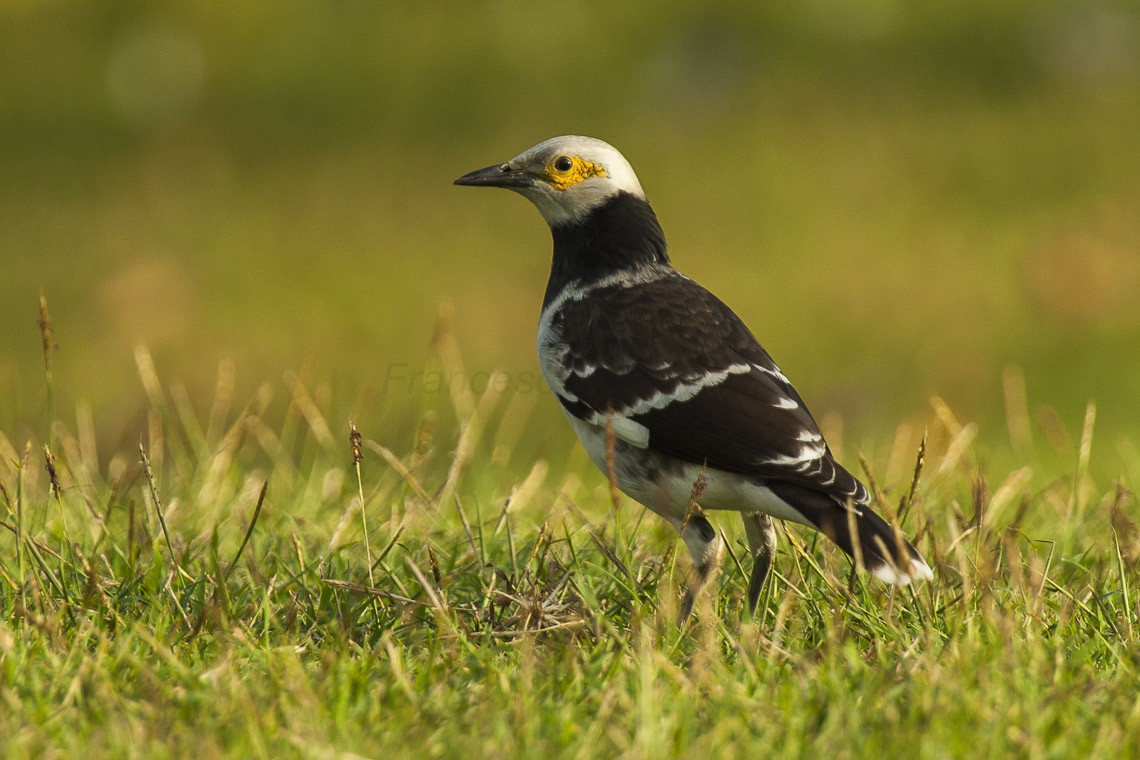
17. Black-collared Starling
The black-collared Starling is a large and unmistakable black-and-white bird with yellow skin around its eyes. It is well-known for its melodic song that it often sings from atop a tall street lamp or utility wire. The black-collared Starling builds a beautiful domed nest out of twigs, feathers, grass, and flowers, and oftentimes re-uses it.
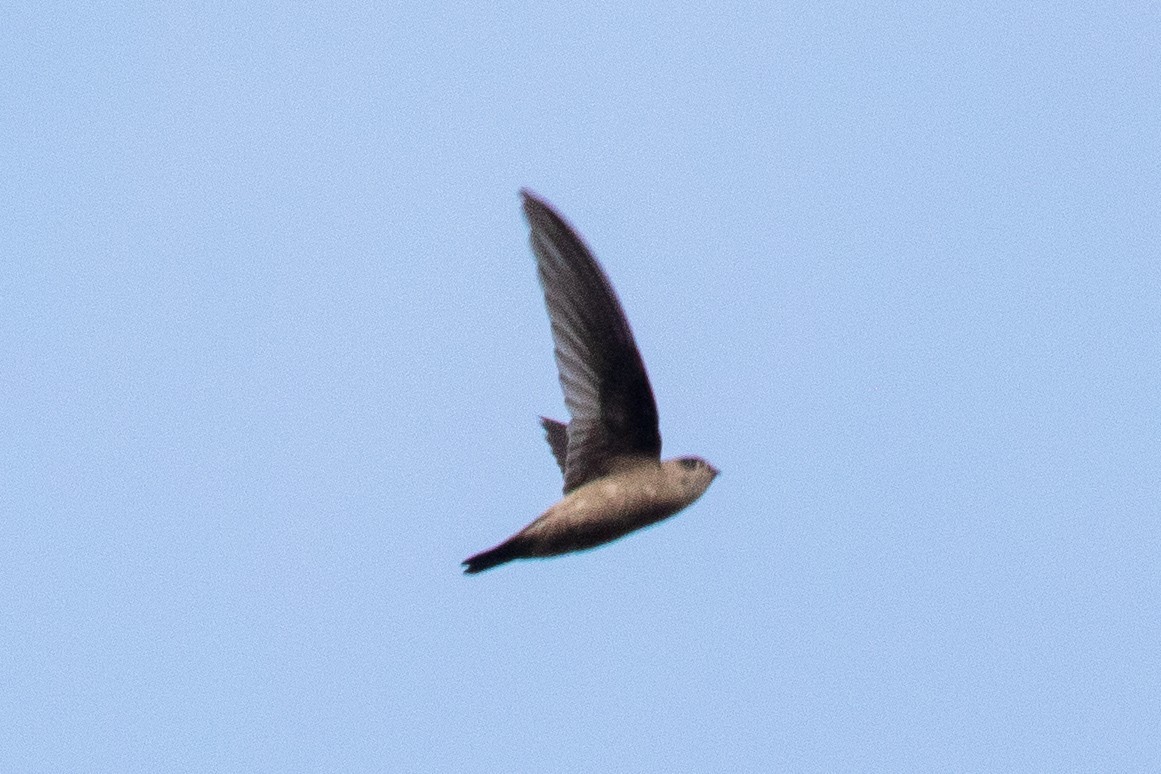
18. Germain's Swiftlet
This swiftlet is 12 cm long and weighs 13 to 14 grams. The plumage is blackish-brown above, but much paler on the underparts. The tail is slightly forked and the wings are long and narrow. The bill and feet are black. The nominate subspecies C. g. germani from Hainan south to Thailand and northern Malaysia has a whitish rump, but C. g. amechanus of the rest of Malaysia has a grey rump. These two forms are sometimes considered to be subspecies of the edible-nest swiftlet. Several calls are uttered including a loud zwing and various chip calls used for echolocation in dark caves. Himalayan swiftlet winters within the range of Germain's swiftlet, but is larger and bulkier, and has a greyer rump than C. g. germani.
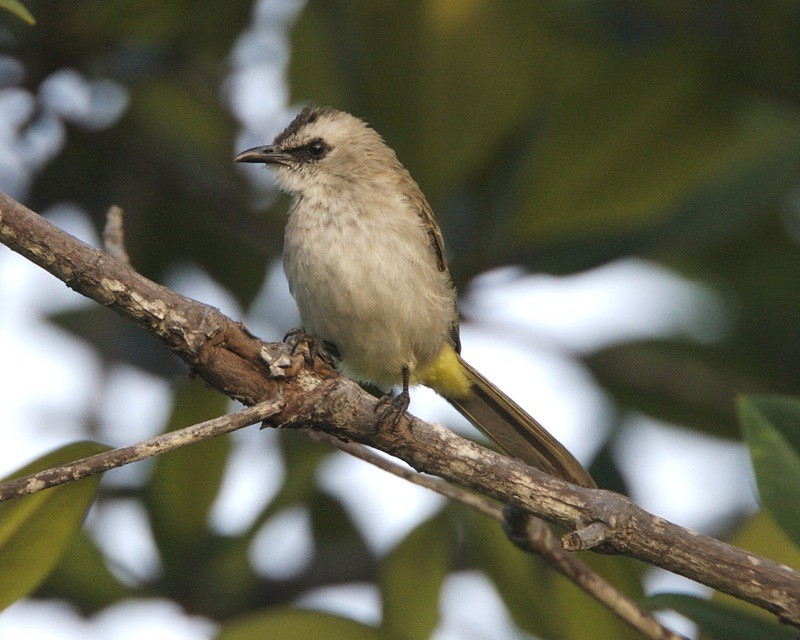
19. Yellow-vented Bulbul
The eyebrow buzz (Pycnonotus goiavier), is a common songbird from the family of the buulbuuls. The eyebrow bulge is found in large parts of Southeast Asia and the Indian Archipelago.
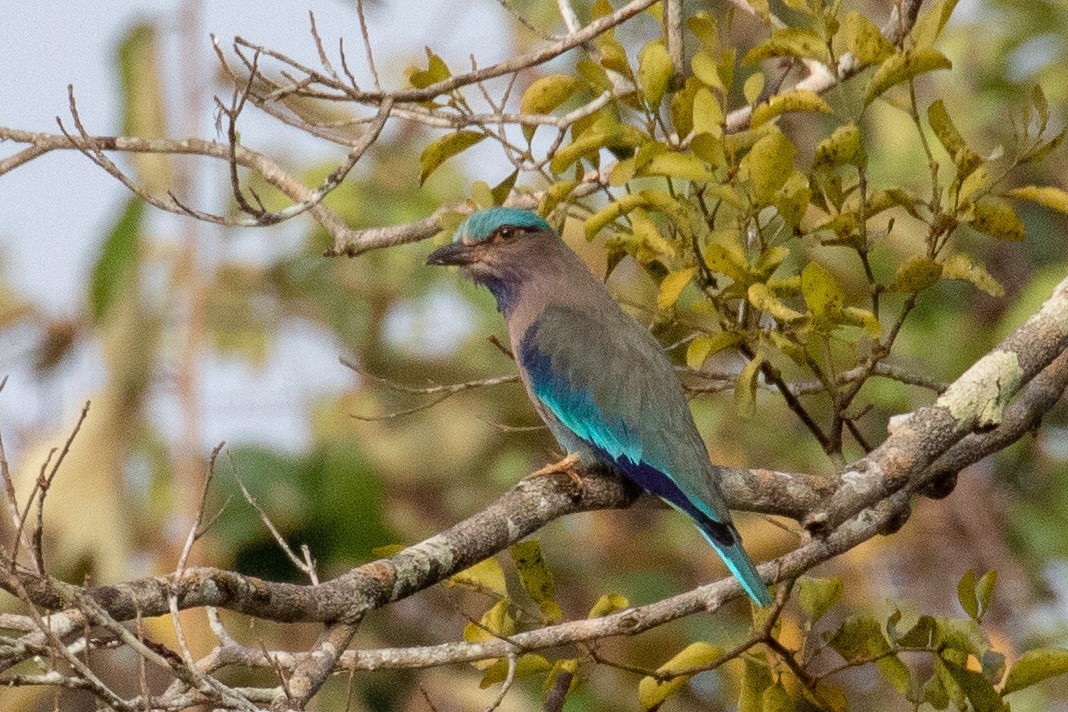
20. Indochinese Roller