




Top 20 Most Common Bird in Shefa
Shefa forms a unique ecosystem in the vast Pacific Ocean, home to a distinctive avian population. The 20 most common birds in this region flaunt stunning feathers, unique songs, and remarkable adaptation traits, reflecting the region's rich biodiversity. Their appearances and behaviors have been meticulously studied and greatly contribute to the vibrant tapestry of Pacific birdlife.

Most Common Bird
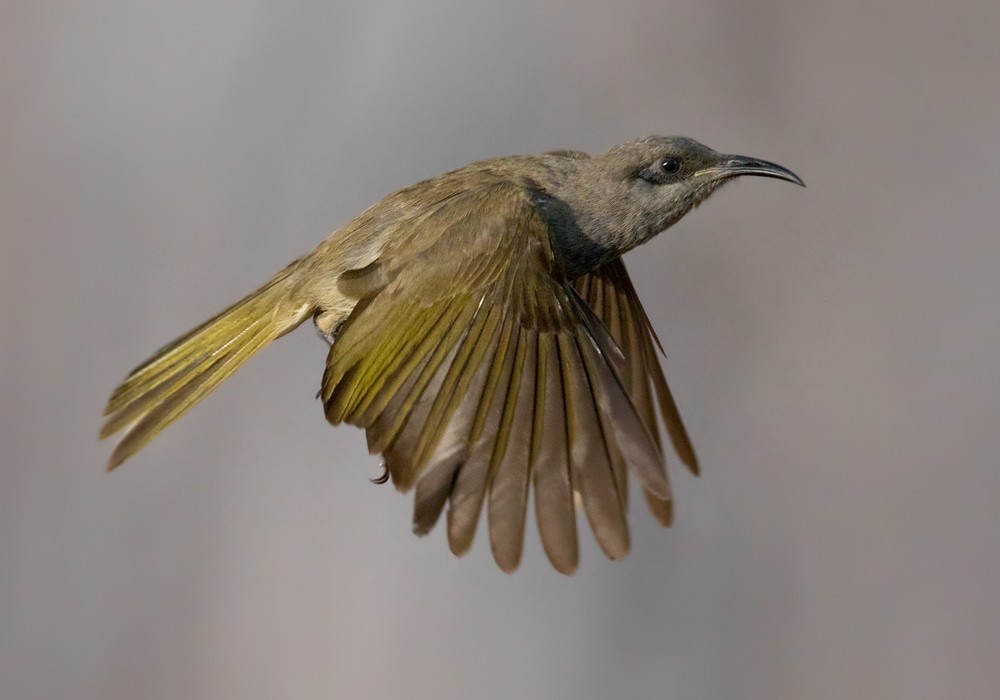
1. Grey-eared Honeyeater
The grey-eared honeyeater is 13 to 17 cm long with the males being larger than the females. The plumage is mainly dull green-brown above and grey with an olive tint below. The cheeks are silvery-grey, and the crown is dark grey. The black bill is long and slightly downcurved; the legs and feet are blue-grey. Juveniles are paler than the adults without the silvery cheeks. They are noisy birds which begin calling before dawn. They have a harsh tchoo-tchoo-tchoo call and a warbling song. 
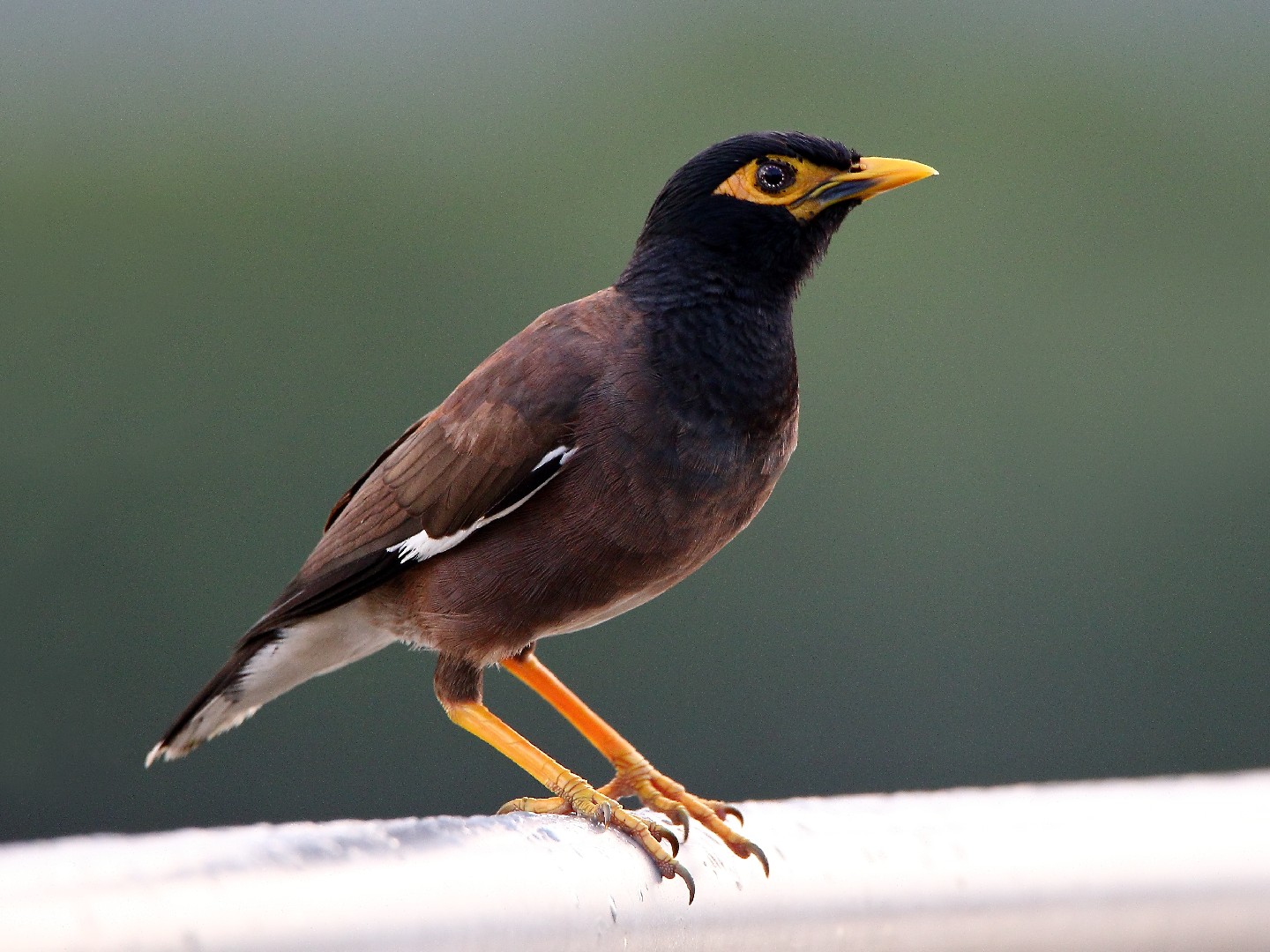
2. Common Myna
The common Myna is a large, stocky starling that prefers to live near humans in towns and suburban areas. It forages among tall grasses for grasshoppers; in fact, its scientific name, Acridotheres tristis, means "grasshopper hunter." The common Myna likes to maintain two roosts at the same time - both a temporary summer roost near the breeding site as well as a year-round roost where the female can sit and brood.
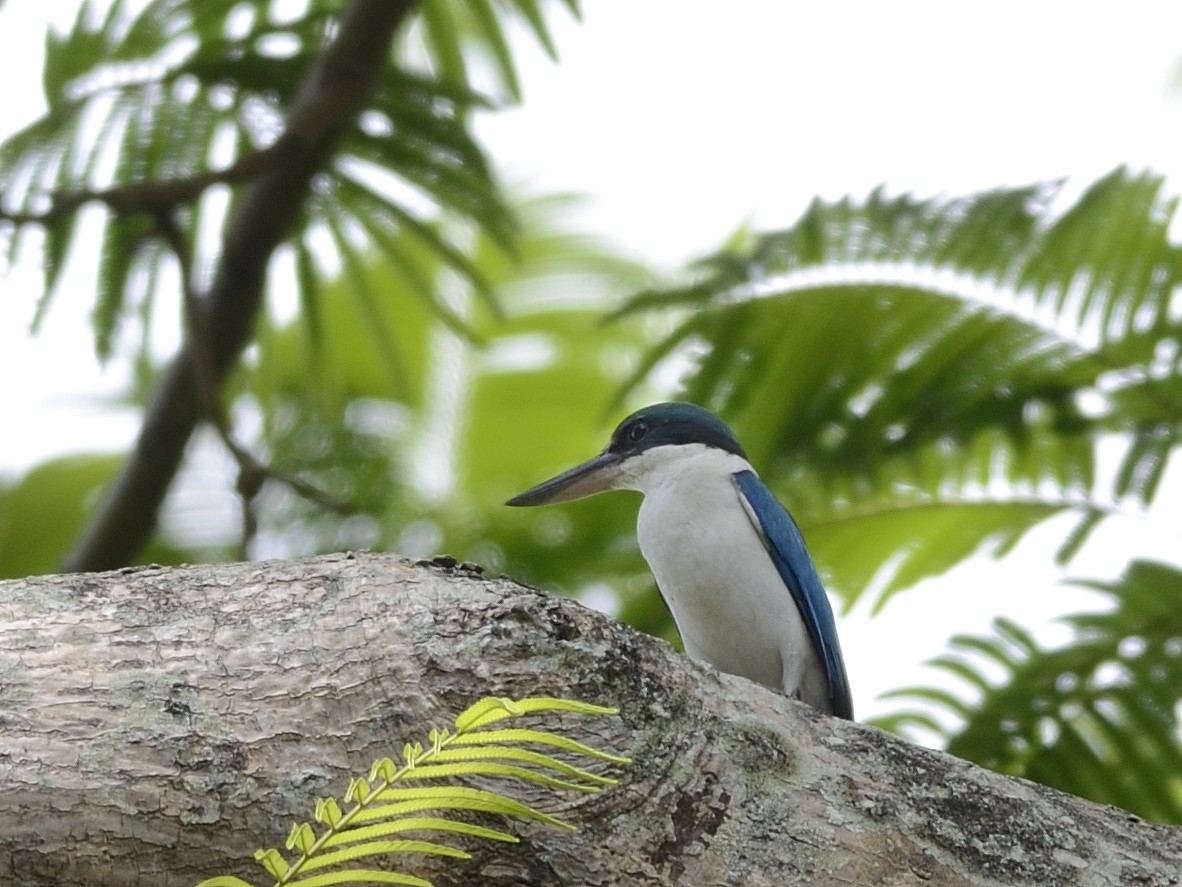
3. Collared Kingfisher
The collared kingfisher is 23 to 25 cm (9.1 to 9.8 in) long and the male weighs 51 to 90 g (1.8 to 3.2 oz), while the female weighs 54–100 g (1.9–3.5 oz). It varies from blue to green above while the underparts can be white or buff. There is a white collar around the neck, giving the bird its name. Some races have a white or buff stripe over the eye while others have a white spot between the eye and bill. There may be a black stripe through the eye. The large bill is black with a pale yellow base to the lower mandible. Females tend to be greener than the males. Immature birds are duller than the adults with dark scaly markings on the neck and breast. It has a variety of calls which vary geographically. The most typical call is a loud, harsh and metallic "kee-kee-kee" repeated several times.
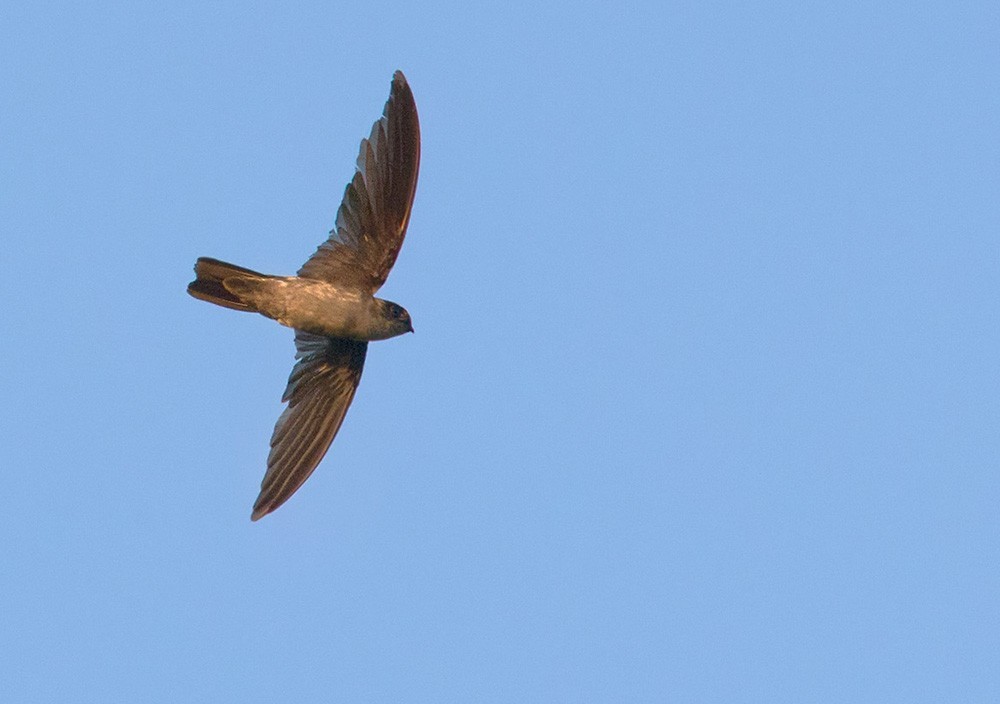
4. Uniform Swiftlet
The uniform swiftlet is a gregarious, medium-sized swiftlet with a shallowly forked tail. It is about 13 cm long with a wingspan averaging around 27 cm. It weighs about 11 grams. The colouring is dark grey-brown, darker on the upperparts with paler underparts, especially on chin and throat. It is similar to, and most likely to be confused with, the white-rumped swiftlet or mountain swiftlet.
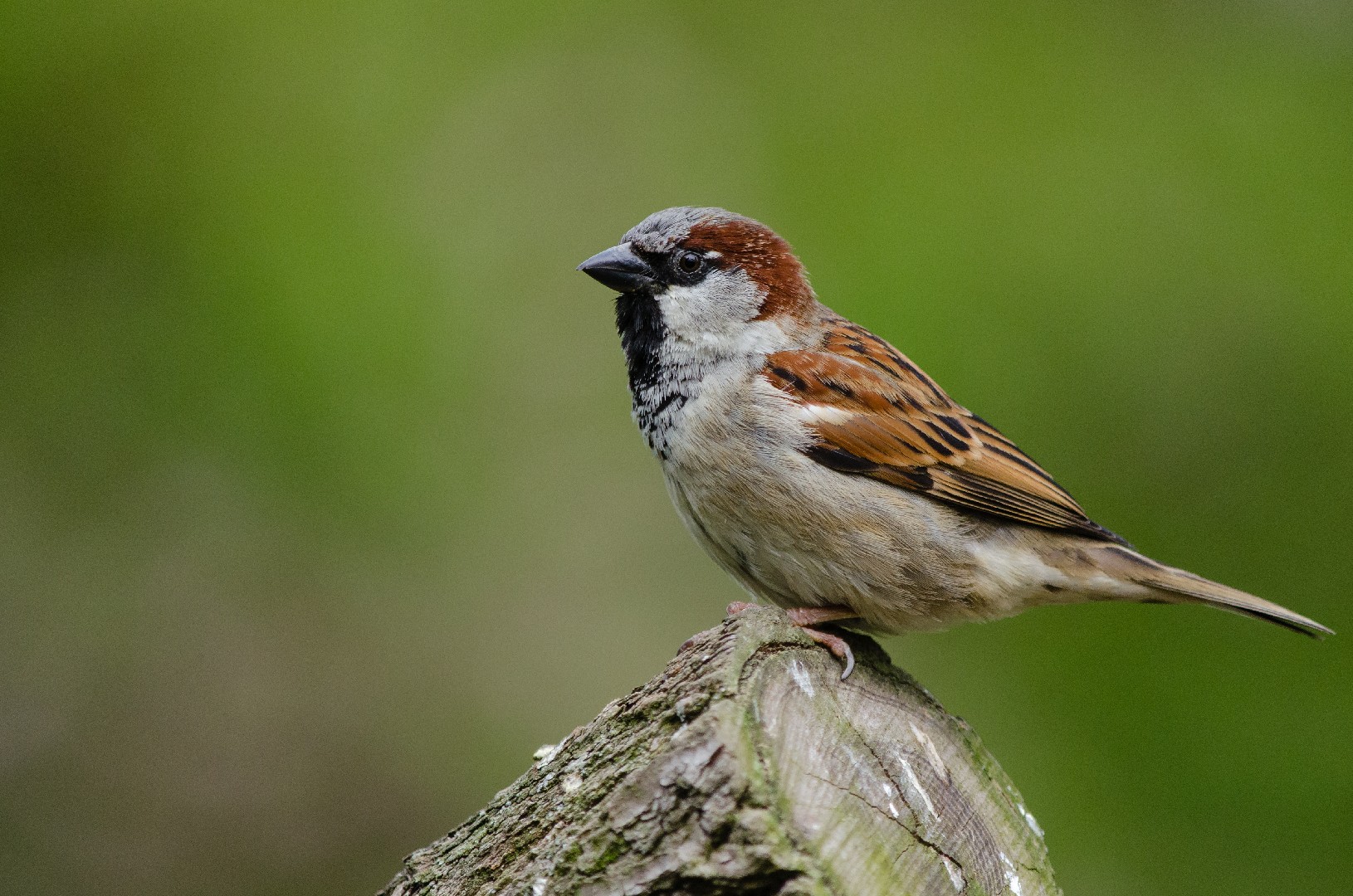
5. House Sparrow
Just as its name implies, the little house Sparrow socializes with humans more than any other bird species. Able to adapt and thrive in almost any habitat, excluding the extremes such as deserts and mountain peaks, this species was once restricted only to North Africa and Eurasia but now is found across the globe. Unfortunately, this opportunistic eater is not completely harmless—it can cause considerable damage to crops.
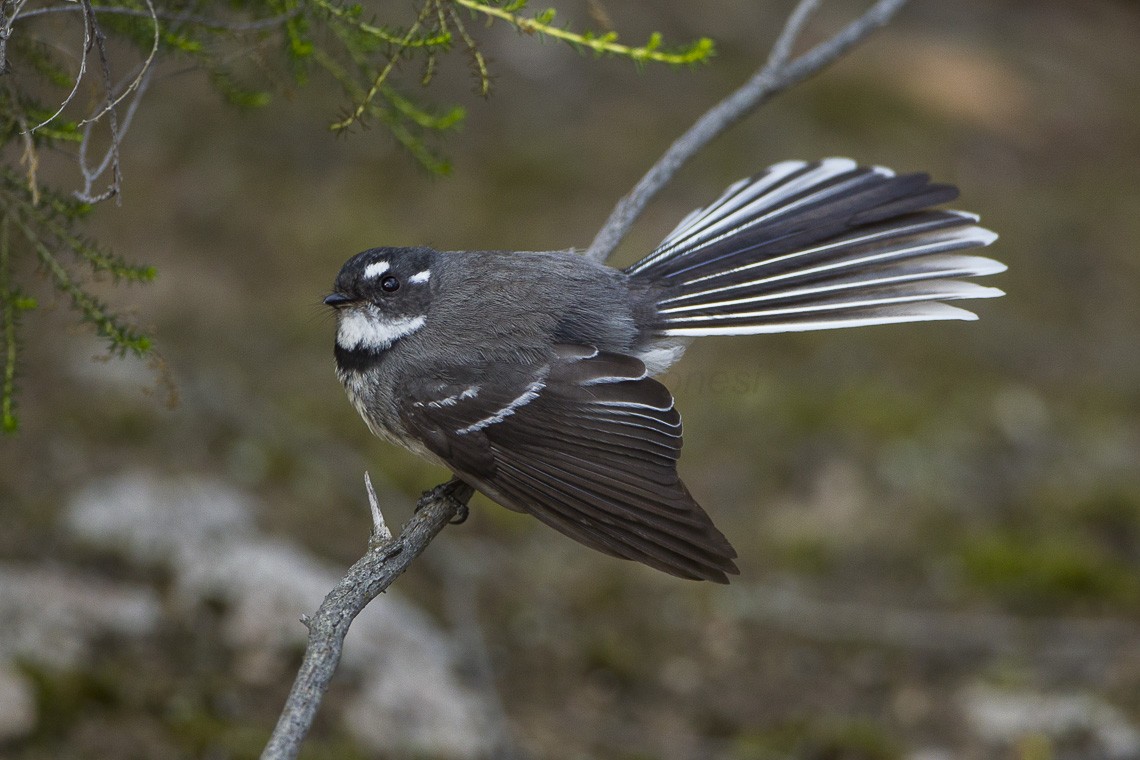
6. Grey Fantail
This fantail is mid-to-dark grey or grey-brown above, lighter (often yellowish/orange) below, with a white throat, white markings over the eye, and (depending on the race) either white-edged or entirely white outer tail feathers. It grows to 16 cm (6.3 in) in length, of which half is the tail, which, as the name implies, is often displayed fanned out. This reveals that the outer tail feathers are light and the centre ones are dark. Some races, such as keasti, have a darker plumage. During waking hours the bird is almost never still. It flits from perch to perch, sometimes on the ground but mostly on the twigs of a tree or any other convenient object, looking out for flying insects. The birds are not shy, and will often flit within a few metres of people, especially in forested areas and suburban gardens. In doing so, it is able to catch any small flying insects that may have been disturbed by human activities such as walking or digging. The bird's call is an almost metallic cheek, either as a single sound or (more often) repeated as a chattering.
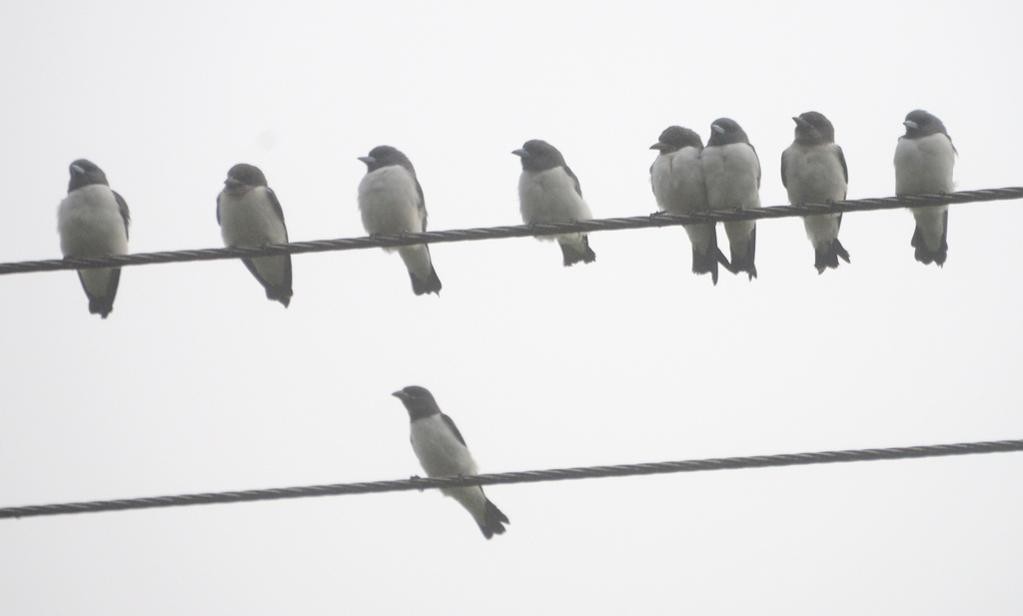
7. White-breasted Woodswallow
The White-breasted Woodswallow's plumage is dark grey on the head and neck, with white underparts, giving the species its common and scientific names, in contrast to the related great woodswallow whose upper side is a more glossy black. The stout bill of a woodswallow is bluish-grey with a black tip. White breasted woodswallows can also be identified by their short, black tail and grey feet. Their completely black tail makes them the only woodswallow lacking white on its tail. Males and females are identical in appearance. Juvenile woodswallows have a more brownish plumage around their head and mantle that is usually heavily striated. Juveniles have a buff tint on their chest and a brownish bill with a dark tip. White breasted woodswallows can grow to a maximum known size of 18cm and weigh between 35–45 grams. All 9 subspecies of Artamus leucorynchus are differentiated by small differences in color, overall size, wing length and bill size.
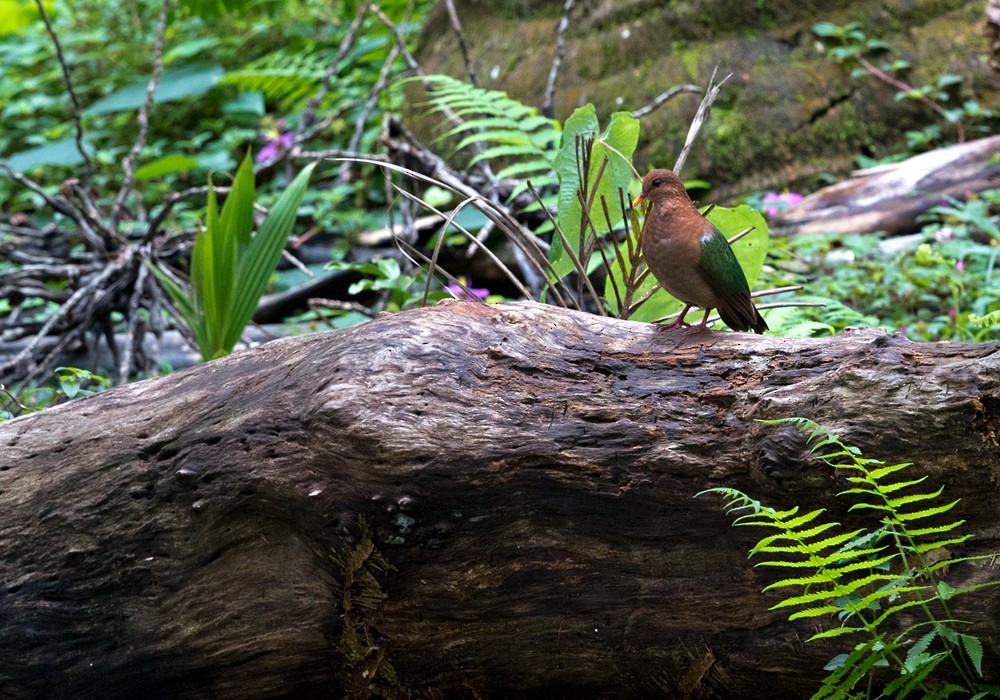
8. Pacific Emerald Dove
This is a common species in rainforest and similar dense wet woodlands, farms, gardens, mangroves and coastal heaths. It builds a scant stick nest in a tree up to five metres and lays two cream-coloured eggs. Breeding tends to occur in Australia spring or early summer in southeastern Australia and late in the dry season in northern Australia. Its flight is fast and direct, with the regular beats and an occasional sharp flick of the wings which are characteristic of pigeons in general. It often flies low between the patches of dense forest it prefers, but when disturbed will frequently walk away rather than fly. They are particularly good weavers when flying through forests. When flying they expose a buff underwing and a chestnut colour of their flight feathers. The Pacific emerald dove is a stocky, medium-sized pigeon, typically 23 to 28 centimetres (9.1 to 11.0 inches) in length. The back and wings are bright emerald green. The flight feathers and tail are blackish, and broad black and white bars show on the lower back in flight. The head and underparts are dark vinous pink fading to greyish on the lower belly. The eyes are dark brown, the bill bright red and legs and feet rufous. The male has a white patch on the edge of the shoulders and a grey crown, which the female lacks. Females will tend to have a browner complexion with a grey mark on the shoulder. Immature birds resemble females but have brown scallops on their body and wing plumage. Pacific emerald doves usually occur singly, pairs or in small groups. They are quite terrestrial, often searching for fallen fruit on the ground and spending little time in trees except when roosting. They eat seeds and fruits of a wide variety of plants and are generally tame and approachable. The call is a low soft moaning cooing consisting of about six to seven coos starting quietly and rising. They also call a nasal "hoo-hoo-hoon". Males perform a bobbing dance during courtship.
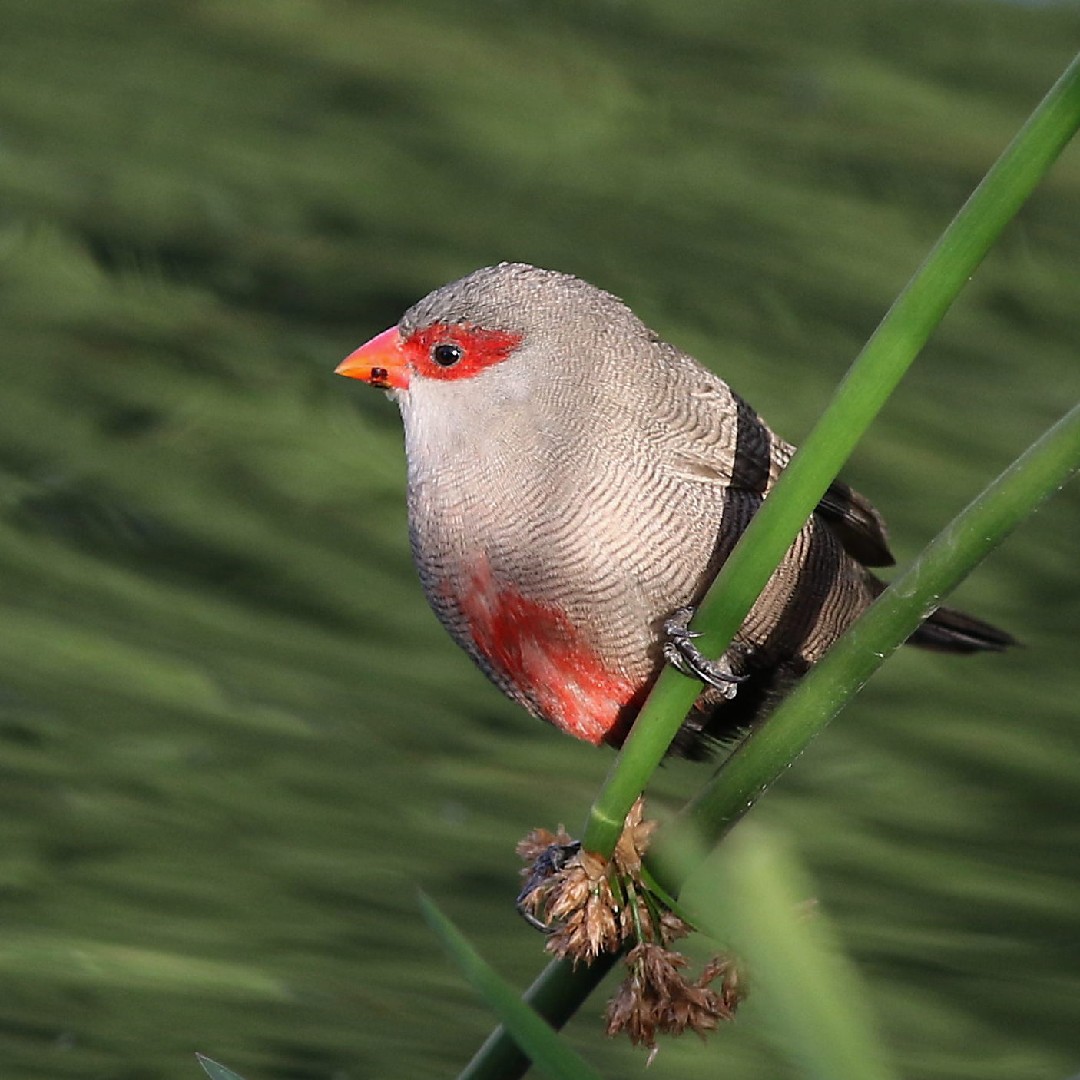
9. Common Waxbill
The common Waxbill is a small and brightly colored bird, native to Africa. It is a highly social bird, often seen in flocks foraging for seeds and insects. With its distinctive red bills and cheerful chirps, the Common Waxbill brings a touch of brightness to its habitat. This charming bird is well-adapted to its environment, making it an important part of the ecosystem. Whether foraging for food or engaging in lively courtship displays, the bird is a delight to observe.
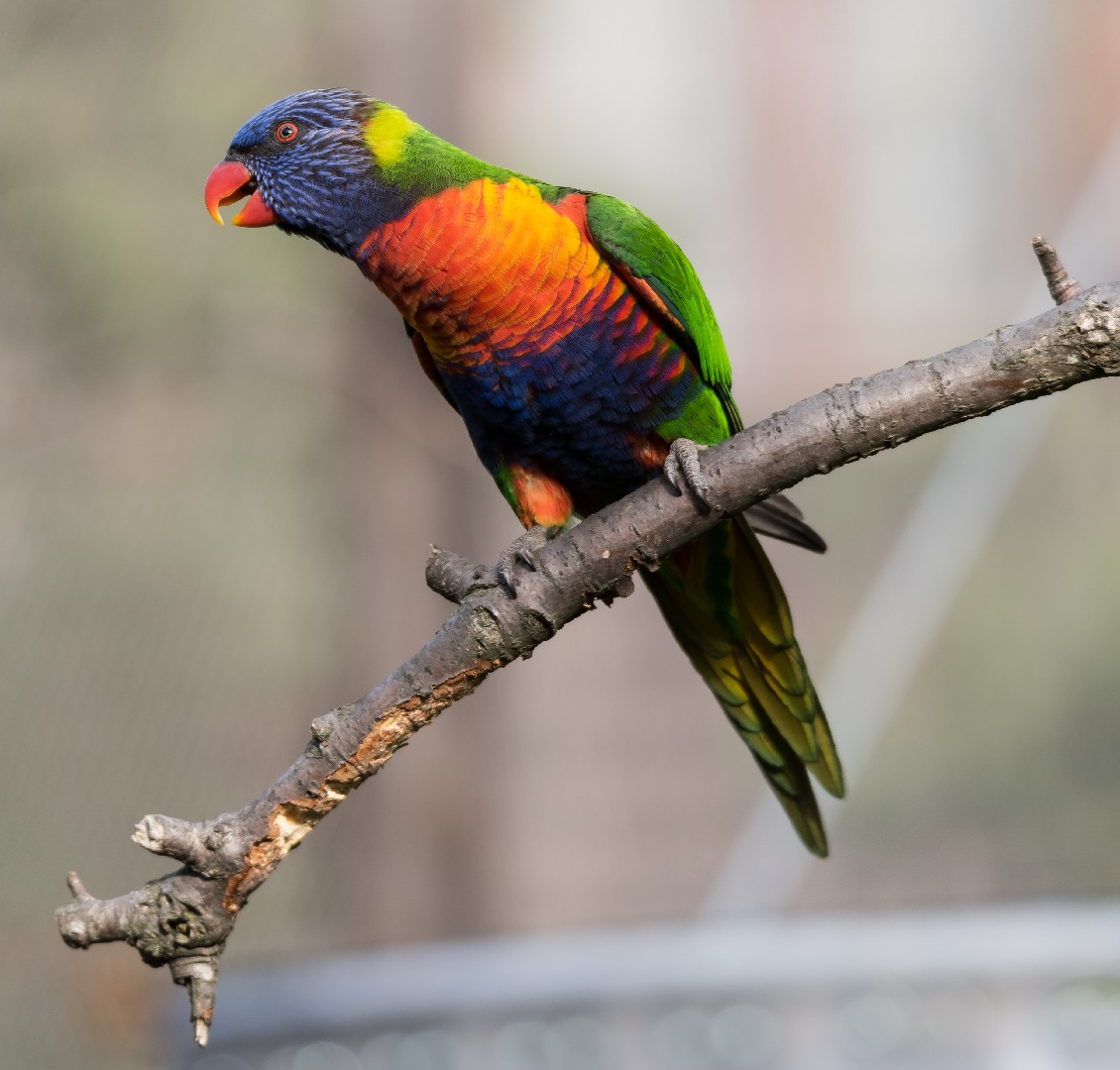
10. Coconut Lorikeet
The coconut lorikeet measures 25–30 cm (10–12 in) in length and weighs around 109–137 g (3.8–4.8 oz). The bill is orange-red, and the head dark blue fading to brown at the neck. It has a yellow collar and green upperparts. The breast is red with blue-black barring, and the belly is green with yellow barring. The tail is green above and barred in green and yellow below. The male's iris is bright red, while in the female it is orange-red.
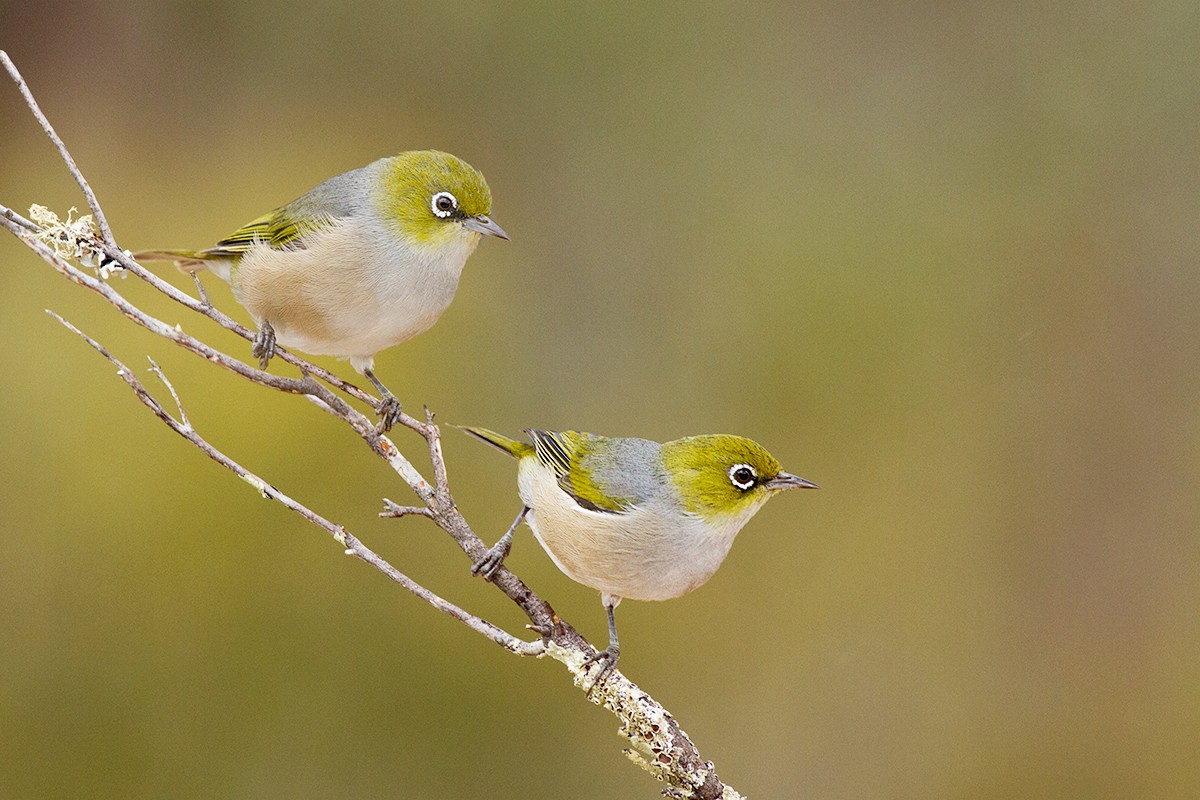
11. Silvereye
A small bird 11 to 13 cm in length and around 10 g in weight, it has a conspicuous ring of white feathers around its eye. There are a number of plumage variations depending on the sub-species. Generally it has olive-green wings and either a grey or olive-green back, a lighter coloured throat - yellow or grey, flanks that range from chestnut to pale buff, and an undertail that may be white or yellow. Within Australia there are seasonal migrations and the ranges of the sub-species overlap. The other islands within its range tend to host only a single sub-species each so only one plumage variant is seen.
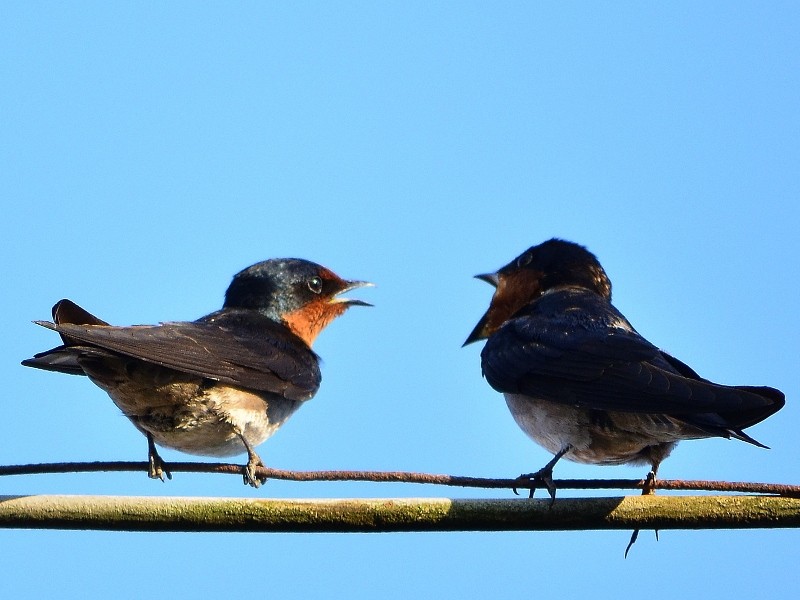
12. Pacific Swallow
The Pacific swallow (Hirundo tahitica) is a small passerine bird in the swallow family. It breeds in tropical southern Asia and the islands of the south Pacific. It is resident apart from some local seasonal movements. This bird is associated with coasts, but is increasingly spreading to forested uplands. The hill swallow was formerly considered conspecific. This species is a small swallow at 13 cm. It has a blue back with browner wings and tail, a red face and throat, and dusky underparts. It differs from the barn swallow and the closely related welcome swallow in its shorter and less forked tail. The Pacific swallow builds a neat cup-shaped nest, constructed with mud pellets collected in the beak, under a cliff ledge or on a man-made structures such as a building, bridge or tunnel. The nest is lined with softer material, and the clutch is two to three eggs. It is similar in behaviour to other aerial insectivores, such as other swallows and the unrelated swifts. It is a fast flyer and feeds on insects, especially flies, while airborne.
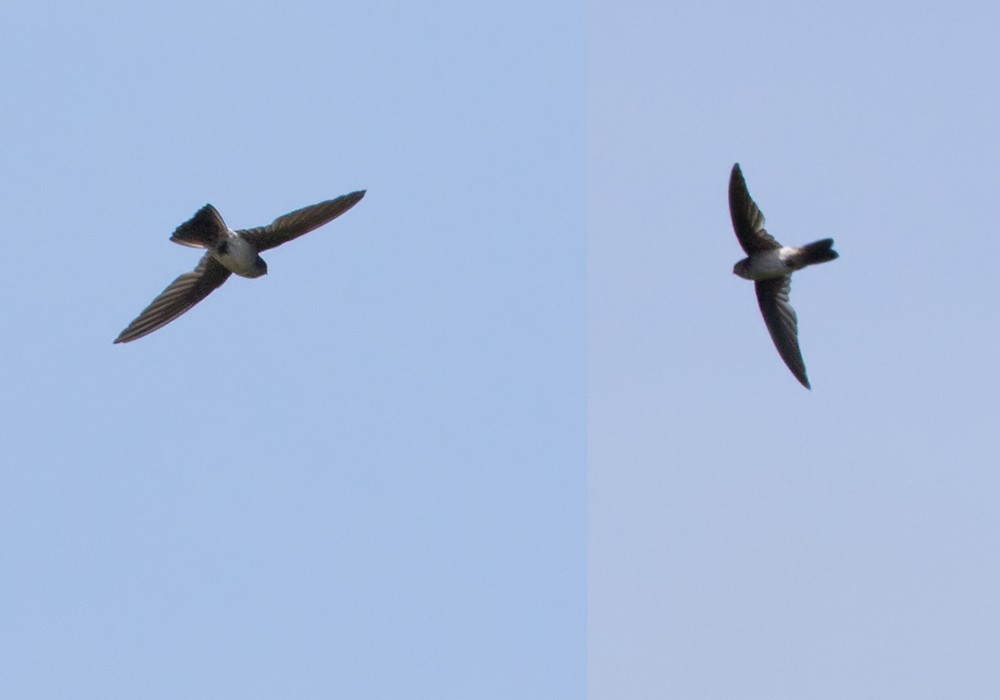
13. White-rumped Swiftlet
The white-rumped swiftlet (Aerodramus spodiopygius) is a species of swift in the family Apodidae. It is found in American Samoa, Fiji, New Caledonia, Papua New Guinea, Samoa, Solomon Islands, Tonga, and Vanuatu. Birds in Australia are now treated as a separate species, Australian swiftlet (Aerodramus terraereginae). Its natural habitats are subtropical or tropical moist lowland forests, subtropical or tropical moist montane forests, and rocky areas.
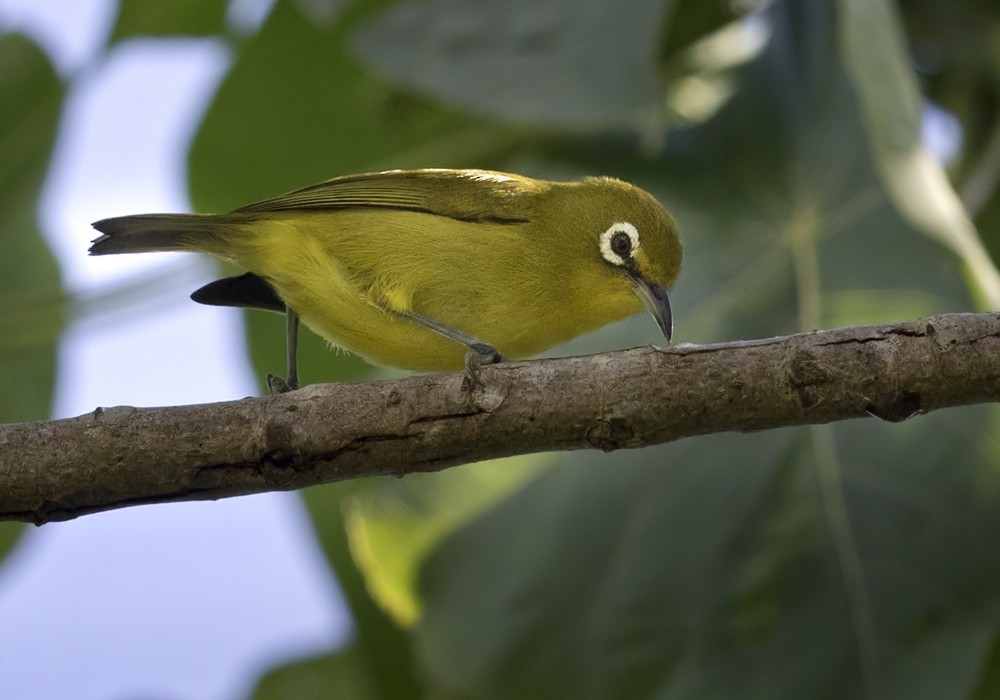
14. Vanuatu white-eye
The Vanuatu white-eye or yellow-fronted white-eye (Zosterops flavifrons) is a small passerine bird belonging to the genus Zosterops in the white-eye family Zosteropidae. It is endemic to Vanuatu, where it is one of the most common birds. It is 11–12 cm (4.3–4.7 in) long. The adult male is yellow-green above while the underparts are bright yellow or yellow-green depending on the subspecies. The forehead is yellow and there is a white ring around the eye. The legs and feet are dark grey and the bill is brown above and pinkish below. Female and immature birds are similar to the male but paler. The immatures also have a narrower eye-ring. The contact call is short and high-pitched. The song is a repeated warbling. There are seven subspecies distributed almost throughout Vanuatu from the Banks Islands in the north to Aneityum in the south. The species occurs in a variety of habitats including forest, plantations and gardens from sea level to the mountains. It forages in bushes and trees, moving around in pairs or small flocks. The varied diet includes insects, nectar and fruit such as lantana berries and wild figs. The neat, cup-shaped nest is built 2.5 m (8 ft 2 in) or more above the ground and is made of grass, pieces of bark and spider webs. The eggs are bluish-white and there are three in a clutch.
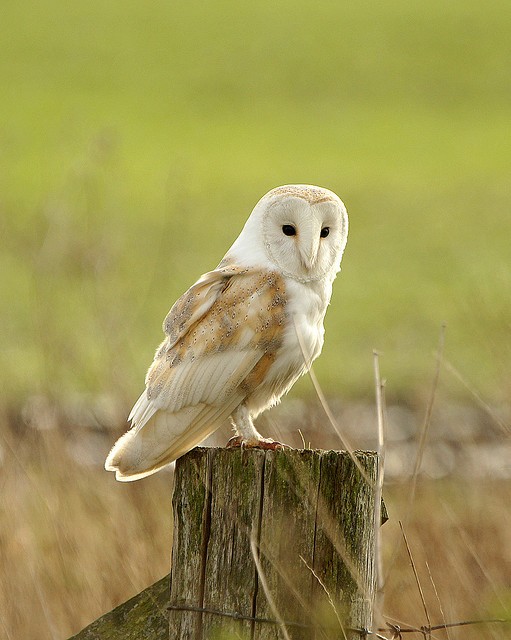
15. Barn Owl
Barn Owl is found in most parts of the world except desert and polar regions. Also known as Tyto alba, it is mostly nocturnal but hunts by day in Great Britain and some Pacific Islands. The bird also mates for life, and can only take on a new mate if its current mate dies.
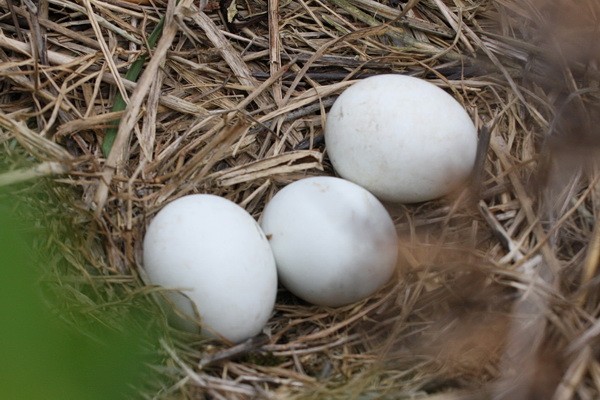
16. Swamp Harrier
The swamp harrier is largely dark brown, becoming lighter with age, and has a distinct white rump. It hunts by flying slowly, low to the ground, on upswept wings. The body length is 48 to 62 cm (19 to 24.5 in), and the wingspan is 118 to 145 cm (3 ft 10 in to 4 ft 9 in). The recorded weights of adults range from 580 to 1,100 g (1.28 to 2.43 lb). Females are significantly larger than the males. In New Zealand, 54 males averaged 640 g (1.41 lb) and 66 females averaged 870 g (1.92 lb). Going on mean weights and linear measurements, the swamp harrier may be by a slight margin the largest extant species of harrier but it is only marginally larger than some other species, like the marsh harriers and the Reunion harrier.
17. Pacific Reef Heron
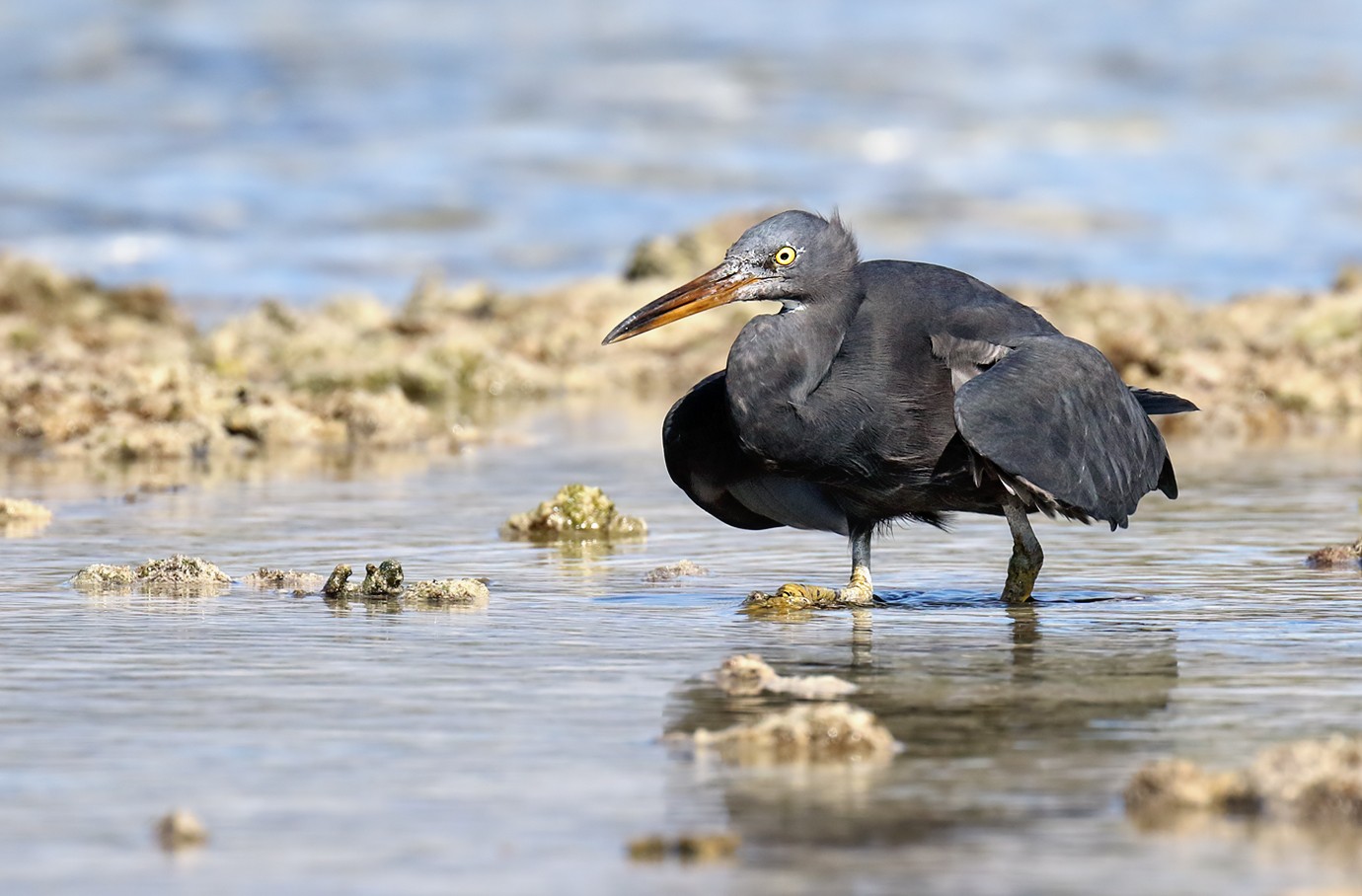
Pacific reef herons are medium-sized herons, reaching 57 to 66 cm in length. They have a wingspan of between 90 and 110 cm and reach an average weight of 400 grams. The species displays an unusual, non-sexual dimorphism, with some members having entirely white plumage ('light' morph) and others (the larger portion) being charcoal-grey ('dark' morph). The reason for the colour variation or "morph", is unknown, though it is most commonly thought to be related to camouflage. The plumage of immature herons tends to be browner and duller in colour. Pacific reef herons have very short, yellow legs, and the grey variety's throats and chins are marked by a narrow, white stripe. They have brown beaks, gold-yellow coloured eyes and the surrounding areas of their faces are normally of a greenish to yellow cast.
18. Buff-banded Rail
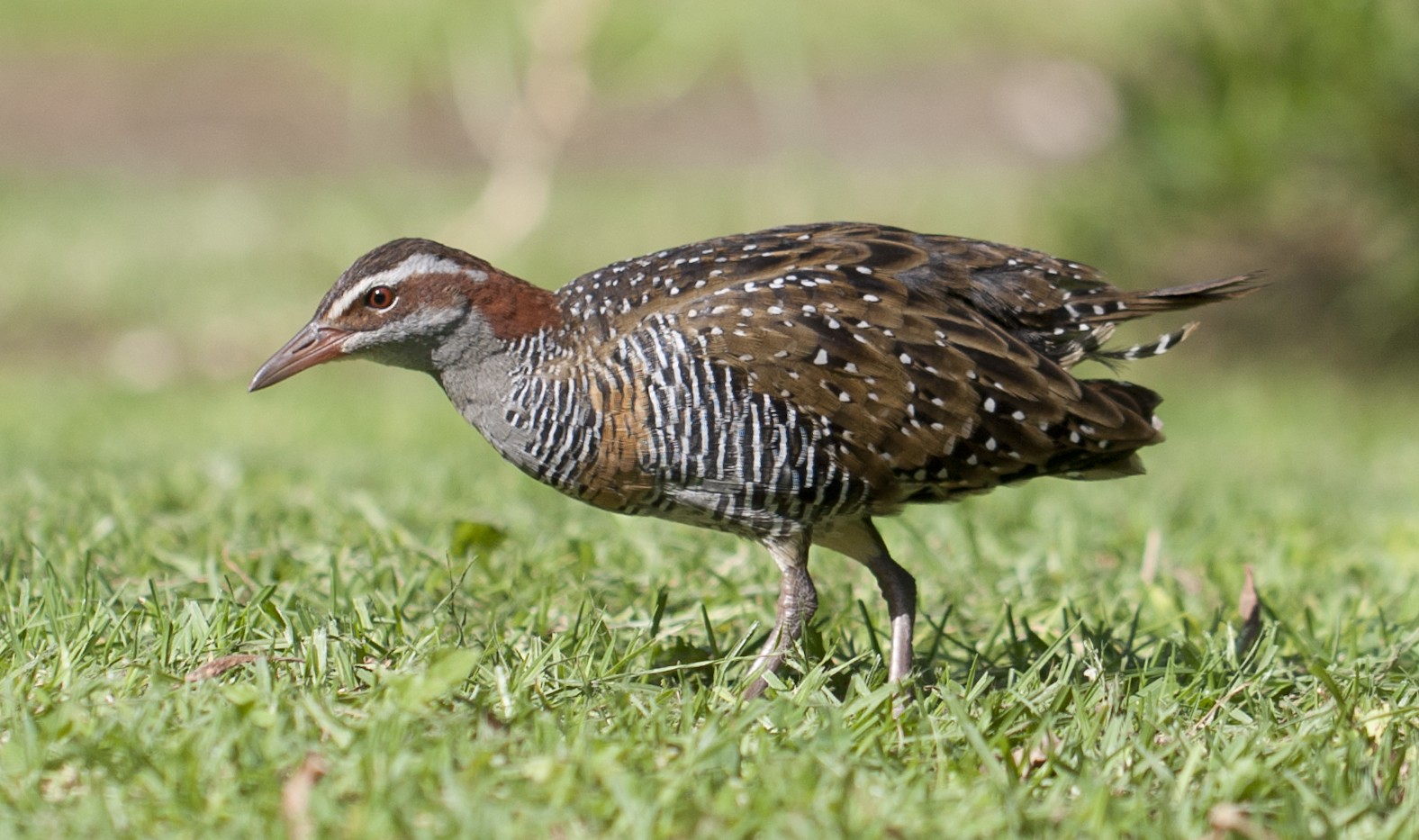
It is a largely terrestrial bird the size of a small domestic chicken, with mainly brown upperparts, finely banded black and white underparts, a white eyebrow, chestnut band running from the bill round the nape, with a buff band on the breast. It utilises a range of moist or wetland habitats with low, dense vegetation for cover. It is usually quite shy but may become very tame and bold in some circumstances, such as in island resorts within the Great Barrier Reef region. The buff-banded rail is an omnivorous scavenger which feeds on a range of terrestrial invertebrates and small vertebrates, seeds, fallen fruit and other vegetable matter, as well as carrion and refuse. Its nest is usually situated in dense grassy or reedy vegetation close to water, with a clutch size of 3–4. Although some island populations may be threatened, or even exterminated, by introduced predators, the species as a whole appears to be safe and its conservation status is considered to be of Least Concern.
19. Great Crested Tern
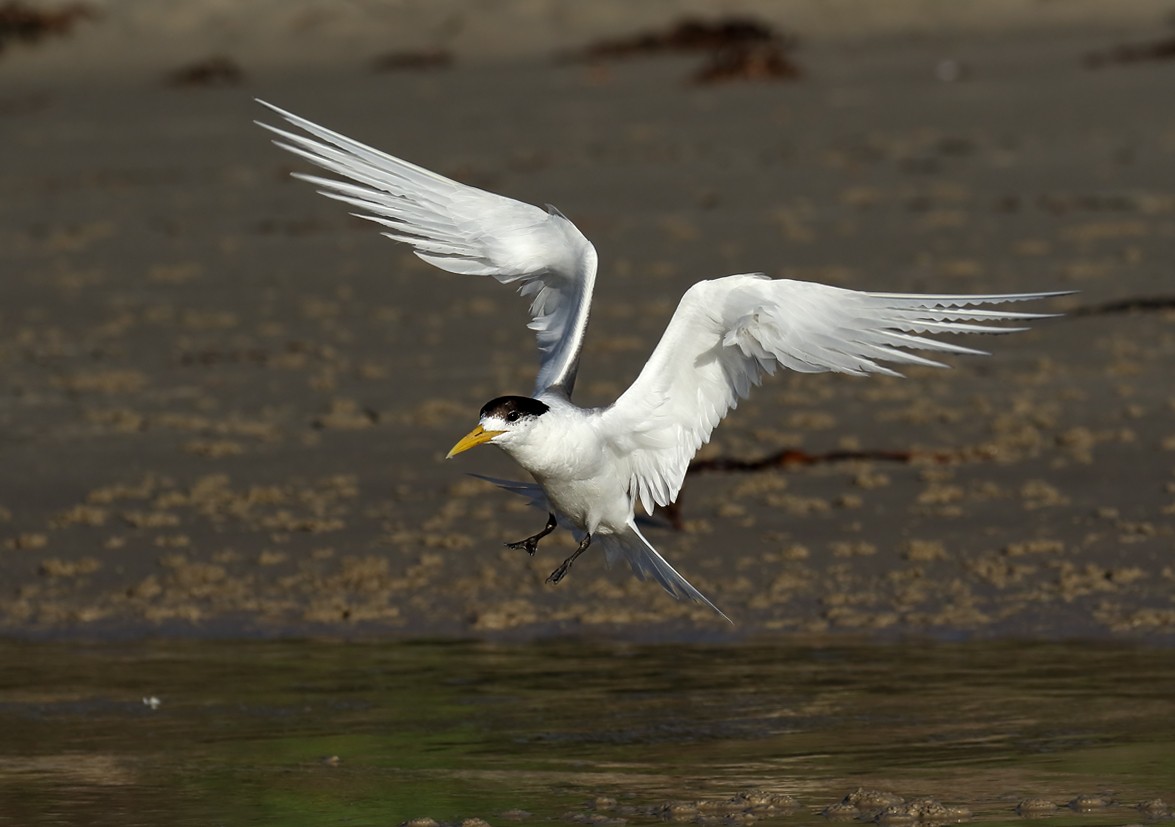
The greater crested tern is a large tern with a long (5.4–6.5 cm or 2.1–2.6 in) yellow bill, black legs, and a glossy black crest that is noticeably shaggy at its rear. The breeding adult of the nominate subspecies T. b. bergii is 46–49 cm (18–19.5 in) long, with a 125–130 cm (49–51 in) wing-span; this subspecies weighs 325–397 g (11.4–14.0 oz). The forehead and the underparts are white, the back and inner wings are dusky-grey. In winter, the upperparts plumage wears to a paler grey, and the crown of the head becomes white, merging at the rear into a peppered black crest and mask. The adults of both sexes are identical in appearance, but juvenile birds are distinctive, with a head pattern like the winter adult, and upperparts strongly patterned in grey, brown, and white; the closed wings appear to have dark bars. After moulting, the young terns resemble the adult, but still have a variegated wing pattern with a dark bar on the inner flight feathers. The northern subspecies T. b. velox and T. b. thalassina are in breeding plumage from May to September or October, whereas the relevant period for the two southern African races is from December to April. For T. b. cristata, the moult timing depends on location; birds from Australia and Oceania are in breeding plumage from September to about April, but those in Thailand, China and Sulawesi have this appearance from February to June or July. The royal tern is similar in size to this species, but has a heavier build, broader wings, a paler back and a blunter, more orange bill. The greater crested often associates with the lesser crested tern, but is 25% larger than the latter, with a proportionately longer bill, longer and heavier head, and bulkier body. Lesser crested tern has an orange-tinted bill, and in immature plumage it is much less variegated than greater crested. The greater crested tern is highly vocal, especially at its breeding grounds. The territorial advertising call is a loud, raucous, crow-like kerrak. Other calls include a korrkorrkorr given at the nest by anxious or excited birds, and a hard wep wep in flight.
20. Red Junglefowl
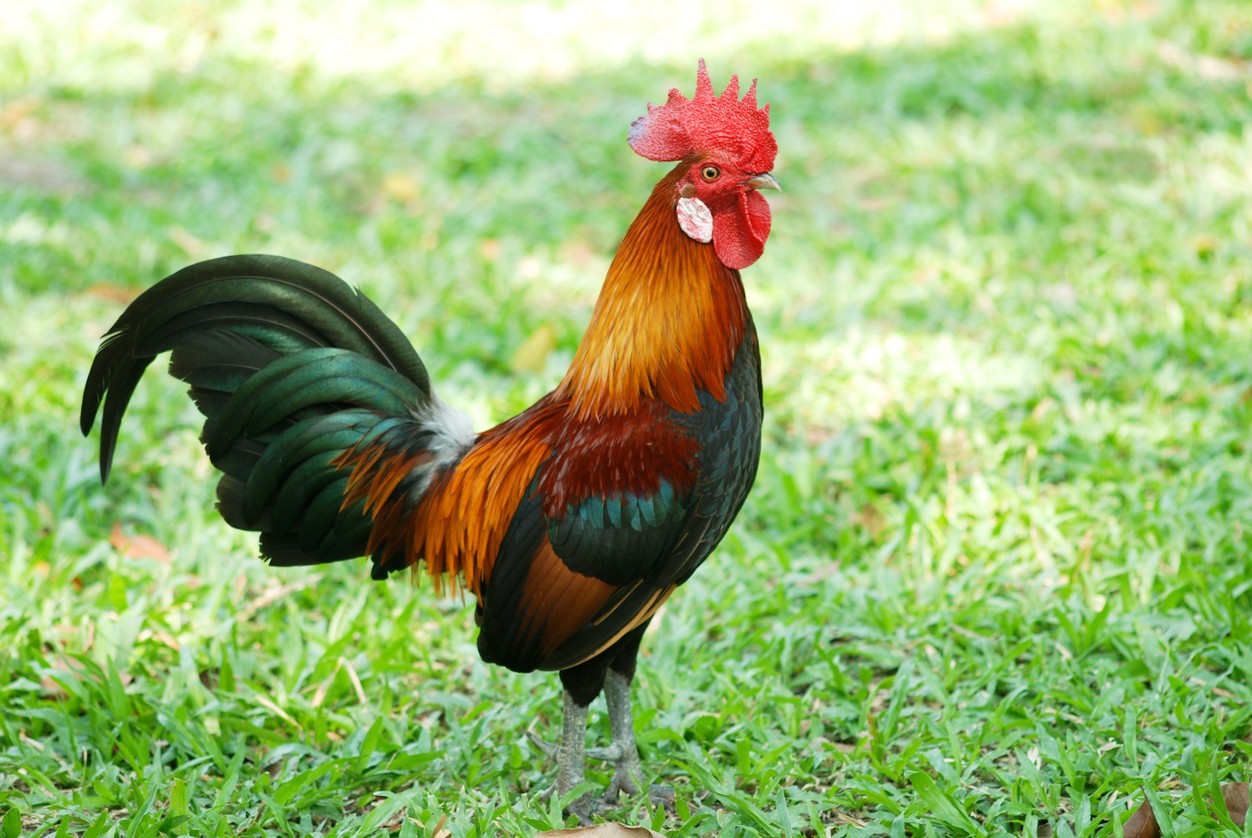
The red Junglefowl is actually the wild ancestor of the most abundant and probably most important bird species in the world—the chicken. It inhabits tropical and subtropical forests, including monsoon forests. It's a highly sociable species that lives in large groups, where the most impressive male gets the highest rank and usually has a harem of 4-5 females during the mating season.