



Top 20 Most Common Bird in Volta
The vibrant region of Volta is home to a diverse range of avifauna, thanks to its varied ecosystems ranging from wetlands to forests. The 20 most common birds demonstrate interesting traits, from distinctive plumages to peculiar behaviors, or unique adaptations. Briefly exploring these feathered denizens provides an intriguing glimpse into Volta's rich biodiversity.

Most Common Bird
1. Laughing Dove
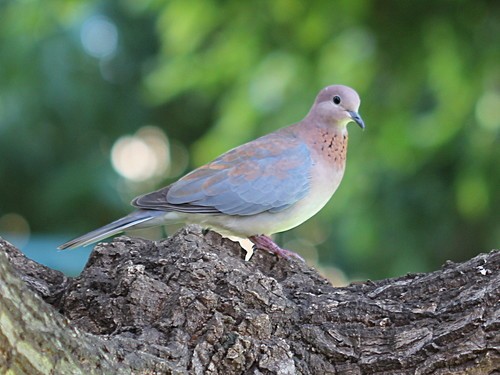
The laughing Dove is a small dove named after its distinctive laugh-like vocalization. This ground-feeding, non-migratory bird is a regular inhabitant of man-altered environments such as villages, gardens, and orchards. In cities, these doves tend to become quite confident. They pair for life and live in very small communities.
2. African Palm Swift
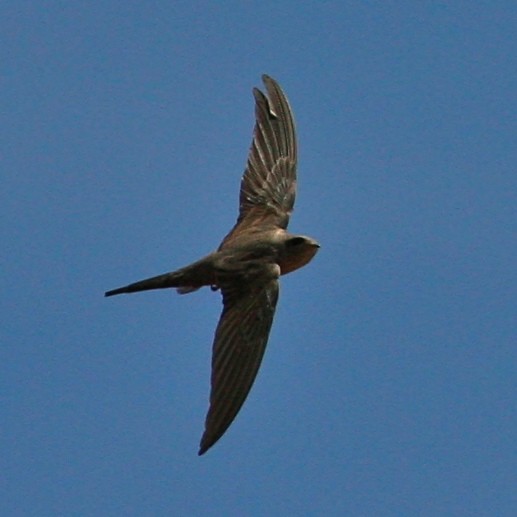
This 16 cm long species is mainly pale brown in colour. It has long swept-back wings that resemble a crescent or a boomerang. The body is slender, and the tail is long and deeply forked, although it is usually held closed. The call is a loud, shrill scream. Sexes are similar, and young birds differ mainly in their shorter tails. Palm swifts have very short legs which they use only for clinging to vertical surfaces, since swifts never settle voluntarily on the ground. 
3. Lizard Buzzard
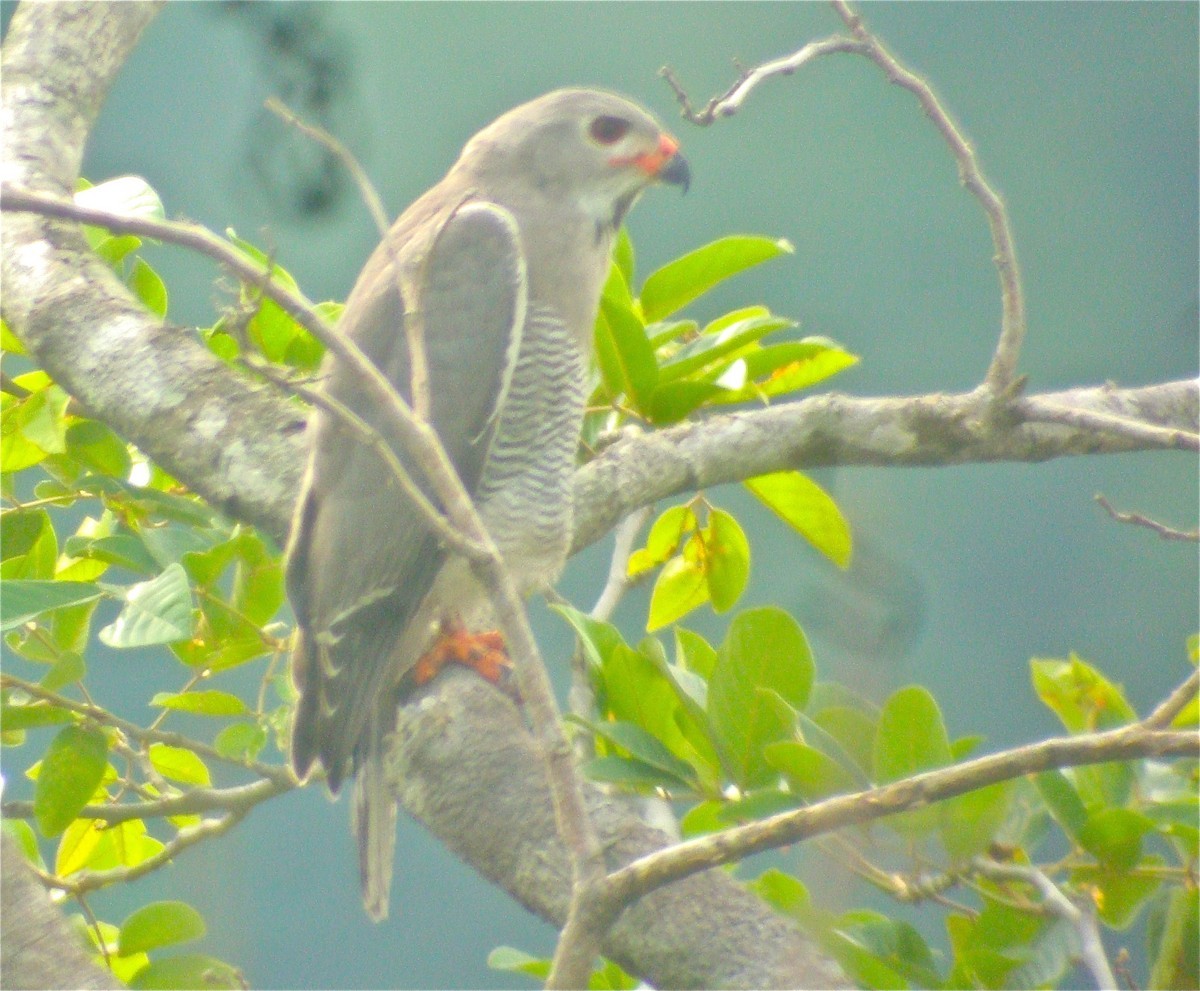
The lizard buzzard is a smallish stocky raptor with a total body length of 35–37 cm and a wingspan of about 79 cm. Males weigh 246 g, females 304 g on average. The upperparts, head and breast are grey. There is a vertical black line on the white throat, which distinguishes this species from all other raptors. The belly is white with fine dark barring. The underwings are white with dark tips. The tail is black with a white tip and a single white band. The eyes are dark reddish brown to black. The cere and legs are red to orange red. Sexes are similar. The flight pattern is undulating like a thrush. The juvenile lizard buzzard resembles the adult, the only variations are slight brown tinge to the wings with an orange yellow cere and legs.
4. Black Kite
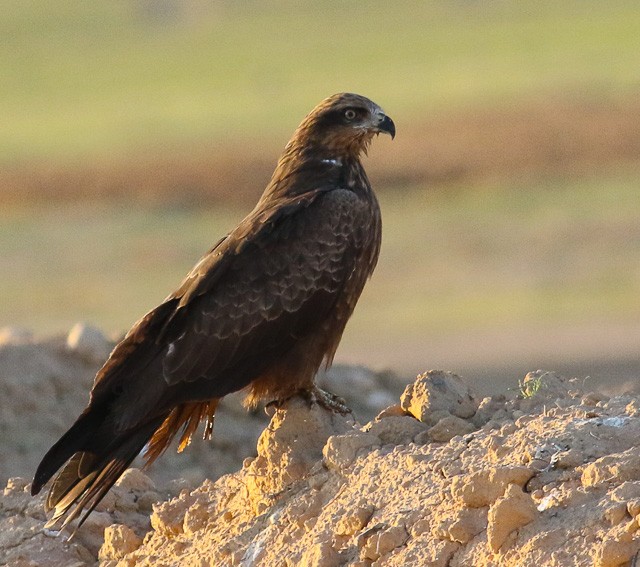
Black Kite is a bird of prey known for its aerial skills and hunting ability. Its striking appearance makes it a fascinating species to observe, and it can often be seen soaring through the skies. Black Kite is highly adaptable and can be found in a variety of habitats, making it a common sight in many areas.
5. Common Bulbul
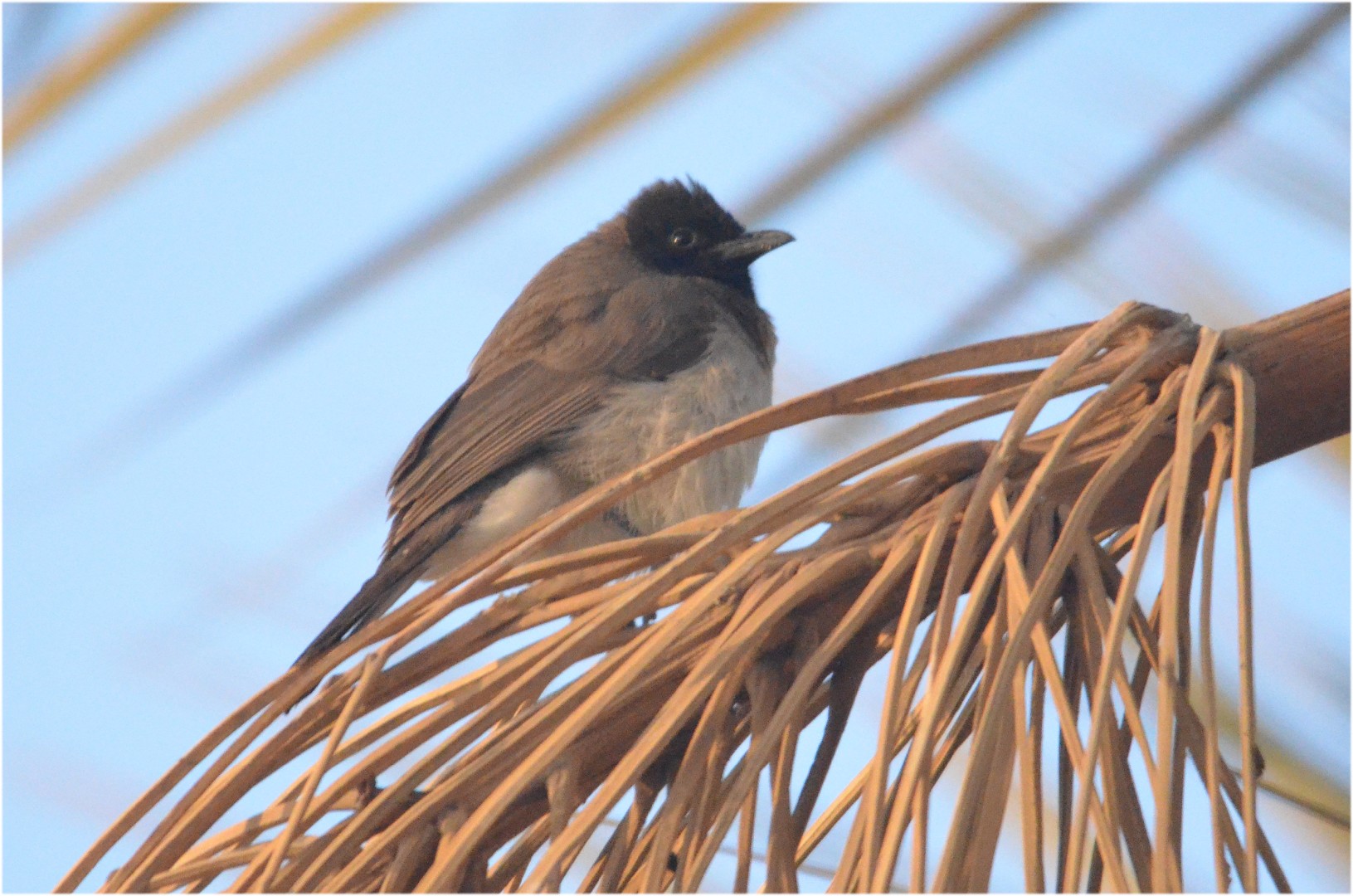
The bill is fairly short and thin, with a slightly downcurving upper mandible. The bill, legs, and feet are black and the eye is dark brown with a dark eye-ring, which is not readily visible. It is about 18 cm in length, with a long tail. It has a dark brown head and upperparts. Sexes are similar in plumage.
6. Bronze Mannikin
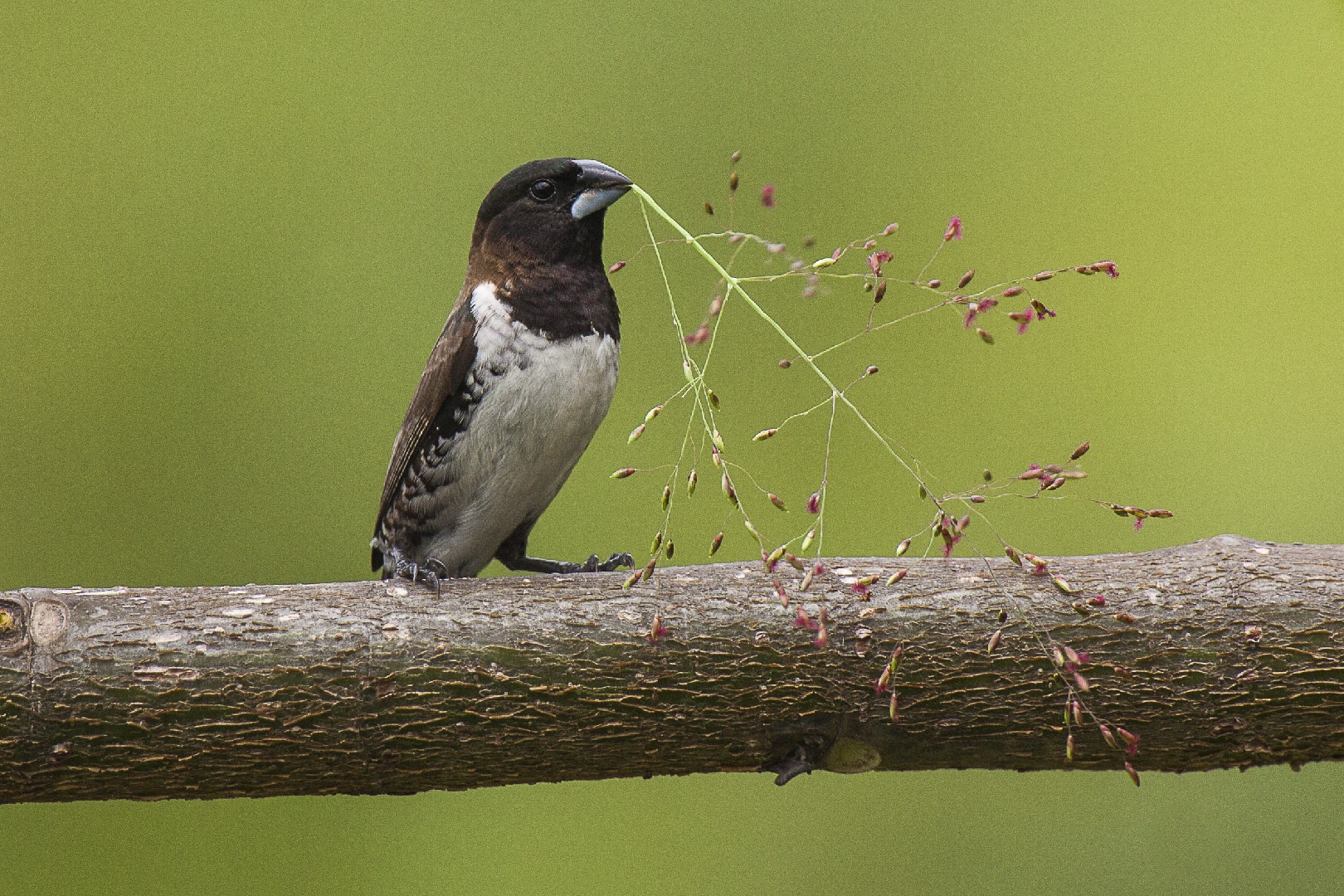
The bronze mannikin is one of the smallest munia species, measuring 9–10 cm in length and weighing 7–12 grams. The adult is a compact bird with a short black tail, and stubby black and pale grey (not distinctly bluish) mandibles. It is black to brownish black on the head, chin, throat and center of the chest, with some purple-green iridescence on the face and sides of the breast. It has greyish brown upper parts and white underparts with irregular barring on the flanks and rump. A small green iridescent patch is present on the outer scapular feathers, besides, especially in the western race, the sides of the lower breast. Wing coverts and remiges are bordered in a paler or warmer tone. The sexes are similar. Immature birds are dun brown above with buff head and underpart plumage. They moult into full adult plumage by age six months, when the males also begin to sing and exhibit breeding behaviour.
7. Guinea Turaco
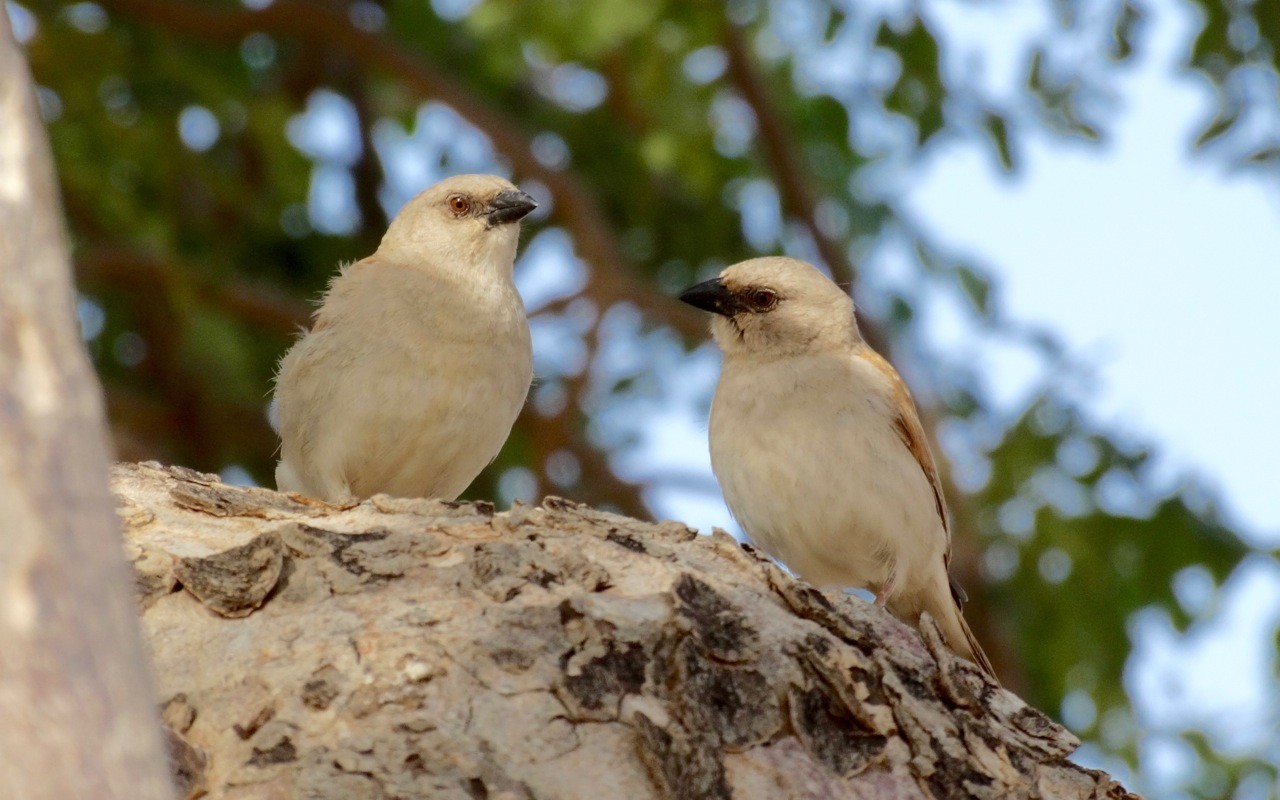
8. Northern Grey-headed Sparrow
The northern grey-headed sparrow (Passer griseus), also known as the grey-headed sparrow, is a species of bird in the sparrow family Passeridae, which is resident in much of tropical Africa. It occurs in a wide range of open habitats, including open woodlands and human habitation, often occupying the same niche as the house sparrow does in Eurasia. The adult northern grey-headed sparrow has a pale grey head with a white moustache stripe, pale brown upperparts, whitish underparts and chestnut wings with a small white shoulder patch. The sexes are similar, but young birds are slightly duller and lack the white wing patch. There are three subspecies, differing in plumage tone, especially with regard to the darkness of the head. This sparrow is mainly resident in its range, but there is some seasonal movement, and flocks of up to 50 birds form outside the breeding season. It builds a cup nest in trees, thatch, or old nests of other birds; 2–4 eggs are laid. This species feeds principally on seeds and grain, like other sparrows, but will readily take insects including termites, especially when feeding young. The calls include cheeps and chirps, and the typical sparrow churring alarm call. The northern grey-headed sparrow is replaced in eastern and southern Africa by very similar birds that are sometimes considered races of this species: Swainson's sparrow, the parrot-billed sparrow, the Swahili sparrow, and the southern grey-headed sparrow. According to phylogenetic studies by Arnaiz-Villena et al., this species is indeed related to the other grey-headed sparrows, and these species together are most closely related within genus Passer to the house sparrow and allies.
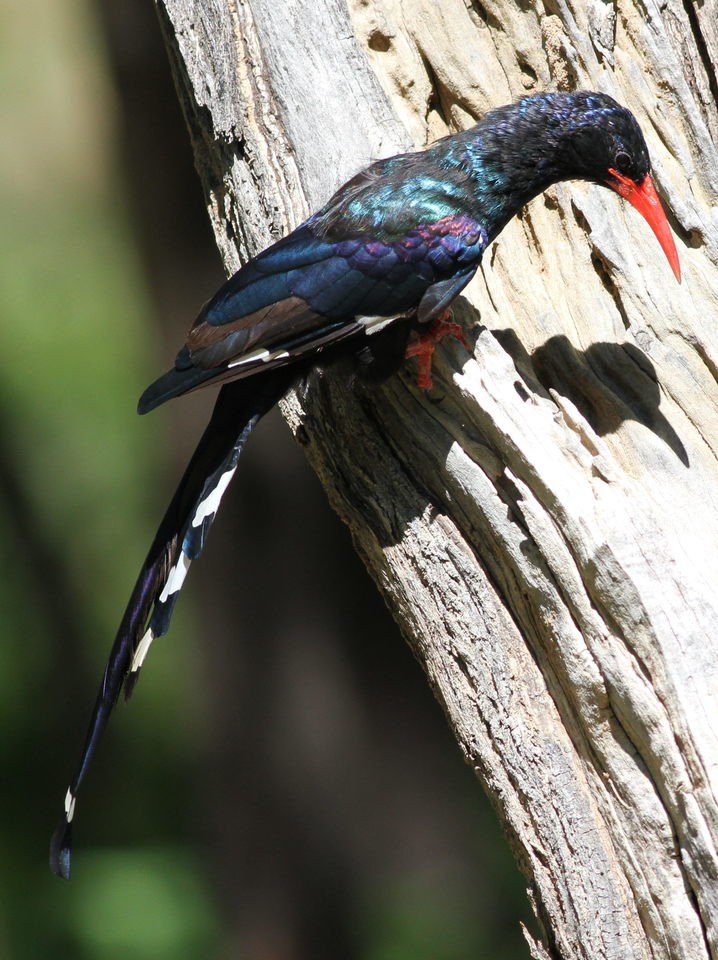
9. Green Woodhoopoe
This abundant species is a metallic dark green, with a purple back and very long diamond-shaped purple tail. Distinctive white markings on the wings and white chevrons on the tail edges make it easily identifiable, as does its long, thin, curved red bill. Sexes are similar, but immatures have a black bill.
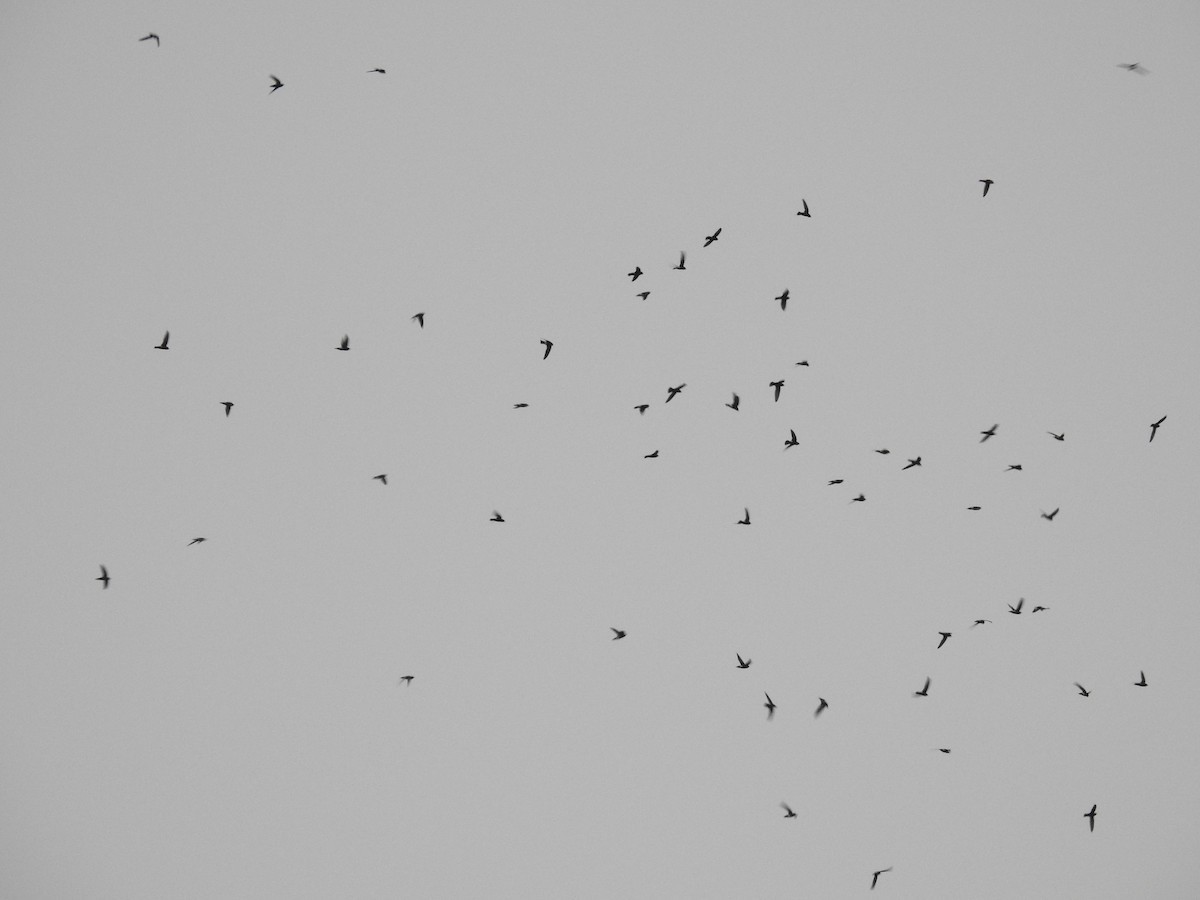
10. Little Swift
Little swifts are readily identified by their small size. Their wingspan is only 33 cm compared to 42 cm in the case of common swift. Their plumage is black except for a white throat and rump, the white rump patch extending onto the flanks. They have a short square tail, with all rectrices round-tipped. The flight is fluttering like that of a house martin, and the call is a high twittering. Like other swifts they are very short-legged. The legs are used for clinging to vertical surfaces only.
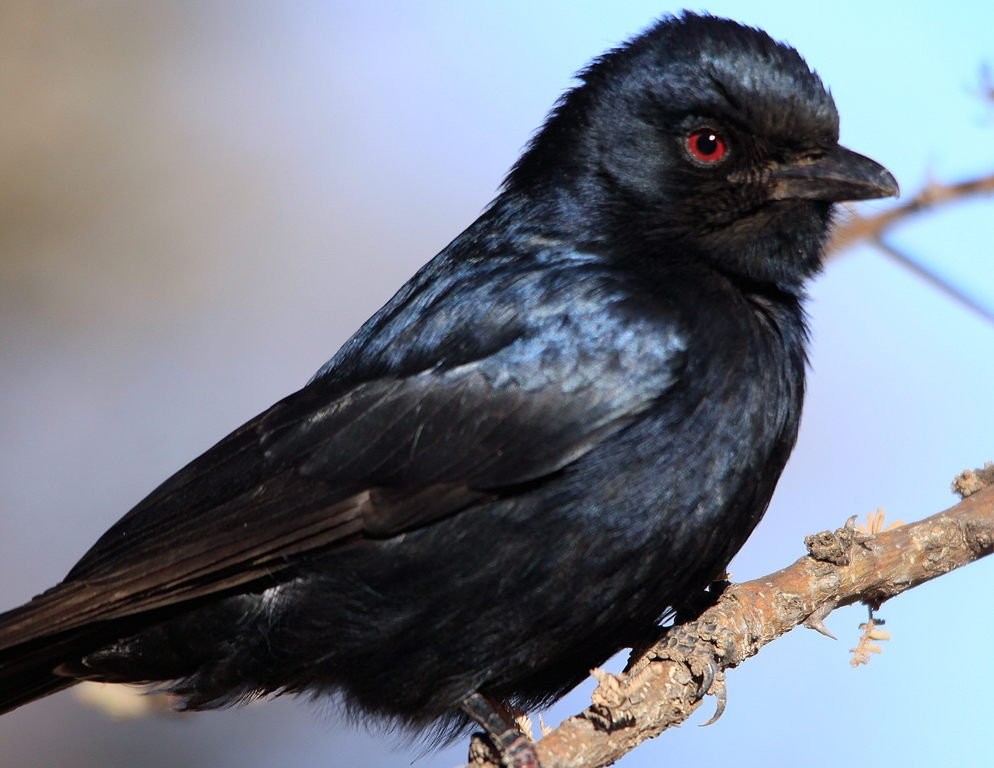
11. Fork-tailed Drongo
The fork-tailed drongo is 25 cm long and has short legs. They are medium sized and usually weigh about 50 grams. Males are mainly glossy black, although their wings are duller. Females are similar but less glossy. It is large-headed with well-developed rictal and nasal bristles, which are used as sensory organs. The rectrices curve outwards, forming the forked tail for which the species is named. The hooked bill is black and heavy, and the eye is red.
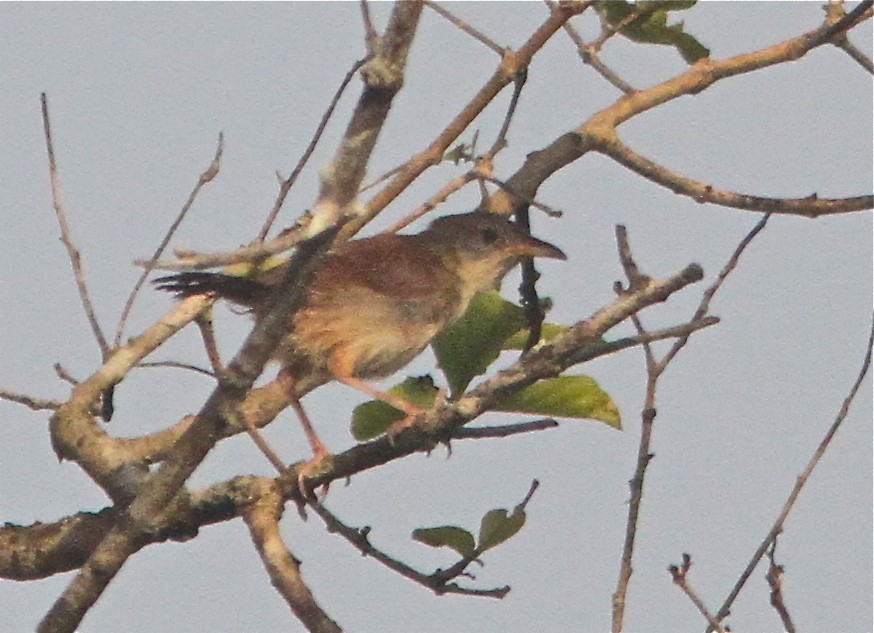
12. Whistling cisticola
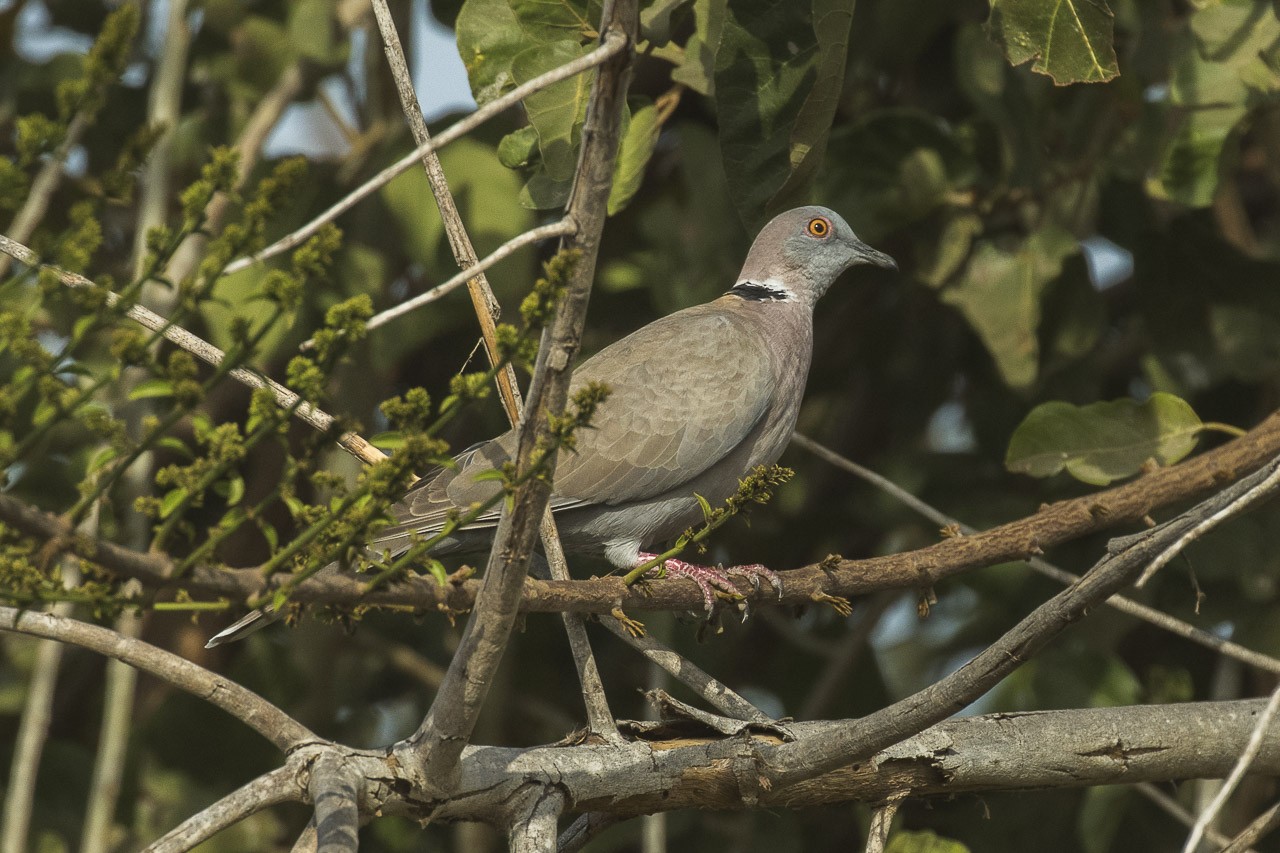
13. Red-eyed Dove
The red-eyed dove is a largish, stocky pigeon, typically 30 cm (12 inches) in length. Its back, wings and tail are pale brown. When flying, it shows blackish flight feathers. The head and underparts are dark vinous-pink, shading to pale grey on the face. There is a black hind neck patch edged with white. The legs and a patch of bare skin around the eye are red. The call is a loud doo-doo-du-du. Sexes are similar, but juveniles are duller than adults, and have scalloping on the body feathers. Red-eyed doves eat grass seeds, grains and other vegetation. They often forage on the ground.
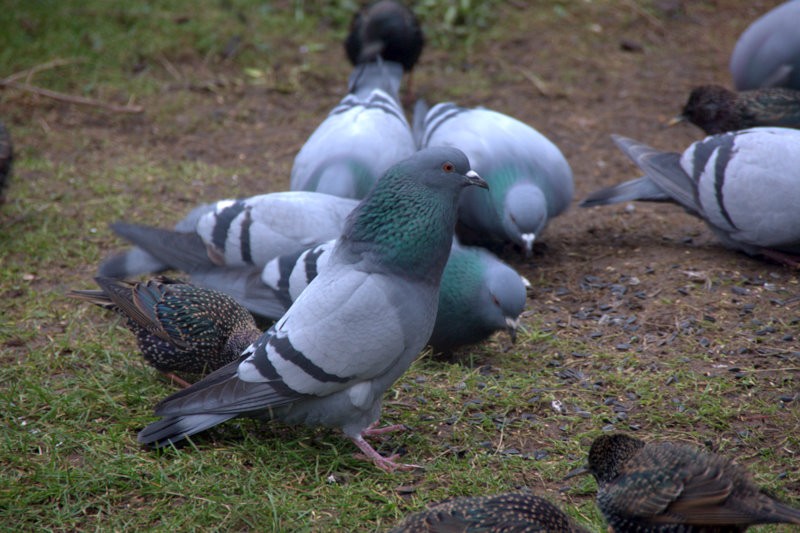
14. Rock Pigeon
The rock Pigeon is a wild ancestor of all domestic and feral pigeons, inhabiting coasts, cliffs, and caves. Pairs nest in rock crevices, often mating for life. They are known for their ability to fly very long distances to return to their homes, navigating using the sun's position and the earth's magnetic fields. Thanks to this ability, pigeons were used as messengers, particularly during World Wars I and II.
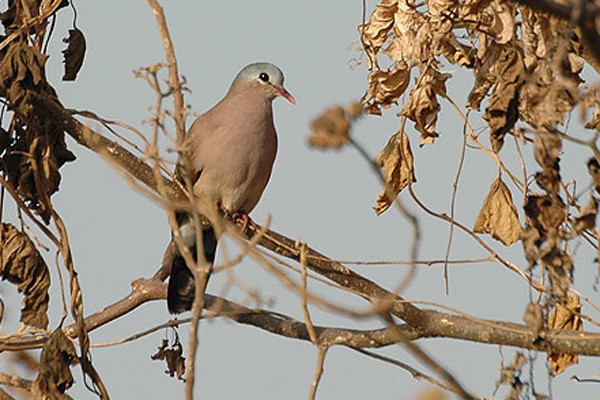
15. Blue-spotted Wood Dove
The blue-spotted wood dove (Turtur afer) is a species of bird in the family Columbidae. It is abundantly present throughout Africa south of the Sahel; it is partially present in East Africa and absent in southern Africa.
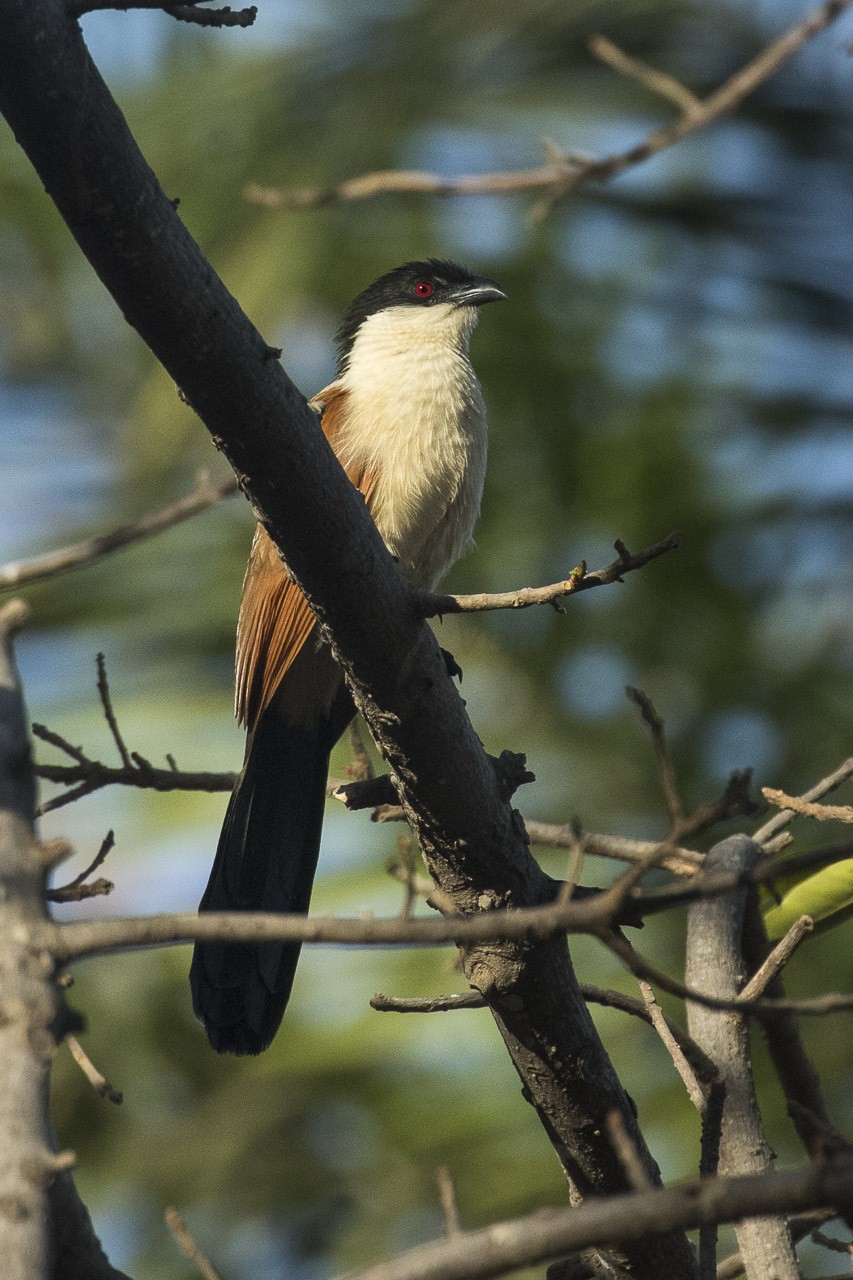
16. Senegal Coucal
This is a medium-sized species at 39 cm (15 in). Its crown, nape and upper parts, bill, legs and long tail are black, the eyes are red, the wings are chestnut, and the underparts are creamy white, with blackish barring on the flanks. The sexes are similar, but juveniles are browner and more heavily barred above, with buff to cinnamon, barred and streaked underparts.
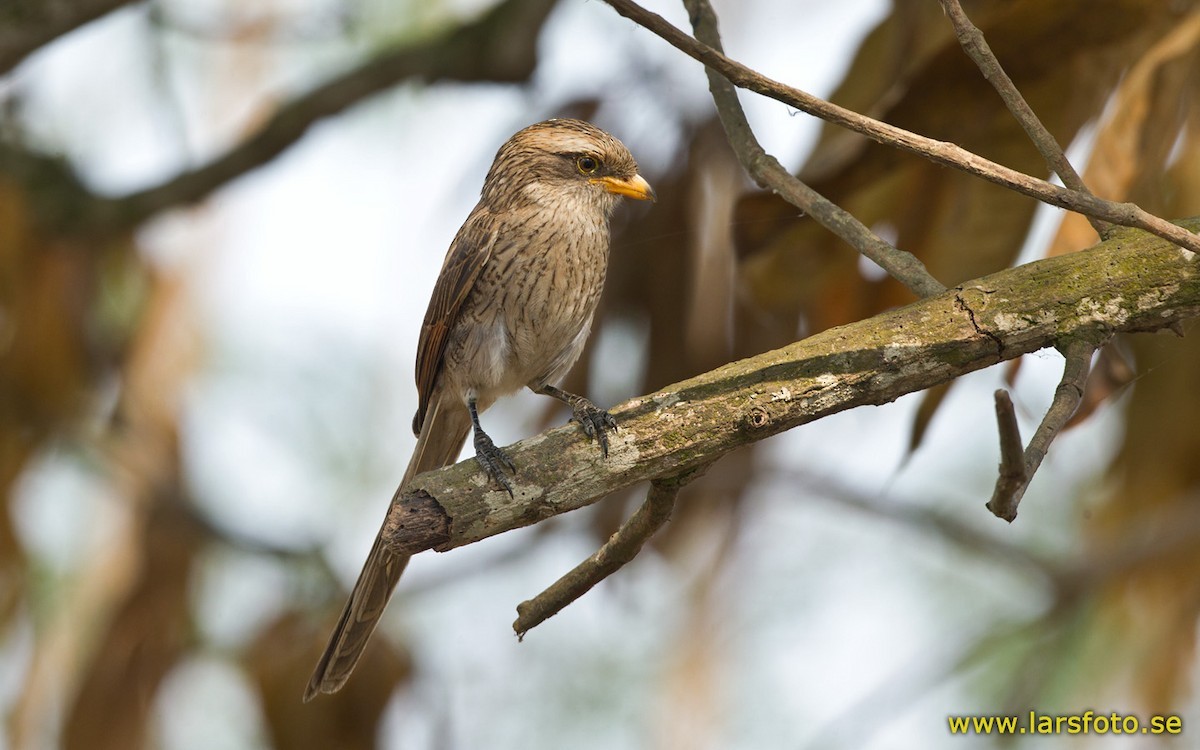
17. Yellow-billed Shrike
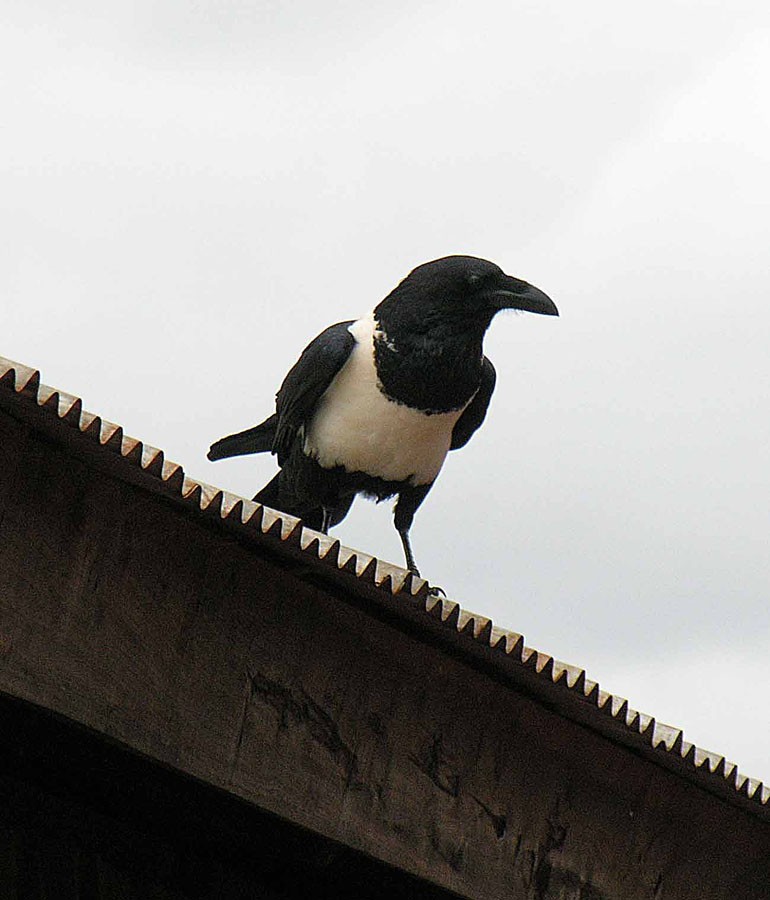
18. Pied Crow
It is approximately the size of the European carrion crow or a little larger (46–50 cm in length) but has a proportionately larger bill, slightly longer tail and wings, and longer legs. As its name suggests, its glossy black head and neck are interrupted by a large area of white feathering from the shoulders down to the lower breast. The tail, bill and wings are black too. The eyes are dark brown. The white plumage of immature birds is often mixed with black. It resembles the white-necked and thick-billed ravens but has a much smaller bill.
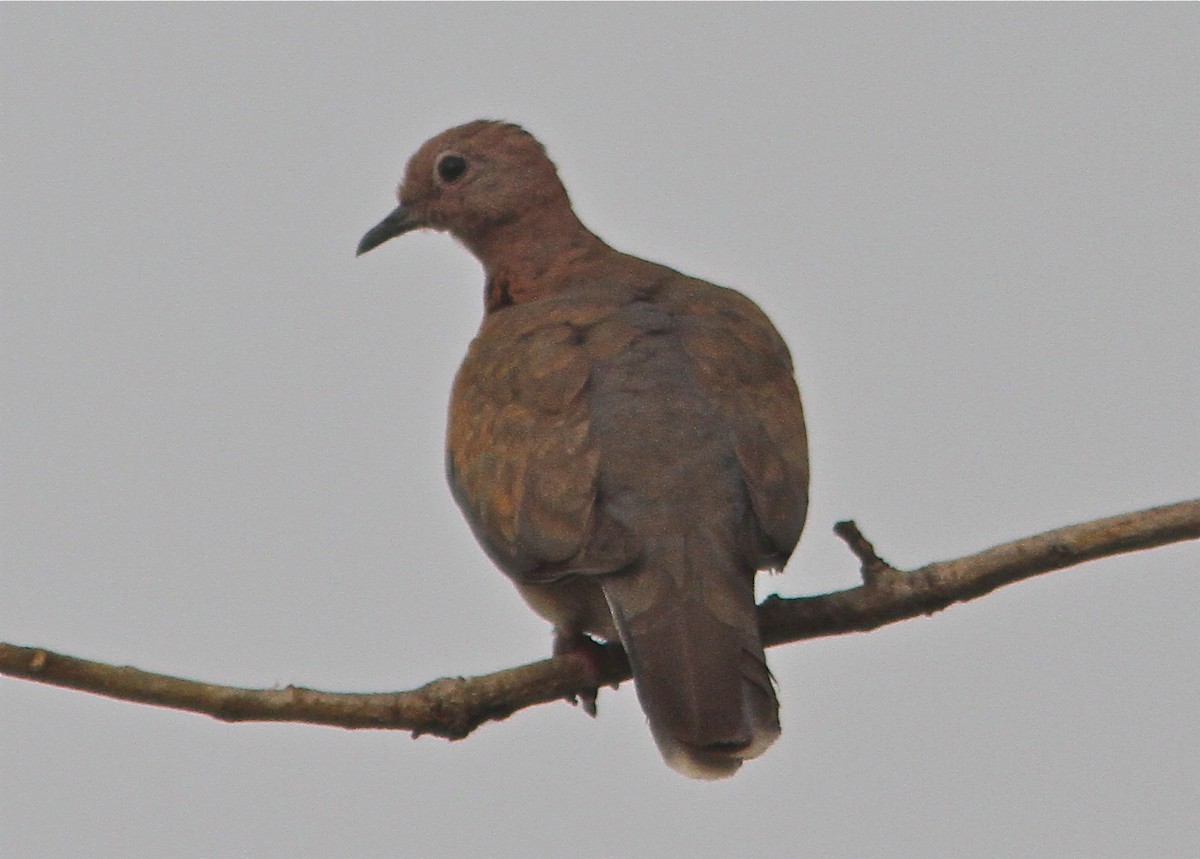
19. Vinaceous Dove
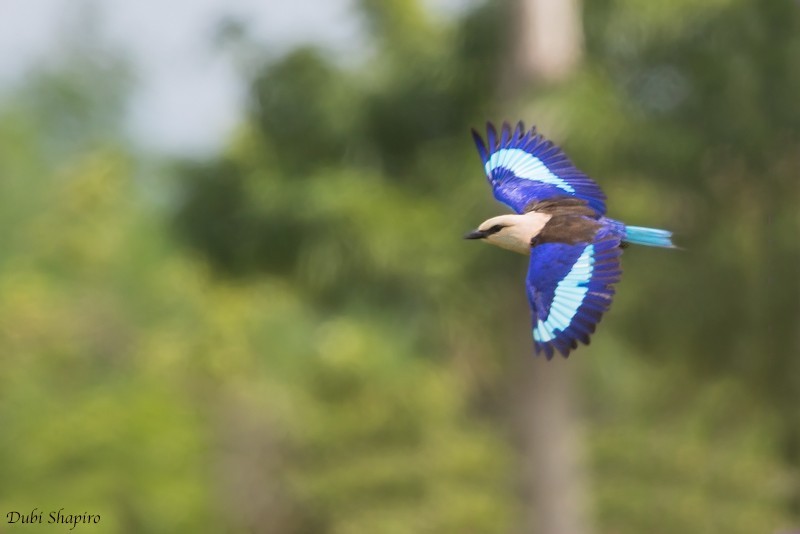
20. Blue-bellied Roller
The blue-bellied roller is a large bird, nearly the size of a jackdaw at 28–30 cm. It has a dark green back, white head, neck and breast, with the rest of the plumage mainly blue. Adults have 6 cm tail streamers. Sexes are similar, but the juvenile is a drabber version of the adult. The blue-bellied roller is striking in its strong direct flight, with the brilliant blues of the wings contrasting with the dark back and cream colored head, and the tail streamers trailing behind. The call of blue-bellied roller is a harsh clicking ga-ga-ga sound.