




Top 20 Most Common Bird in Trang
In the diverse ecosystem of Trang, 20 common bird species flourish. These exquisite avians are notable for their vivid colorations, unusual mating behaviors, and unique adaptations for survival. From beach coastlines to lush inland forests, these birds embody the rich biodiversity of Trang, each playing a significant role in the region's ecology.

Most Common Bird
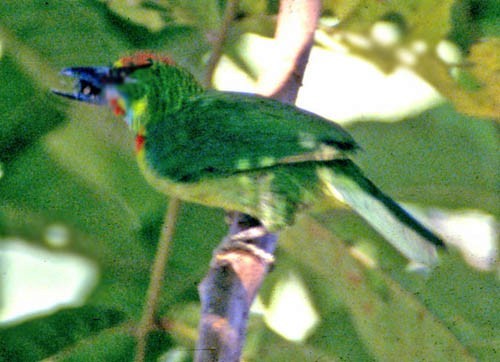
1. Red-throated Barbet
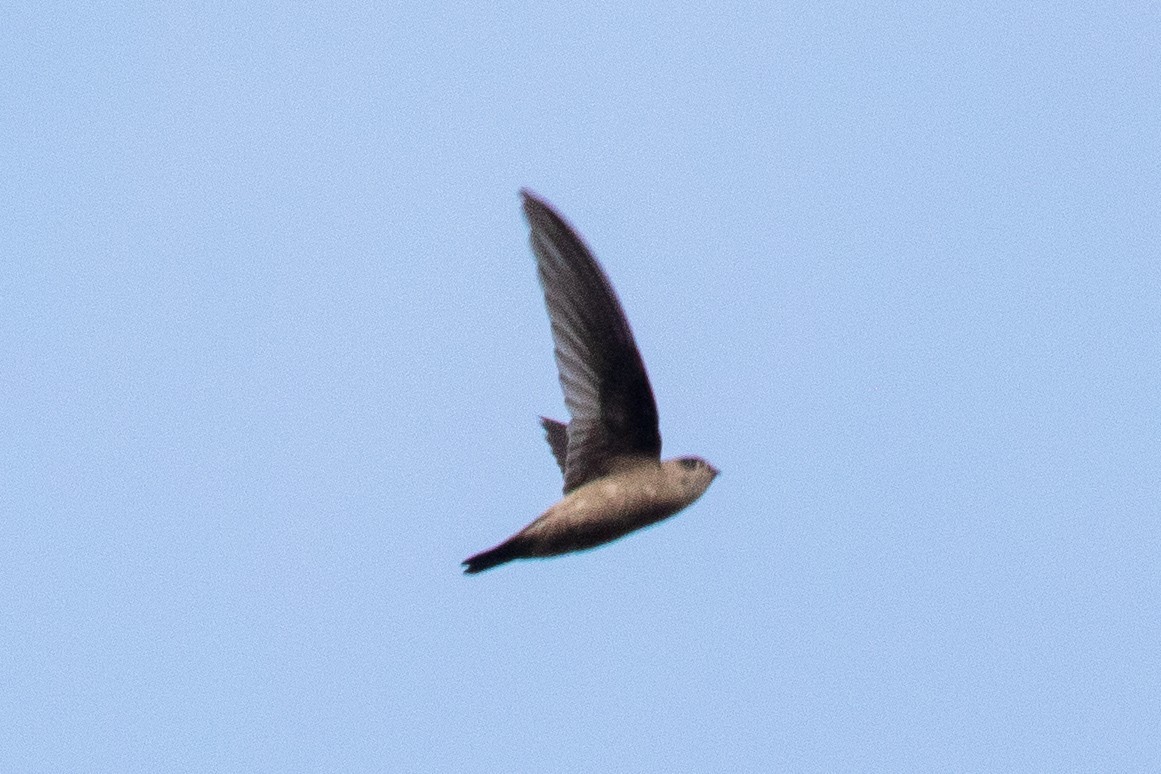
2. Germain's Swiftlet
This swiftlet is 12 cm long and weighs 13 to 14 grams. The plumage is blackish-brown above, but much paler on the underparts. The tail is slightly forked and the wings are long and narrow. The bill and feet are black. The nominate subspecies C. g. germani from Hainan south to Thailand and northern Malaysia has a whitish rump, but C. g. amechanus of the rest of Malaysia has a grey rump. These two forms are sometimes considered to be subspecies of the edible-nest swiftlet. Several calls are uttered including a loud zwing and various chip calls used for echolocation in dark caves. Himalayan swiftlet winters within the range of Germain's swiftlet, but is larger and bulkier, and has a greyer rump than C. g. germani. 

3. Common Tailorbird
The common Tailorbird is famous for its nests, which are leaves that have been sewn together. Also known as Orthotomus sutorius, it is found across tropical regions in Asia and can be identified by its long, erect tail. The male and female take care of the chicks, and there have been recorded cases of a pair adopting chicks from another couple.
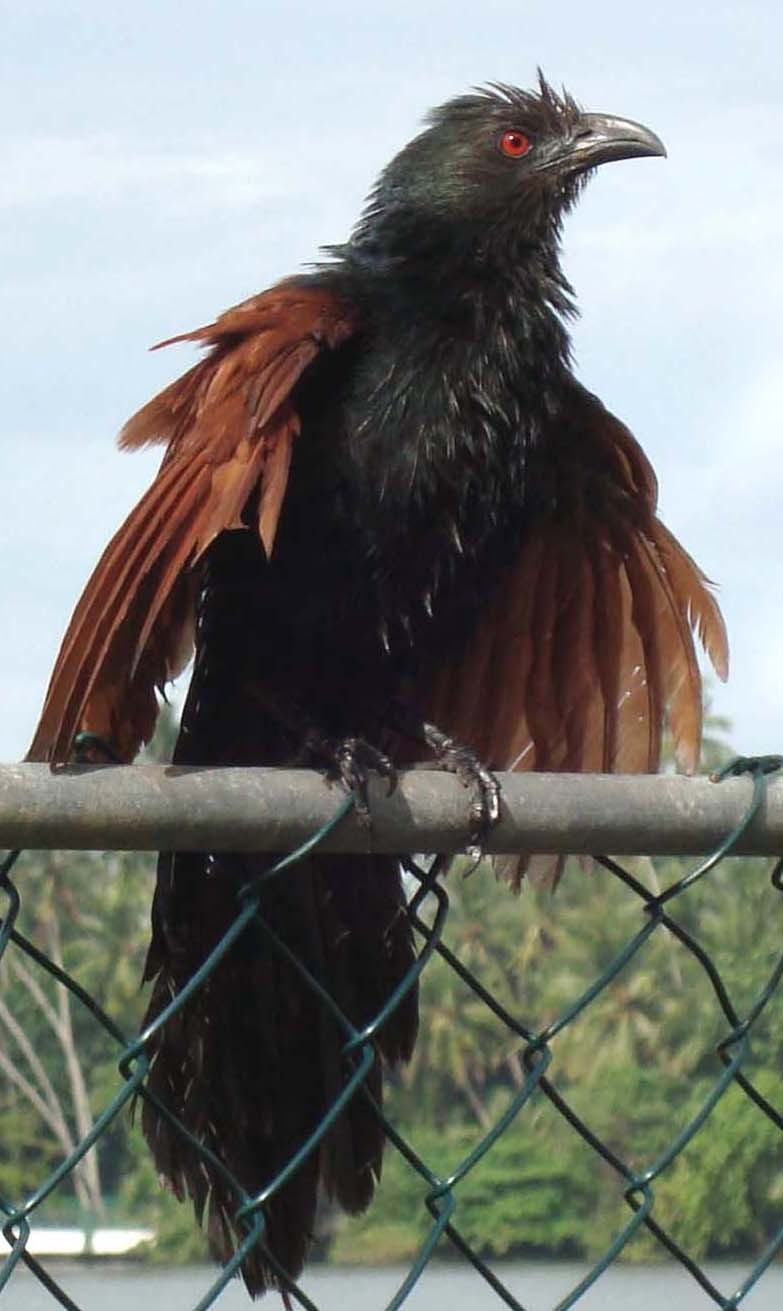
4. Greater Coucal
This is a large species of cuckoo. The head is black, upper mantle and underside are black glossed with purple. The back and wings are chestnut brown. There are no pale shaft streaks on the coverts. The eyes are ruby red. Juveniles are duller black with spots on the crown and there are whitish bars on the underside and tail. There are several geographic races and some of these populations are sometimes treated as full species.

5. Dark-necked Tailorbird
The dark-necked tailorbird (Orthotomus atrogularis) is a songbird species. Formerly placed in the "Old World warbler" assemblage, it is now placed in the family Cisticolidae. It is found in Bangladesh, Northeast India and Southeast Asia. Its natural habitats are subtropical or tropical moist lowland forest and subtropical or tropical mangrove forest.

6. Ayeyarwady Bulbul
The Ayeyarwady bulbul (Pycnonotus blanfordi) is a member of the bulbul family of passerine birds. It is endemic to Myanmar. Its natural habitat is subtropical or tropical moist lowland forests. Until 2016, the Ayeyarwady bulbul was considered to be conspecific with the streak-eared bulbul (now Pycnonotus conradi).
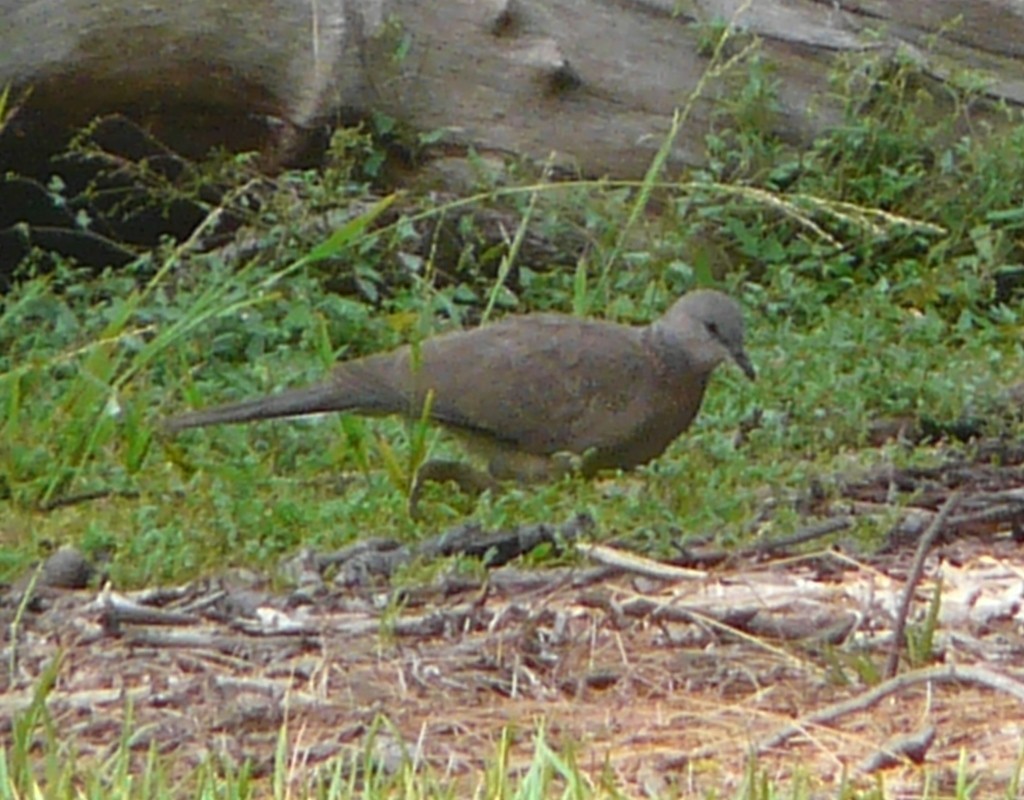
7. Spotted Dove
The spotted Dove is a medium-sized bird that is swift in flight. It prefers to live year-round in warm climates in suburban areas, especially in parks. Their nests are mostly made out of sticks and they like to dine on insects and seeds.
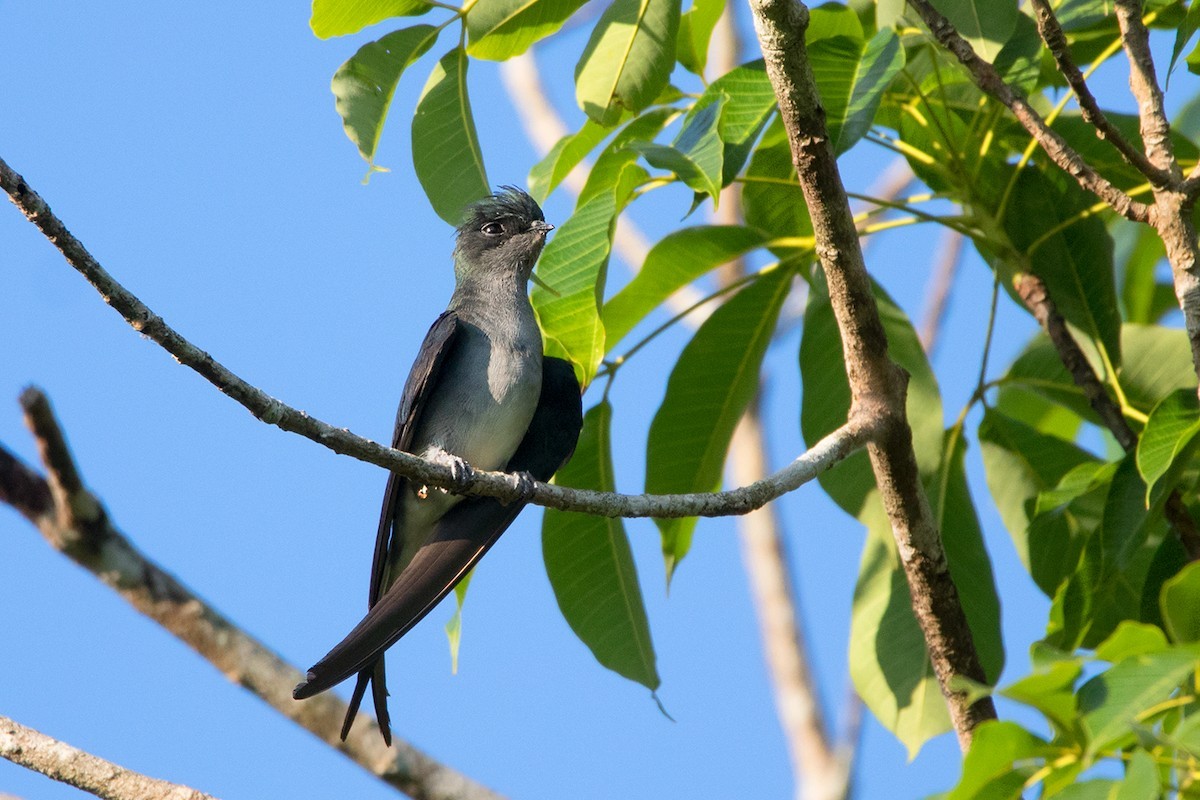
8. Grey-rumped Treeswift
Adult male with a distinct dark grey throat and chest contrasting with a white belly. Ear coverts are dull orange red/chestnut colored. Adult female lacks the dull orange red/chestnut coloration on the ear coverts. When perched the wing tips cross over across the tail. Both sexes have a greenish sheen to the upper parts.
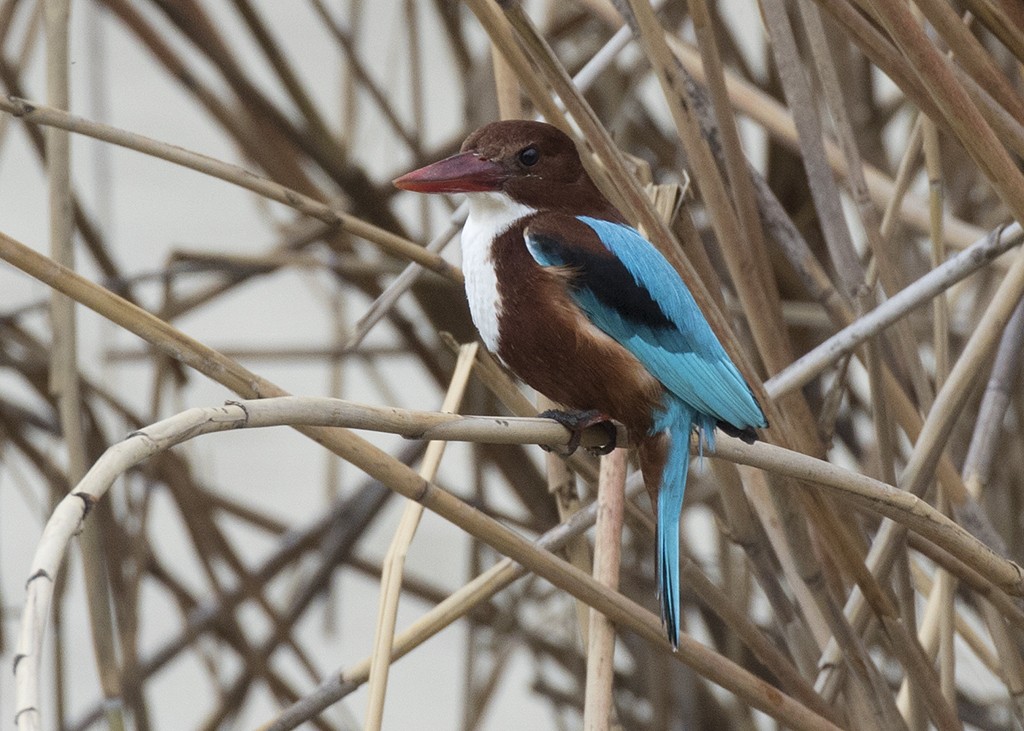
9. White-throated Kingfisher
The white-throated Kingfisher is a brightly colored bird with a distinctive white throat and blue wings. It inhabits rivers, lakes, and coastal areas, and feeds on a variety of prey such as fish, frogs, and insects. The kingfisher is known for its bold, dive-bombing hunting style, diving from a perch to catch prey in the water. During the breeding season, the White-throated Kingfisher is known for its loud, cackling call. This species is widely distributed across Asia.
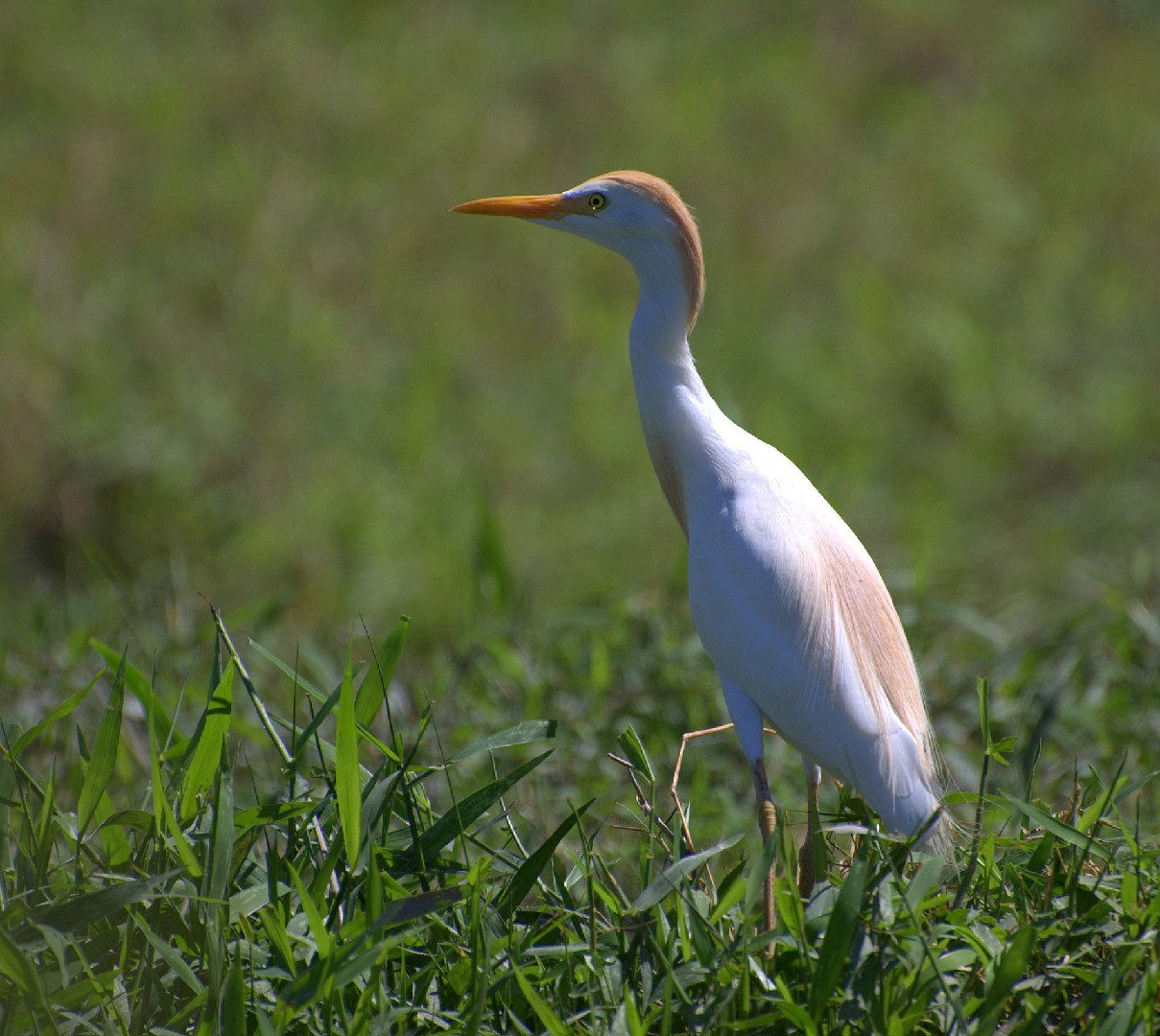
10. Cattle Egret
Cattle Egrets are short, thick-necked egrets. Their name refers to their preference to follow along with livestock as they forage in fields. Cattle Egrets were native only to Africa until the late 1800s when they somehow made their way throughout the Americas. They can often be found along airport runways waiting for planes to take off and blow insects out of the grass and weeds. They also follow behind farm equipment and do the same thing.
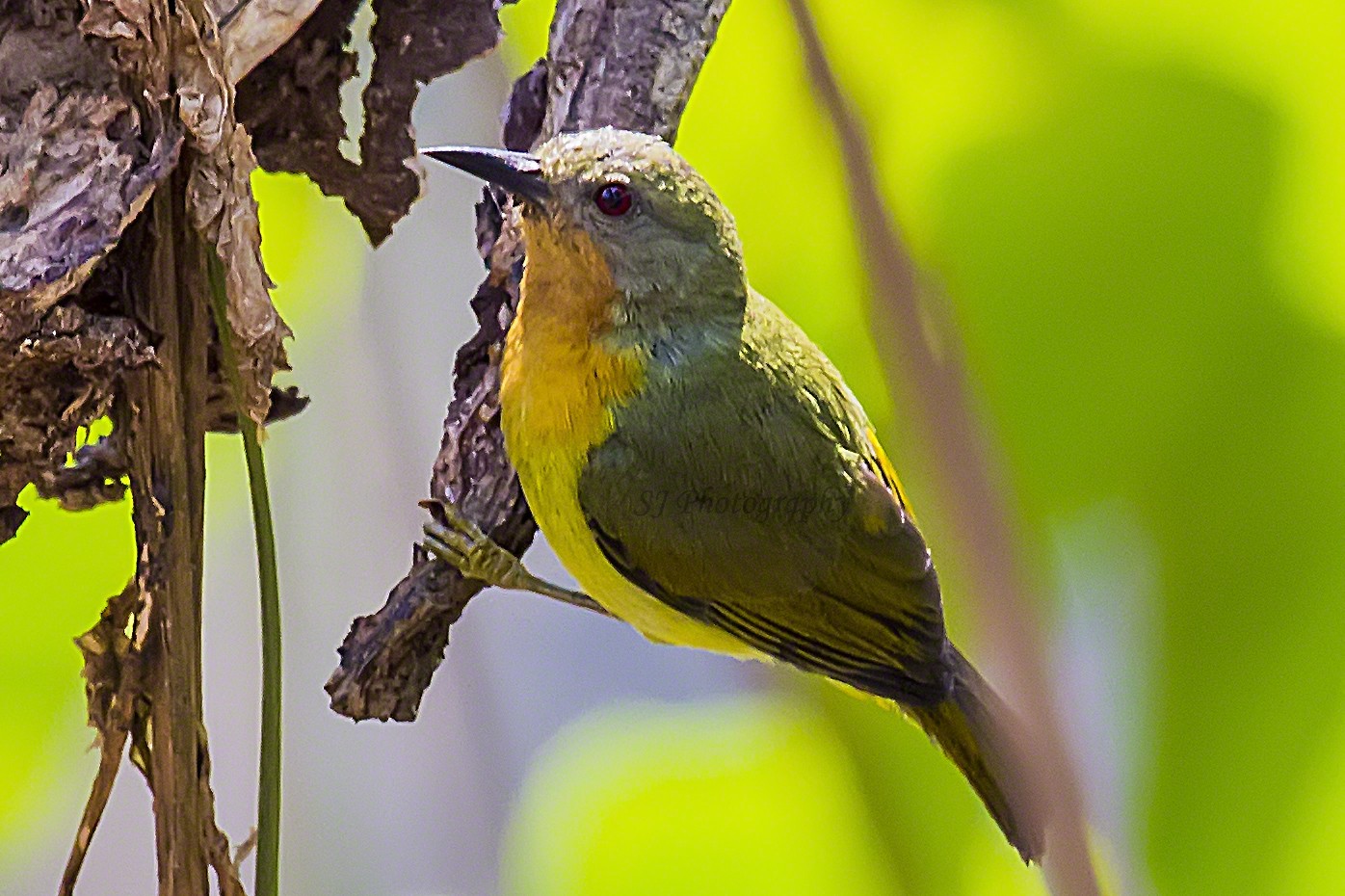
11. Ruby-cheeked Sunbird
The ruby-cheeked sunbird (Chalcoparia singalensis) is a species of sunbird in the family Nectariniidae.
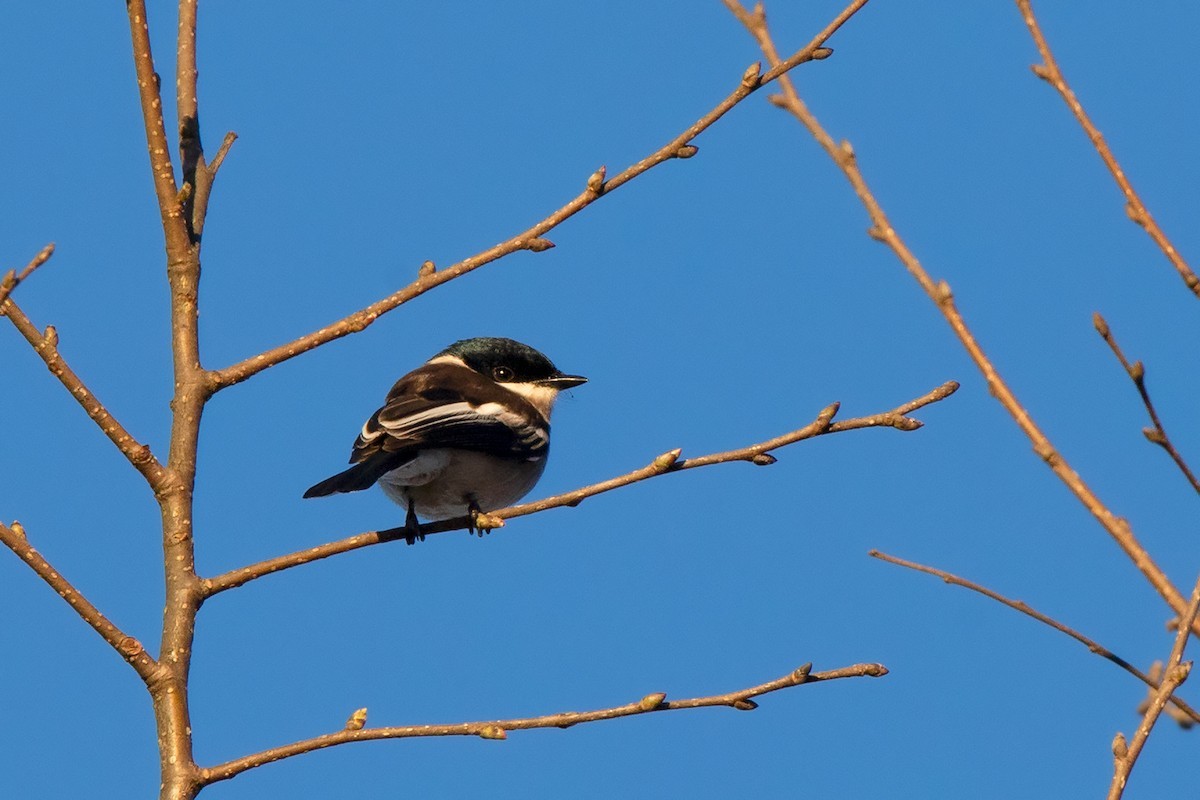
12. Bar-winged Flycatcher-shrike
The bar-winged flycatcher-shrike is black capped with black wings that contrast with the white of the body. A white slash across the wing and a white rump stand out in contrast. They sit upright on branches, flying around to glean insects. The nostril is hidden by hairs and the upper mandible of the beak has a curved tip. Males are velvety black while females tend to be greyish brown but the pattern varies across the geographic populations. Both males and females of the Himalayan H. p. capitalis have a brown back but the males have a black head. The Sri Lankan population leggei lacks sexual dimorphism in plumage. H. p. intermedius has only the females with a brownish back. The tail is black but the outer tail feathers are white while the non-central tail feathers are tipped with white. The call is a rapid and high tsit-it-it-it or a whriri-whirriri-whirriri and sometimes a sharp chip. Male-female pairs of the subspecies leggei of Sri Lanka have been reported to duet with precision. Young birds are said to have a broken pattern of white and grey giving the appearance of lichens. The exact systematic family position is unclear but the genus Hemipus has been found to be closely related to the genus Tephrodornis and show affinities to the Malaconotidae of Africa.
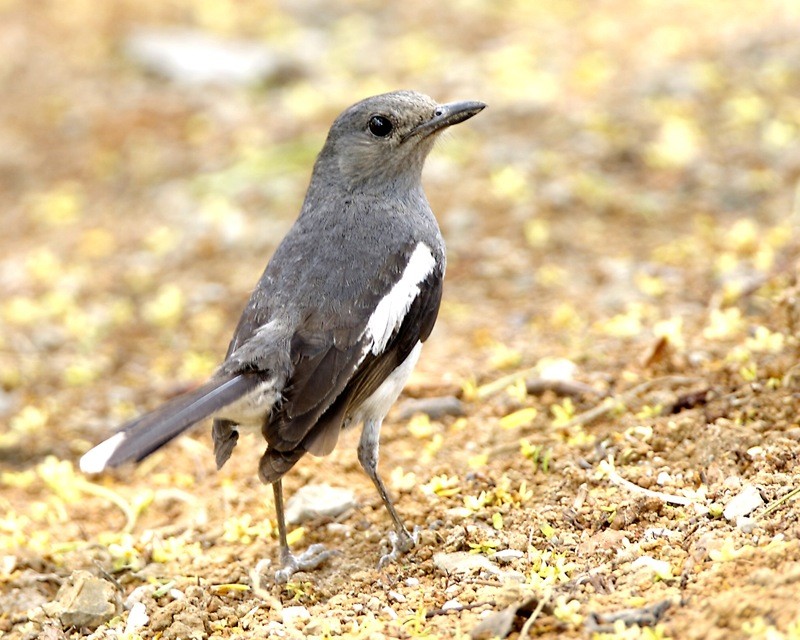
13. Oriental Magpie-robin
This species is 19 centimetres (7.5 in) long, including the long tail, which is usually held cocked upright when hopping on the ground. When they are singing a song the tail is normal like other birds. It is similar in shape to the smaller European robin, but is longer-tailed. The male has black upperparts, head and throat apart from a white shoulder patch. The underparts and the sides of the long tail are white. Females are greyish black above and greyish white. Young birds have scaly brown upperparts and head. It is the national bird of Bangladesh. The nominate race is found on the Indian subcontinent and the females of this race are the palest. The females of the Andaman Islands race andamanensis are darker, heavier-billed and shorter-tailed. The Sri Lankan race ceylonensis (formerly included with the peninsular Indian populations south of the Kaveri River) and southern nominate individuals have the females nearly identical to the males in shade. The eastern populations (Bhutan and Bangladesh) have more black on the tail and were formerly named erimelas. The populations in Burma and further south are named as the race musicus. A number of other races have been named across the range, including prosthopellus (Hong Kong), nesiotes, zacnecus, nesiarchus, masculus, pagiensis, javensis, problematicus, amoenus, adamsi, pluto, deuteronymus and mindanensis. However, many of these are not well-marked and the status of some of them is disputed. Some, like mindanensis, have now been usually recognized as full species (the Philippine magpie-robin). There is more geographic variation in the plumage of females than in that of the males. It is mostly seen close to the ground, hopping along branches or foraging in leaf-litter on the ground with a cocked tail. Males sing loudly from the top of trees or other high perches during the breeding season.
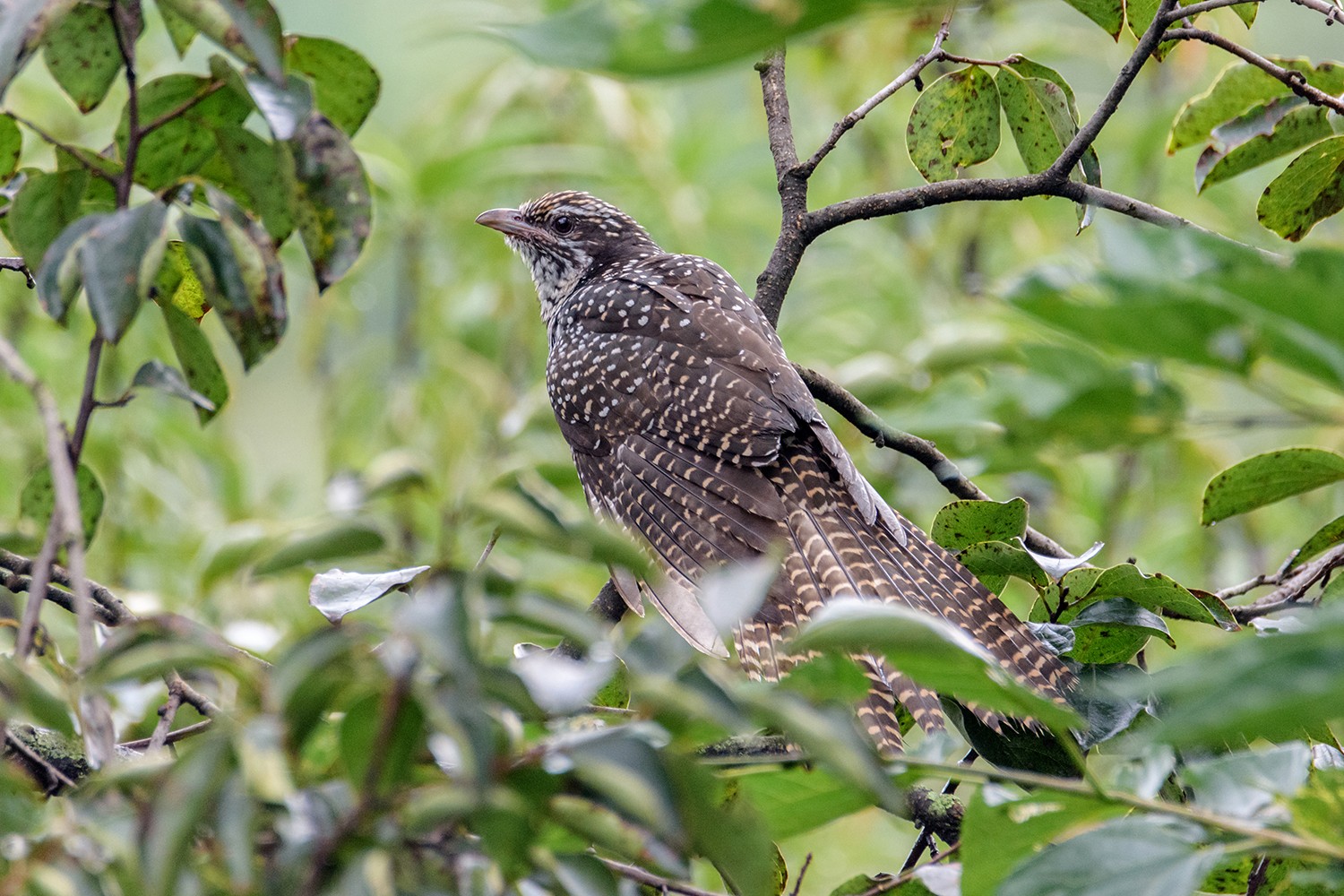
14. Asian Koel
The Eudynamys scolopaceus is commonly called asian Koel, native to China, the Indian Subcontinent and parts of Southeast Asia. This bird is used widely in Indian poetry, and it has a habit of colonizing new areas that it goes to. The bird is also known for stealing nests from other birds and having their chicks raised by the foster parents.
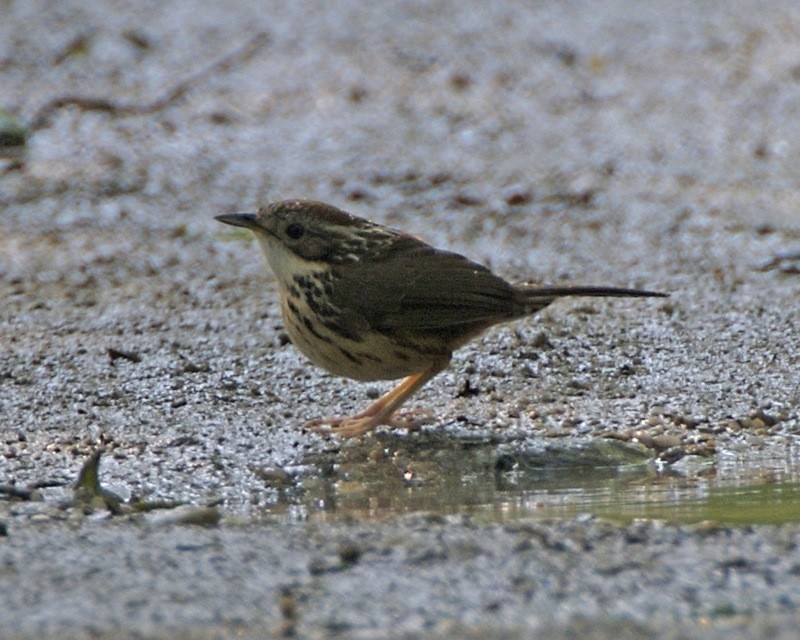
15. Puff-throated Babbler
Puff-throated babblers are brown above, and white below with heavily brown streaks towards the breast and belly. They have a chestnut crown, long buff supercilium and dusky cheeks. The throat is white, and is sometimes puffed out giving it the English name. Puff-throated babblers have strong legs, and spend a lot of time on the forest floor. They can often be seen creeping through undergrowth in search of their insect food, looking at first glance like a song thrush. Some subspecies have streaks on the mantle while others, especially in Peninsular India, are unstreaked. The widespread distribution with population variations has led to nearly thirty subspecies being described. The nominate population is found in peninsular India (excluding the Western Ghats). The population in the northern Eastern Ghats is paler and has been called as pallidum while a well marked dark form occurs in the southern Western Ghats which has been named granti (includes olivaceum). The western Himalayas population is punctatum (includes jonesi) and in the east is mandellii which has streaking on the back and nape apart from having call differences. In the east of India, south of the Brahmaputra River occurs chamelum while ripley is found in a small region in eastern Assam (Margherita). Further east in Manipur is vocale and pectorale in Arunachal Pradesh and northern Burma with stageri further south, followed by hilarum, victoriae and minus. Further east are found shanense, subochraceum, insularum, indistinctum, chtonium, elbeli, acrum, oreum, dusiti, vividum, ubonense, euroum, deignani, dilloni and smithi. Several others have been described and many populations are difficult to assign to subspecies. This is the type species for the genus Pellorneum and its generic placement is assured although other species currently included in the genus may be reassigned.
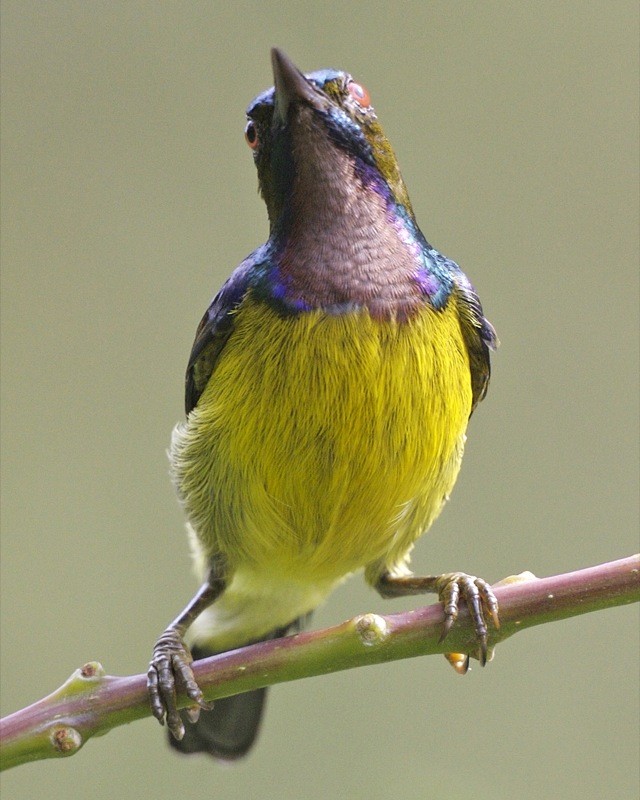
16. Brown-throated Sunbird
The brown-throated sunbird is a relatively large, heavy sunbird with a thick bill. Measuring some 14 centimetres (5.5 in) in length, it has a mass of 7.4–13.5 g (0.26–0.48 oz), with males averaging slightly larger than females. Like most sunbirds, the male brown-throated sunbird is more colourful than the female. The male has iridescent green and purple upperparts with chestnut on the wing-coverts and scapulars; it is primarily yellow below. The female is olive-green above and yellowish below.
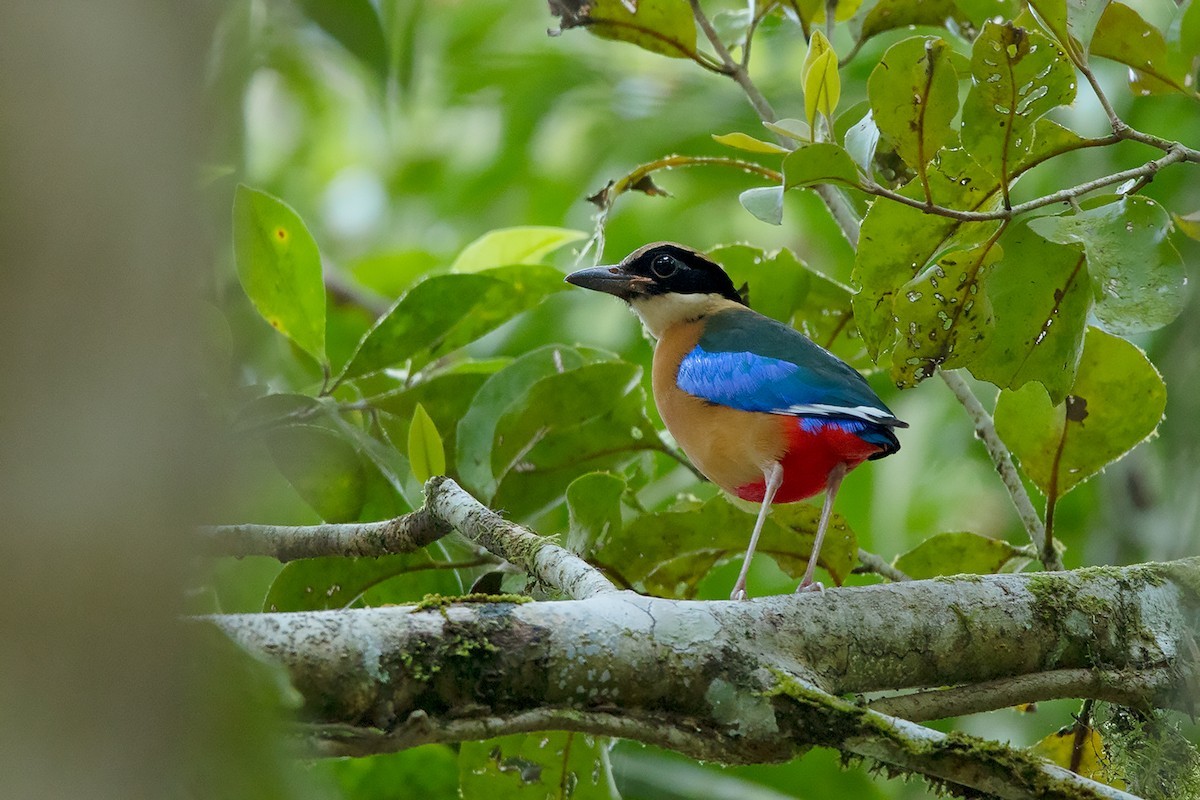
17. Blue-winged Pitta
Measuring 180 to 205 mm (7.1–8.1 in) in length, the blue-winged pitta has a black head with a buff-coloured supercilium, white chin and buff underparts. The shoulders and mantle are greenish, the wings are bright blue, and the vent is reddish. The bill is black, eyes are brown and the legs pale pink. It has a very short tail. Juveniles have similar patterned plumage but are duller. It resembles the mangrove pitta but can be distinguished by its shorter bill. The loud call has been transcribed as taew-laew taew-laew.
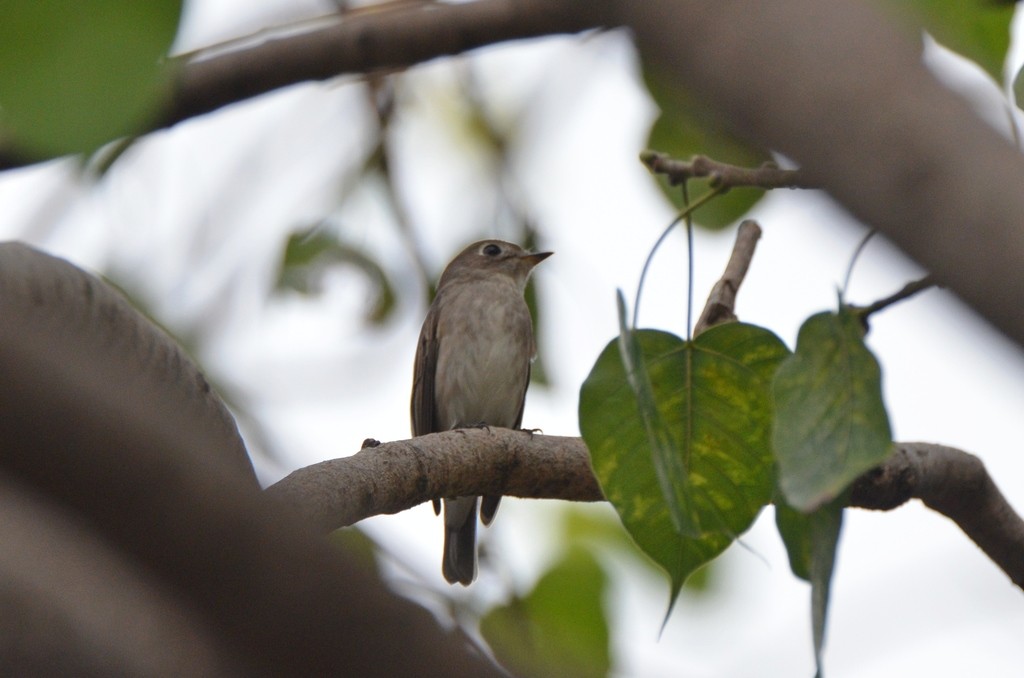
18. Asian Brown Flycatcher
This species is 13 cm (5.1 in) long, including the cocked tail. It is similar in shape to the larger spotted flycatcher, but is relatively longer-tailed. The dark bill is relatively large and broad-based. The adult has grey-brown upperparts, which become greyer as the plumage ages, and whitish underparts with brown-tinged flanks. Young birds have scaly brown upperparts, head and breast.
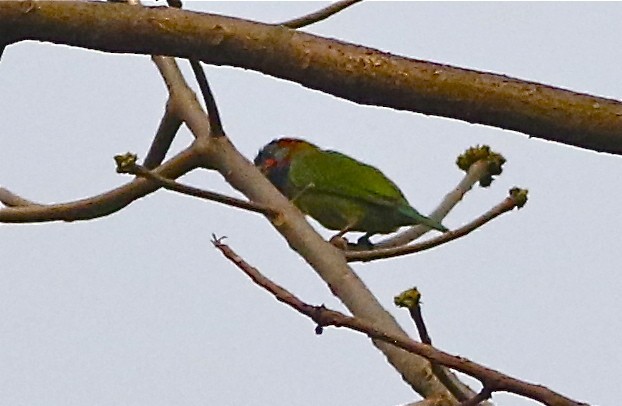
19. Blue-eared Barbet
The yellow-eared barbet (Psilopogon australis) is an Asian barbet native to Java and Bali. It inhabits shrubland and forest up to an altitude of 2,000 m (6,600 ft). Bucco australis was the scientific name proposed by Thomas Horsfield in 1821 who described a barbet from Java with yellow cheeks and breast.
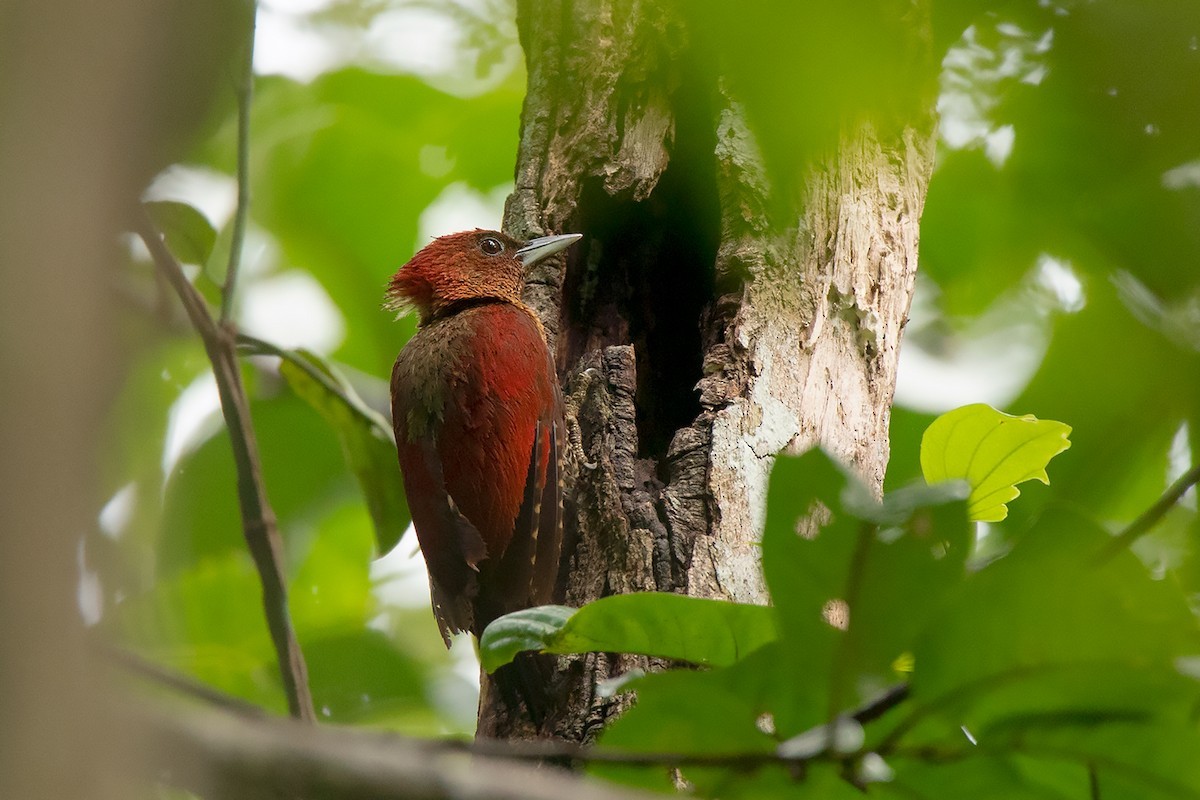
20. Banded Woodpecker