



Top 20 Most Common Bird in Lira
Situated in Northern Uganda, Lira's varied habitats, such as savannah, wetlands, and forests, host a diverse array of bird species. These 20 most common birds are distinguished by their vibrant plumages, intriguing behaviors, and unique adaptations to their environment. These avian inhabitants offer an enriching glimpse into the region's thriving biodiversity.

Most Common Bird
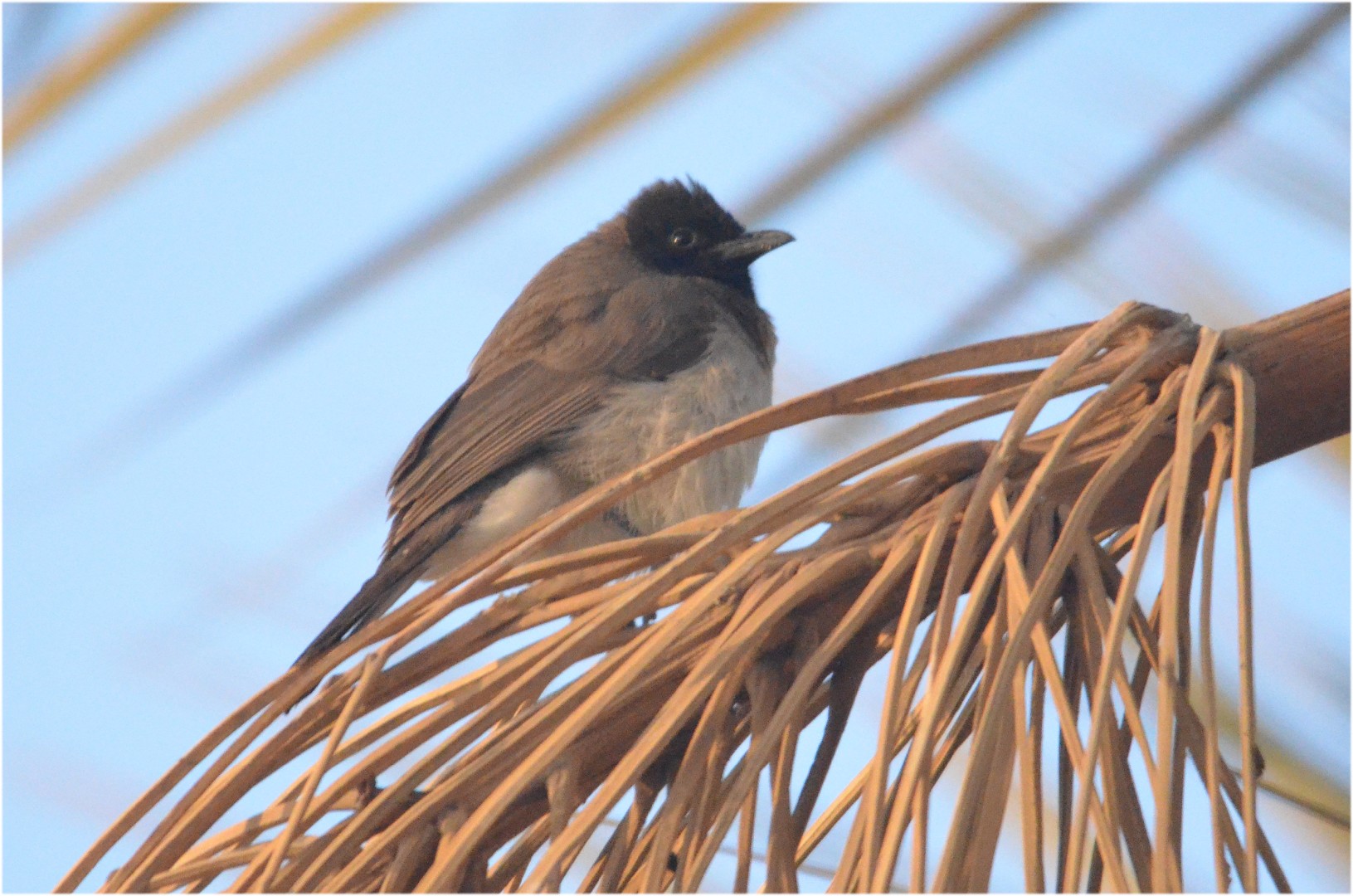
1. Common Bulbul
The bill is fairly short and thin, with a slightly downcurving upper mandible. The bill, legs, and feet are black and the eye is dark brown with a dark eye-ring, which is not readily visible. It is about 18 cm in length, with a long tail. It has a dark brown head and upperparts. Sexes are similar in plumage. 
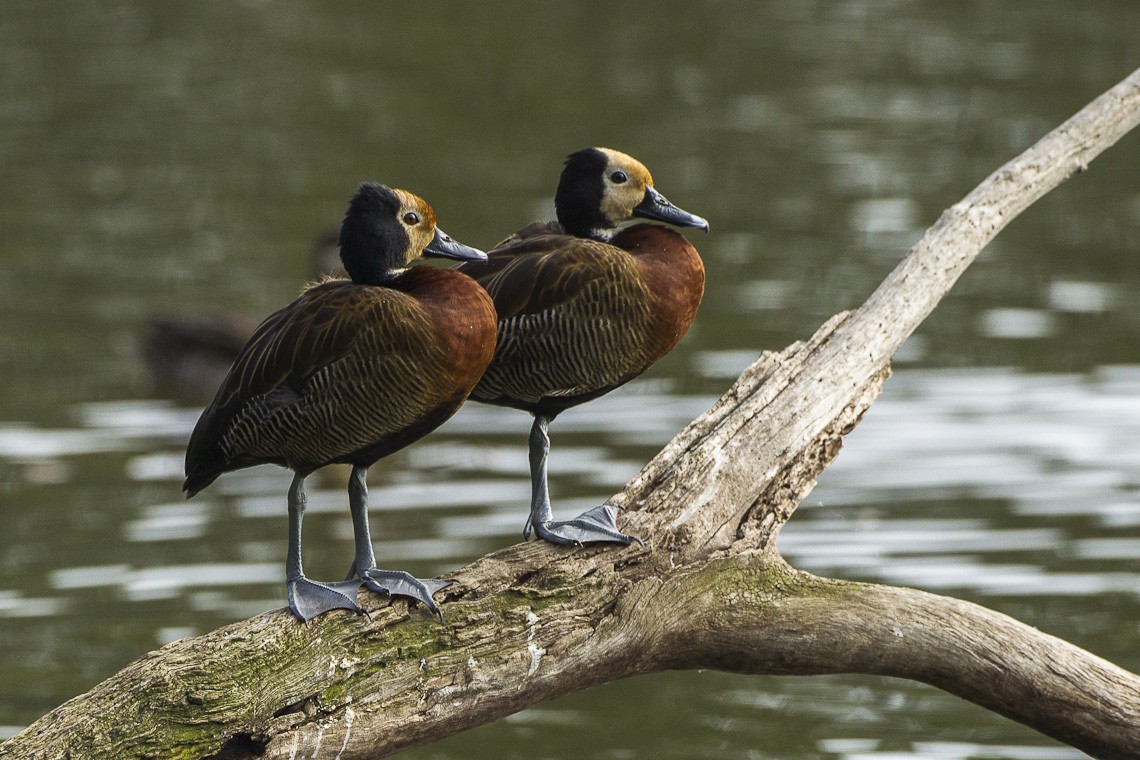
2. White-faced Whistling-duck
The white-faced whistling duck a long grey bill, a long head, and longish legs. It has a black neck and head, and distinctive white face that gives them their name, though the amount of white color visible has regional variations among the species. For example, the white-faced whistling ducks with more black coloration are commonly found in western Africa where rainfall supersedes the dry season. The back and wings are dark brown to black, and the underparts are black with a fine white barring on the flanks. The neck is chestnut. Males and females have similar plumage. Juveniles are similar in color to adults, but have a much less contrasted head pattern.
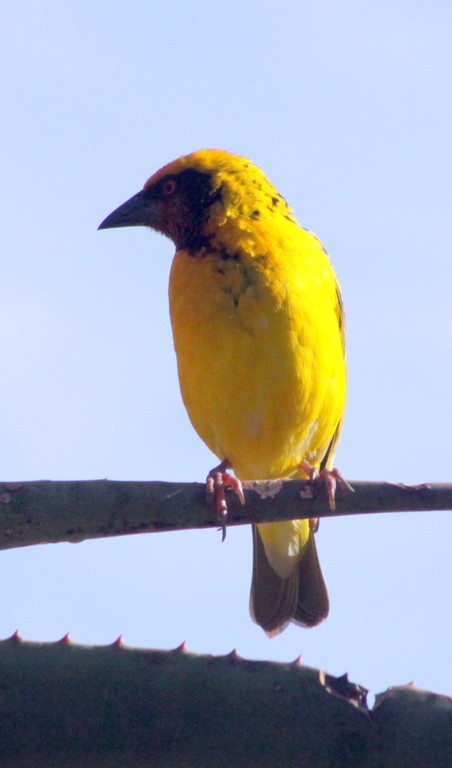
3. Village Weaver
The village weaver is a stocky 15–17 cm bird with a strong conical bill and dark reddish eyes. In the northern part of its range, the breeding male has a black head edged by chestnut (typically most distinct on the nape and chest). Towards the southern part of its range, the amount of black and chestnut diminish, and the breeding males of the southernmost subspecies only have a black face and throat, while the nape and crown are yellow. In all subspecies the breeding male has a black bill, black and yellow upperparts and wings, and yellow underparts. The non-breeding male has a yellow head with an olive crown, grey upperparts and whitish underparts. The wings remain yellow and black. The adult female has streaked olive upperparts, yellow and black wings, and pale yellow underparts. Young birds are like the female but browner on the back.
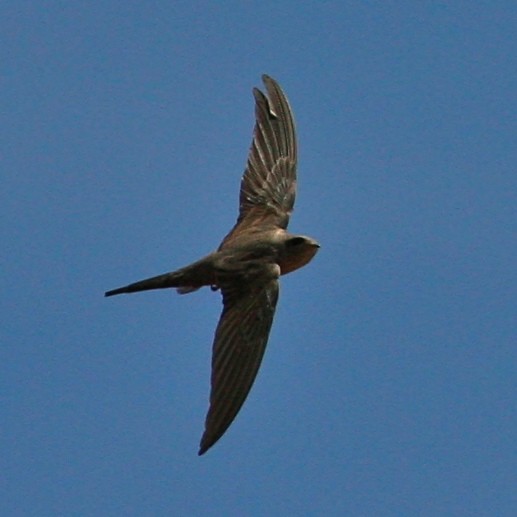
4. African Palm Swift
This 16 cm long species is mainly pale brown in colour. It has long swept-back wings that resemble a crescent or a boomerang. The body is slender, and the tail is long and deeply forked, although it is usually held closed. The call is a loud, shrill scream. Sexes are similar, and young birds differ mainly in their shorter tails. Palm swifts have very short legs which they use only for clinging to vertical surfaces, since swifts never settle voluntarily on the ground.
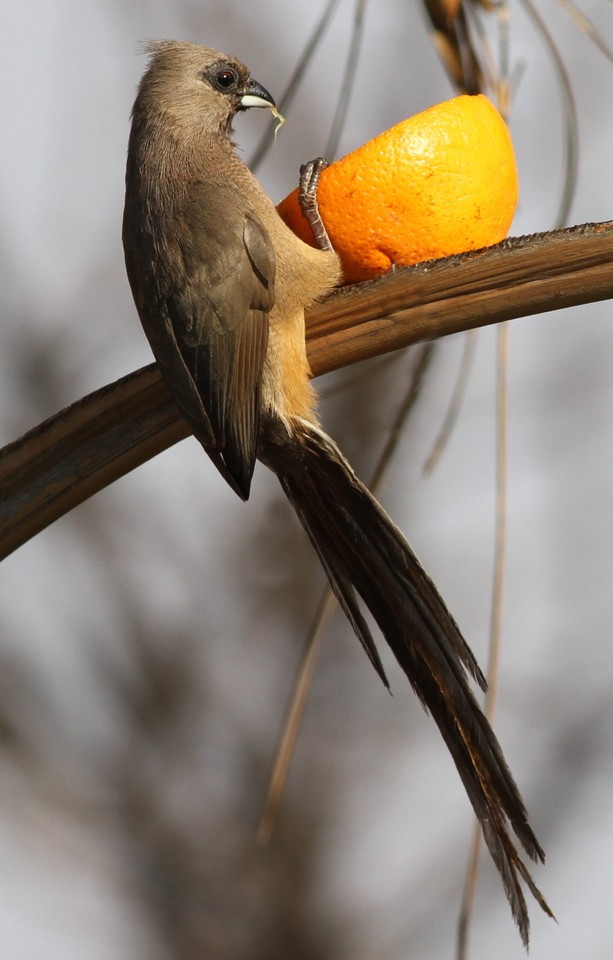
5. Speckled Mousebird
The speckled mousebird is about 35 cm (14 inches) long, with the tail comprising approximately half the length, and weighs about 57 grams (2 oz). It is well-named, because it is dull-mousy brown in overall color on the back and on the head (including a prominent crest). The bill is black on the upper part and is a pinkish color on the lower part. The rare white-headed mousebird can be confused with this species, but the differently colored mandibles and the lack of a bare grey orbital patch render the Speckled species distinctive. The speckled mousebird is not known for its voice, as songbirds are, although it is a noisy creature. They make a warbling tsu-tsu call while in flight, and are known for their tisk-tisk alarm call while in flight.
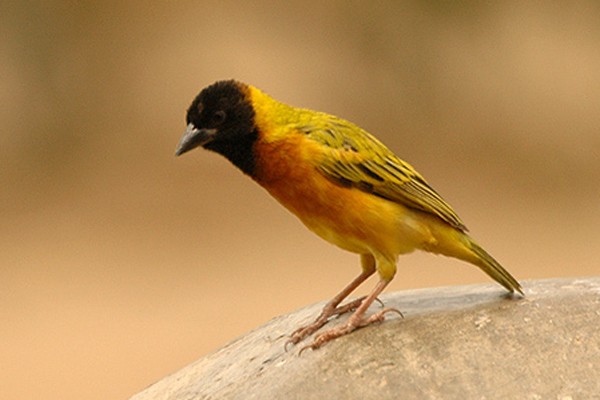
6. Black-headed Weaver
Breeding males have a black head and yellow nuchal collar, which is absent in the golden-backed and Juba and golden-backed weavers. It also differs from the latter species and village weaver by its plain, greenish mantle plumage. The pale yellow underpart plumage is suffused with a variable amount of chestnut. The female and non-breeding male lack the black head, and resemble a female masked weaver, except that they have dark eyes and a darker bill. Their buffy breast plumage also distinguishes them from non-breeding golden-backed weavers.
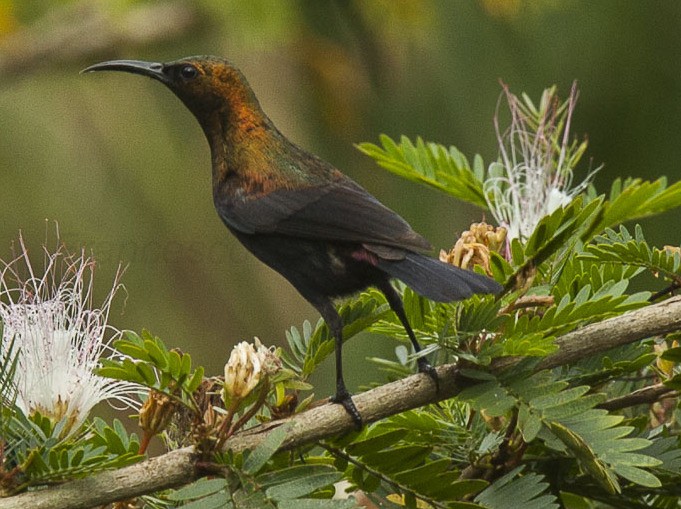
7. Copper Sunbird
The adult male copper sunbird is about 12.5 cm (5 in) long. The subspecies C. c. cupreus inhabits the western part of its range and weighs about 7.5 to 11 g (0.26 to 0.39 oz). The male C. c. chalceus, from the eastern half, weighs 7.5 to 11 g (0.26 to 0.39 oz) while the female of both subspecies weighs 7.3 to 10.2 g (0.26 to 0.36 oz).
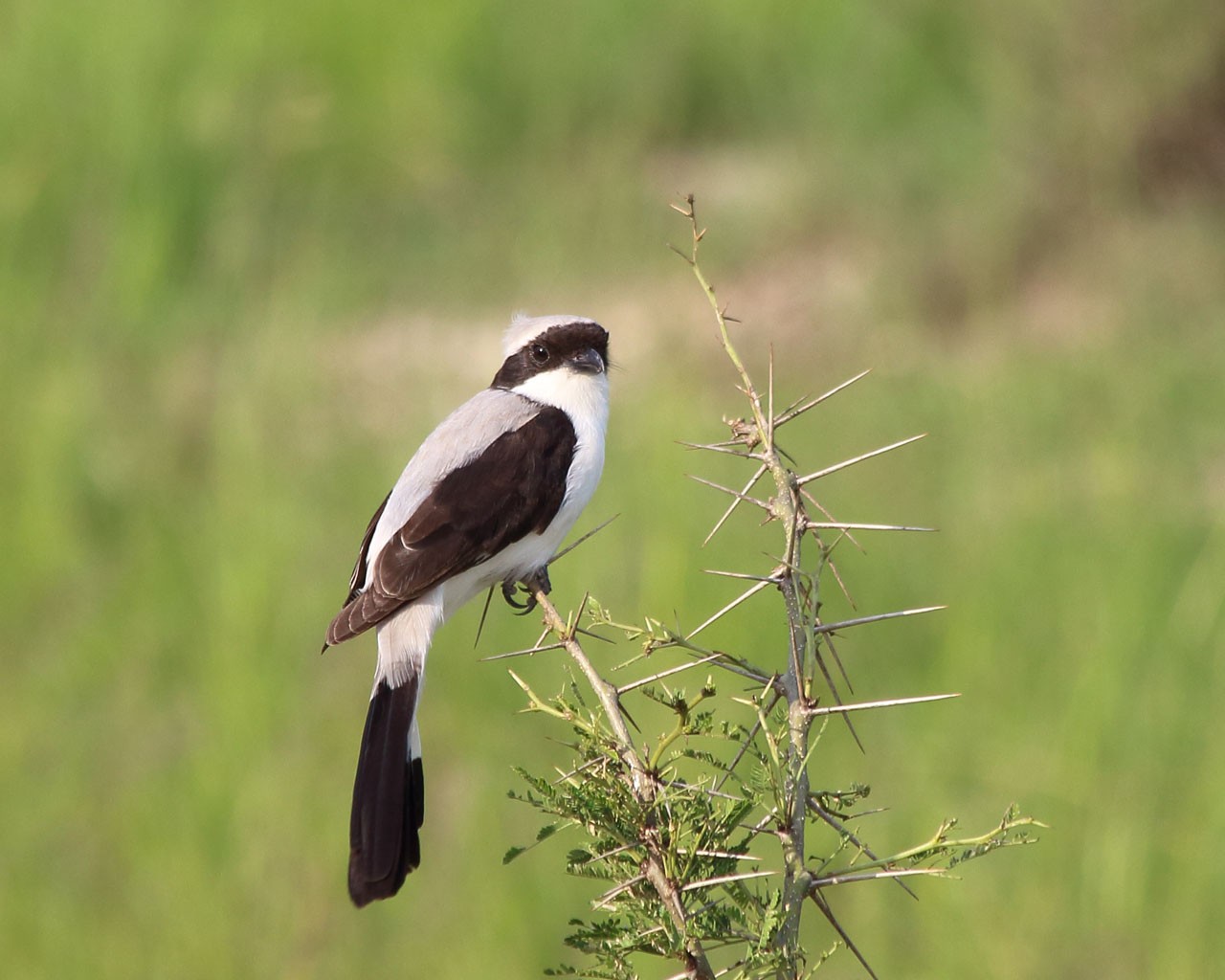
8. Grey-backed Fiscal
This is a large shrike with a length of about 25 cm (10 in). The head of the male has a grey crown, a white supercilium and a large black mask. The upper parts are medium grey, the rump is white, the wings are blackish, with a white patch which is conspicuous in flight, and the long tail has a white base and a black tip. The underparts and base of the underside of the tail are white. The female is similar but has patches of chestnut on the flanks that are visible during display and when the bird is preening. The juvenile is brownish with brown wings and tail and is heavily barred with grey.
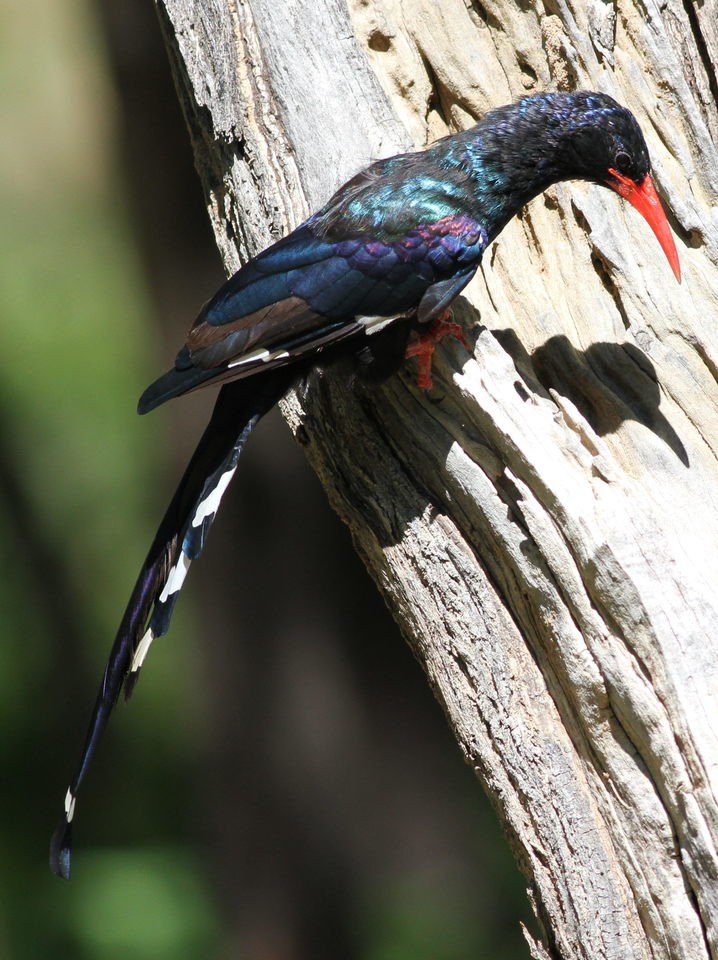
9. Green Woodhoopoe
This abundant species is a metallic dark green, with a purple back and very long diamond-shaped purple tail. Distinctive white markings on the wings and white chevrons on the tail edges make it easily identifiable, as does its long, thin, curved red bill. Sexes are similar, but immatures have a black bill.
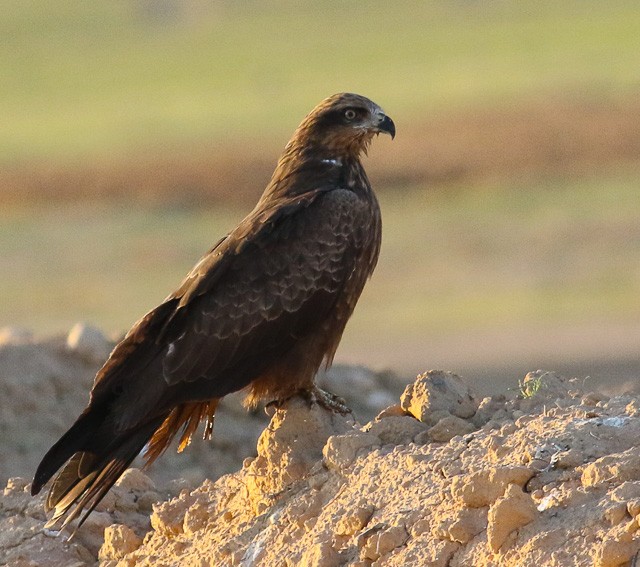
10. Black Kite
Black Kite is a bird of prey known for its aerial skills and hunting ability. Its striking appearance makes it a fascinating species to observe, and it can often be seen soaring through the skies. Black Kite is highly adaptable and can be found in a variety of habitats, making it a common sight in many areas.
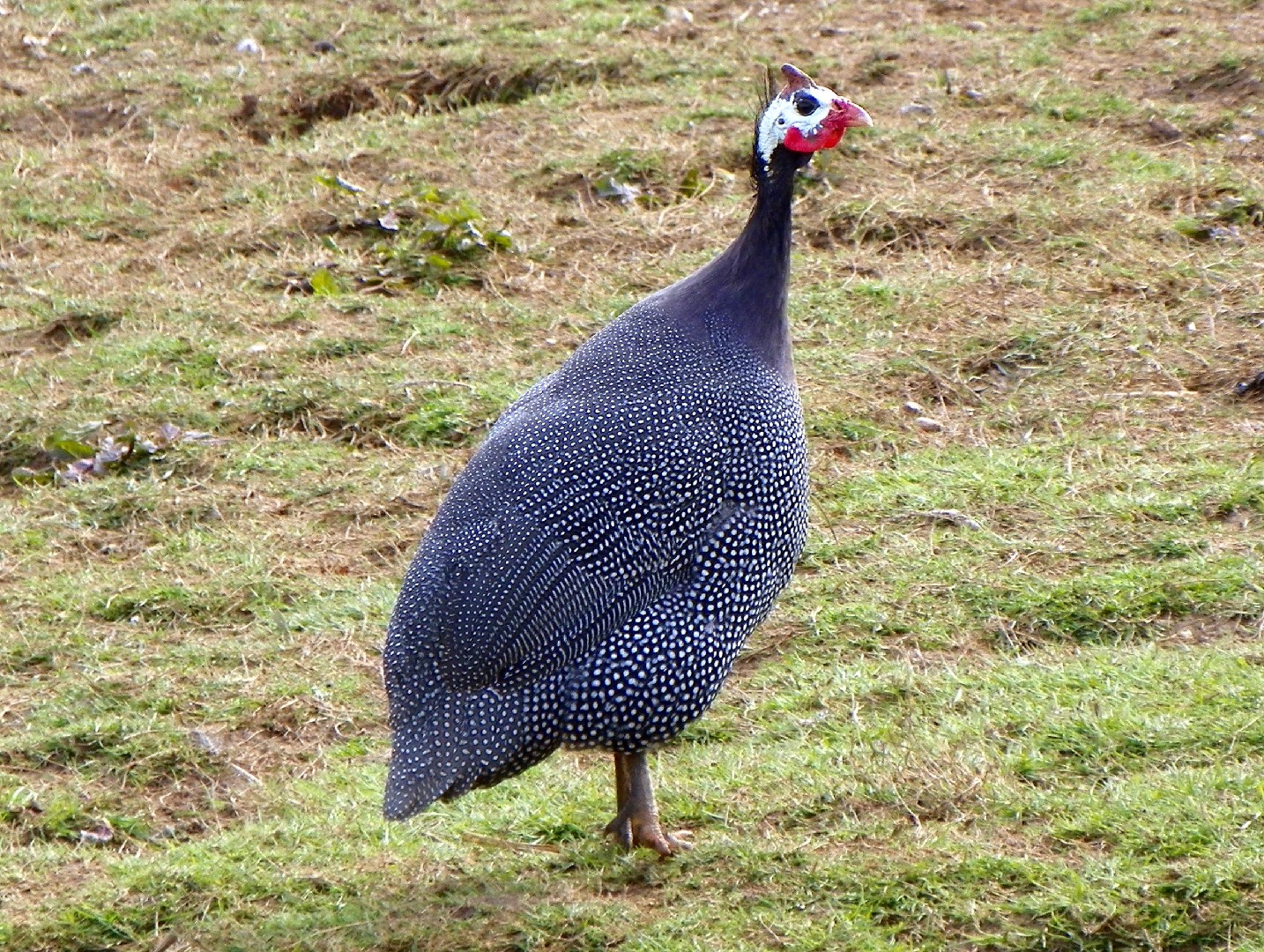
11. Helmeted Guineafowl
Helmeted Guineafowls are large birds with featherless blue heads. They are native to open habitats in Africa, but in the U.S. they're kept in parks, farms, and backyards to combat and control ticks that are known to spread Lyme disease. In an effort to intimidate, the males will bristle their feathers, raise their wings, and run at their opponents while squawking and gaping at the beak. They are neither subtle in their behavior nor subtle in their looks.
12. Winding cisticola
13. Northern Yellow White-eye
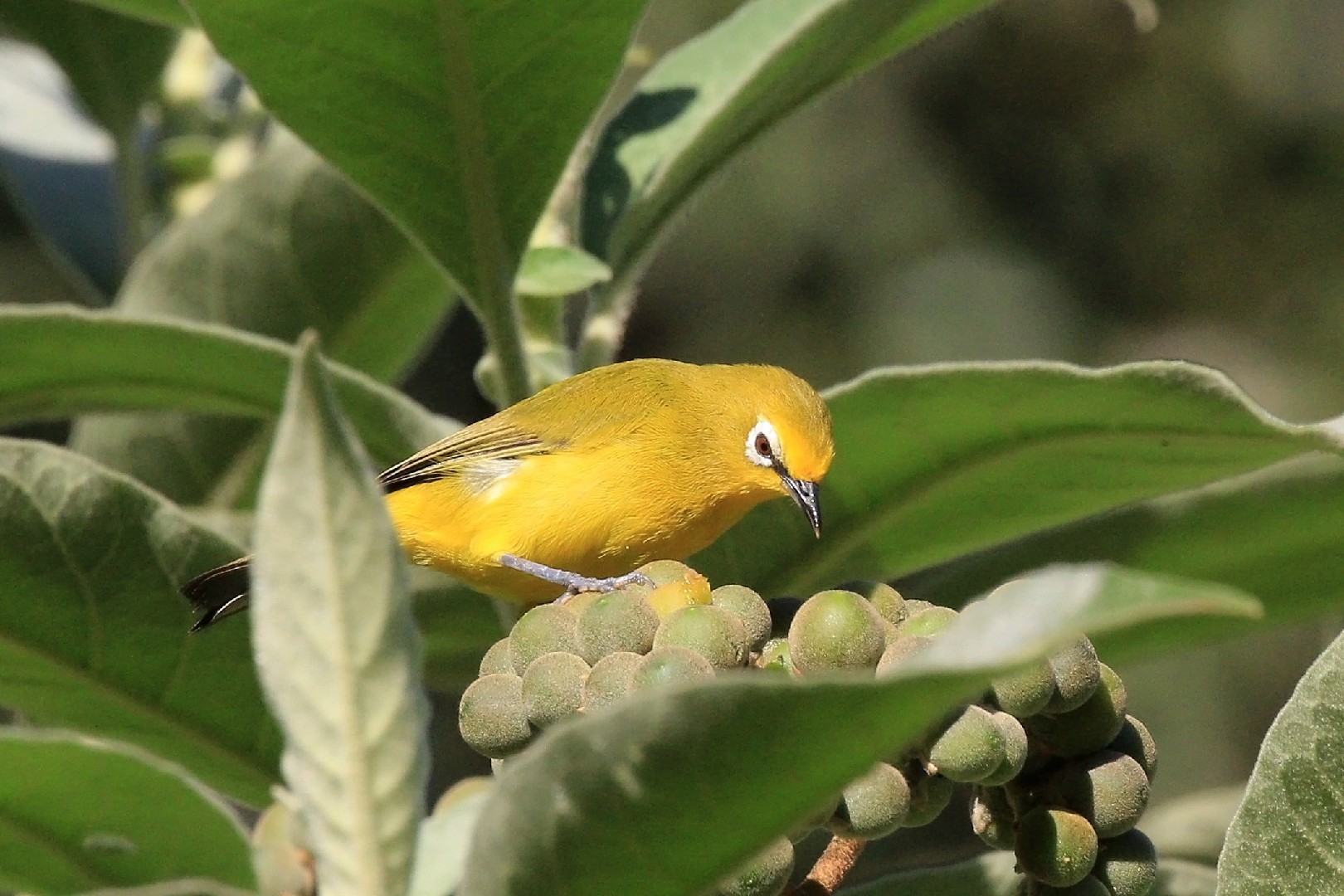
A small yellow bird with a prominent white eye ring surrounding a dark eye. The underparts and head are yellow, with a black loral stripe, black bill, the flight and tail feathers are brown edged with yellowish olive. Some subspecies are greener, especially those occurring in forest. Juveniles are darker. This bird measures 11·5 cm in length and the weight varies from 6.8 to 14.1g.
14. Yellow-fronted Tinkerbird
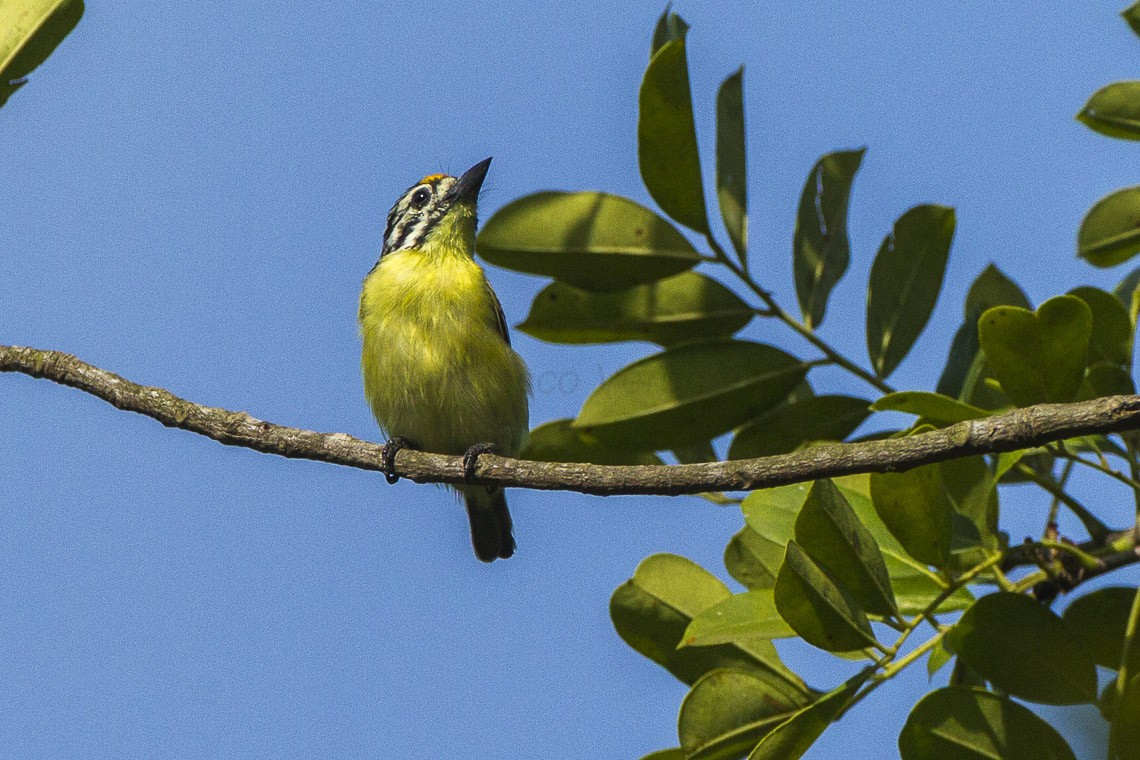
The yellow-fronted tinkerbird is approximately 11 cm (4.3 in) in length. It is plump, with a short neck, large head, and short tail. The adult has black upperparts heavily streaked with yellow and white. Its head has a strong black and white pattern, with a yellow forecrown spot. The underparts and rump are lemon yellow. Both sexes are similar in appearance, but young birds have a differentiating dark crown that lacks the distinct yellow spot.
15. Yellow-mantled Widowbird

16. White-browed Coucal
The white-browed coucal is a medium-sized species growing to 36 to 42 cm (14 to 17 in) in length. The sexes are similar, adults having a blackish crown and nape, a white supercilium, rufous-brown back, chestnut wings, blackish rump and black tail, glossed with green, with a white tip. The underparts are creamy-white, the eyes red, the beak black, and the legs and feet greyish-black or black. Juveniles have rufous streaking on the crown, a faint buff supercilium, barred upper parts and darker underparts.
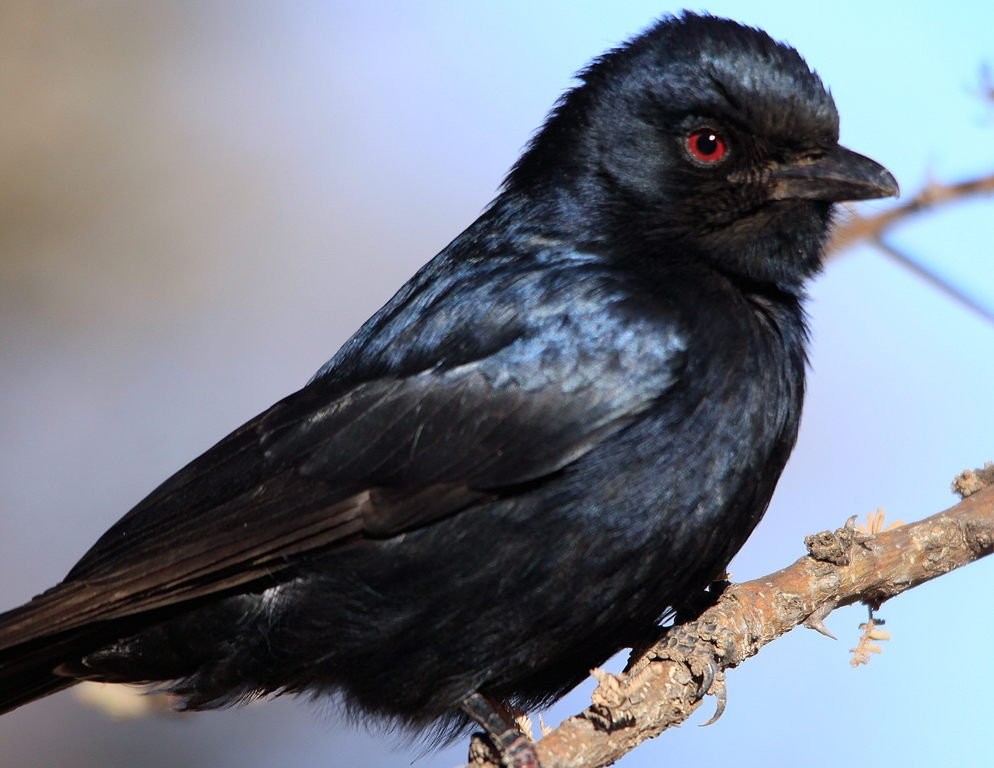
17. Fork-tailed Drongo
The fork-tailed drongo is 25 cm long and has short legs. They are medium sized and usually weigh about 50 grams. Males are mainly glossy black, although their wings are duller. Females are similar but less glossy. It is large-headed with well-developed rictal and nasal bristles, which are used as sensory organs. The rectrices curve outwards, forming the forked tail for which the species is named. The hooked bill is black and heavy, and the eye is red.
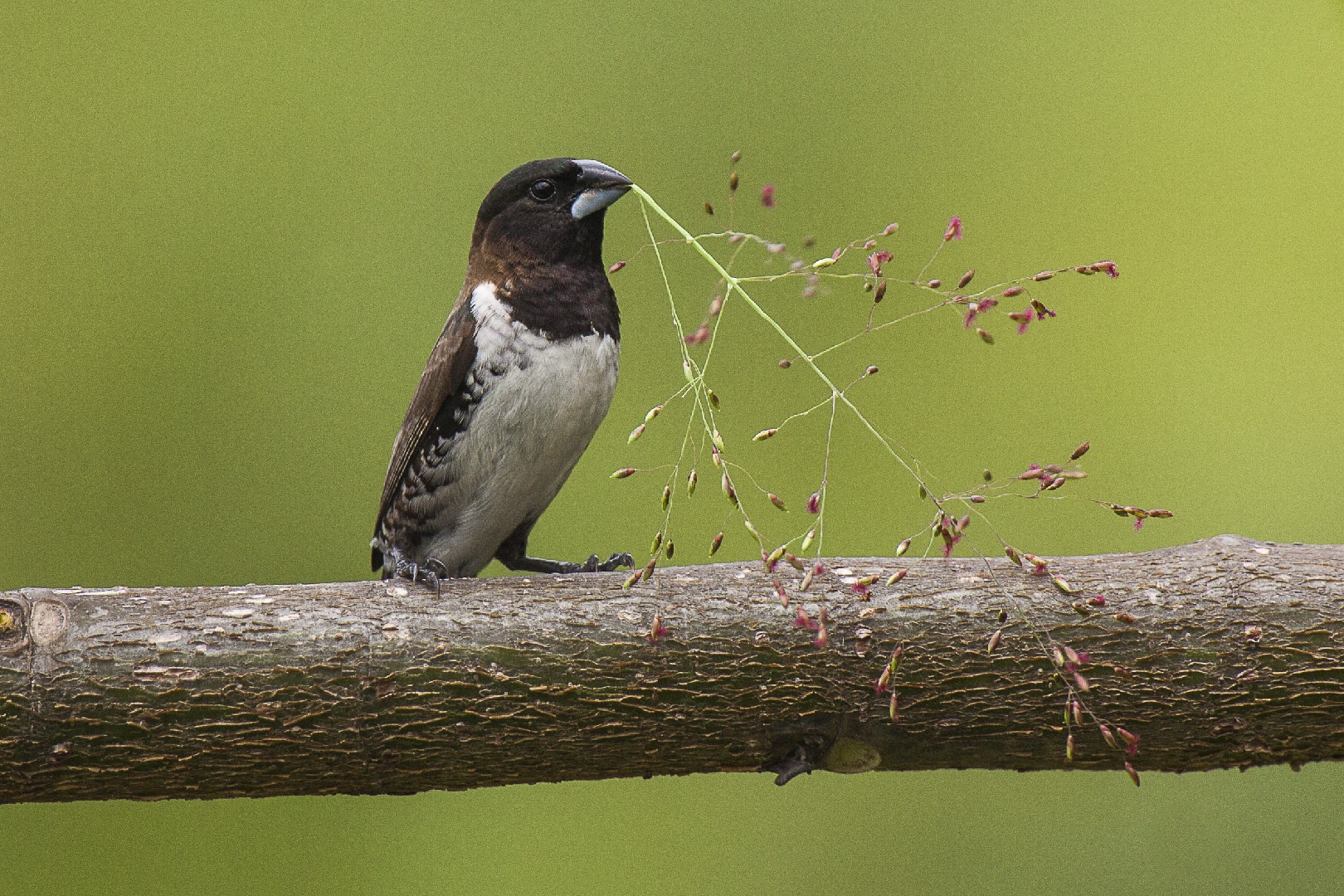
18. Bronze Mannikin
The bronze mannikin is one of the smallest munia species, measuring 9–10 cm in length and weighing 7–12 grams. The adult is a compact bird with a short black tail, and stubby black and pale grey (not distinctly bluish) mandibles. It is black to brownish black on the head, chin, throat and center of the chest, with some purple-green iridescence on the face and sides of the breast. It has greyish brown upper parts and white underparts with irregular barring on the flanks and rump. A small green iridescent patch is present on the outer scapular feathers, besides, especially in the western race, the sides of the lower breast. Wing coverts and remiges are bordered in a paler or warmer tone. The sexes are similar. Immature birds are dun brown above with buff head and underpart plumage. They moult into full adult plumage by age six months, when the males also begin to sing and exhibit breeding behaviour.
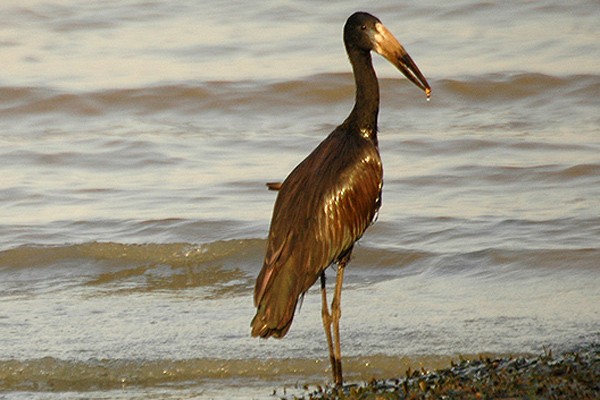
19. African Openbill
The African openbill is a stork 80–94 cm long with a weight of 1–1.3 kg. Its adult plumage is generally dark overall, with glossy green, brown, and purple on the mantle and breast. The bill is brownish and notably large. The legs are black and the eye is grey. The juvenile plumage is more dull and brown, with areas of pale feather tips.
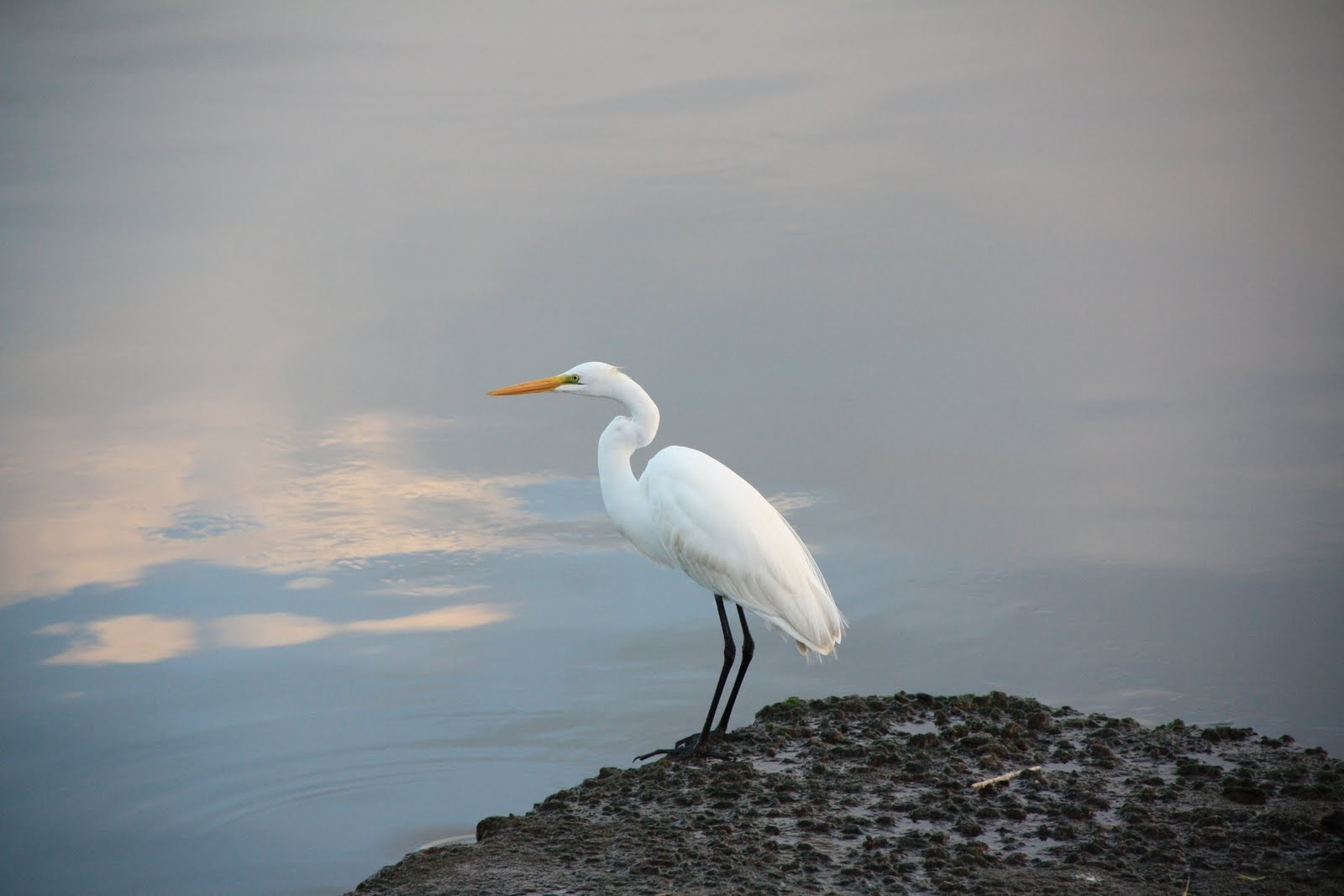
20. Great Egret
These tall birds are quite distinctive with their bright white feathers, black legs, and orange beaks. Great Egrets live near both fresh and saltwater, nesting high in trees to protect their eggs from predatory mammals. They are colonial nesters, living in large groups (colonies), and they find the majority of their food in the nearest body of water.