



Top 20 Most Common Bird in Plateau
Plateau is a diverse landscape of extensive savannah, farmland, and highland plateaus. This environment is home to a variety of bird species. The 20 most common birds are remarkable with distinct plumage, intriguing behaviors, and intricate adaptations to their unique environment. They display a fascinating slice of Plateau's rich avifauna.

Most Common Bird
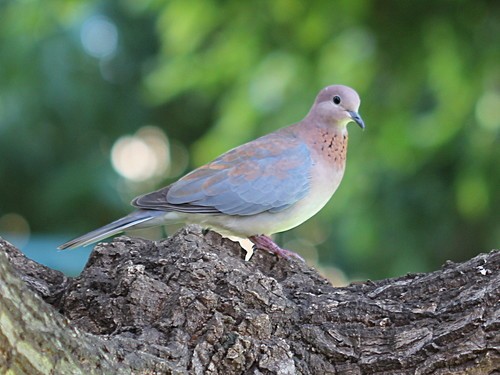
1. Laughing Dove
The laughing Dove is a small dove named after its distinctive laugh-like vocalization. This ground-feeding, non-migratory bird is a regular inhabitant of man-altered environments such as villages, gardens, and orchards. In cities, these doves tend to become quite confident. They pair for life and live in very small communities.
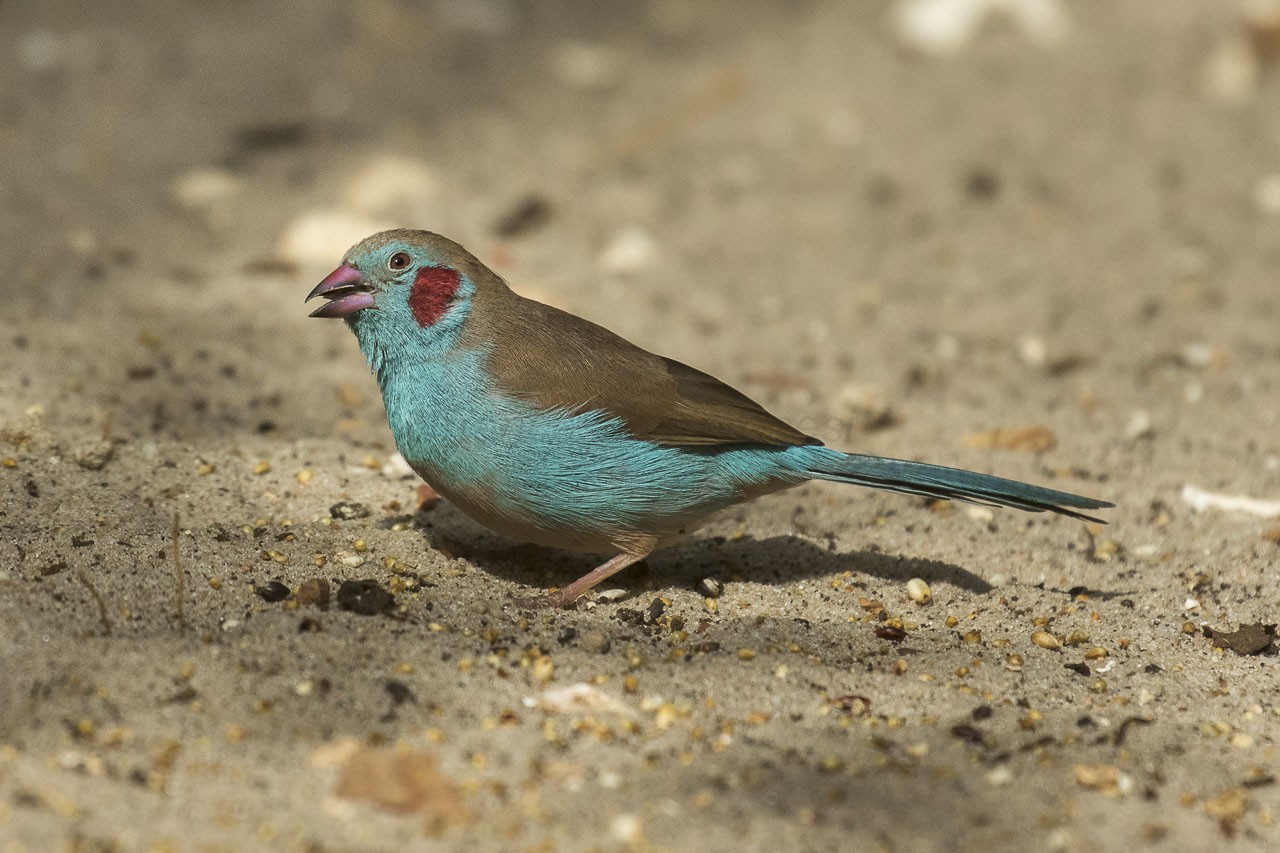
2. Red-cheeked Cordonbleu
Like other members of its genus, the red-cheeked cordon-bleu is a very small finch, measuring only 12.5–13 cm (4.9–5.1 in) in length. It weighs 9.9 g (0.35 oz) on average, with known extremes in wild populations ranging from 8.9–11 g (0.31–0.39 oz). The adult male has uniformly brown upperparts, pale blue breast, flanks and tail and a yellow belly. There is a red patch on each cheek, but this can rarely appear orange or even yellow. Females are similar but duller, and lack the cheek spot. Immature birds are like the female, but with blue restricted to the face and throat. 
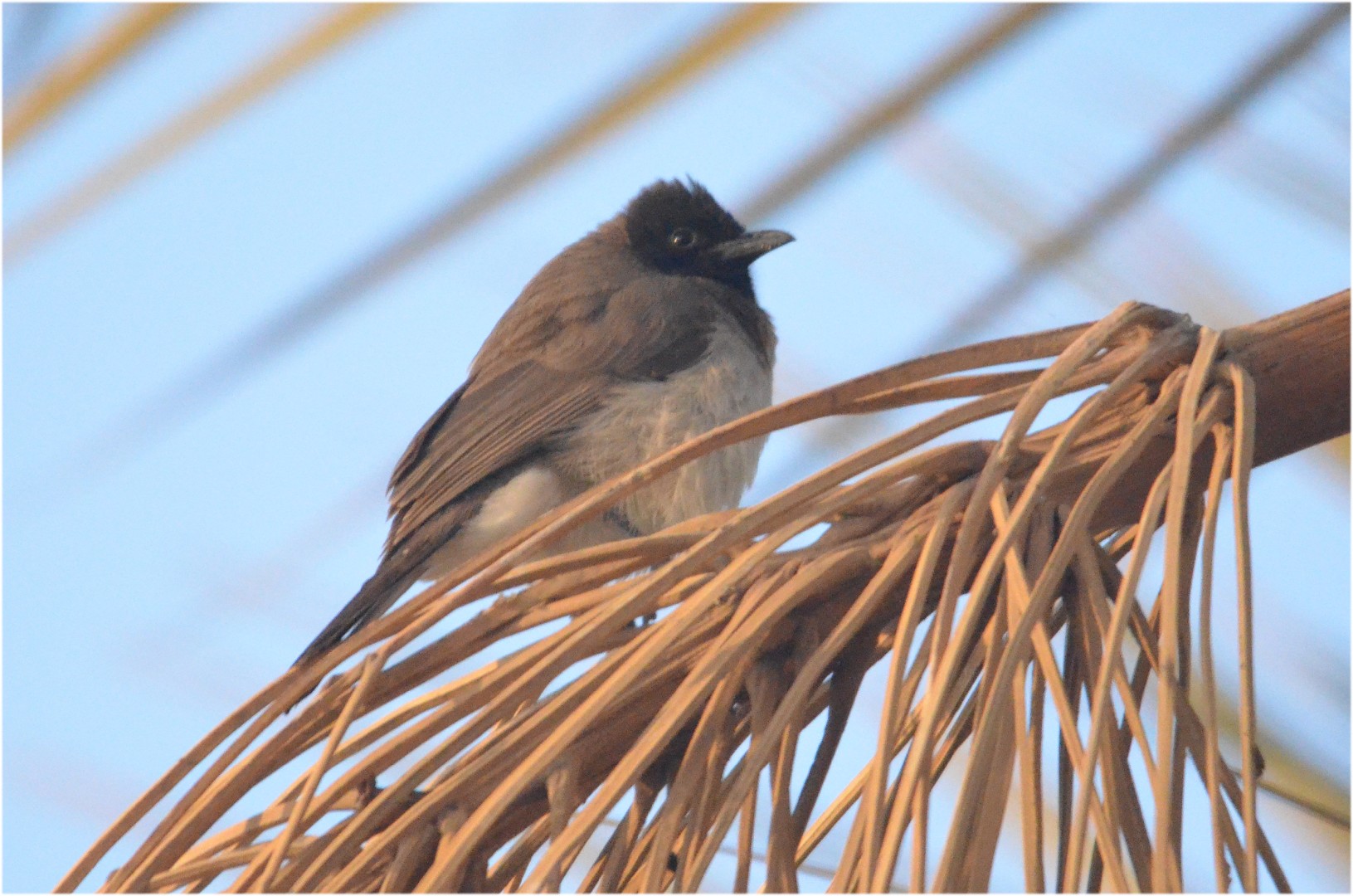
3. Common Bulbul
The bill is fairly short and thin, with a slightly downcurving upper mandible. The bill, legs, and feet are black and the eye is dark brown with a dark eye-ring, which is not readily visible. It is about 18 cm in length, with a long tail. It has a dark brown head and upperparts. Sexes are similar in plumage.
4. Village Weaver
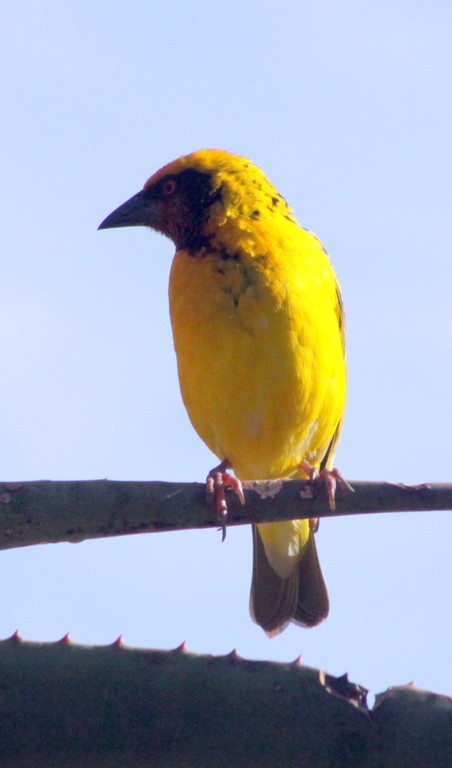
The village weaver is a stocky 15–17 cm bird with a strong conical bill and dark reddish eyes. In the northern part of its range, the breeding male has a black head edged by chestnut (typically most distinct on the nape and chest). Towards the southern part of its range, the amount of black and chestnut diminish, and the breeding males of the southernmost subspecies only have a black face and throat, while the nape and crown are yellow. In all subspecies the breeding male has a black bill, black and yellow upperparts and wings, and yellow underparts. The non-breeding male has a yellow head with an olive crown, grey upperparts and whitish underparts. The wings remain yellow and black. The adult female has streaked olive upperparts, yellow and black wings, and pale yellow underparts. Young birds are like the female but browner on the back.
5. Yellow-crowned Gonolek
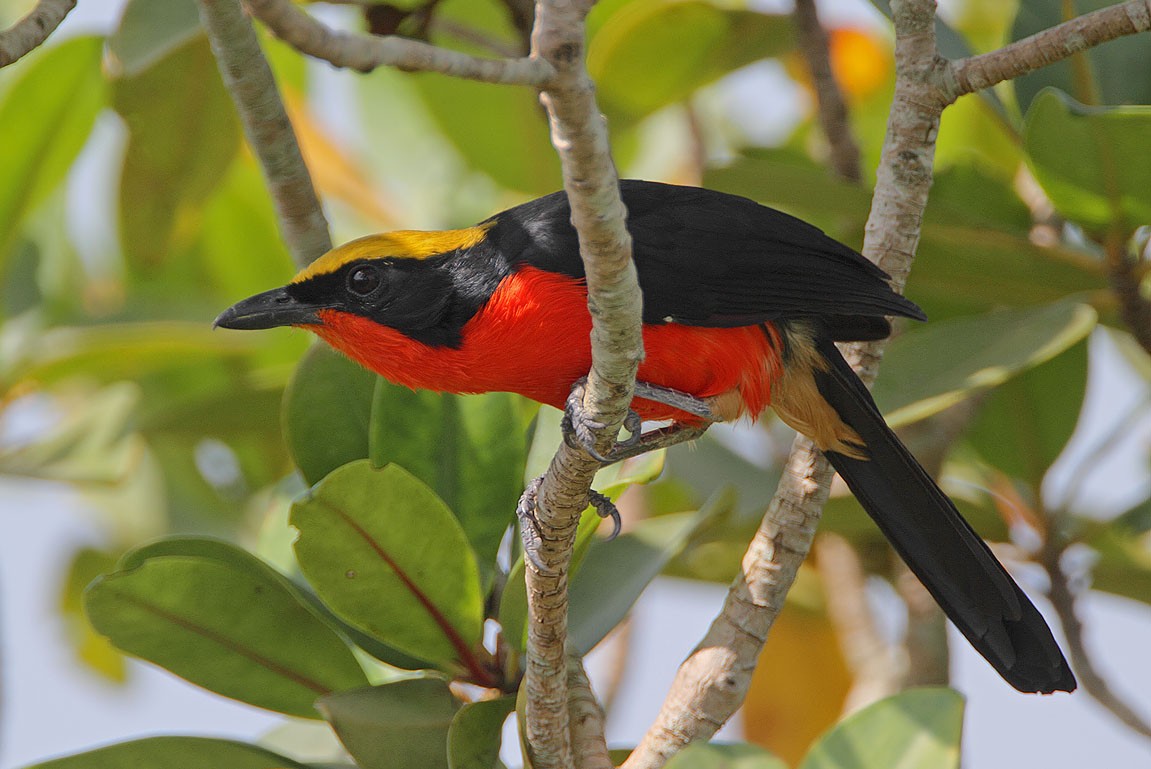
The yellow-crowned gonolek is 22 cm (8.7 in) long with a long tail and short wings. The adult is a vividly-coloured bird, although easily overlooked as it lurks in undergrowth. It has solidly black upper parts apart from its golden crown, and scarlet underparts other than a buff-yellow undertail. The legs are dark. Sexes are similar, but juveniles are paler and duller.
6. Speckled Pigeon
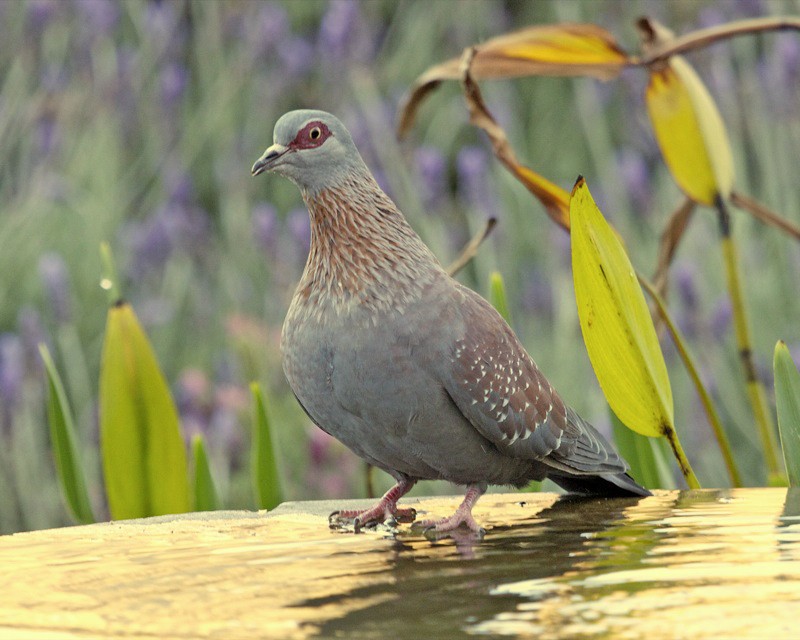
This is a large pigeon at 41 cm in length. Its back and wings are rufous, the latter heavily speckled with white spots. The rest of the upperparts and underparts are blue-grey, and the head is grey with red patches around the eye. The neck is brownish, streaked with white, and the legs are red. Sexes are similar, but immatures are browner than adults and lack the red eye patches. The call is a loud doo-doo-doo.
7. Variable Sunbird
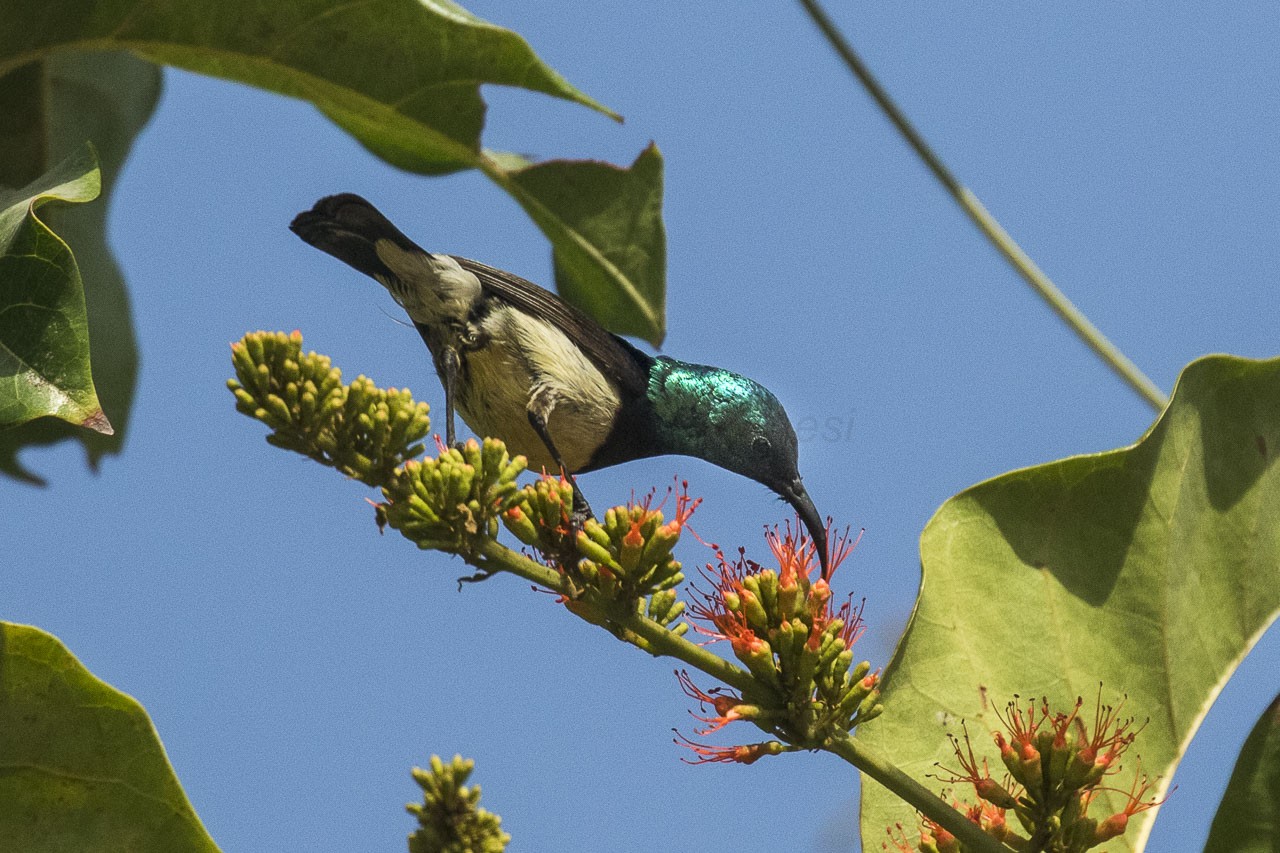
The variable sunbird (or yellow-bellied sunbird), Cinnyris venustus (formerly Nectarinia venusta), is a sunbird. The sunbirds are a group of small Old World passerine birds which feed largely on nectar, although they will also take insects, especially when feeding young. Flight is fast and direct on their short wings. Most species can take nectar by hovering like a hummingbird, but usually perch to feed most of the time. The variable sunbird is a fairly common resident breeder in equatorial Africa. Two eggs are laid in a suspended nest in a tree. This species is found in open woodland and cultivation. Variable sunbirds are small, only 10 cm long. They have medium-length thin down-curved bills and brush-tipped tubular tongues, both adaptations to their nectar feeding. The adult male has a glossy green head, throat and nape, and a maroon breast band. In most subspecies, the belly of the male is yellow, but in a few it is orange or white. The female has grey-brown upperparts and yellowish underparts, and an obvious pale supercilium. The eclipse male is like the female, but shows some green, especially on the throat. The call is a clear tew-tew-tew-tew-tew .
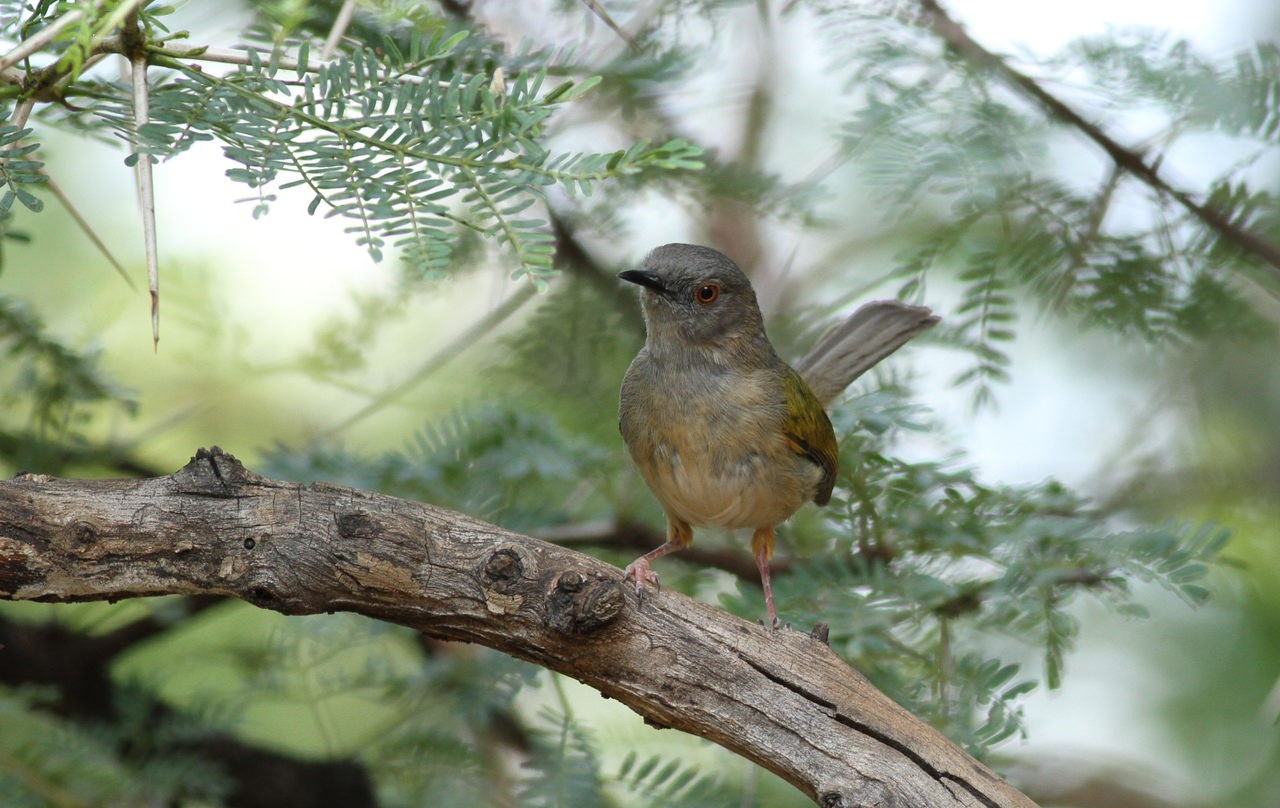
8. Green-backed Camaroptera
The green-backed camaroptera (Camaroptera brachyura), also known as the bleating camaroptera, is a small bird in the family Cisticolidae. This bird is a resident breeder in Africa south of the Sahara Desert. Recent studies suggest this species and the grey-backed camaroptera may be the same species. This skulking passerine is typically found low in dense cover. The green-backed camaroptera binds large leaves together low in a bush and builds a grass nest within the leaves. The normal clutch is two or three eggs. These 11.5 cm long warblers have green upperparts. The wings are olive and the underparts whitish grey. The sexes are similar, but juveniles are paler yellow on the breast. Like most members in the group, green-backed camaroptera is insectivorous. The green-backed camaroptera was described by the French ornithologist Louis Jean Pierre Vieillot in 1821 under the binomial name Sylvia brachyura. The type locality is the Cape of Good Hope. The specific epithet brachyura is from the Ancient Greek brakhus for "short" and -ouros for "-tailed". There are five subspecies: C. b. pileata Reichenow, 1891 – southeast Kenya to southeast Tanzania C. b. fugglescouchmani Moreau, 1939 – northeast Zambia, north Malawi and east Tanzania C. b. bororensis Gunning & Roberts, 1911 – south Tanzania, south Malawi and north Mozambique C. b. constans Clancey, 1952 – southeast Zimbabwe, south Mozambique and northeast South Africa C. b. brachyura (Vieillot, 1821) – south and east South Africa
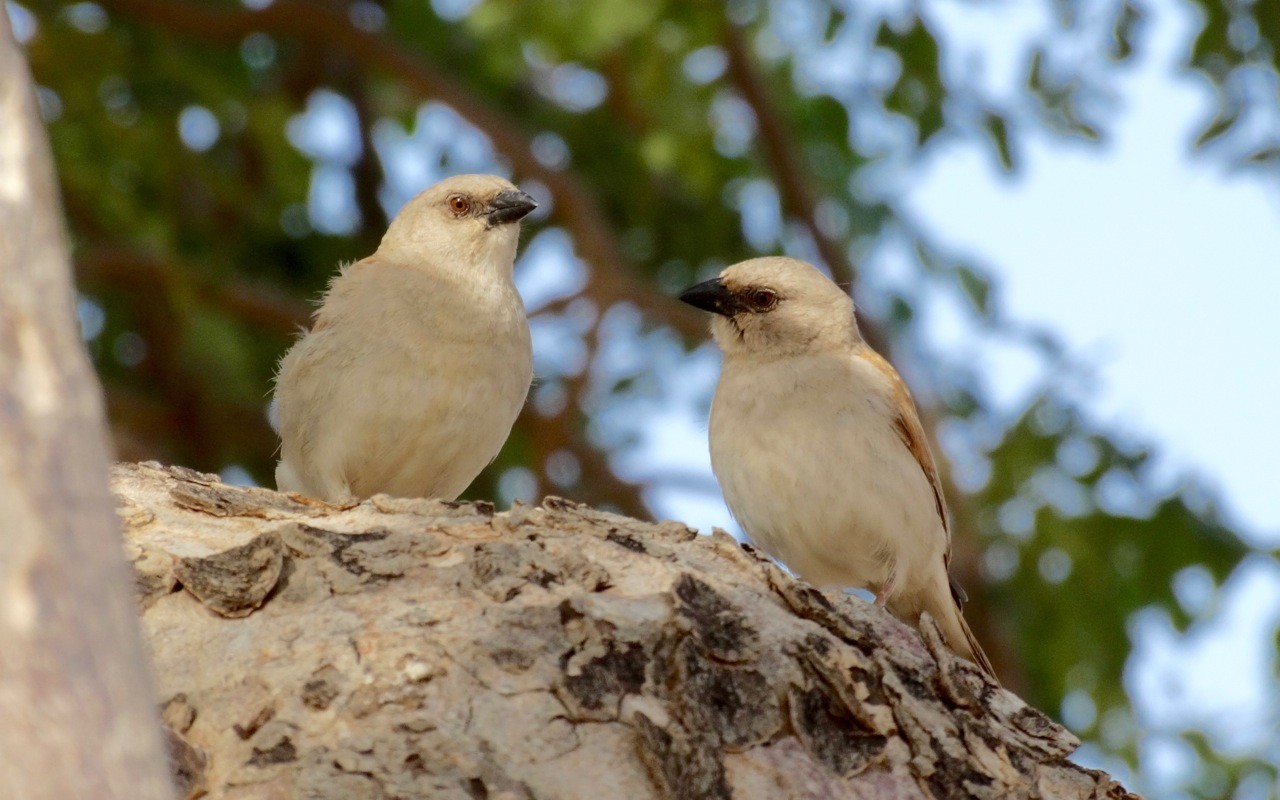
9. Northern Grey-headed Sparrow
The northern grey-headed sparrow (Passer griseus), also known as the grey-headed sparrow, is a species of bird in the sparrow family Passeridae, which is resident in much of tropical Africa. It occurs in a wide range of open habitats, including open woodlands and human habitation, often occupying the same niche as the house sparrow does in Eurasia. The adult northern grey-headed sparrow has a pale grey head with a white moustache stripe, pale brown upperparts, whitish underparts and chestnut wings with a small white shoulder patch. The sexes are similar, but young birds are slightly duller and lack the white wing patch. There are three subspecies, differing in plumage tone, especially with regard to the darkness of the head. This sparrow is mainly resident in its range, but there is some seasonal movement, and flocks of up to 50 birds form outside the breeding season. It builds a cup nest in trees, thatch, or old nests of other birds; 2–4 eggs are laid. This species feeds principally on seeds and grain, like other sparrows, but will readily take insects including termites, especially when feeding young. The calls include cheeps and chirps, and the typical sparrow churring alarm call. The northern grey-headed sparrow is replaced in eastern and southern Africa by very similar birds that are sometimes considered races of this species: Swainson's sparrow, the parrot-billed sparrow, the Swahili sparrow, and the southern grey-headed sparrow. According to phylogenetic studies by Arnaiz-Villena et al., this species is indeed related to the other grey-headed sparrows, and these species together are most closely related within genus Passer to the house sparrow and allies.
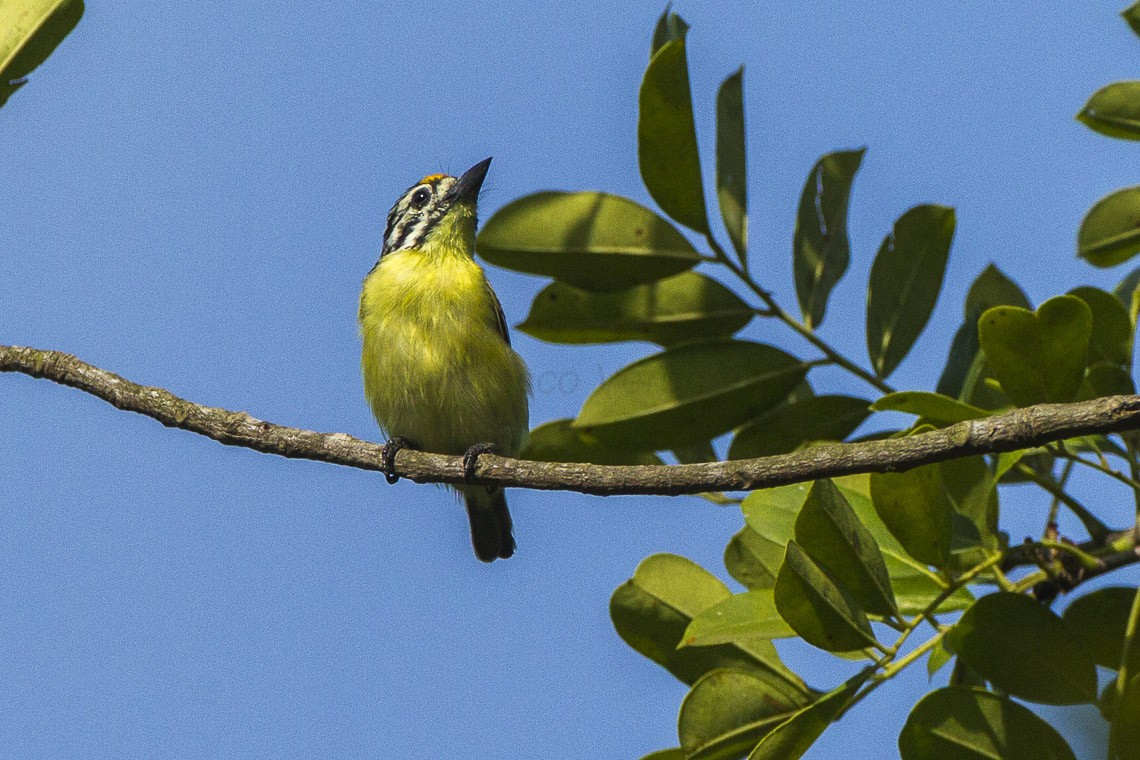
10. Yellow-fronted Tinkerbird
The yellow-fronted tinkerbird is approximately 11 cm (4.3 in) in length. It is plump, with a short neck, large head, and short tail. The adult has black upperparts heavily streaked with yellow and white. Its head has a strong black and white pattern, with a yellow forecrown spot. The underparts and rump are lemon yellow. Both sexes are similar in appearance, but young birds have a differentiating dark crown that lacks the distinct yellow spot.
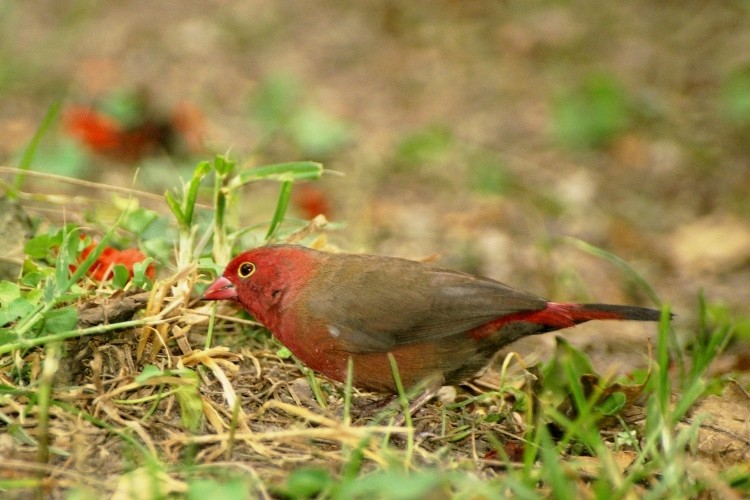
11. Red-billed Firefinch
The red-billed firefinch is 10 cm (3.9 in) in length. The adult male has entirely scarlet plumage apart from brown wings. The bill is pink, and there is a yellow eye-ring. Females have uniformly brown upperparts and buff underparts. There is a small red patch in front of both eyes, with the bill also being pink.
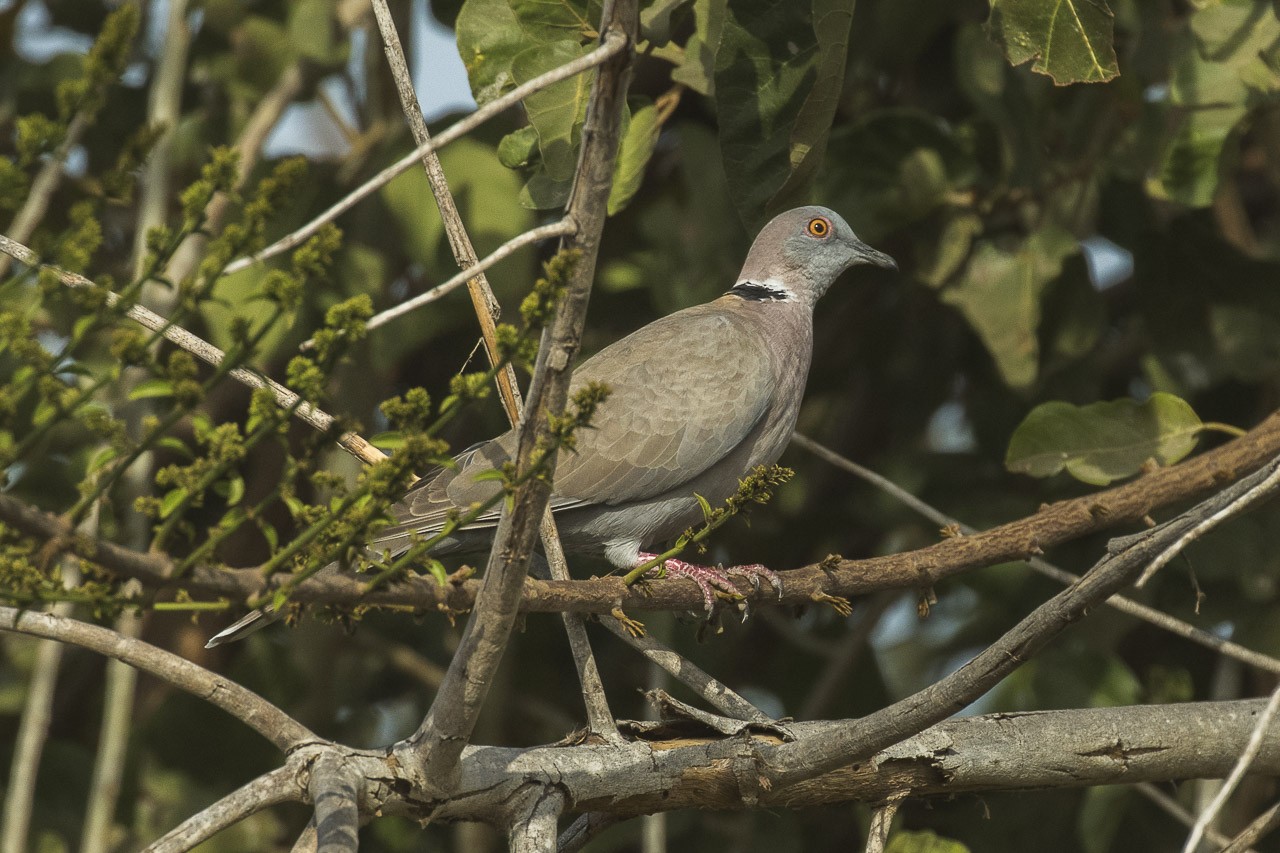
12. Red-eyed Dove
The red-eyed dove is a largish, stocky pigeon, typically 30 cm (12 inches) in length. Its back, wings and tail are pale brown. When flying, it shows blackish flight feathers. The head and underparts are dark vinous-pink, shading to pale grey on the face. There is a black hind neck patch edged with white. The legs and a patch of bare skin around the eye are red. The call is a loud doo-doo-du-du. Sexes are similar, but juveniles are duller than adults, and have scalloping on the body feathers. Red-eyed doves eat grass seeds, grains and other vegetation. They often forage on the ground.
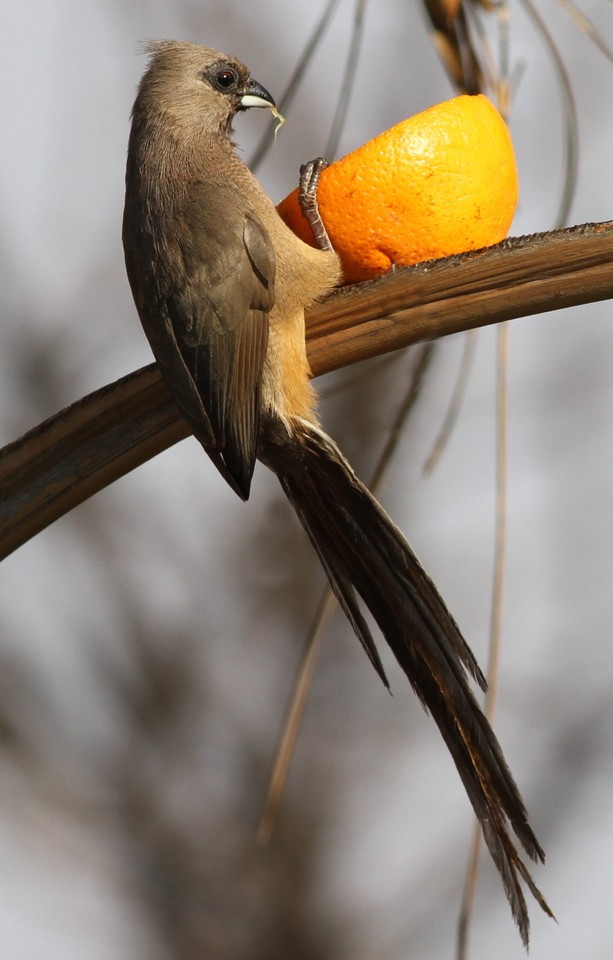
13. Speckled Mousebird
The speckled mousebird is about 35 cm (14 inches) long, with the tail comprising approximately half the length, and weighs about 57 grams (2 oz). It is well-named, because it is dull-mousy brown in overall color on the back and on the head (including a prominent crest). The bill is black on the upper part and is a pinkish color on the lower part. The rare white-headed mousebird can be confused with this species, but the differently colored mandibles and the lack of a bare grey orbital patch render the Speckled species distinctive. The speckled mousebird is not known for its voice, as songbirds are, although it is a noisy creature. They make a warbling tsu-tsu call while in flight, and are known for their tisk-tisk alarm call while in flight.
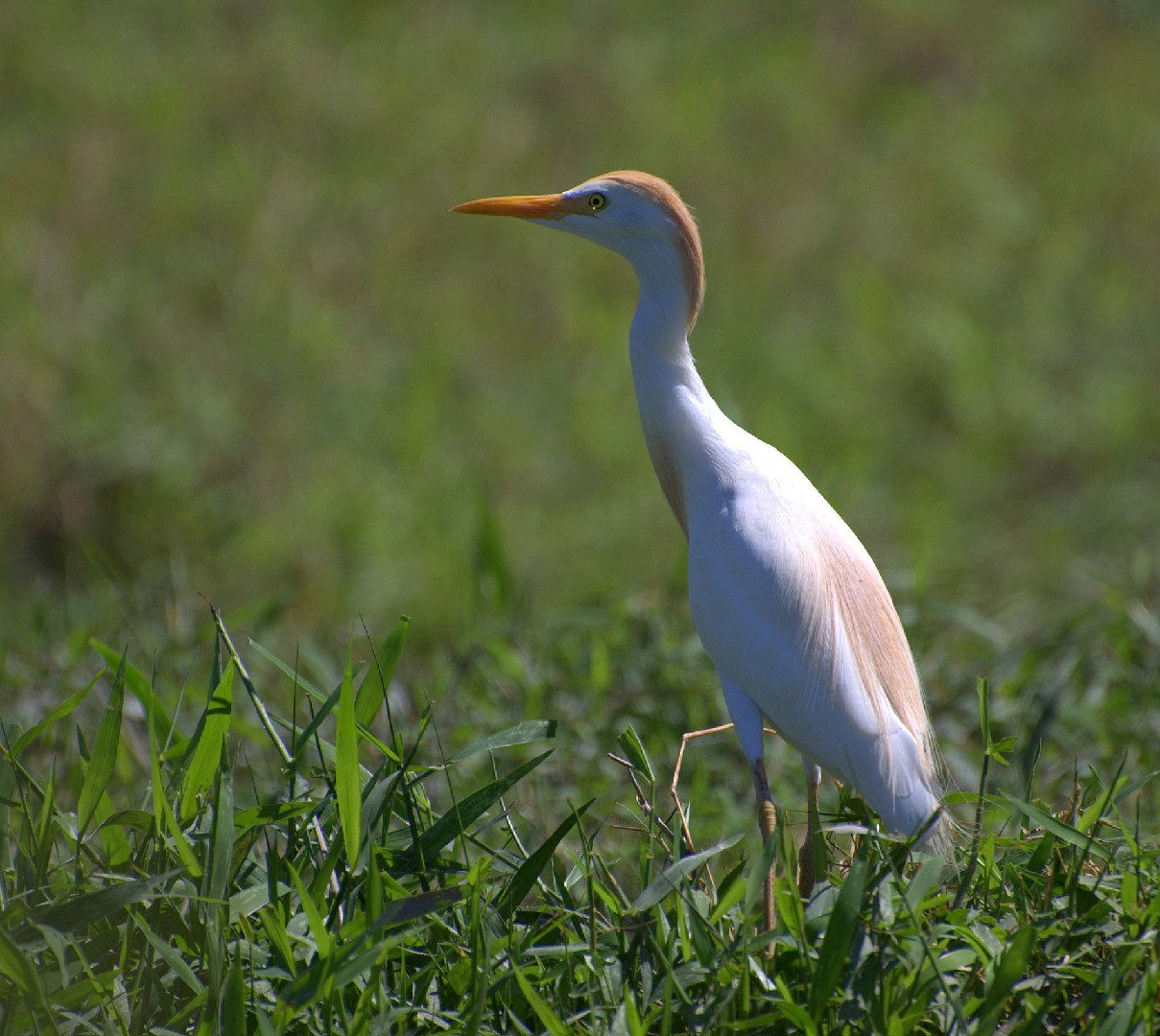
14. Cattle Egret
Cattle Egrets are short, thick-necked egrets. Their name refers to their preference to follow along with livestock as they forage in fields. Cattle Egrets were native only to Africa until the late 1800s when they somehow made their way throughout the Americas. They can often be found along airport runways waiting for planes to take off and blow insects out of the grass and weeds. They also follow behind farm equipment and do the same thing.
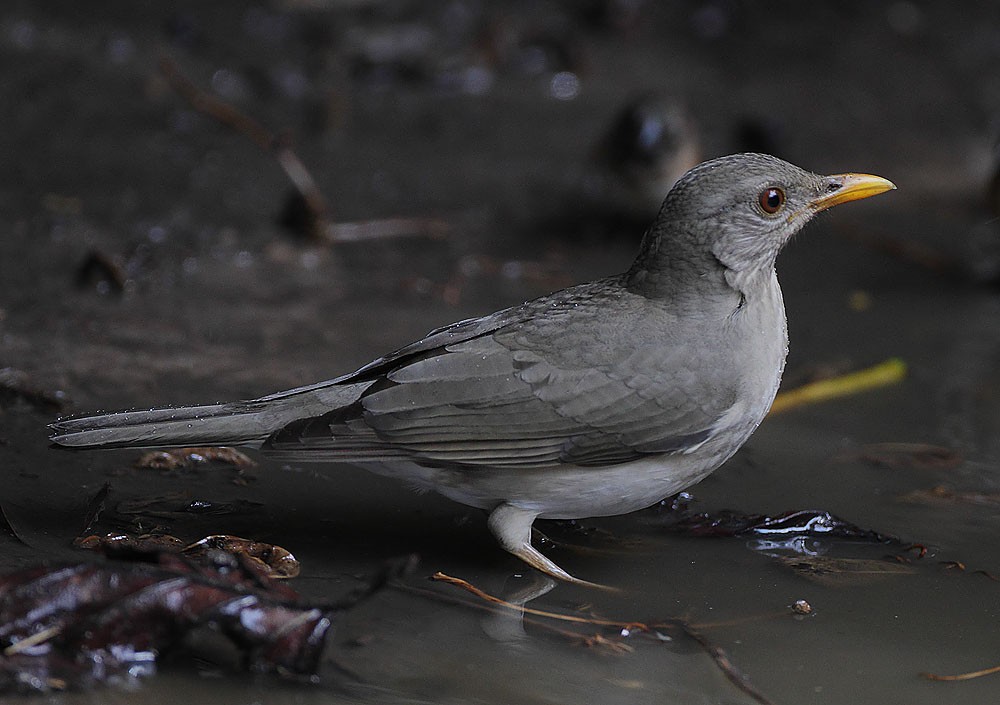
15. African Thrush
The African Thrush has dark olive-grey upperparts. The underparts show a whitish evenly brown- streaked side throat, the breast is greyish brown and the flanks are pale buff-orange with this colour not extending on to the lower breast, the belly and vent are white. It has a yellow-orange bill. It weighs 46–78g and measures 21–23 cm in length.
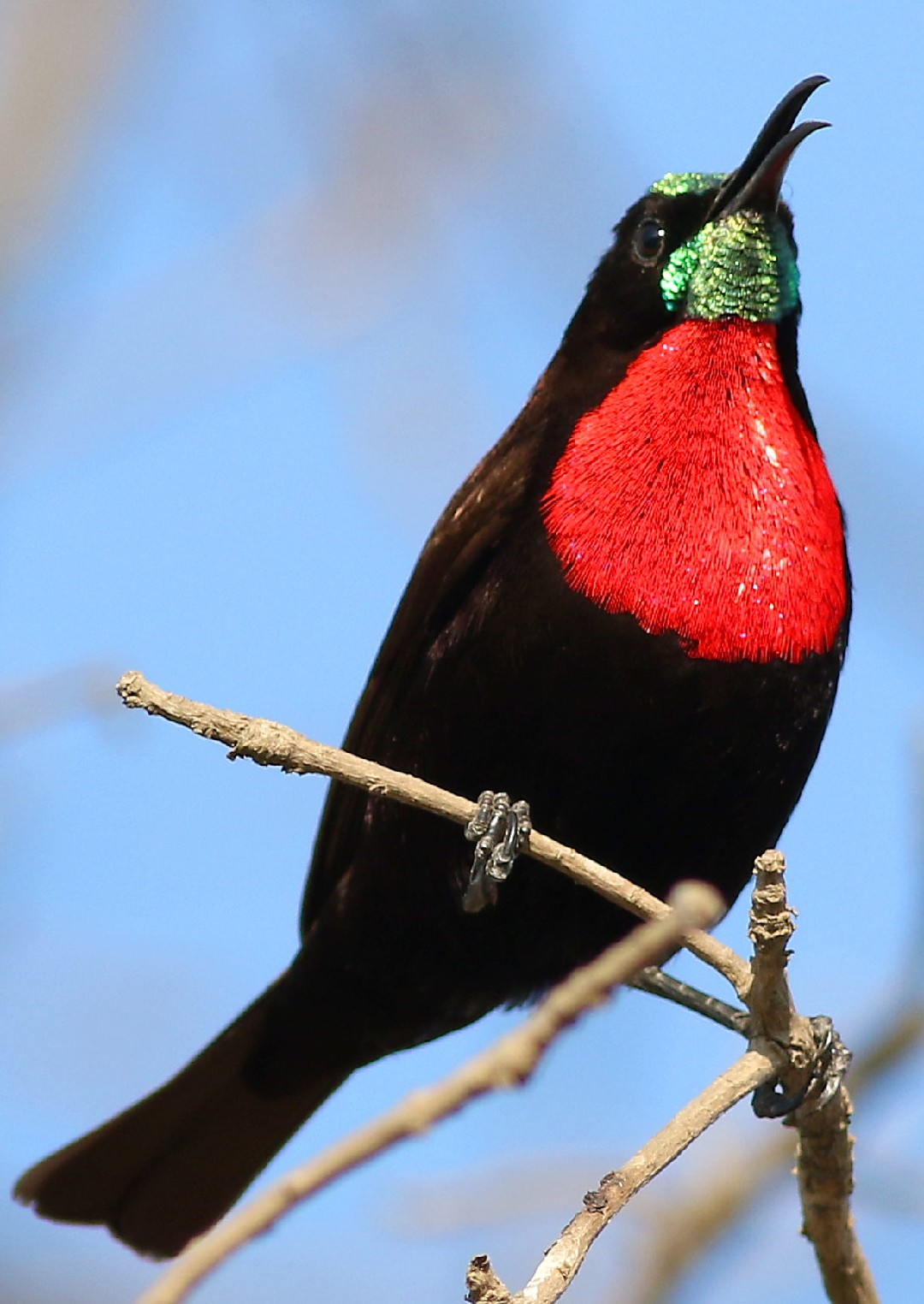
16. Scarlet-chested Sunbird
The scarlet-chested sunbird (Chalcomitra senegalensis) is a species of bird in the family Nectariniidae. It is found in Angola, Benin, Botswana, Burkina Faso, Burundi, Cameroon, Central African Republic, Chad, Democratic Republic of the Congo, Ivory Coast, Eritrea, Ethiopia, Gambia, Ghana, Guinea, Guinea-Bissau, Kenya, Malawi, Mali, Mauritania, Mozambique, Namibia, Niger, Nigeria, Rwanda, Senegal, Sierra Leone, South Africa, Sudan, Swaziland, Tanzania, Togo, Uganda, Zambia, and Zimbabwe.
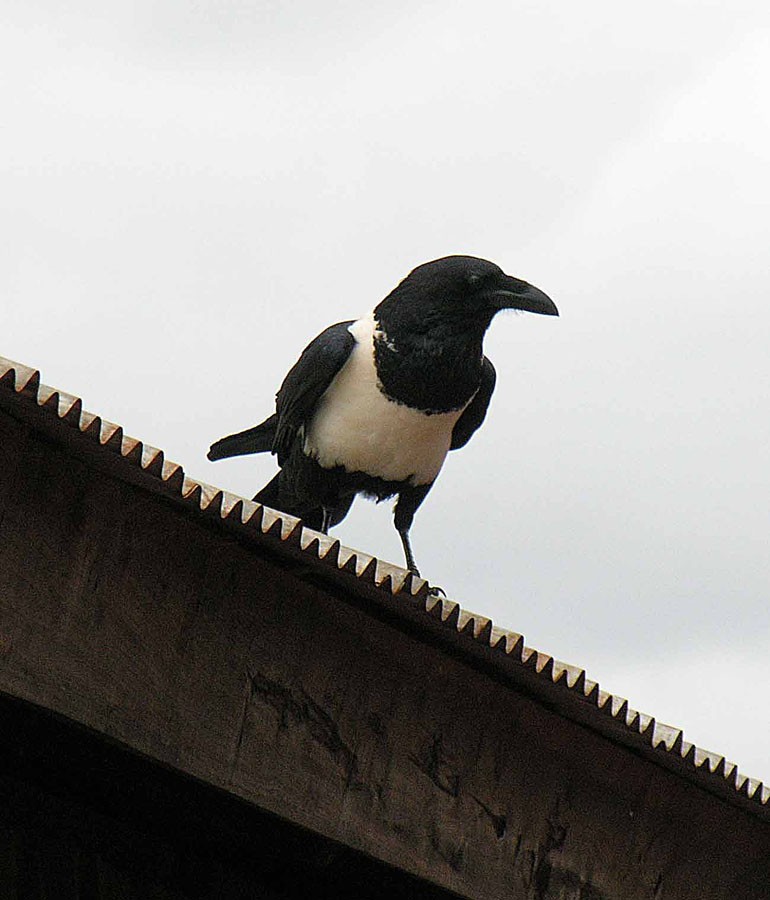
17. Pied Crow
It is approximately the size of the European carrion crow or a little larger (46–50 cm in length) but has a proportionately larger bill, slightly longer tail and wings, and longer legs. As its name suggests, its glossy black head and neck are interrupted by a large area of white feathering from the shoulders down to the lower breast. The tail, bill and wings are black too. The eyes are dark brown. The white plumage of immature birds is often mixed with black. It resembles the white-necked and thick-billed ravens but has a much smaller bill.
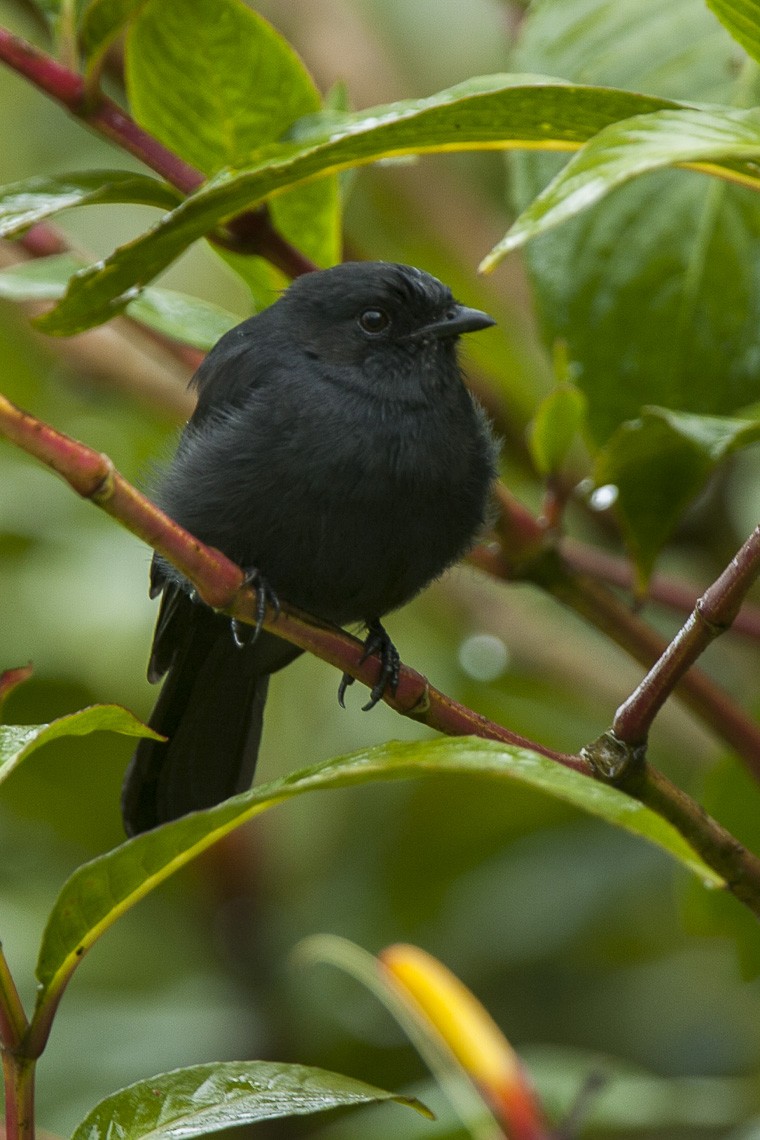
18. Northern Black Flycatcher
The northern black flycatcher is 20 centimetres (7.9 in) long. It is a large upright long-tailed flycatcher. The adult is uniformly black. Juveniles are blackish-brown with buff scaling. The long square-ended tail helps to distinguish this species from two other all-black insectivores, the fork-tailed drongo and the shorter-tailed and red-eyed common square-tailed drongo.
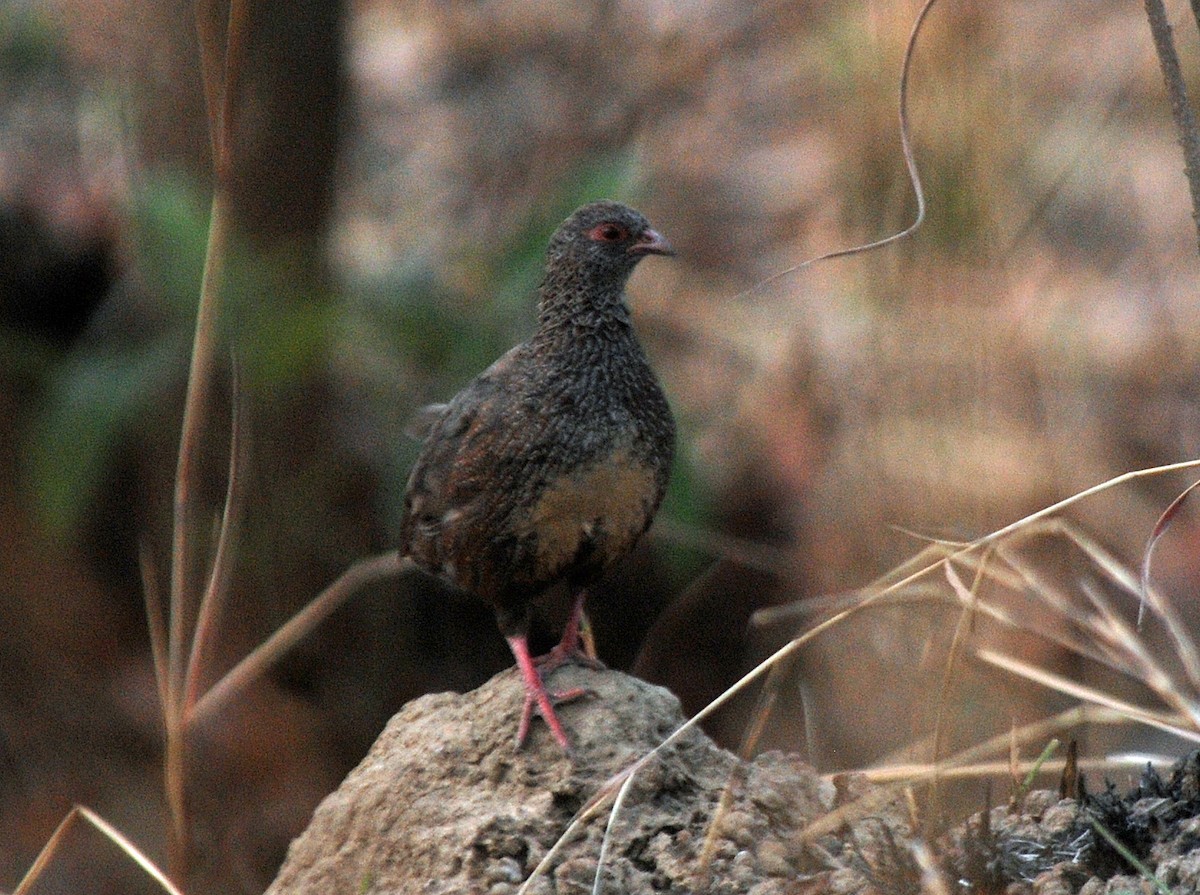
19. Stone Partridge
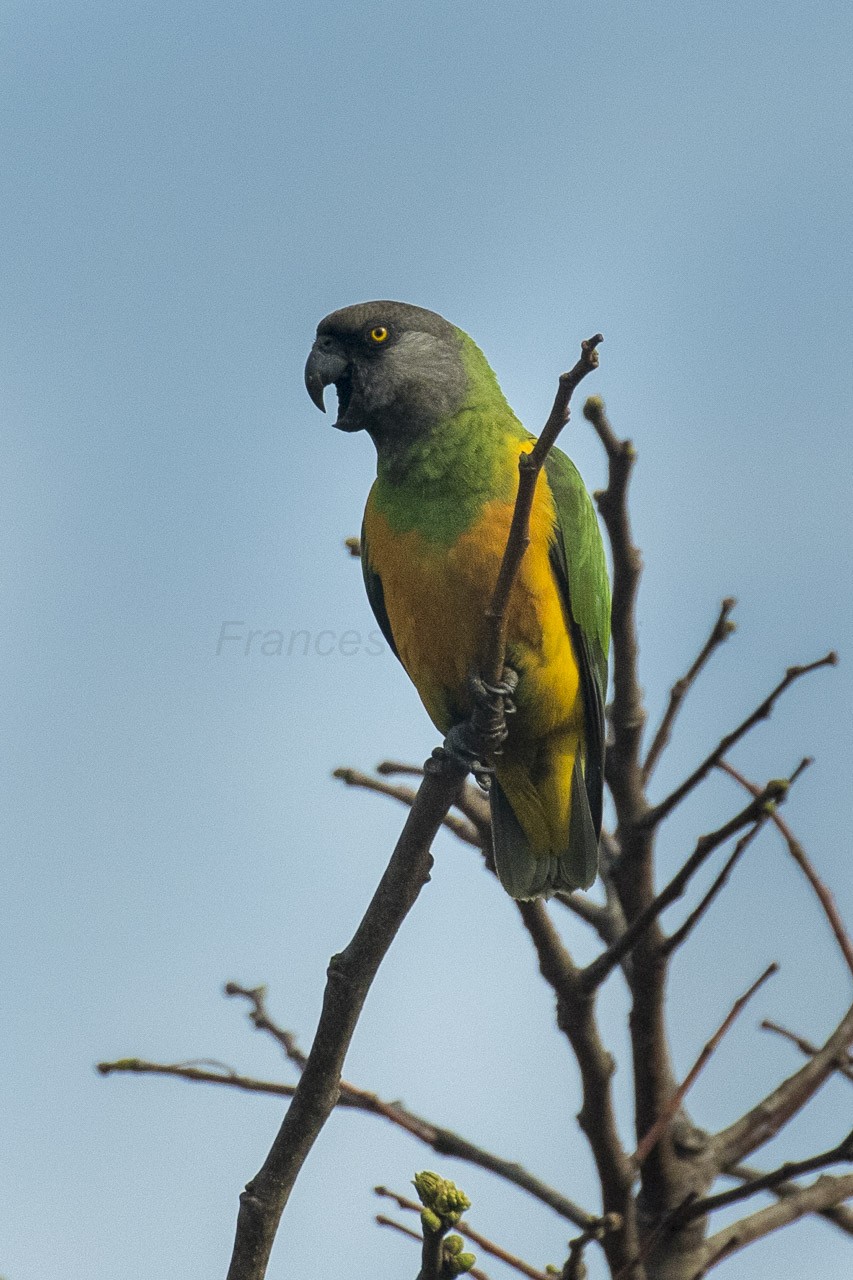
20. Senegal Parrot
Senegal parrots are about 23 centimetres (9.1 inches) long, weigh about 120 to 170 grams (4.2 to 6.0 ounces). They have a relatively large head and beak for their overall size, and feathers form a short broad tail. Adults have a charcoal grey head, grey beak, bright yellow irises, green back and throat, and yellow underparts and rump. The yellow and green areas on a Senegal parrot's front form a V-shape resembling a yellow vest worn over green. Young Juveniles have dark grey, almost black, irises, which change to light grey. Senegal parrots are not sexually dimorphic, but there are some hypotheses which sometimes might help to determine the gender of adult birds: The V-shape of the vest is usually longer in females; in females the green area extends down over the chest to between the legs, whereas in males the tip of the green area ends midway down the chest. The female's beak and head are generally slightly smaller and narrower than the male's. The under-tail covert feathers (short feathers under the base of the main tail feathers) are generally mostly yellow in the male and generally mostly green in the female. Males are generally, but not always, larger and heavier than female birds.