




Top 20 Most Common Bird in Aklan
Aklan is a lush province in the Philippines, boasting a diverse range of avian species within its forests, coastline, and mangroves. The 20 most common birds showcase diverse characteristics, from striking colorations to unique behavioral patterns. These birds exhibit fascinating adaptations that enable them to thrive in this tropical environment, demonstrating the rich biodiversity of Aklan.

Most Common Bird
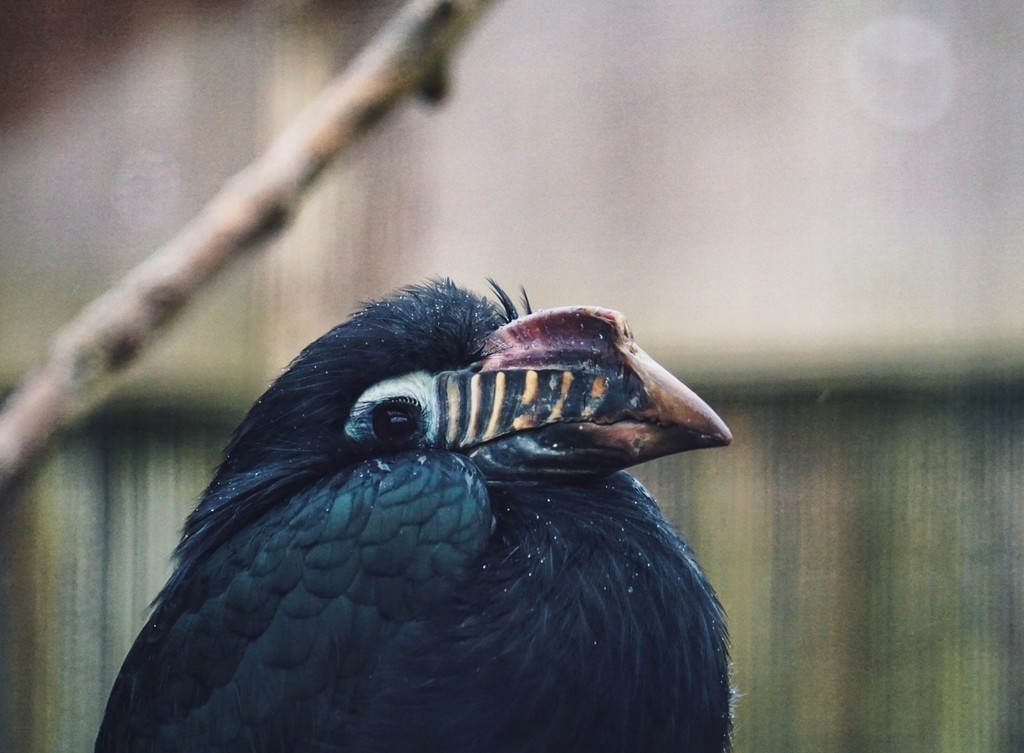
1. Visayan Hornbill
The adults show sexual dimorphism. The male has a creamy-white head and neck, a white upper chest, a reddish-brown lower chest and uppertail-coverts, and a creamy-white buff tail with a broad black tip. The bill and casque are blackish; the former with yellowish ridges. The bare ocular skin is pinkish-white. The tail and bill of the female resemble that of the male, but otherwise the plumage of the female is black, and the ocular skin is blue. 
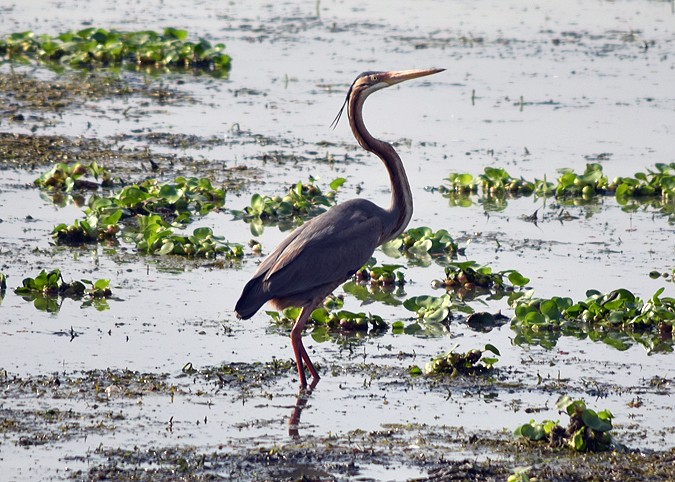
2. Purple Heron
The purple Heron is a beautiful bird that is highly adapted to its wetland habitat, where it primarily feeds on fish and other prey. Its long neck and sharp beak make it a skilled hunter of fish and small prey in shallow waters. It is easily recognizable.
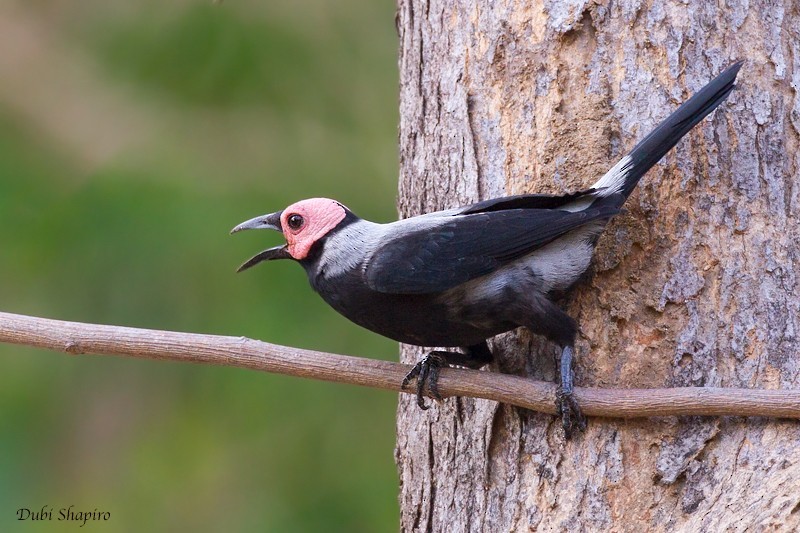
3. Coleto
The coleto (Sarcops calvus) is a starling species (family Sturnidae) in the monotypic genus Sarcops. It is endemic to the Philippines. Its natural habitats are subtropical or tropical dry forest, subtropical or tropical moist lowland forest, and subtropical or tropical moist montane forest. In Central Visayas, this bird is commonly known as the sal-ing. In 1760 the French zoologist Mathurin Jacques Brisson included a description of the coleto in his Ornithologie based on a specimen collected in the Philippines. He used the French name Le merle chauve des Philippines and the Latin Merula Calva Philippensis. Although Brisson coined Latin names, these do not conform to the binomial system and are not recognised by the International Commission on Zoological Nomenclature. When in 1766 the Swedish naturalist Carl Linnaeus updated his Systema Naturae for the twelfth edition, he added 240 species that had been previously described by Brisson. One of these was the coleto. Linnaeus included a brief description, coined the binomial name Gracula calva and cited Brisson's work. The specific name is from Latin calvus "bald" or "without hair". This species is now the only member of the genus Sarcops that was introduced by the English ornithologist Authur Walden in 1875. The name combines the Ancient Greek words sarx, sarkos "flesh" and ōps, ōpos "face" or "complexion". Three subspecies are recognised: S. c. calvus (Linnaeus, 1766) – north Philippines S. c. melanonotus Ogilvie-Grant, 1906 – central and south Philippines S. c. lowii Sharpe, 1877 – Sulu Archipelago (southwest Philippines)
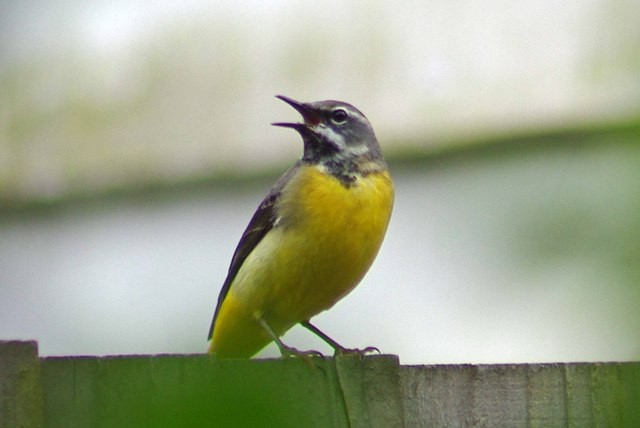
4. Grey Wagtail
A longtail songbird, the grey Wagtail can be vocal whether it is on the ground or in flight. The bird is often seen near running water with a rocky habitat close by. It shares a common characteristic with other birds in the genus. It frequently wags its tail feathers and flies low to the ground.
5. Philippine Magpie-robin
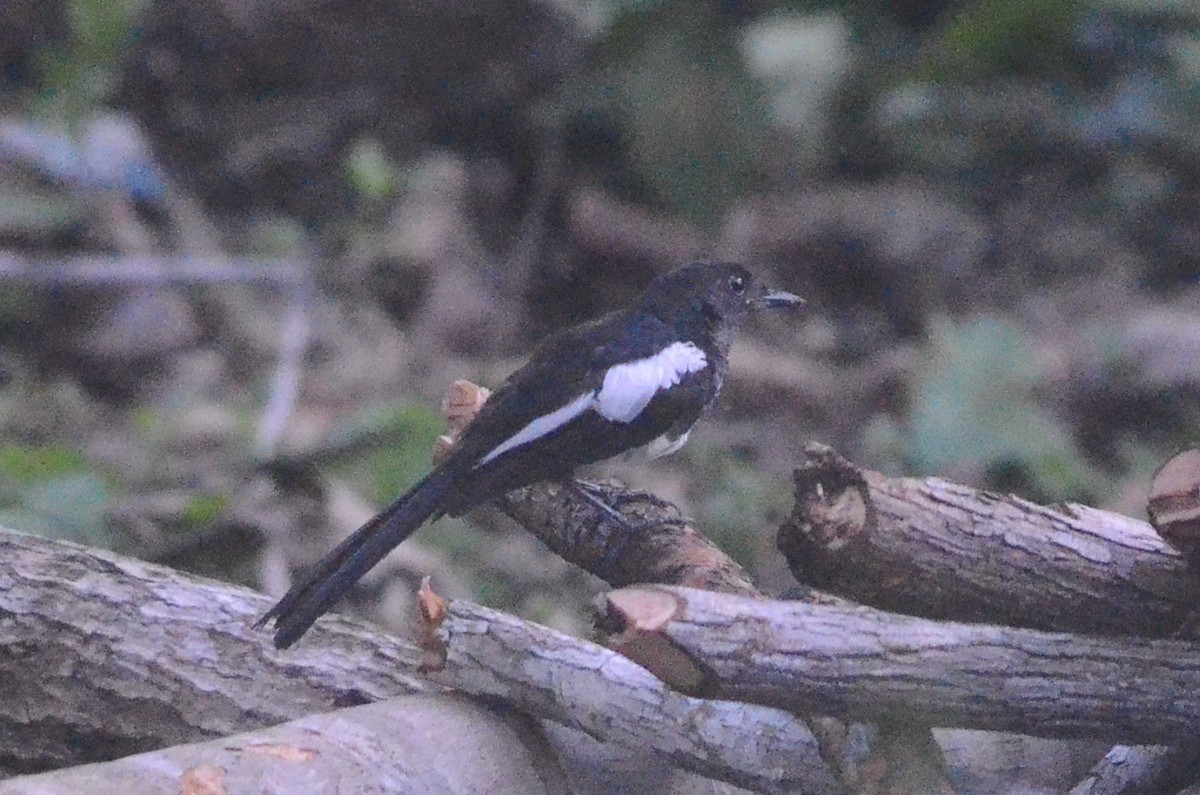
The Philippine magpie-robin (Copsychus mindanensis) is a species of bird in the family Muscicapidae. It is endemic to the Philippines. It used to be considered a subspecies of the Oriental magpie-robin. Its natural habitats are subtropical or tropical dry forests and subtropical or tropical moist lowland forests.
6. Black-naped Oriole
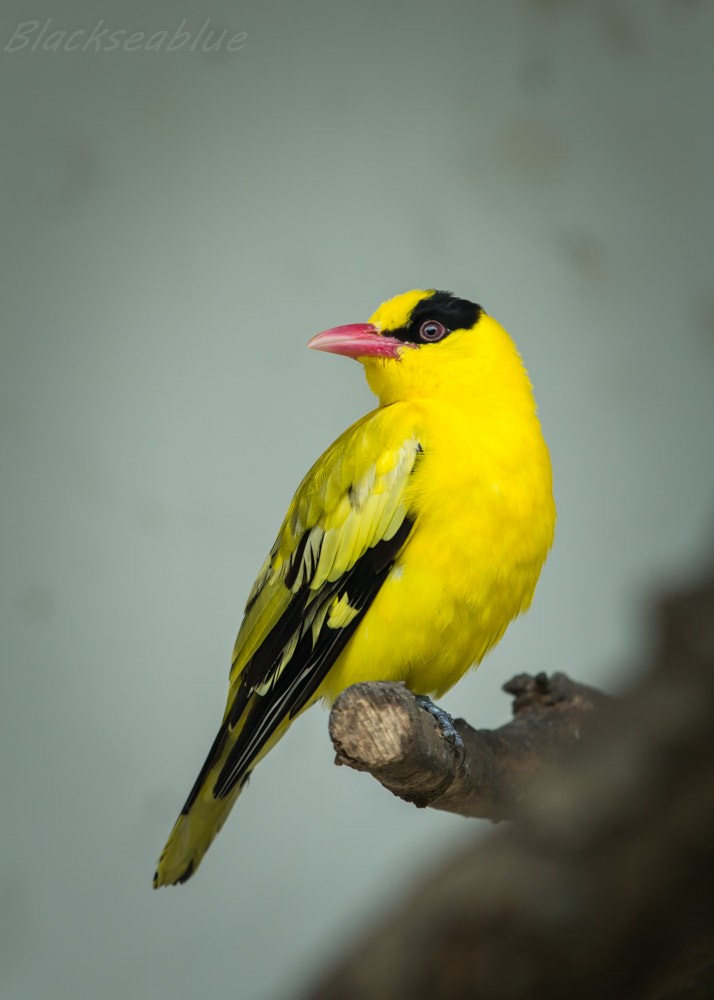
The black-naped oriole is medium-sized and overall golden with a strong pinkish bill and a broad black mask and nape. The adult male has the central tail feathers tipped yellow and the lateral ones are more broadly yellow. The female has the mantle colour more greenish or olive. The juvenile has a streaked underside. The nestling has dull greenish with brown streaks. The head and nape are more yellowish and the undertail coverts are yellow. Several variations exist in the populations that have been separated as subspecies. The subspecies in the Andamans, O. c. andamanensis has all black wings while O. c. macrourus of the Nicobars has a very broad nape band so that only the top of the head is yellow. The wings are all black with a yellow primary covert patch. The calls of the Andaman and the Nicobar subspecies are said to be quite different, the latter having a more modulated call note. In the Southeast Asian populations some geographic trends include a reduction of yellow on the forehead and a decreased brightness in the yellow plumage from north to south. Females from southern populations are more greenish on the back and tail and there are no yellow spots on the tips of the secondaries as in northern populations. The usual call is a nasal niee or myaa and the song (diffusus) is a fluty iwee wee wee-leeow. They have a dipping flight.
7. Whiskered Tern
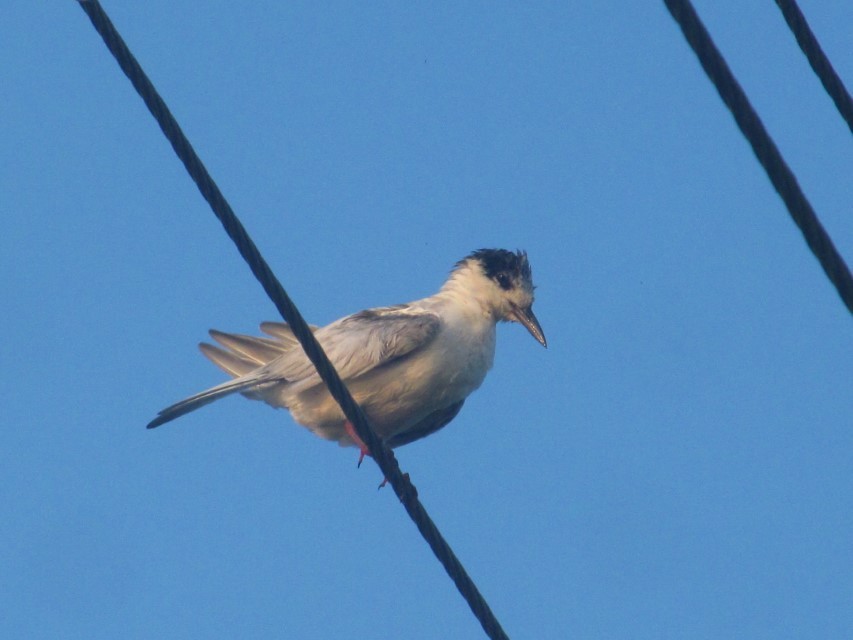
The size, black cap, strong bill (29–34 mm in males, 25–27 mm and stubbier in females, with a pronounced gonys) and more positive flight recall common or Arctic tern, but the short, forked-looking tail and dark grey breeding plumage above and below are typically marsh tern characteristics. The summer adult has white cheeks and red legs and bill. The crown is flecked with white in the juvenile, and the hindcrown is more uniformly blackish, though in the winter adult this too is flecked with white. The black ear-coverts are joined to the black of the hindcrown, and the space above is mottled with white, causing the black to appear as a C-shaped band. The sides of the neck are white; this sometimes continues across the nape. The collar is less sharply defined. All through the year the rump is pale grey. In the juvenile, the mantle (279 mm) has a variegated pattern. The feathers of the back and scapulars are dark brown, with prominent broad buff edgings and often subterminal buff bars or centers. There is usually an admixture of new gray feathers, especially on the mantle, quite early in the fall. The mantle is silvery-gray in the adult. The call is a characteristic krekk. In winter, the forehead becomes white and the body plumage a much paler grey. Juvenile whiskered terns have a ginger scaly back, and otherwise look much like winter adults. The first winter plumage is intermediate between juvenile and adult winter, with patchy ginger on the back. The whiskered tern eats small fish, amphibians, insects and crustaceans.
8. Narcissus Flycatcher
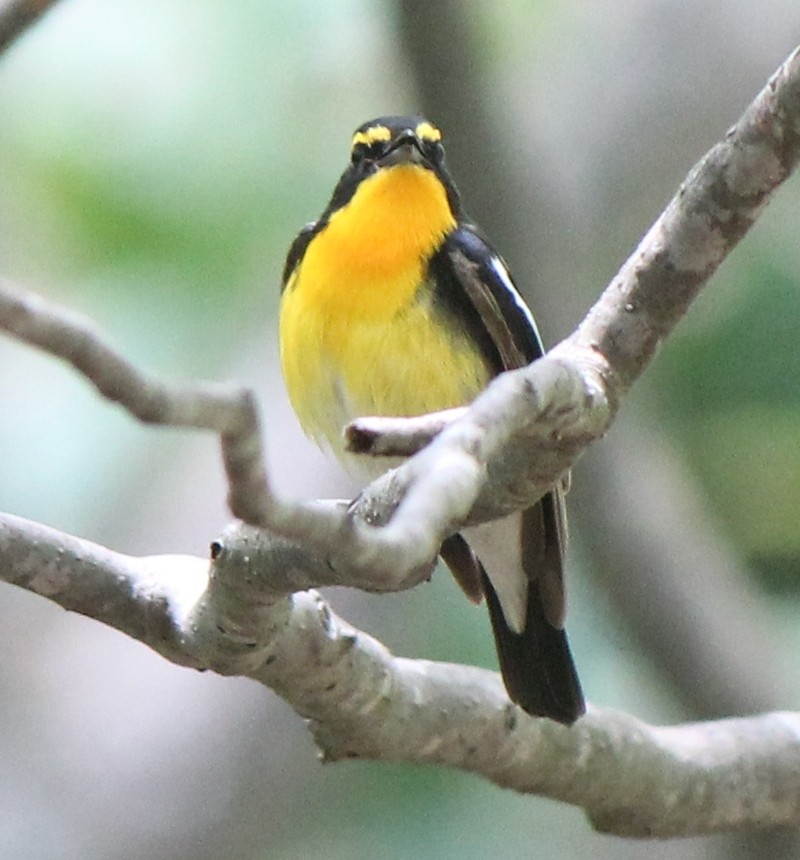
The narcissus flycatcher (Ficedula narcissina) is a passerine bird in the Old World flycatcher family. It is native to the East Palearctic, from Sakhalin to the north, through Japan across through Korea, mainland China, and Taiwan, wintering in southeast Asia, including the Philippines, Vietnam and Borneo. It is highly migratory, and has been found as a vagrant from Australia in the south to Alaska in the north [1]. Narcissus flycatcher males are very distinctive in full breeding plumage, having a black crown and mantle, a bright orange throat with paler chest and underparts, an orange-yellow eyebrow, black wings with a white wing patch, an orange-yellow rump, and a black tail. Non-breeding males have varying levels of yellow. Females are completely dissimilar, with generally buff-brown coloration, with rusty-colored wings, and a two-toned eyering. This species primarily feeds on insects, and lives in deciduous woodlands. Breeding males sing in repeated melodious whistles. The green-backed flycatcher was formerly considered a subspecies. There are several subspecies, largely determined by plumage and range variations, at least of which has been split off as separate species. The Narcissus Flycatcher arrives in Southeast Asia during early May to commence mating behavior. Males arrive before females to prepare a nest that will aid in the selection of a mate as well as shelter. Due to familiarity with the ritual older males typically arrive at the area sooner than younger males. F. n. narcissina, the nominate race, found from Sakhalin south to the Philippines F. n. owstoni, a short-range migrant based in the Ryukyu Islands, breeding males have an olive-green crown and mantle instead of black The name of the bird is a reference to the yellow color of many varieties of the narcissus flower.
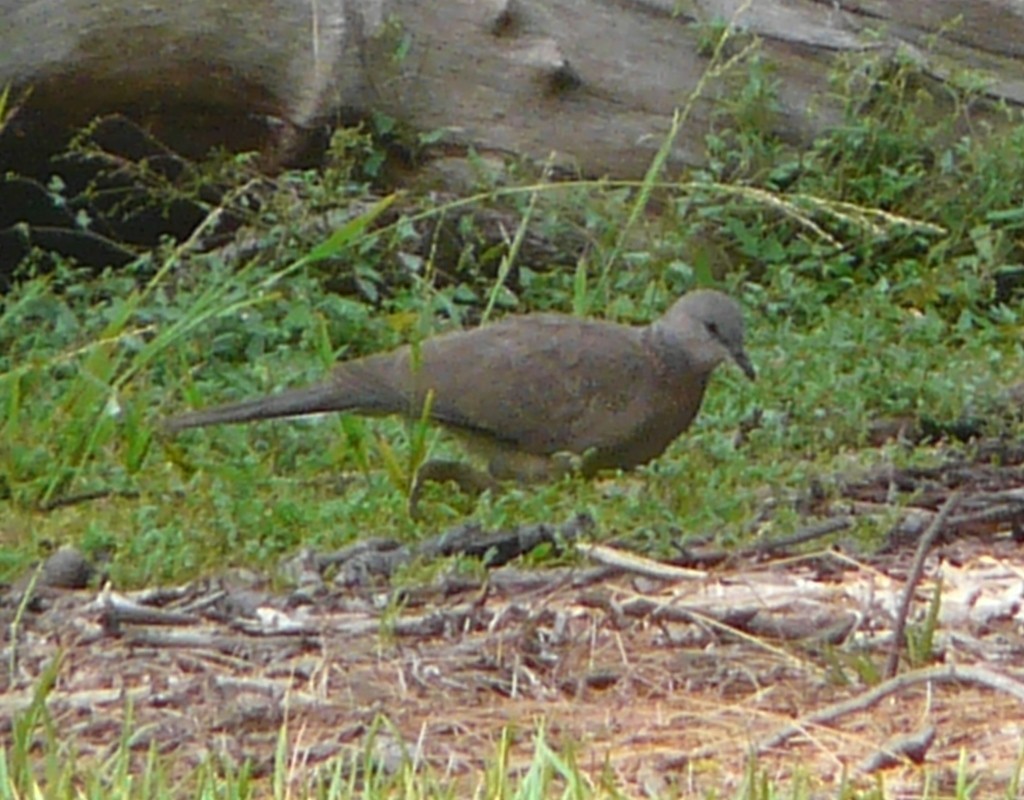
9. Spotted Dove
The spotted Dove is a medium-sized bird that is swift in flight. It prefers to live year-round in warm climates in suburban areas, especially in parks. Their nests are mostly made out of sticks and they like to dine on insects and seeds.
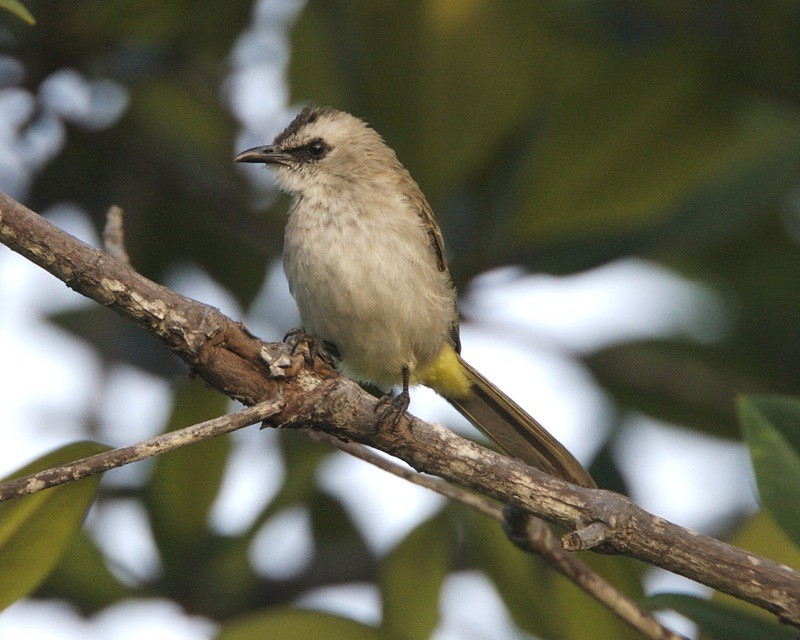
10. Yellow-vented Bulbul
The eyebrow buzz (Pycnonotus goiavier), is a common songbird from the family of the buulbuuls. The eyebrow bulge is found in large parts of Southeast Asia and the Indian Archipelago.
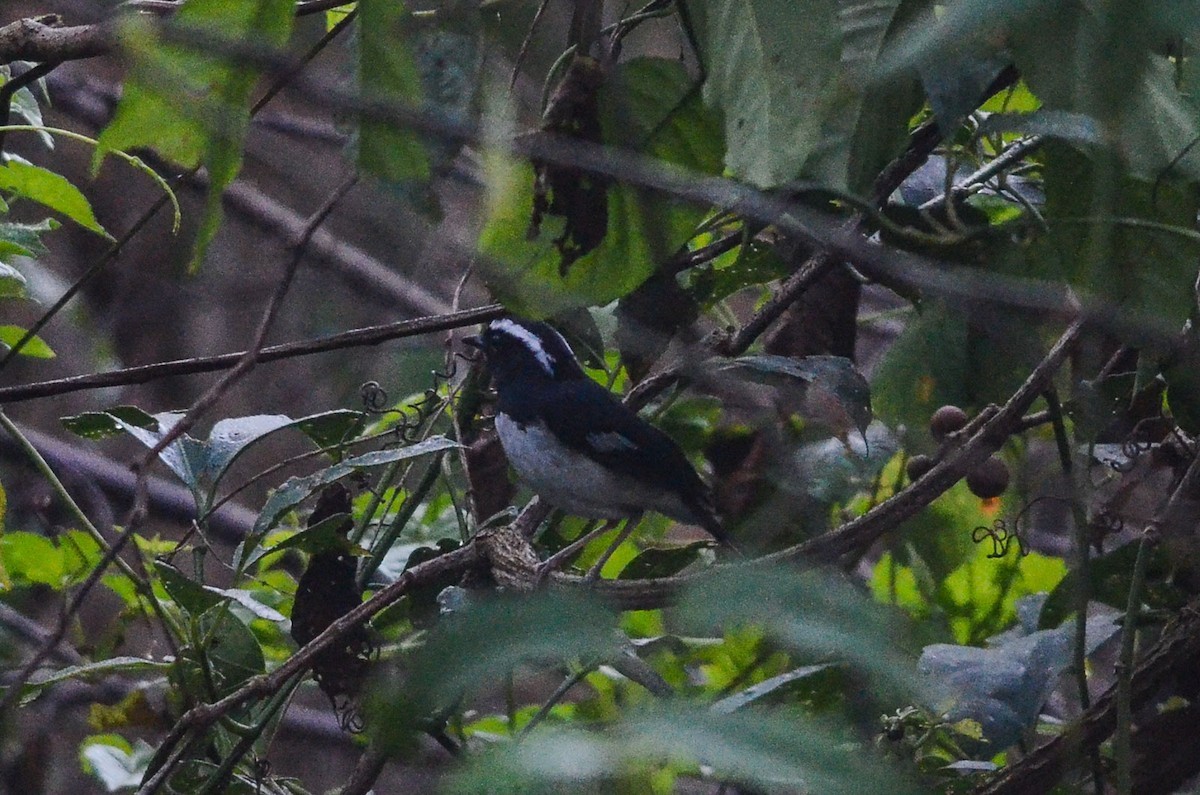
11. White-browed Shama
The white-browed shama (Copsychus luzoniensis) is a species of bird in the family Muscicapidae. It is endemic to the Philippines. C. l. superciliaris, the Visayan shama, is sometimes considered a distinct species.
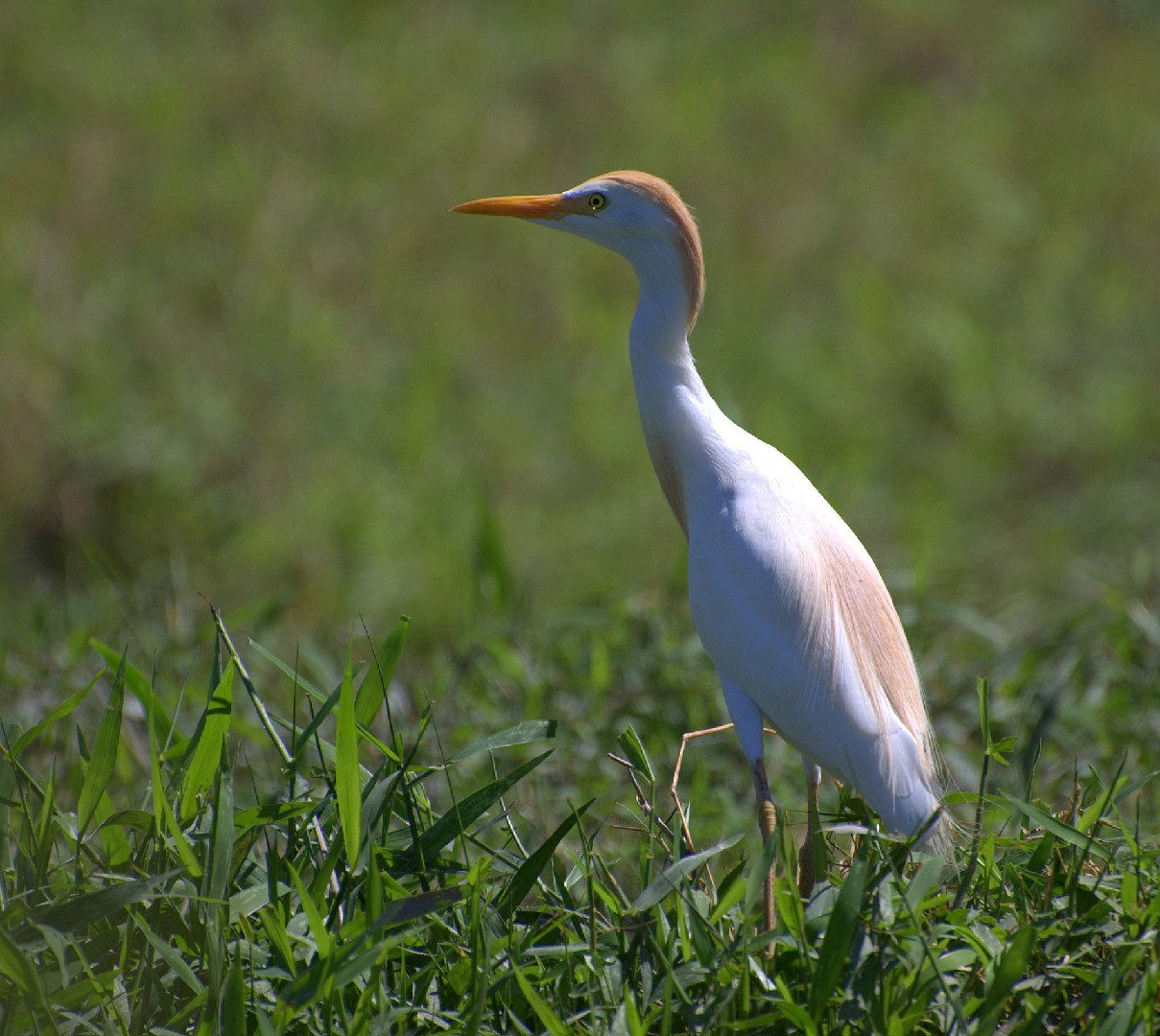
12. Cattle Egret
Cattle Egrets are short, thick-necked egrets. Their name refers to their preference to follow along with livestock as they forage in fields. Cattle Egrets were native only to Africa until the late 1800s when they somehow made their way throughout the Americas. They can often be found along airport runways waiting for planes to take off and blow insects out of the grass and weeds. They also follow behind farm equipment and do the same thing.
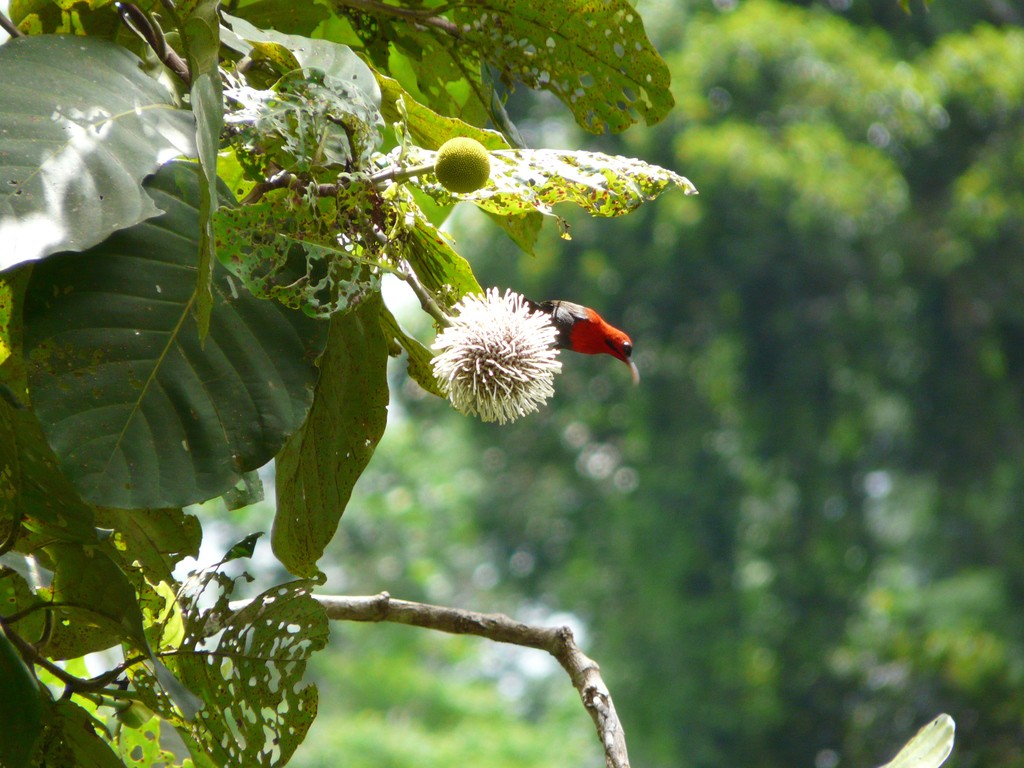
13. Magnificent Sunbird
The magnificent sunbird (Aethopyga magnifica) is a species of bird in the sunbird family which feed largely on nectar, although they will also take insects, especially when feeding young. Flight is fast and direct on their short wings. Most species can take nectar by hovering like a hummingbird, but usually perch to feed most of the time. It is endemic to the western Philippines and was once considered a subspecies of the crimson sunbird.
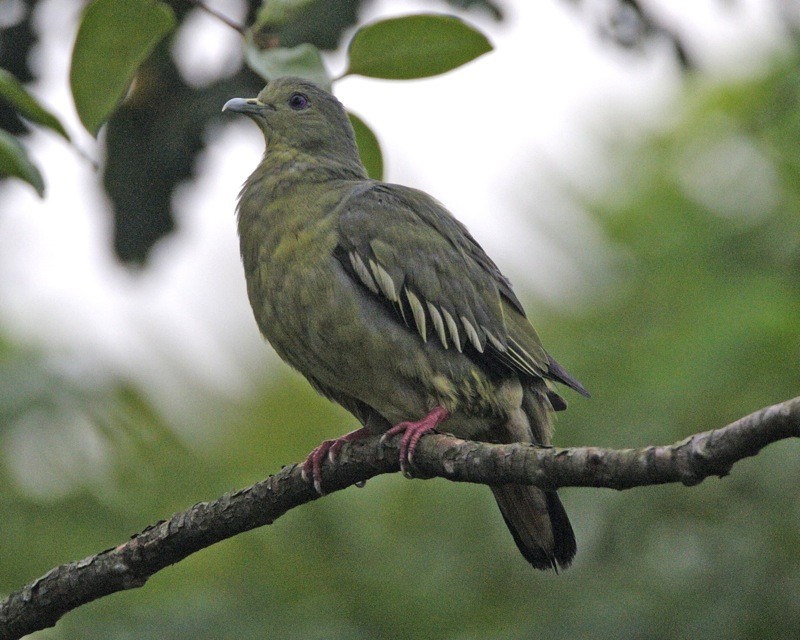
14. Pink-necked Green Pigeon
The pink-necked green pigeon is a medium-sized pigeon, measuring 25 to 30 cm (9.8–11.8 in) in length and weighing around 105–160 g (3.7–5.6 oz). The species has sexually dimorphic plumage. The male has a grey head, pinkish neck and upper breast, and the rest of the breast is orange. The back is olive green and the wings are green with black primaries and yellow edging on the tertiaries which create a yellow bar across the wing in flight. The belly is yellowish with grey flanks, and the tail is grey with a black band at the end, and a chestnut uppertail coverts. The female is smaller overall, has a yellowish belly, throat and face, and greenish crown and back of the neck, although is otherwise similar to the male. The legs are pink or reddish, and the bill is white, pale blue green or grey. Juvenile birds look similar to females but are greyer above. Pigeons in the genus Treron are unusual in the family for not having cooing calls, instead making whistling and quacking noises, but some cooing notes have been recorded for the pink-necked green pigeon, as the male makes a tri-syballic whistling call ending in a coo. It is also reported to make a rasping krrak krrak... call, but the species is generally held to not be particularly vocal, usually only calling in communal roosts and when it finds food.
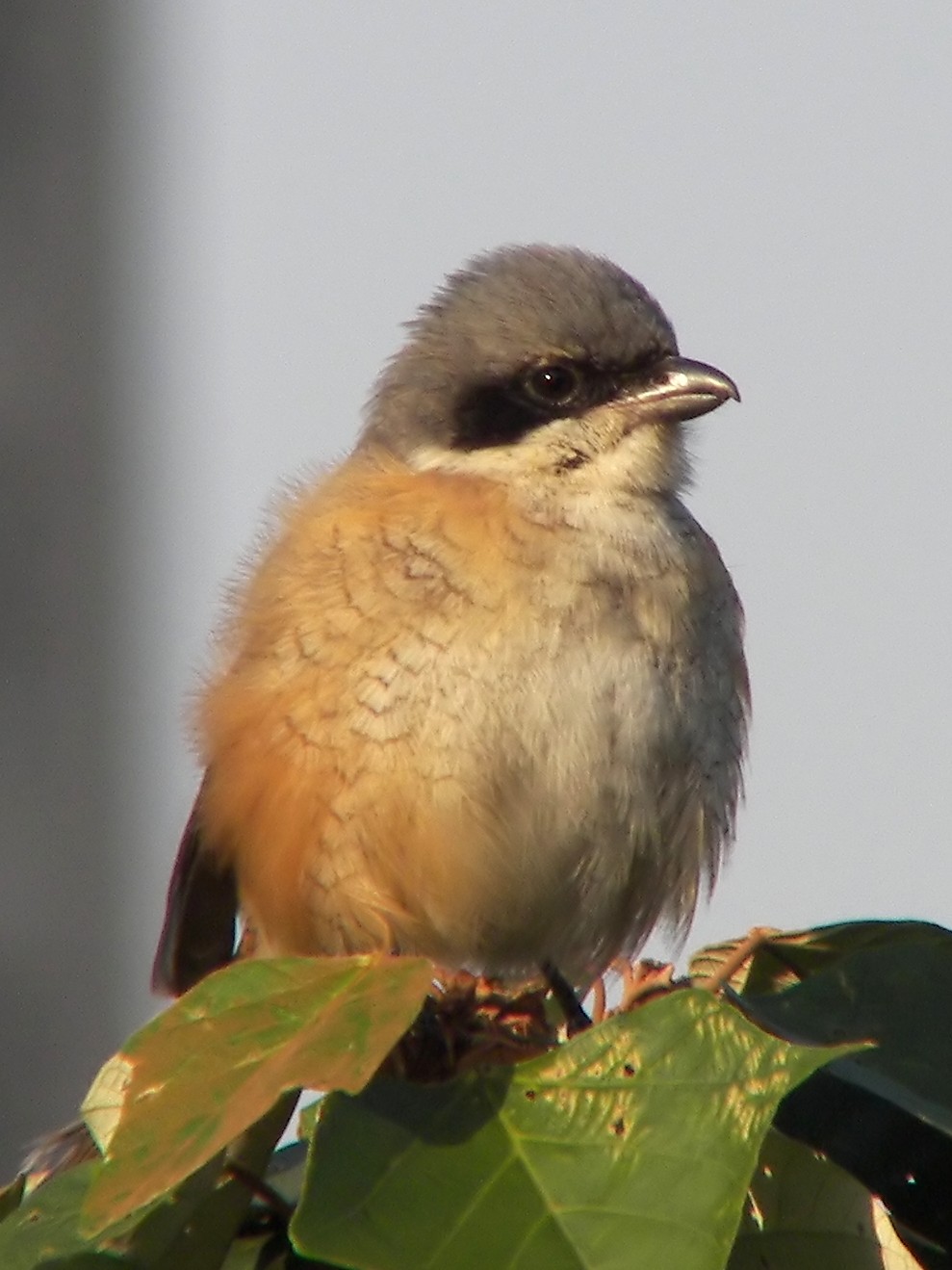
15. Brown Shrike
This shrike is mainly brown on the upper parts and the tail is rounded. The black mask can be paler in winter and has a white brow over it. The underside is creamy with rufous flanks and belly. The wings are brown and lack any white "mirror" patches. Females tend to have fine scalloping on the underside and the mask is dark brown and not as well marked as in the male. The distinction is not easy to use in the field but has been tested with breeding birds in Japan where the female can be identified from the presence of a brood patch. The use of multiple measurements allows discrimination of the sex of about 90% of the birds. Subspecies lucionensis has a grey crown shading into the brown upperparts and the rump appears more rufous than the rest of the upper back. The tail is more brownish and not as reddish as in the red-backed shrike. Younger birds of lucionensis have a brown crown and lack the grey on the head. Subspecies superciliosus has a broad white supercilium and a richer reddish crown. The tail is redder and tipped in white. A number of confusing forms are known from central Asia where the populations of cristatus, isabellinus and collurio overlap. The taxonomy has been in a state of flux and some forms such as phoenicuroides formerly considered as subspecies of L. cristatus have been moved to the species L. isabellinus. Subspecies lucionensis has been recorded interbreeding with superciliosus in Ishikawa, Japan while superciliosus has interbred with Lanius tigrinus in central Japan.
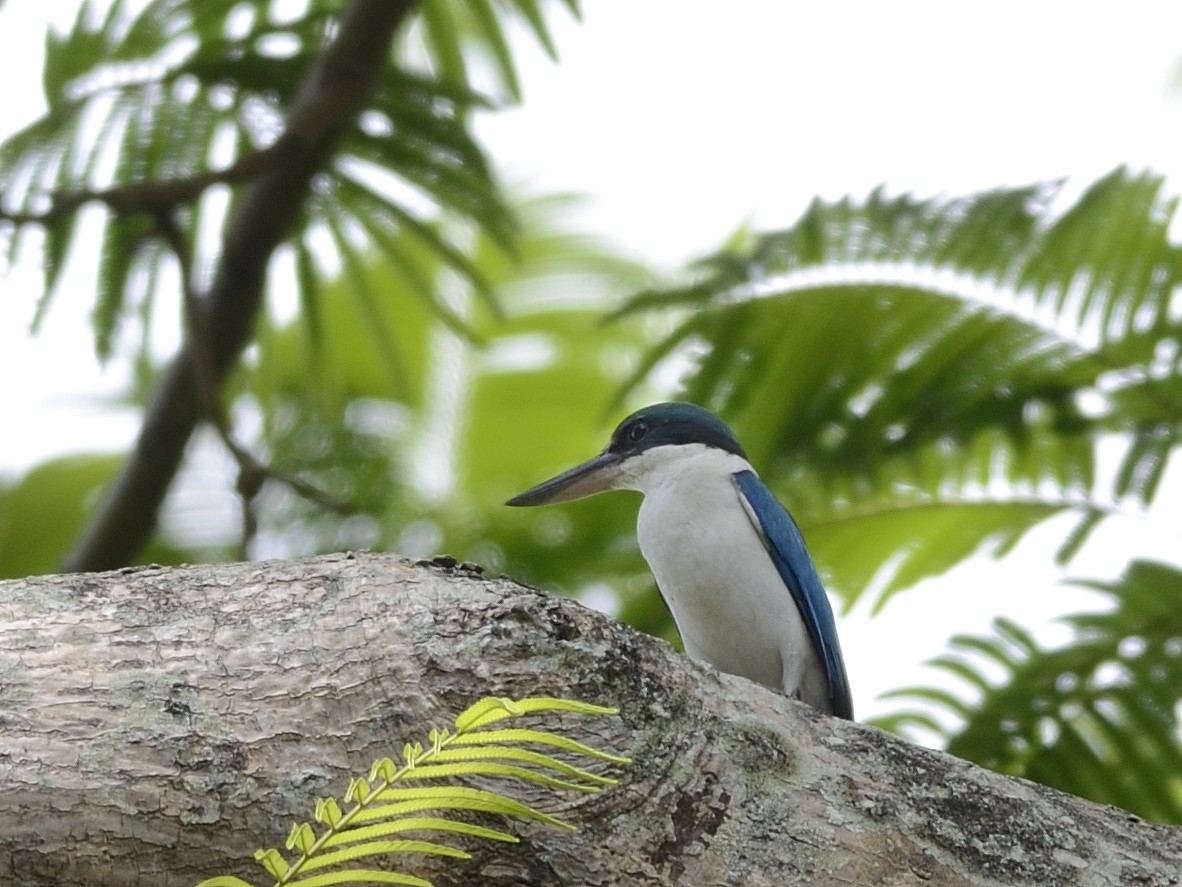
16. Collared Kingfisher
The collared kingfisher is 23 to 25 cm (9.1 to 9.8 in) long and the male weighs 51 to 90 g (1.8 to 3.2 oz), while the female weighs 54–100 g (1.9–3.5 oz). It varies from blue to green above while the underparts can be white or buff. There is a white collar around the neck, giving the bird its name. Some races have a white or buff stripe over the eye while others have a white spot between the eye and bill. There may be a black stripe through the eye. The large bill is black with a pale yellow base to the lower mandible. Females tend to be greener than the males. Immature birds are duller than the adults with dark scaly markings on the neck and breast. It has a variety of calls which vary geographically. The most typical call is a loud, harsh and metallic "kee-kee-kee" repeated several times.
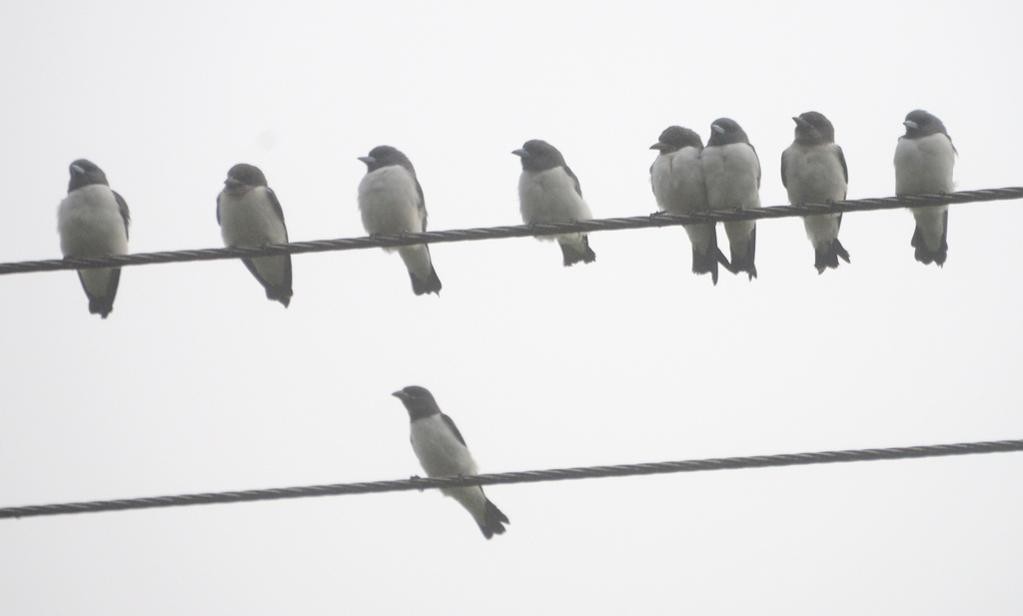
17. White-breasted Woodswallow
The White-breasted Woodswallow's plumage is dark grey on the head and neck, with white underparts, giving the species its common and scientific names, in contrast to the related great woodswallow whose upper side is a more glossy black. The stout bill of a woodswallow is bluish-grey with a black tip. White breasted woodswallows can also be identified by their short, black tail and grey feet. Their completely black tail makes them the only woodswallow lacking white on its tail. Males and females are identical in appearance. Juvenile woodswallows have a more brownish plumage around their head and mantle that is usually heavily striated. Juveniles have a buff tint on their chest and a brownish bill with a dark tip. White breasted woodswallows can grow to a maximum known size of 18cm and weigh between 35–45 grams. All 9 subspecies of Artamus leucorynchus are differentiated by small differences in color, overall size, wing length and bill size.
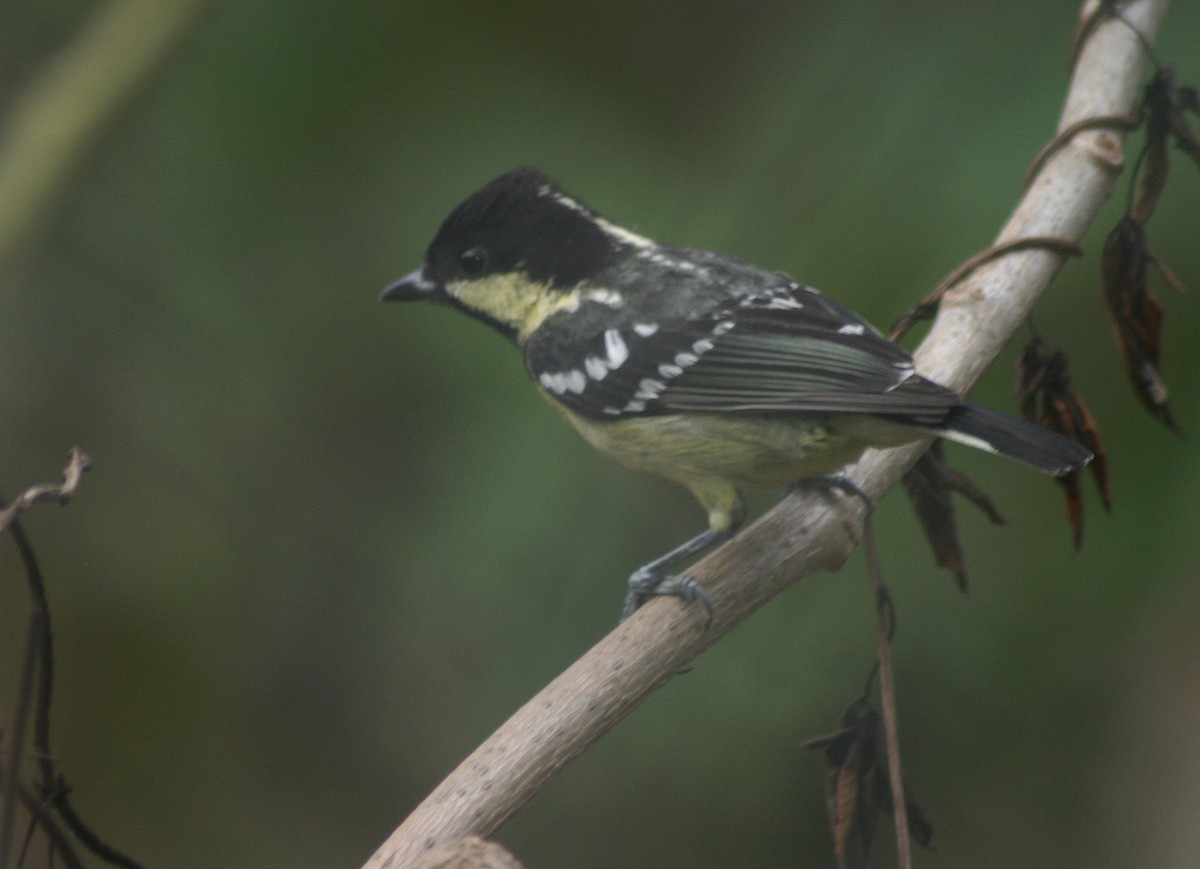
18. Elegant Tit
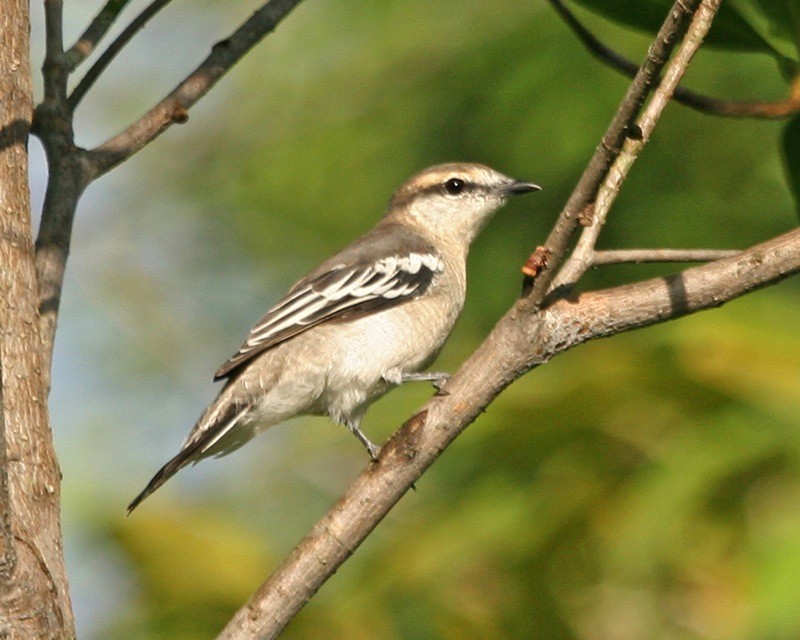
19. Pied Triller
The pied triller (Lalage nigra) is a species of bird in the family Campephagidae. It is found in Brunei, India, Indonesia, Malaysia, the Philippines, Singapore, and Thailand.
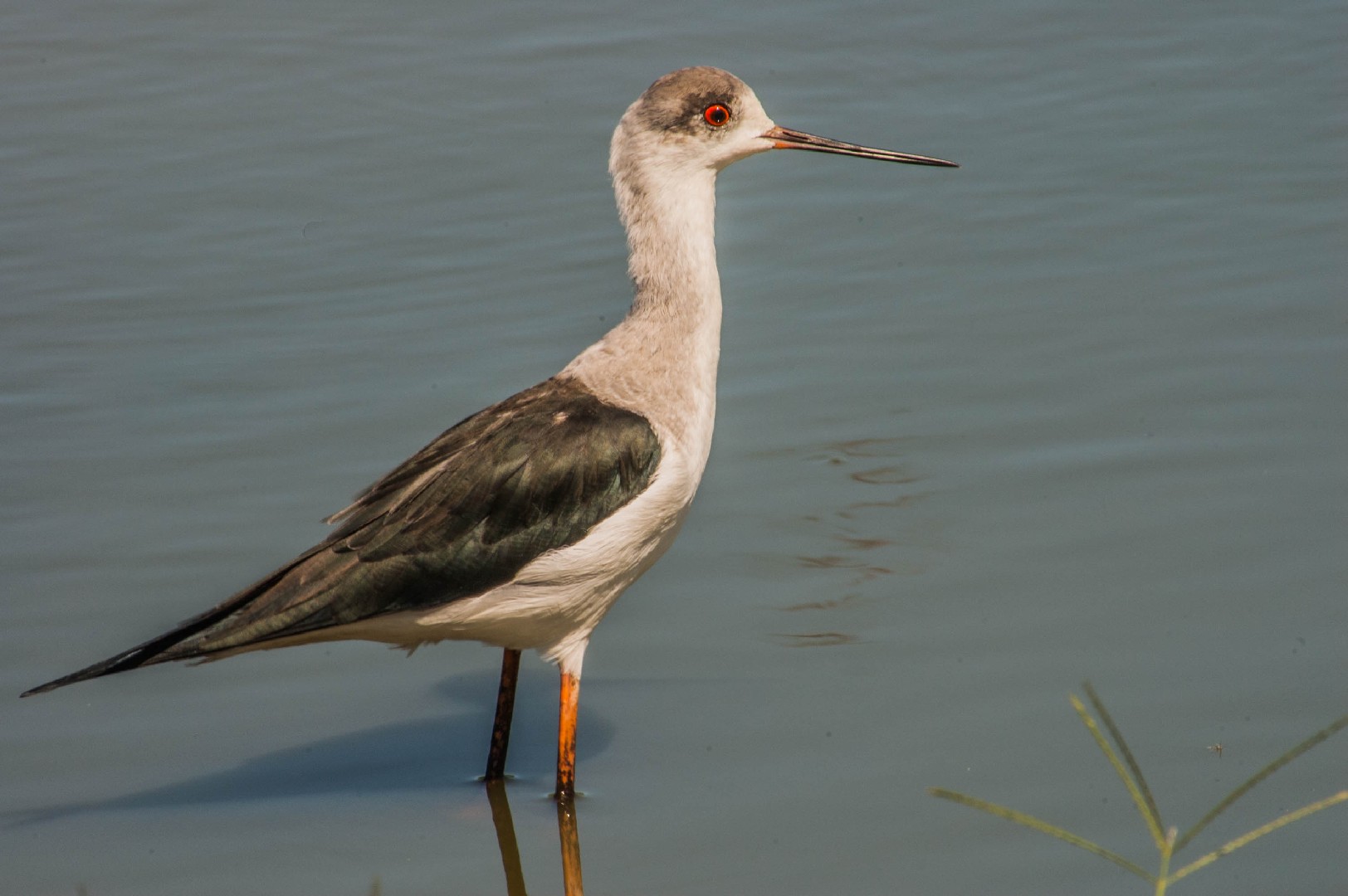
20. Black-winged Stilt
The black-winged Stilt is a shorebird that is seen in a variety of habitats, but it prefers shallow water. It is not uncommon to see this bird in flooded agricultural fields. It utilizes its long bill to search for small crustaceans and invertebrates in the mud, but don’t be surprised to see the bird dip its head in the water in search of food.