




Top 20 Most Common Bird in Kalimantan Selatan
The lush and diverse environment of Kalimantan Selatan provides a sanctuary to a wide array of bird species. The 20 most common birds exhibit striking features and intriguing behaviors, an adaptation to the unique ecosystems of Kalimantan Selatan. From vibrant plumages to distinctive songs, these avian species offer a fascinating insight into the region's rich biodiversity.

Most Common Bird
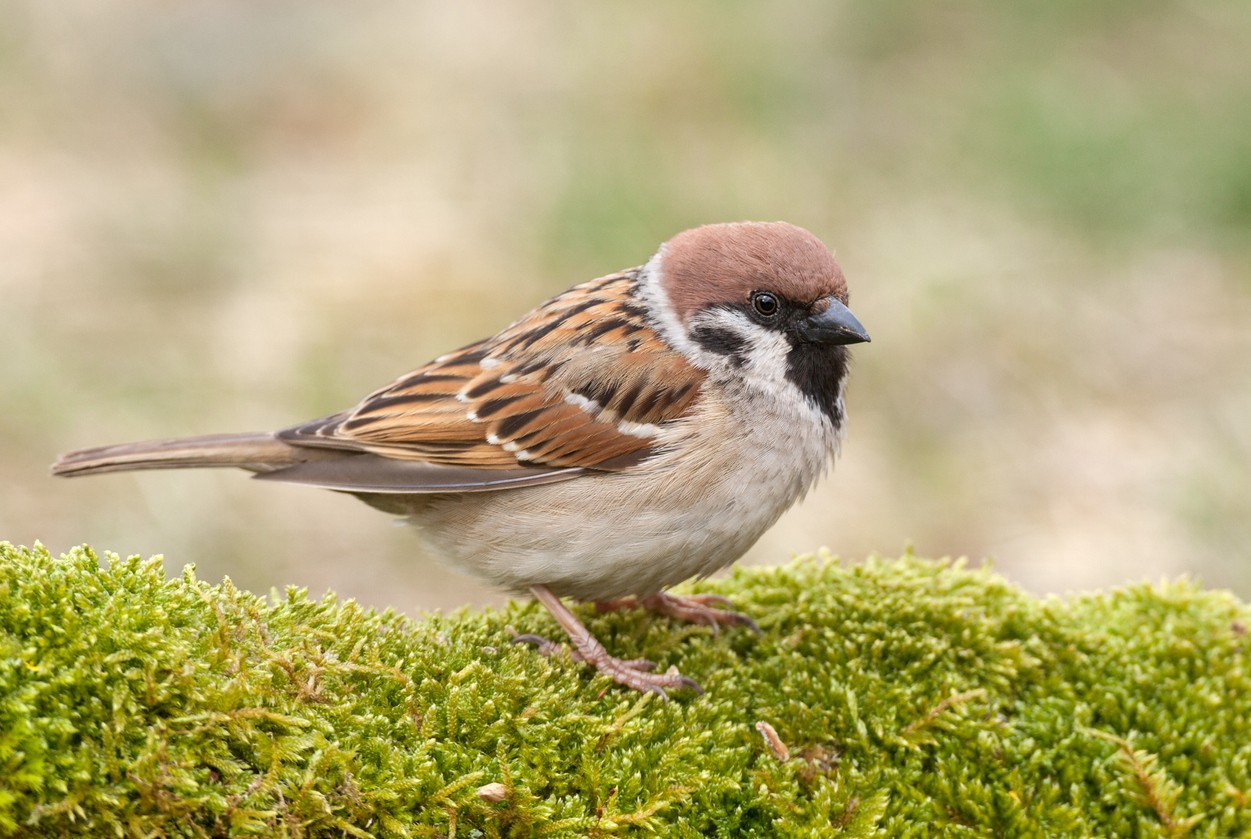
1. Eurasian Tree Sparrow
The eurasian Tree Sparrow (Passer montanus) is a widespread sparrow of the European mainland that has been introduced to some parts of North America. Eurasian Tree Sparrow is very similar to the House sparrow (Passer domesticus) but it's smaller and neater. It prefers more natural habitats, at the edges of human activity, and inhabits farmlands, parklands, and open woods.
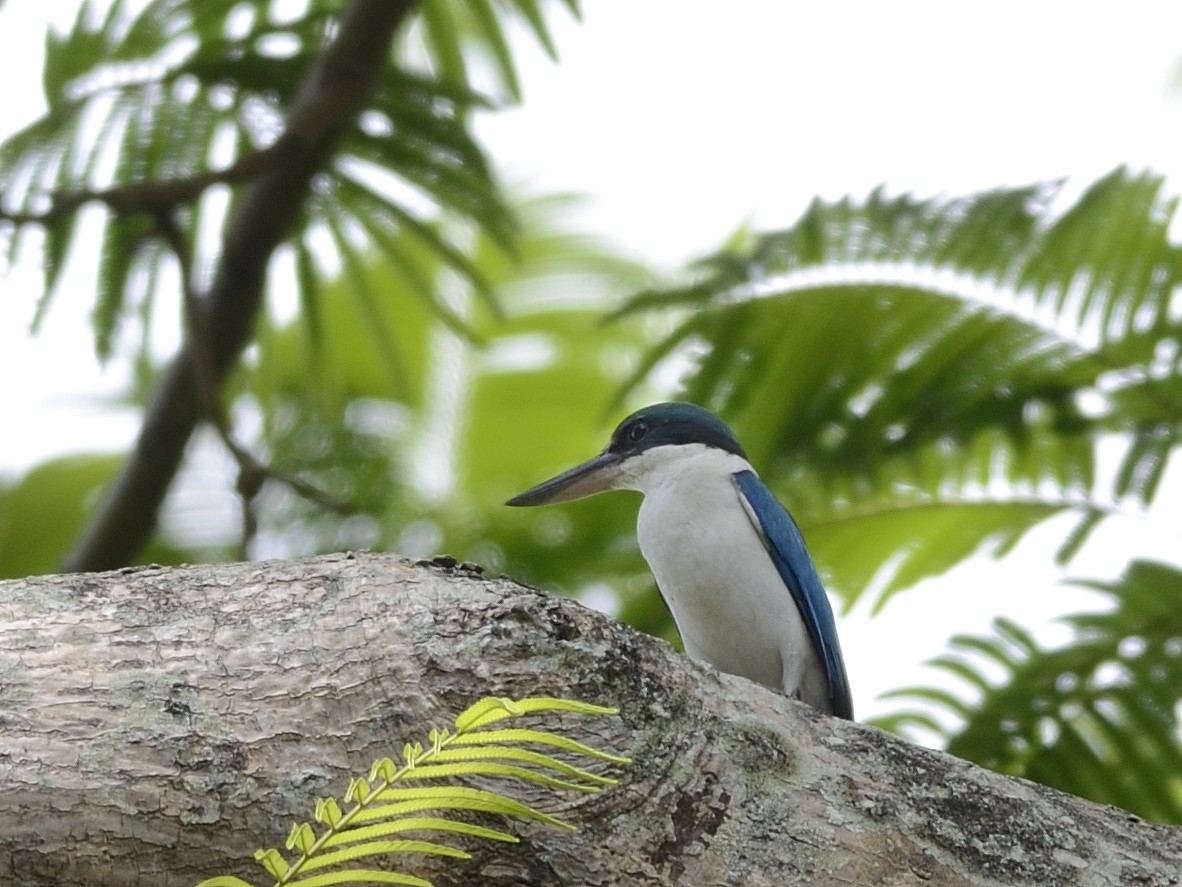
2. Collared Kingfisher
The collared kingfisher is 23 to 25 cm (9.1 to 9.8 in) long and the male weighs 51 to 90 g (1.8 to 3.2 oz), while the female weighs 54–100 g (1.9–3.5 oz). It varies from blue to green above while the underparts can be white or buff. There is a white collar around the neck, giving the bird its name. Some races have a white or buff stripe over the eye while others have a white spot between the eye and bill. There may be a black stripe through the eye. The large bill is black with a pale yellow base to the lower mandible. Females tend to be greener than the males. Immature birds are duller than the adults with dark scaly markings on the neck and breast. It has a variety of calls which vary geographically. The most typical call is a loud, harsh and metallic "kee-kee-kee" repeated several times. 
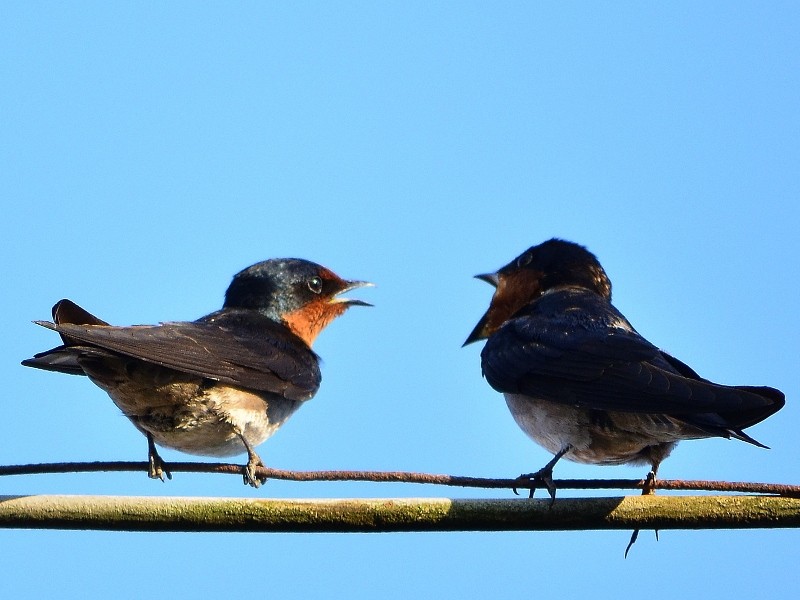
3. Pacific Swallow
The Pacific swallow (Hirundo tahitica) is a small passerine bird in the swallow family. It breeds in tropical southern Asia and the islands of the south Pacific. It is resident apart from some local seasonal movements. This bird is associated with coasts, but is increasingly spreading to forested uplands. The hill swallow was formerly considered conspecific. This species is a small swallow at 13 cm. It has a blue back with browner wings and tail, a red face and throat, and dusky underparts. It differs from the barn swallow and the closely related welcome swallow in its shorter and less forked tail. The Pacific swallow builds a neat cup-shaped nest, constructed with mud pellets collected in the beak, under a cliff ledge or on a man-made structures such as a building, bridge or tunnel. The nest is lined with softer material, and the clutch is two to three eggs. It is similar in behaviour to other aerial insectivores, such as other swallows and the unrelated swifts. It is a fast flyer and feeds on insects, especially flies, while airborne.
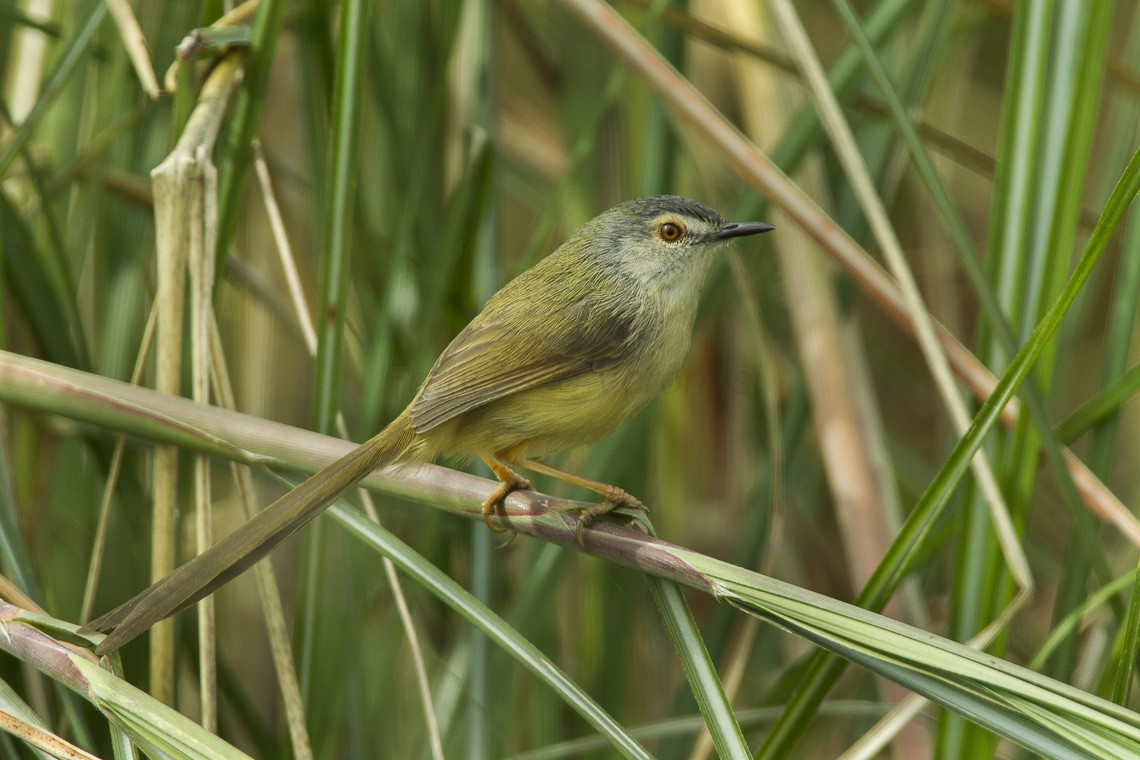
4. Yellow-bellied Prinia
The yellow-bellied prinia (Prinia flaviventris) is a species of bird in the family Cisticolidae. It is found in Pakistan, the southern Himalayan foothills, the northeastern Indian subcontinent, and Southeast Asia.
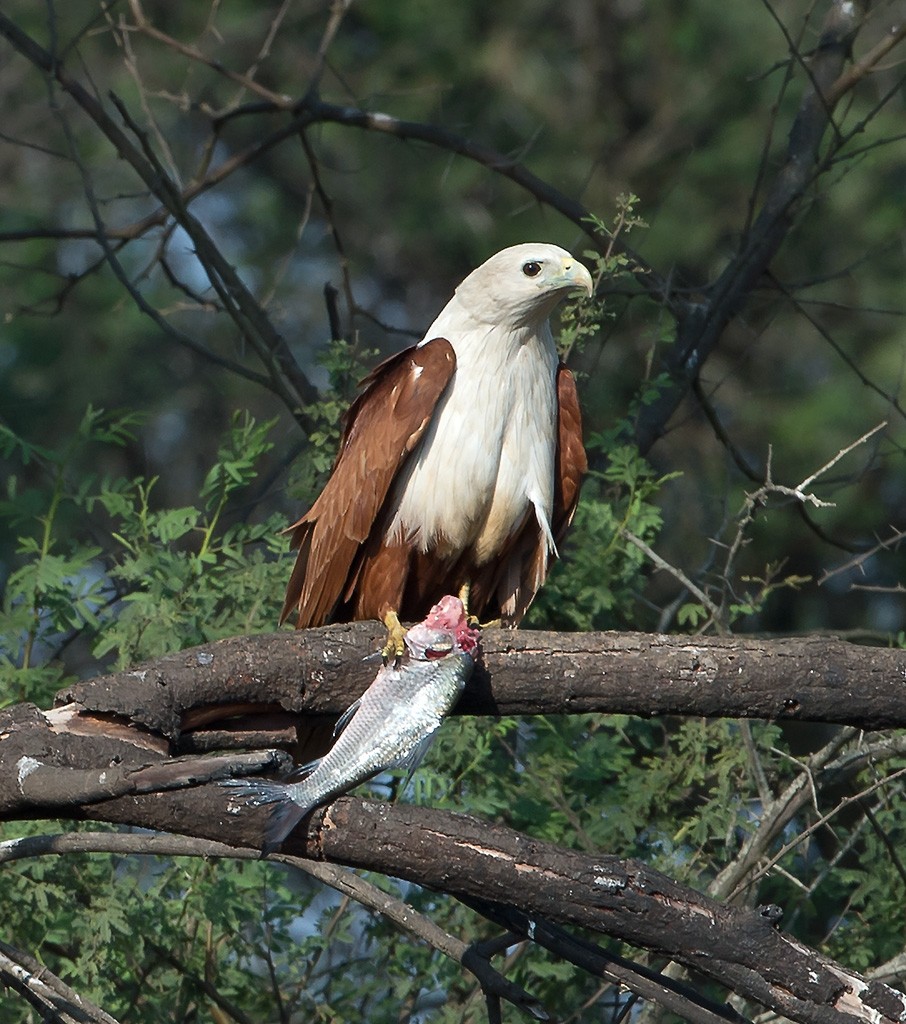
5. Brahminy Kite
The brahminy kite is distinctive and contrastingly coloured, with chestnut plumage except for the white head and breast and black wing tips. The juveniles are browner, but can be distinguished from both the resident and migratory races of black kites in Asia by the paler appearance, shorter wings, and rounded tail. The pale patch on the underwing carpal region is of a squarish shape and separated from Buteo buzzards. The brahminy kite is about the same size as the black kite (Milvus migrans) and has a typical kite flight, with wings angled, but its tail is rounded unlike the Milvus species, red kite, and black kite, which have forked tails. The two genera are, however, very close. The call is a mewing keeyew.
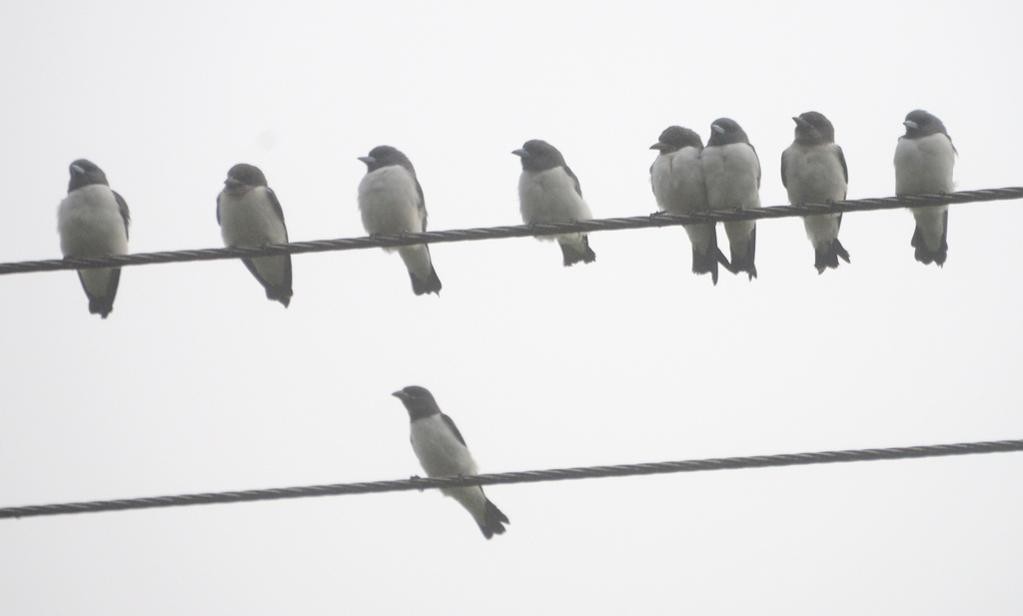
6. White-breasted Woodswallow
The White-breasted Woodswallow's plumage is dark grey on the head and neck, with white underparts, giving the species its common and scientific names, in contrast to the related great woodswallow whose upper side is a more glossy black. The stout bill of a woodswallow is bluish-grey with a black tip. White breasted woodswallows can also be identified by their short, black tail and grey feet. Their completely black tail makes them the only woodswallow lacking white on its tail. Males and females are identical in appearance. Juvenile woodswallows have a more brownish plumage around their head and mantle that is usually heavily striated. Juveniles have a buff tint on their chest and a brownish bill with a dark tip. White breasted woodswallows can grow to a maximum known size of 18cm and weigh between 35–45 grams. All 9 subspecies of Artamus leucorynchus are differentiated by small differences in color, overall size, wing length and bill size.
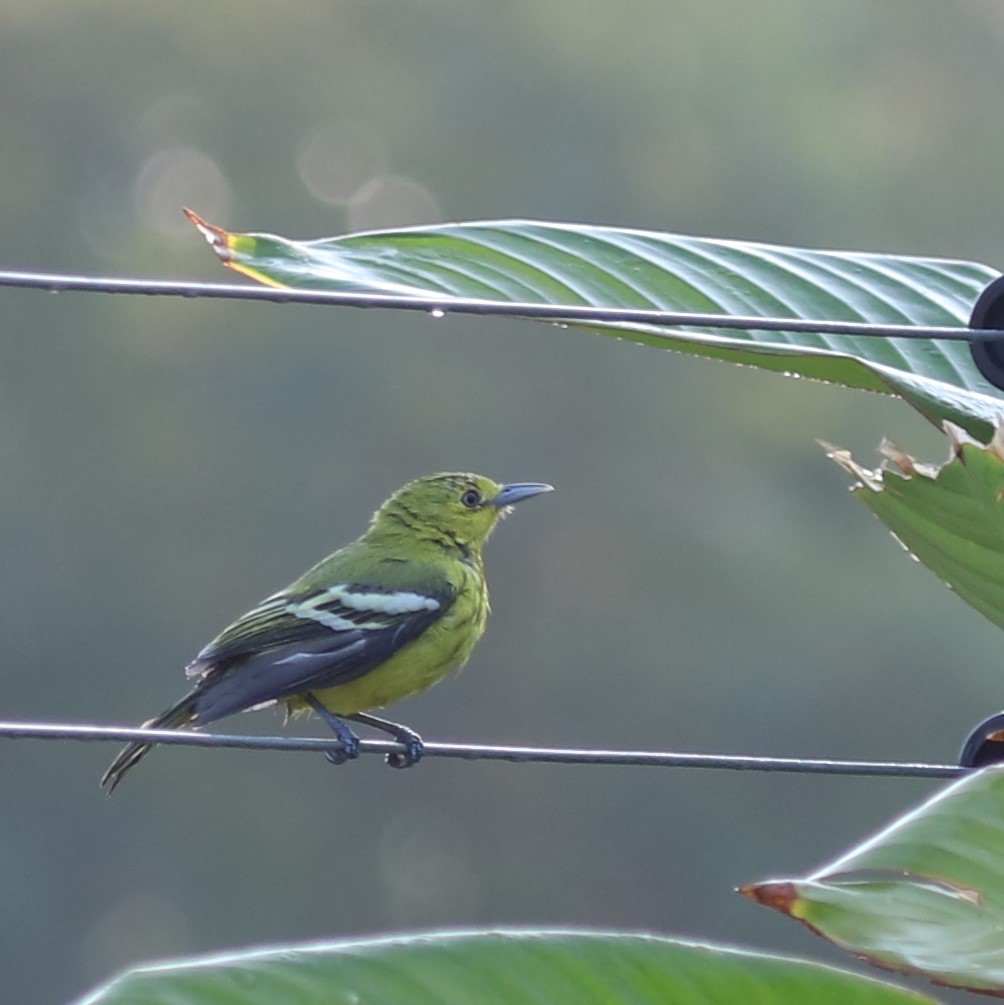
7. Common Iora
Ioras have a pointed and notched beak with a culmen that is straight. The common iora is sexually dimorphic, males in the breeding season have a black cap and back adding to a black wing and tail at all seasons. Females have greenish wings and an olive tail. The undersides of both are yellow and the two white bars on the wings of the male are particularly prominent in their breeding plumage. The males in breeding plumage have a very variable distribution of the black on the upperparts and can be confused with Marshall's iora, however, the latter always has white tips to the tail. The nominate subspecies is found along the Himalayas and males of this population are very similar to females or have only a small amount of black on the crown. In northwestern India, septentrionalis is brighter yellow than others and in the northern plains of India humei males in breeding plumage have a black cap and olive on the upper mantle. In southwestern India and Sri Lanka multicolor has the breeding males with a jet black cap and mantle. The forms in the rest of southern India are intermediate between multicolor and humei with more grey-green on the rump (formerly considered as deignani but now used for the Burmese population). Several other populations across Southeast Asia are designated as subspecies including philipi of southern China and northern Thailand/Laos, deignani of Myanmar, horizoptera of southern Myanmar and the island chain of Sumatra, cambodiana of Cambodia, aeqanimis of Palawan and northern Borneo, viridis of Borneo and scapularis of Java and Bali.
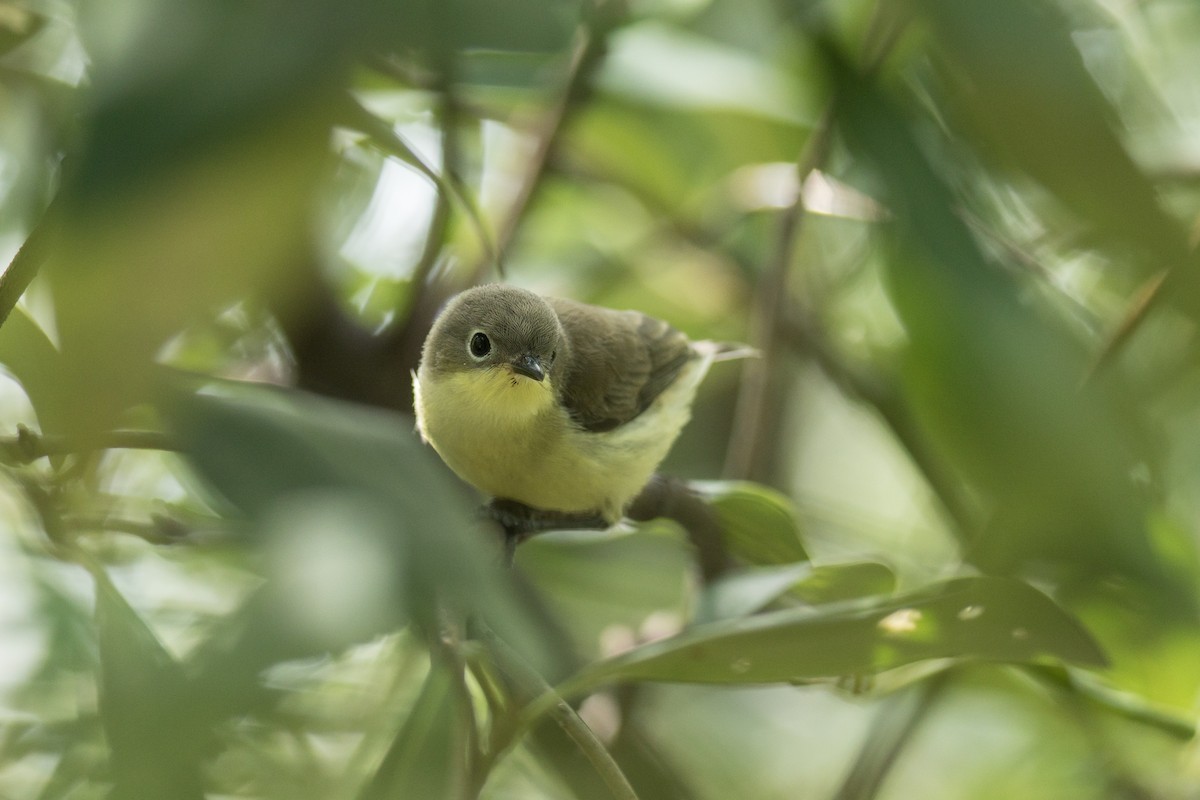
8. Golden-bellied Gerygone
The golden-bellied gerygone (Gerygone sulphurea) is a species of bird in the family Acanthizidae. It is found in Brunei, Indonesia, Malaysia, the Philippines, Singapore, and Thailand. Its natural habitats are subtropical or tropical moist lowland forest and subtropical or tropical mangrove forest.
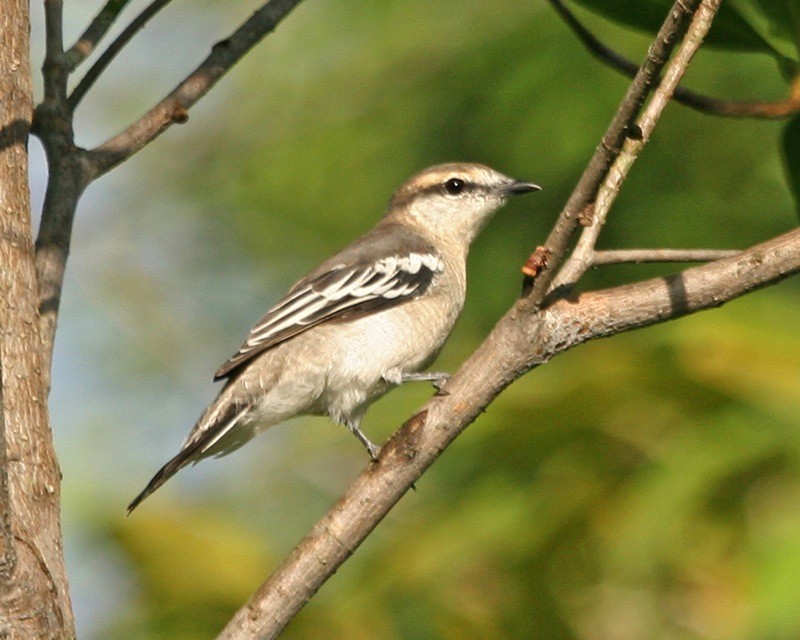
9. Pied Triller
The pied triller (Lalage nigra) is a species of bird in the family Campephagidae. It is found in Brunei, India, Indonesia, Malaysia, the Philippines, Singapore, and Thailand.
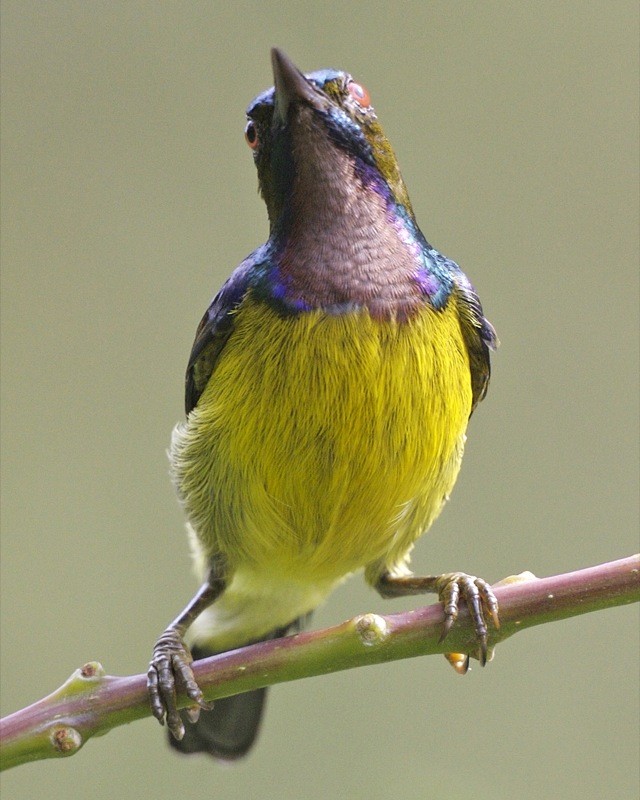
10. Brown-throated Sunbird
The brown-throated sunbird is a relatively large, heavy sunbird with a thick bill. Measuring some 14 centimetres (5.5 in) in length, it has a mass of 7.4–13.5 g (0.26–0.48 oz), with males averaging slightly larger than females. Like most sunbirds, the male brown-throated sunbird is more colourful than the female. The male has iridescent green and purple upperparts with chestnut on the wing-coverts and scapulars; it is primarily yellow below. The female is olive-green above and yellowish below.
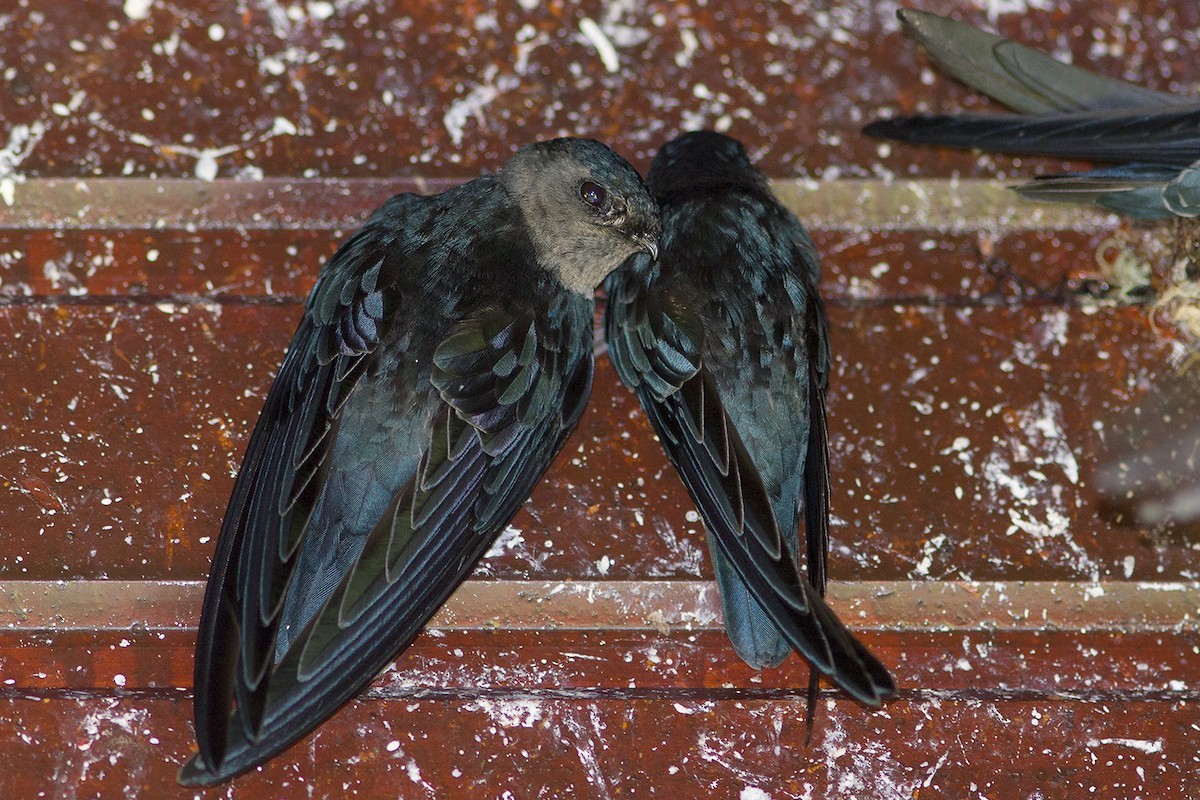
11. Plume-toed Swiftlet
The plume-toed swiftlet is 9–10 cm (3.5–3.9 in) in length with a square tail. The back and upper surface of the wings are uniformly dark greenish-blue with a moderate gloss. The throat and upper breast are dark grey merging into large greyish chevrons over the lower breast and flanks, usually becoming white over the belly. There is a tuft of small feathers on the hallux, the rear facing toe. This species lacks a pale contrasting rump and has no white spots on the inner webs of the tail feathers.
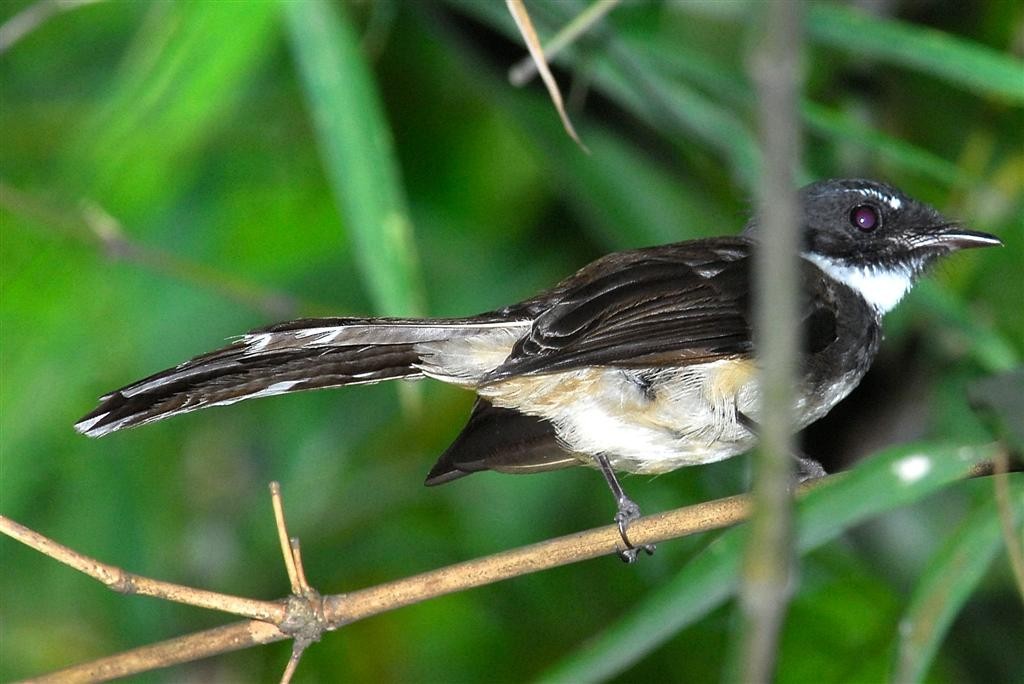
12. Malaysian Pied Fantail
The Malaysian pied fantail (Rhipidura javanica) is a species of bird in the fantail family and one of 47 species in the genus Rhipidura. It is locally referred to as murai gila, literally "crazy thrush" in the Malay language. It is found in Brunei, Cambodia, Indonesia, Laos, Malaysia, Myanmar, Philippines, Singapore, Thailand, and Vietnam. Its natural habitat is subtropical or tropical moist lowland forests. A single sight was recorded from Yala National Park of south Sri Lanka.
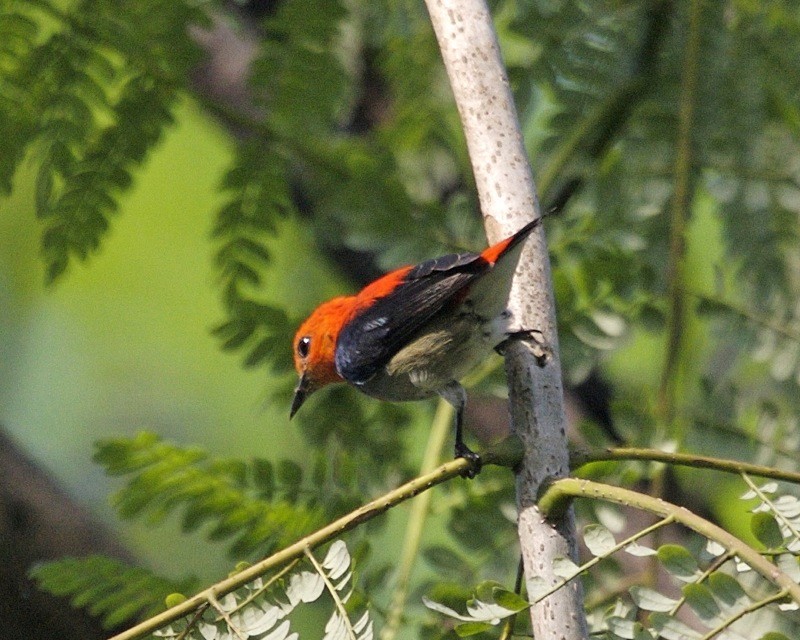
13. Scarlet-headed Flowerpecker
The scarlet-headed flowerpecker (Dicaeum trochileum) is a species of bird in the family Dicaeidae. It is endemic to Indonesia. Its natural habitats are subtropical or tropical moist lowland forest and subtropical or tropical mangrove forest.
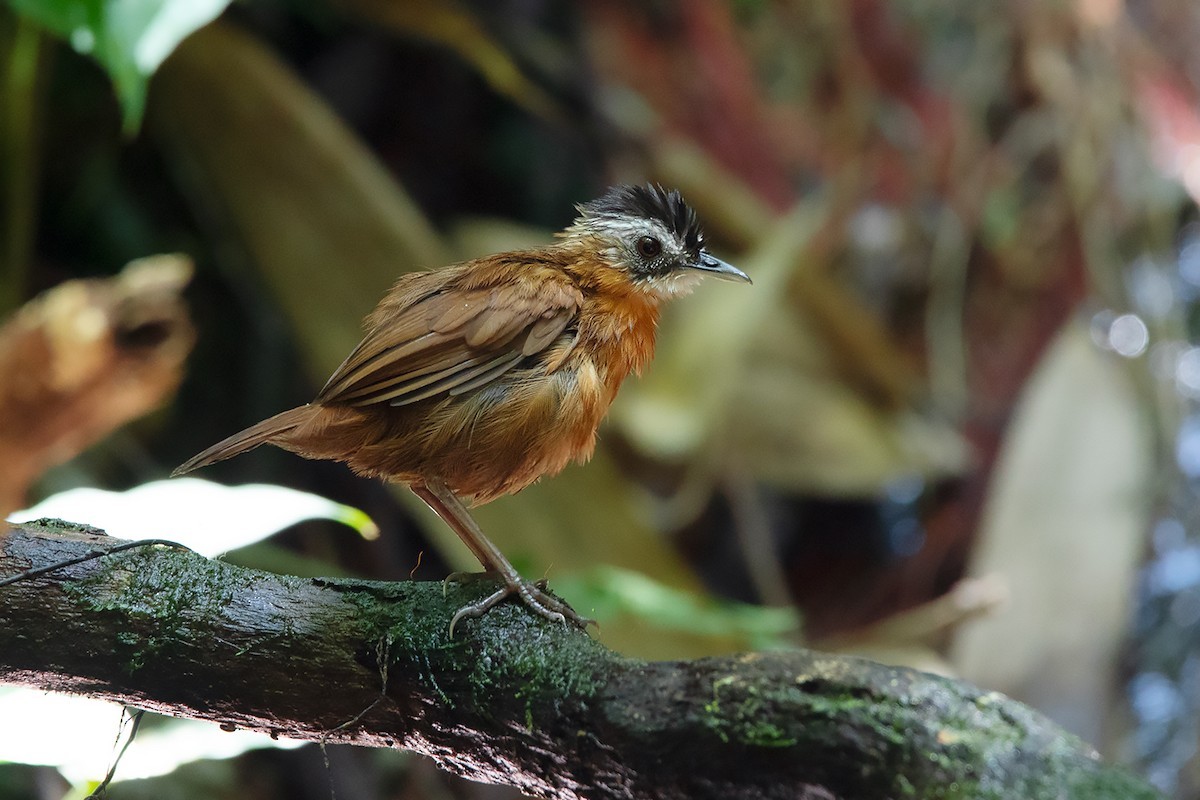
14. Black-capped Babbler
The black-capped babbler (Pellorneum capistratum) is a species of bird in the family Pellorneidae. It is found in Brunei, Indonesia, Malaysia, Myanmar, Singapore, and Thailand. Its natural habitat is subtropical or tropical moist lowland forest.
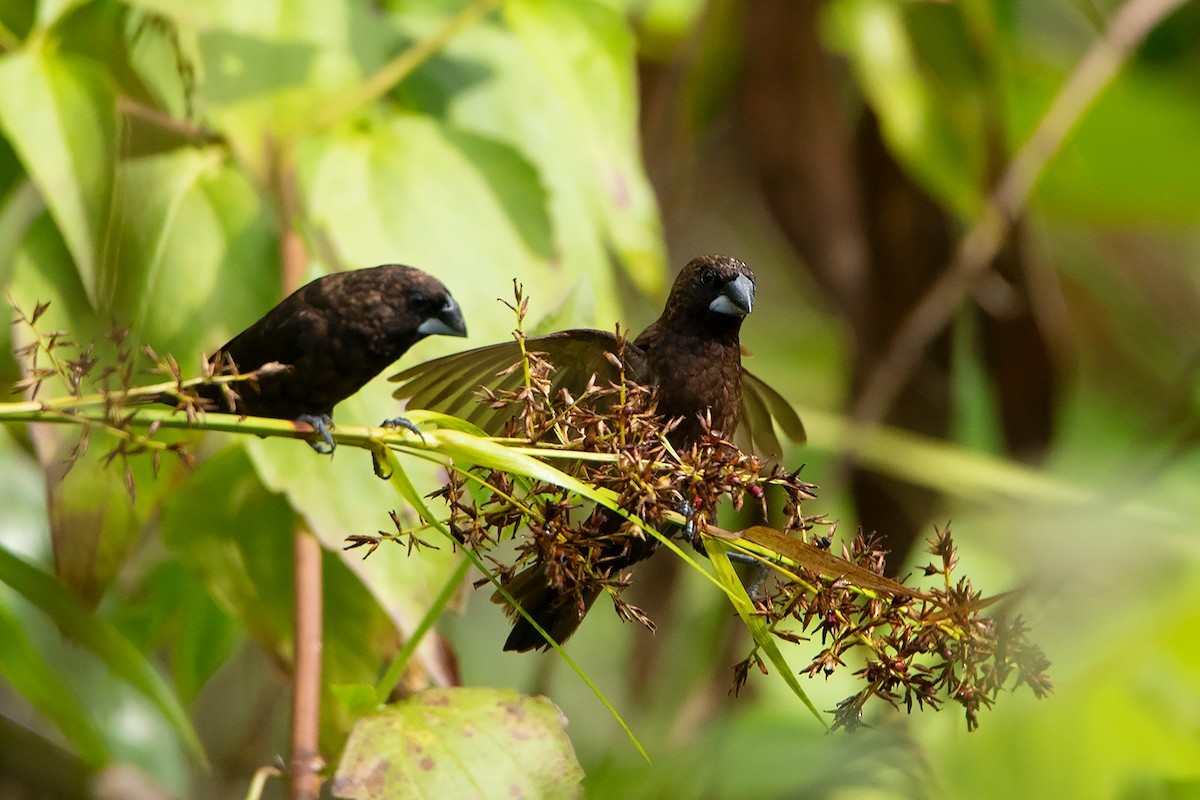
15. Dusky Munia
The dusky munia (Lonchura fuscans) is a species of estrildid finch which is endemic to Borneo. It is found in subtropical/ tropical lowland shrubland, forest and grassland habitat. The status of the species is evaluated as Least Concern.
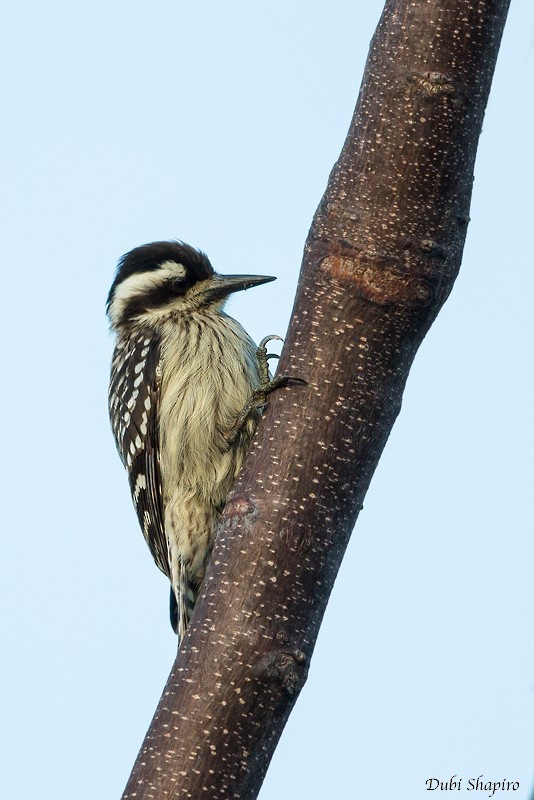
16. Sunda Pygmy Woodpecker
17. Common Sandpiper
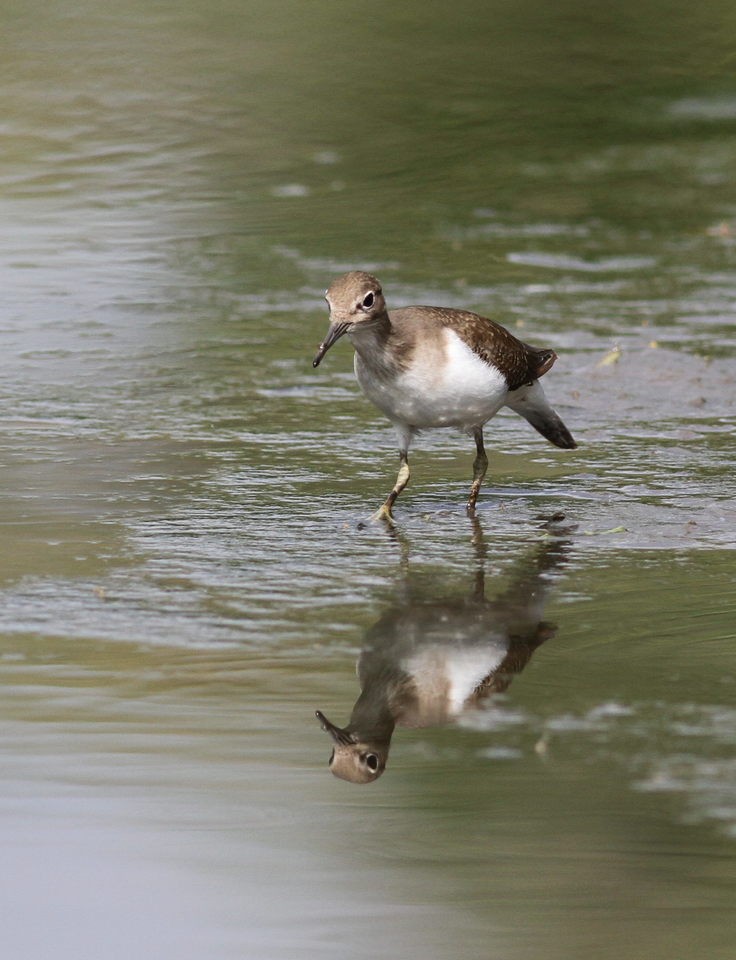
While the common Sandpiper is considered a common shorebird around lakes and rivers, it does have a unique trait. The small bird bobs its tail, giving the appearance of wagging. The bird communicates with others by chirping in the air, but is silent when feeding on small crustaceans and invertebrates.
18. Olive-winged Bulbul
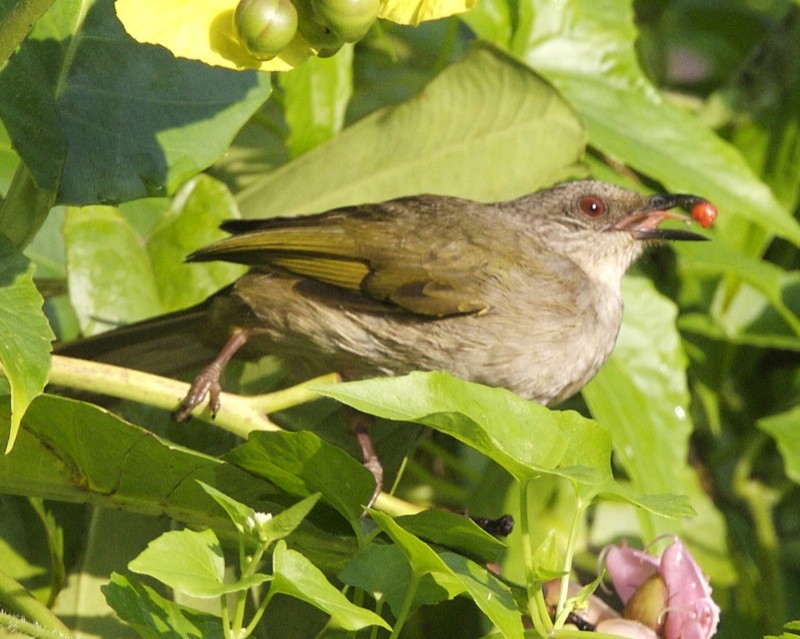
The olive-winged bulbul (Pycnonotus plumosus) is a member of the bulbul family of passerine birds. It is found in south-eastern Asia and the Greater Sunda Islands. Its natural habitat is subtropical or tropical moist lowland forests.
19. Olive-backed Sunbird
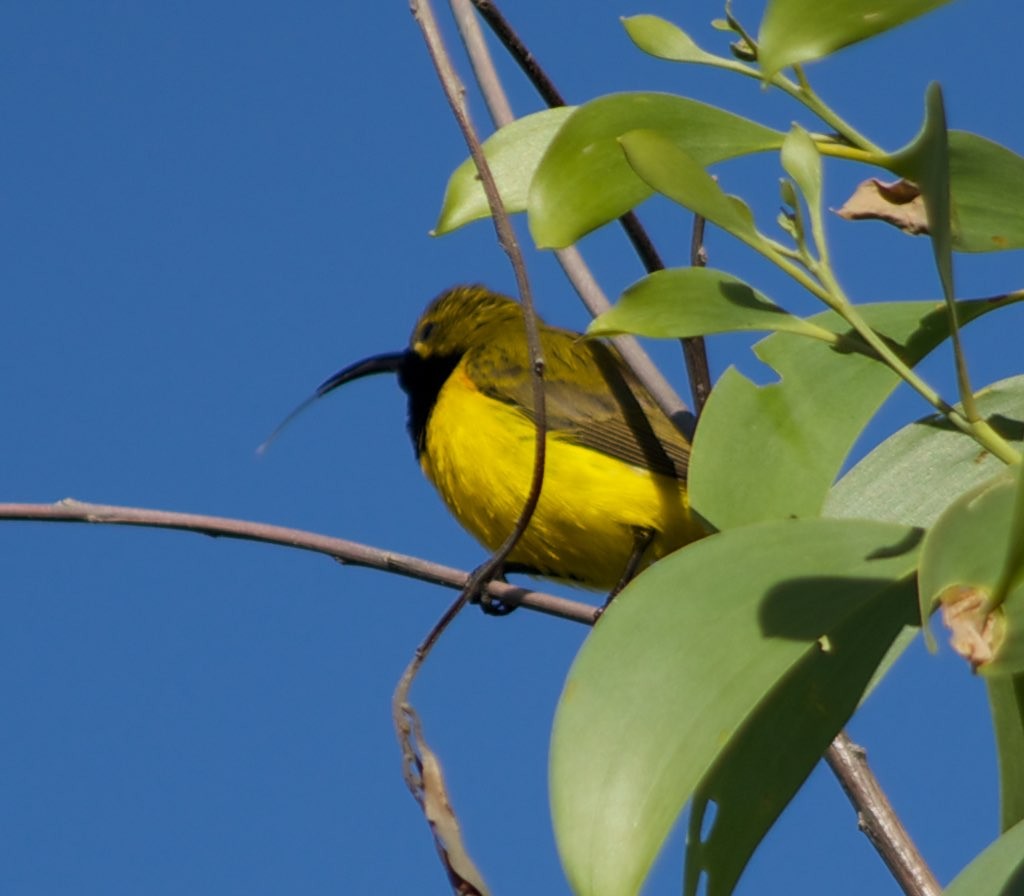
In most subspecies, the underparts of both male and female are bright yellow, the backs are a dull brown colour. The forehead, throat and upper breast of the adult male is a dark, metallic blue-black. In the Philippines the males of some subspecies have an orange band on the chest, in Wallacea and northern New Guinea some subspecies have most of the underparts blackish, and in southern China and adjacent parts of Vietnam most of the underparts of the male are greyish-white.
20. Red-crowned Barbet